
Marine — History & Facts
Can paint confess what words never could? In Marine, the artist imparts a profound sense of loss, capturing the silent whispers of the sea and the weight of the sky above. Look to the left at the rugged coastline, where dark cliffs rise sharply against the tumultuous waves. Notice how the artist captures the interplay of light and shadow, illuminating the frothy crests while deepening the shadows of the rocky outcrops. The palette is dominated by cool blues and grays, echoing the melancholy mood, while hints of white create a stark contrast that draws the eye and emphasizes the relentless power of the ocean.
The horizon stretches into a vast expanse, inviting contemplation and evoking a sense of longing. Delve deeper into the painting: the faint boats in the distance appear almost ghostly, reminding us of the human presence that feels simultaneously close and far away. Each wave crashing against the cliffs becomes a metaphor for the constant motion of time, and the stillness of the sky above suggests a fleeting moment suspended in eternity. The juxtaposition of nature's grandeur and the delicate vulnerability of humanity evokes a bittersweet recognition of loss, as if the sea itself mourns for what has been left behind. Created in 1650, this work emerged during a period of transition for Salomon van Ruysdael, as he sought to carve his own niche amidst the influences of his peers.
At that time, the Dutch Republic was thriving economically and culturally, yet the artist wrestled with personal struggles and the passage of time, seeking solace in the natural world. In Marine, he encapsulates not only the beauty of his surroundings but also the poignant sensations that linger in the wake of absence.
More Artworks by Salomon van Ruysdael
Browse all →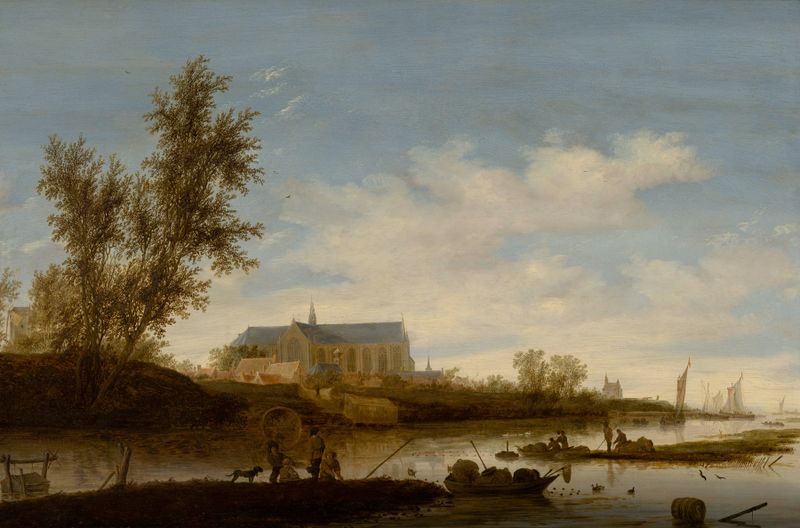
River landscape with fishermen in the foreground, the Laurenskerk in Alkmaar beyond
Salomon van Ruysdael

River Landscape with a View of Naarden
Salomon van Ruysdael
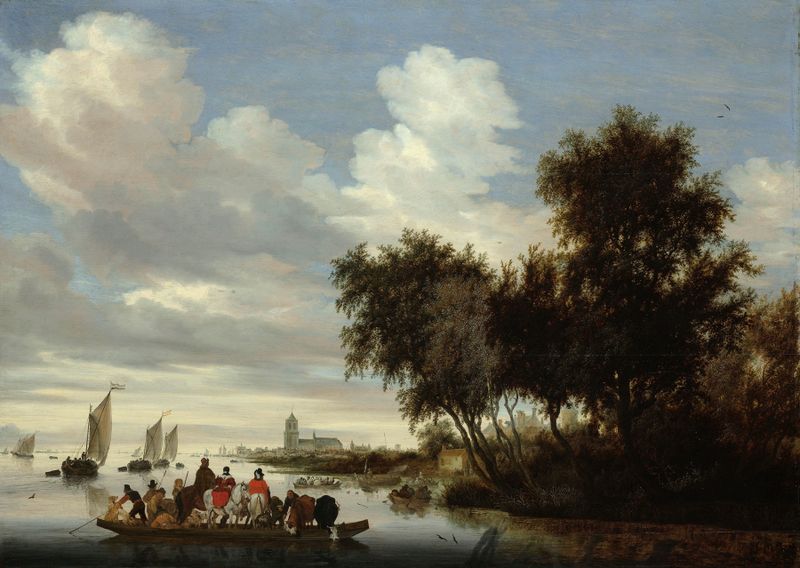
River Landscape with Ferry
Salomon van Ruysdael
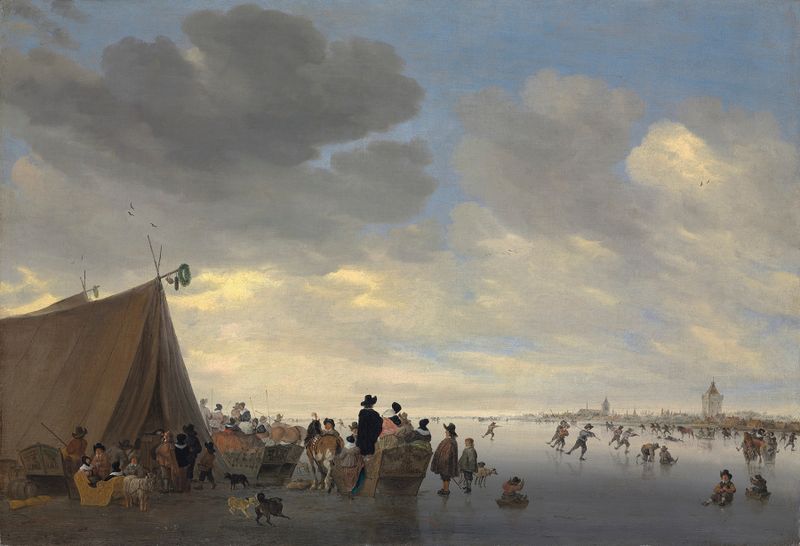
Skaters on the frozen river Lek, the town of Vianen beyond
Salomon van Ruysdael
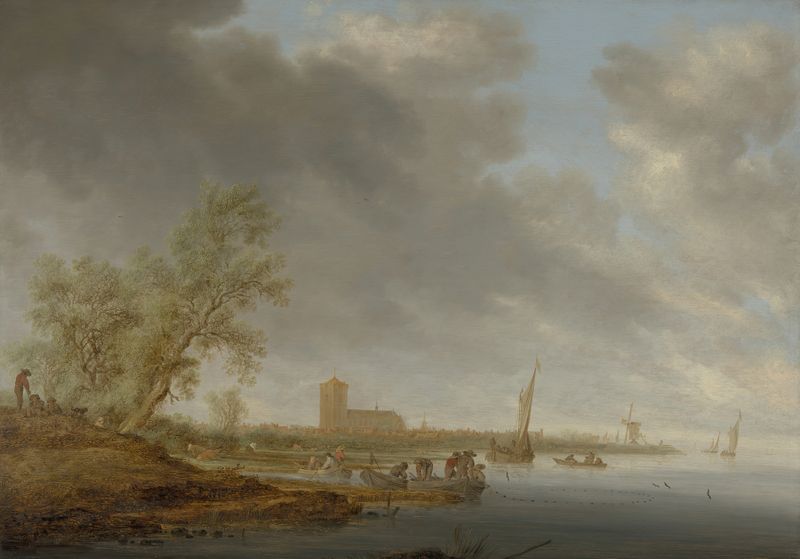
River Landscape with a View of Naarden
Salomon van Ruysdael
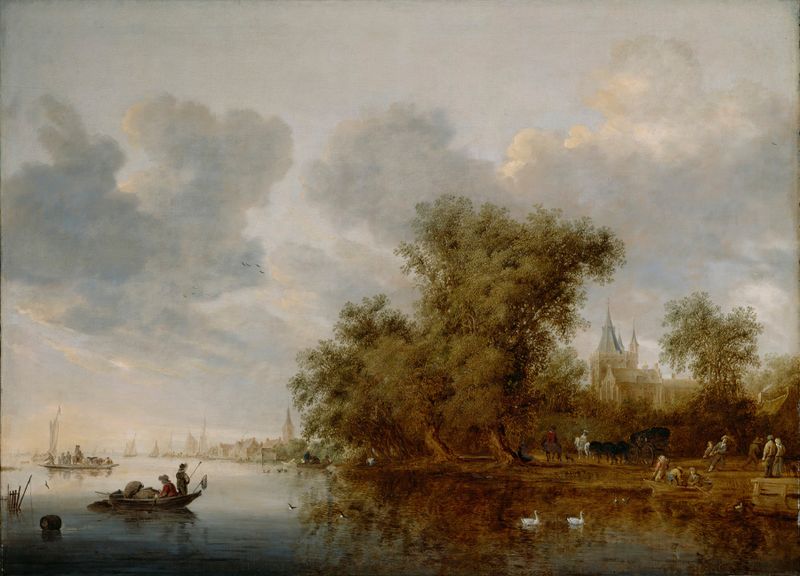
River Landscape
Salomon van Ruysdael
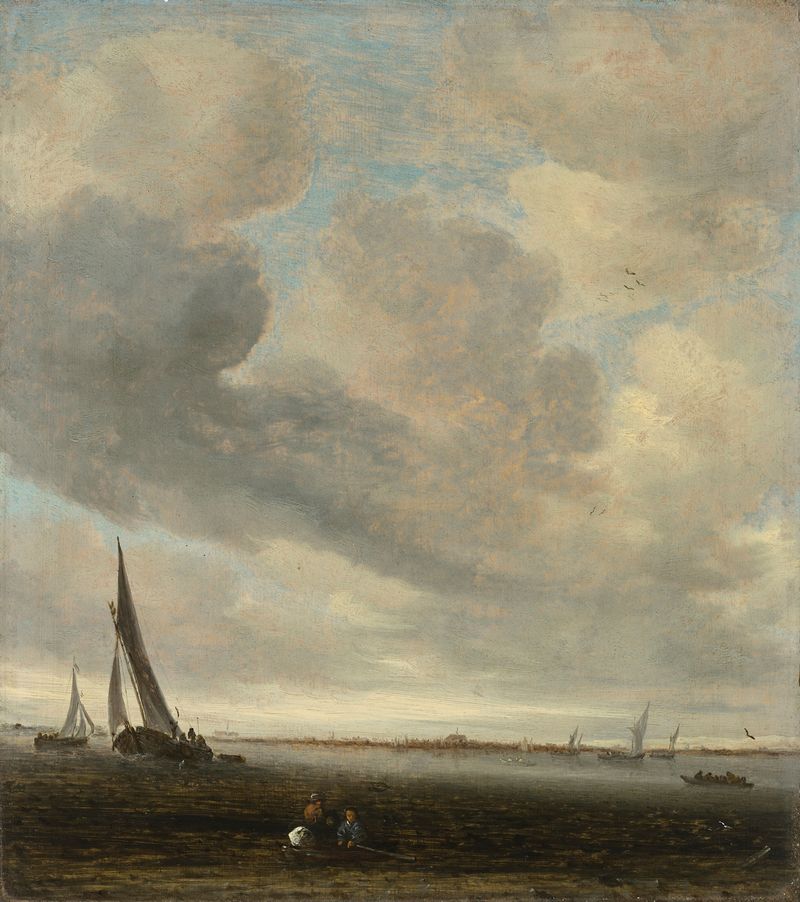
An estuary scene with a distant view of Haarlem
Salomon van Ruysdael
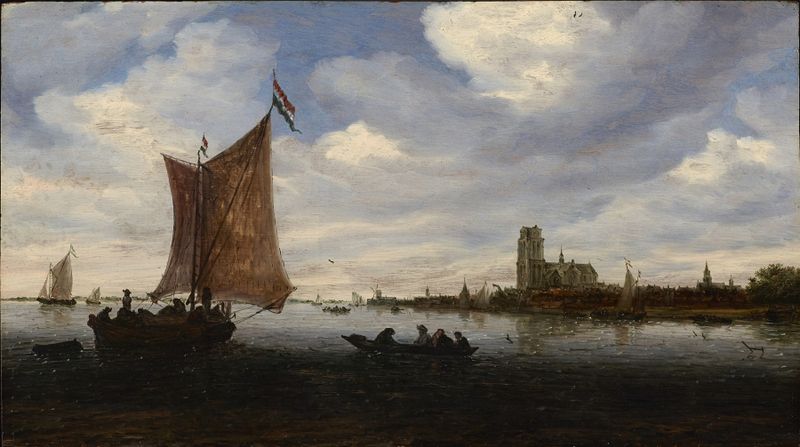
View of Dordrecht
Salomon van Ruysdael
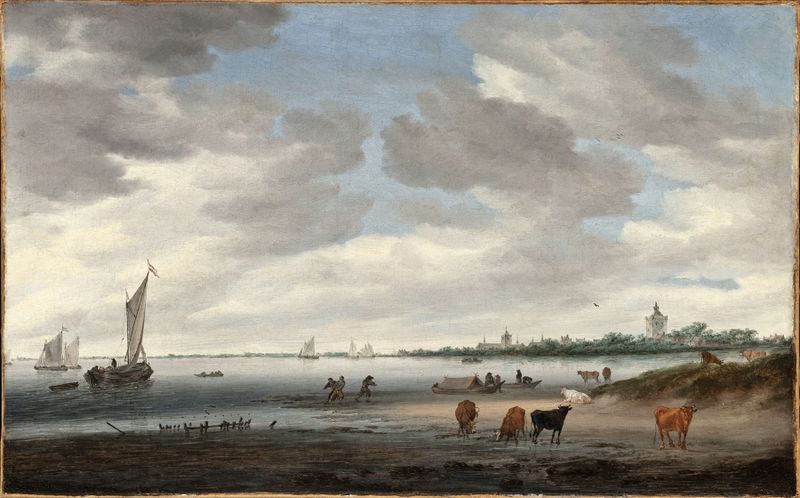
View of the River Lek and the Town of Vianen
Salomon van Ruysdael
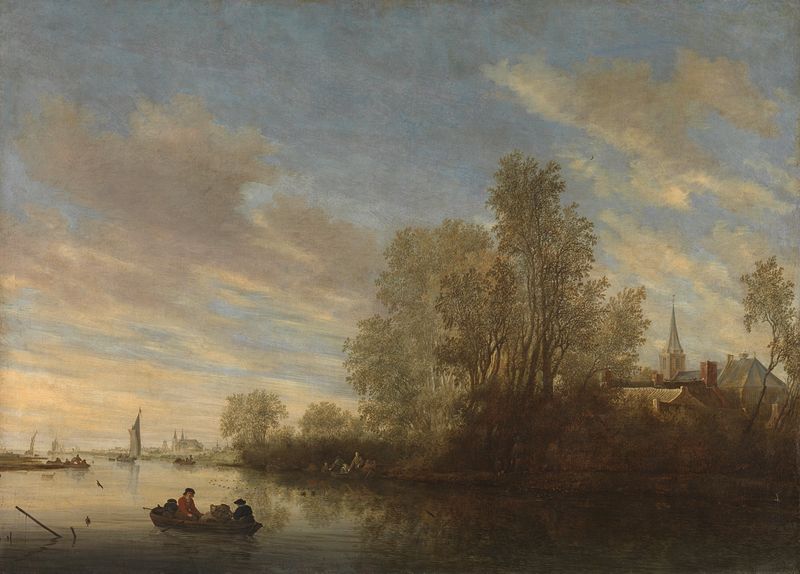
River View near Deventer
Salomon van Ruysdael





