
Marine with rocks — History & Facts
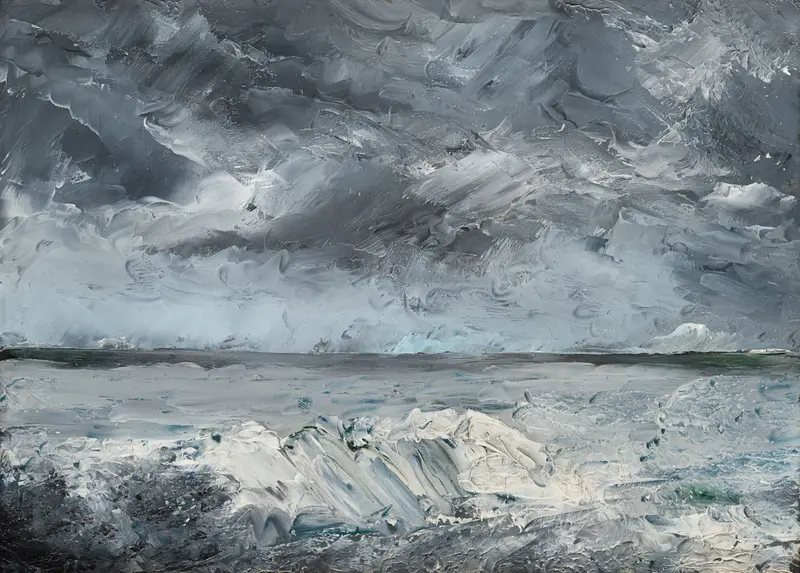
A sky alive with movement presses down on a restless sea, the brushwork itself seeming to churn and heave. In Marine with rocks, August Strindberg leads the viewer’s eye through a world where earth and water are barely distinguishable, the boundary between them blurred by thick, swirling strokes of paint. The rocks jut from the left, their forms almost lost in the storm-dark palette, while a pale, troubled light breaks through the clouds above, hinting at a moment of uneasy calm.
The drama is not in narrative detail but in the sheer physicality of the surface: each mark feels urgent, as if the artist were wrestling the elements onto the canvas. Here, the landscape is less a place than a sensation—raw, immediate, and unresolved. Painted in September 1894, this work belongs to a moment when artists across Europe were testing the limits of landscape painting, often using it as a stage for inner turmoil and new ideas about nature. Strindberg, better known for his writing, brought an experimental spirit to his visual art, working in a period when the boundaries between genres and disciplines were shifting.
Marine scenes like this were rarely made for grand salons or aristocratic patrons; instead, they spoke to a growing fascination with the wild, untamed world and the artist’s own confrontation with it. The painting’s presence in a modern collection, documented as photographed in July 2015, is a reminder of how such works—once perhaps overlooked—now invite us to look again, to feel the weather in the paint itself.
More Artworks by August Strindberg
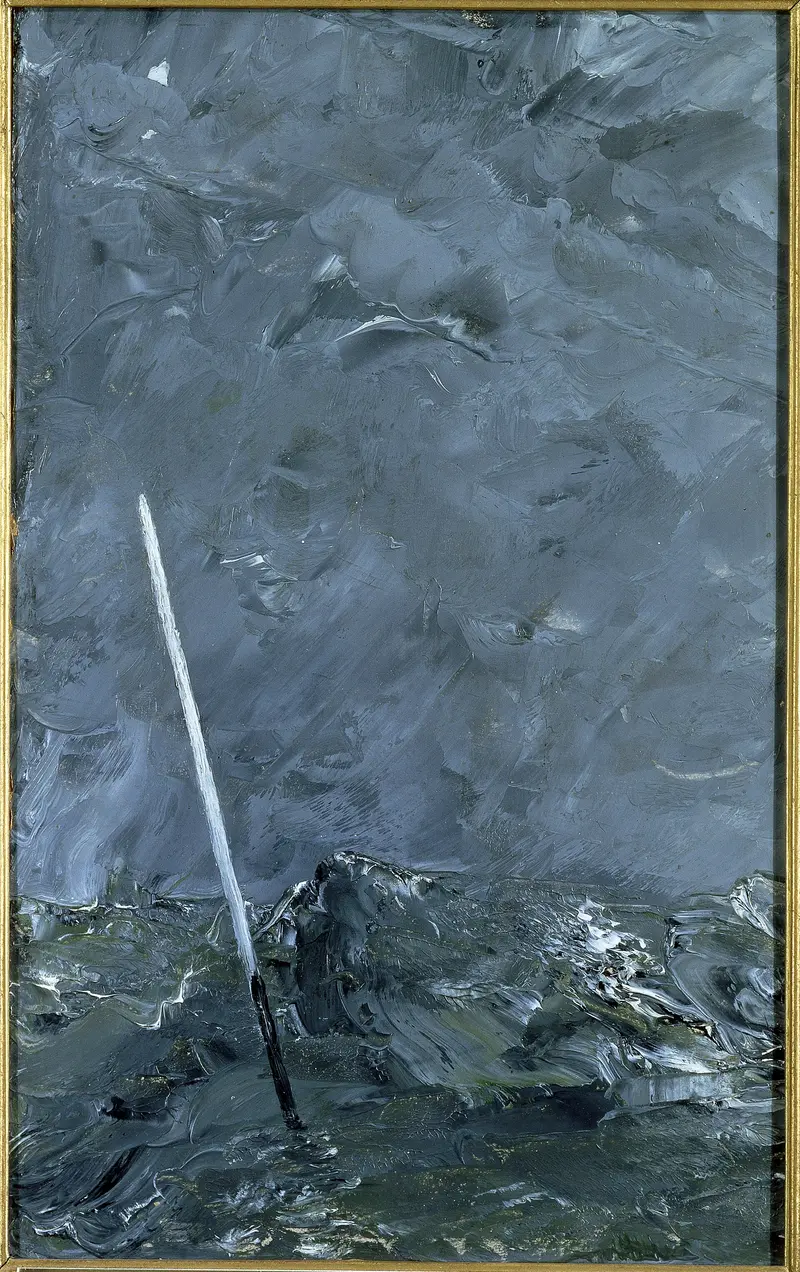
Stormy Sea. Buoy without Top Mark
August Strindberg
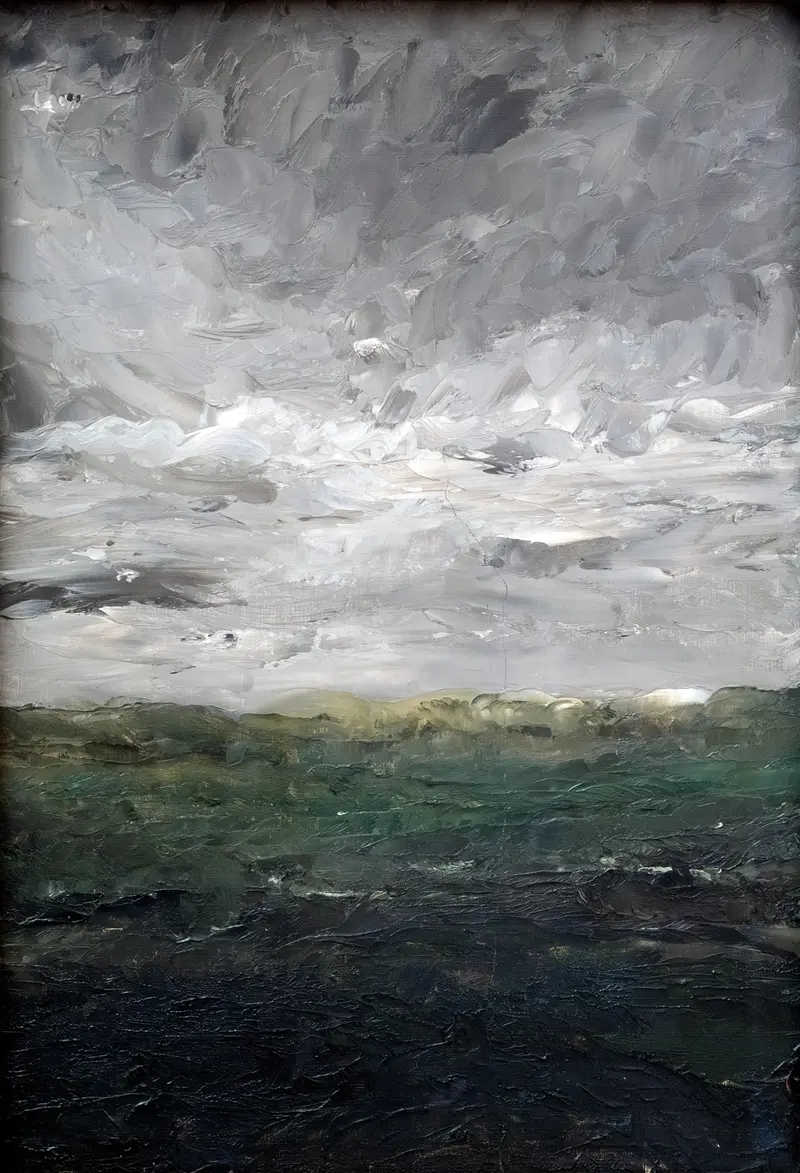
Landscape Study The Heath
August Strindberg
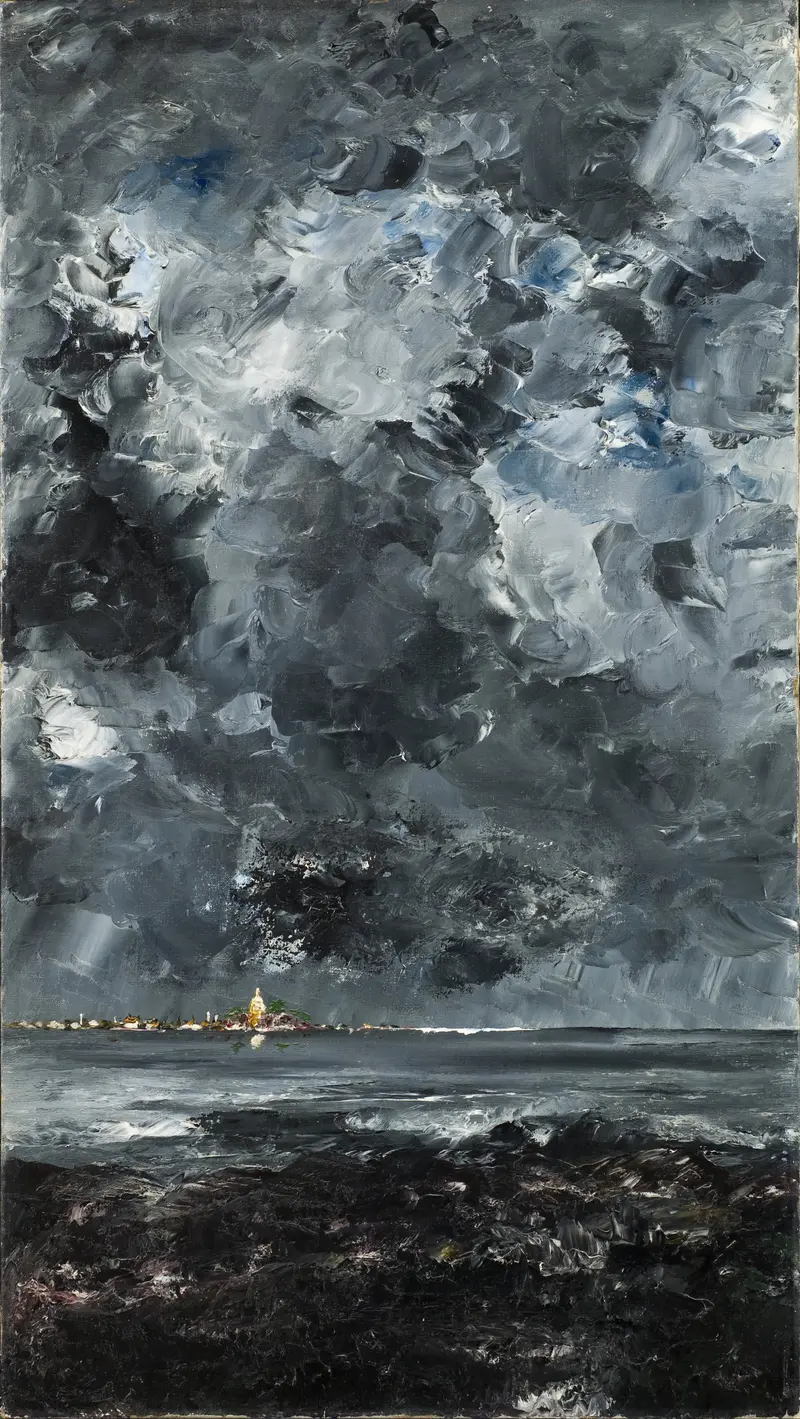
The Town
August Strindberg
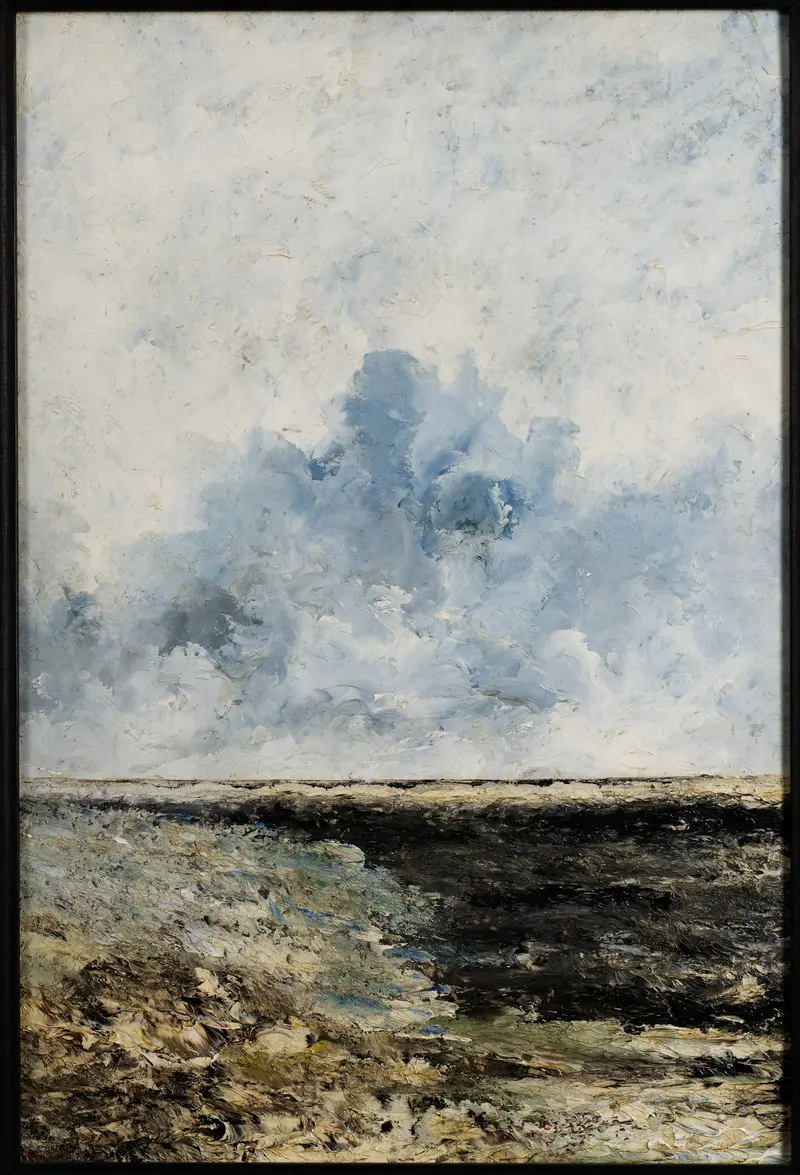
Seascape
August Strindberg

Coastal Landscape
August Strindberg
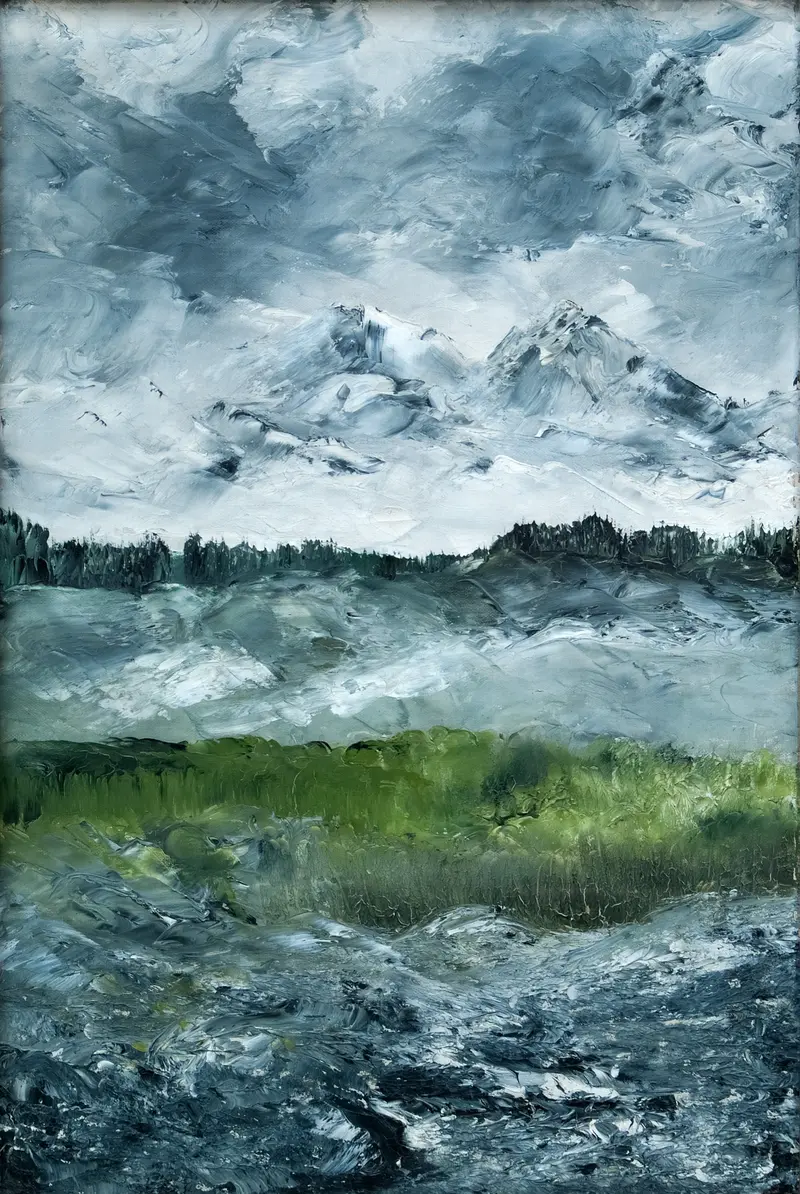
Landscape Study
August Strindberg
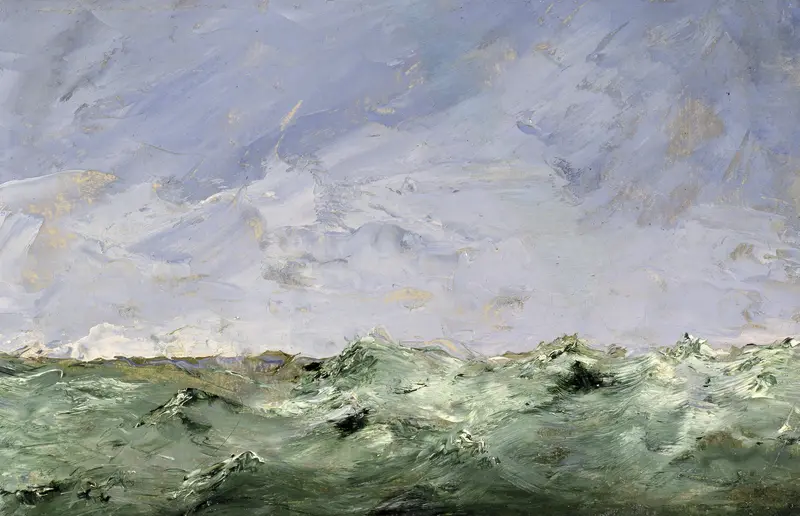
Little Water. Dalarö
August Strindberg
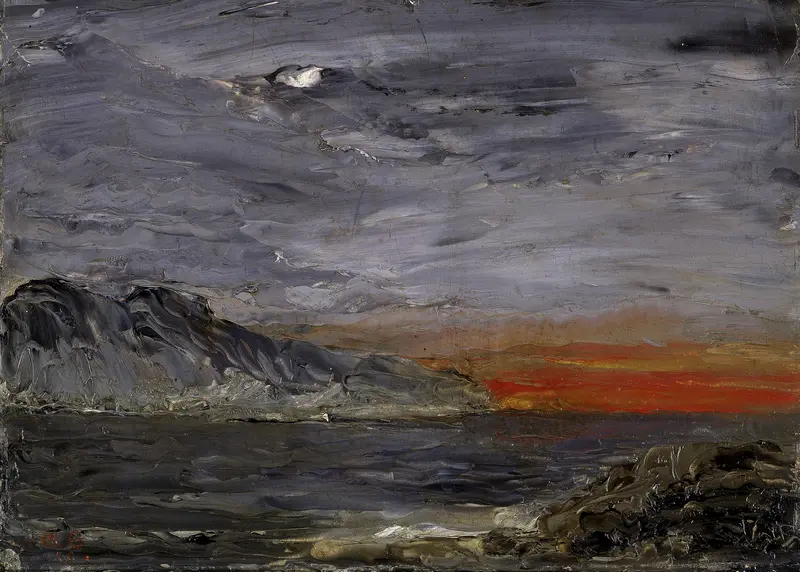
Sunset
August Strindberg
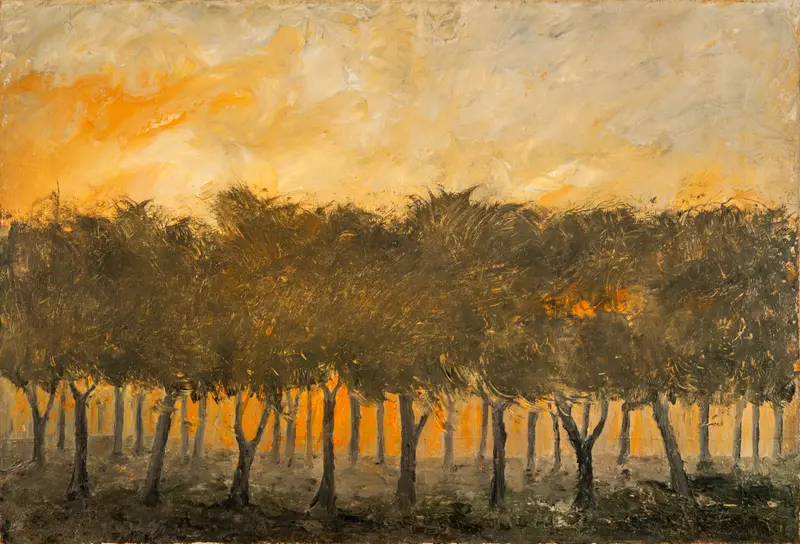
The Garden of Rosendal II
August Strindberg
Pack ice on the beach
August Strindberg





