
Marin’s Oak — History & Facts
Who listens when art speaks of silence? In Marin’s Oak, the stillness resonates with an eloquence that transcends mere words, inviting viewers into a contemplative embrace of nature's majesty. Focus on the gentle curve of the oak’s branches, sprawling gracefully across the canvas, their intricate patterns revealing the wisdom of time. Notice the interplay of light and shadow that Haskell masterfully captures; the sun filtering through the leaves creates a dappled effect on the ground below, while the rich greens and soft browns evoke both warmth and tranquility. It is as if the tree itself breathes, embodying serenity and strength. Hidden within this serene landscape lies a poignant contrast between the stability of the oak and the ephemeral light that surrounds it.
The tree stands as a steadfast sentinel, a witness to the passage of time and the unspoken stories of the land. Meanwhile, the delicate caress of light brings forth a moment of fleeting beauty, suggestive of life's transience. Each detail—every leaf, every shadow—invites us to reflect on nature's enduring presence amidst the fleeting moments of existence. In 1923, Haskell painted this piece during a period of significant change in the art world, characterized by a shift towards modernism and a growing appreciation for the nuances of the American landscape.
As he explored the rural beauty of Marin County, California, the artist found inspiration in the natural world, chronicling its quiet power against the backdrop of an evolving artistic landscape.
More Artworks by Ernest Haskell
Browse all →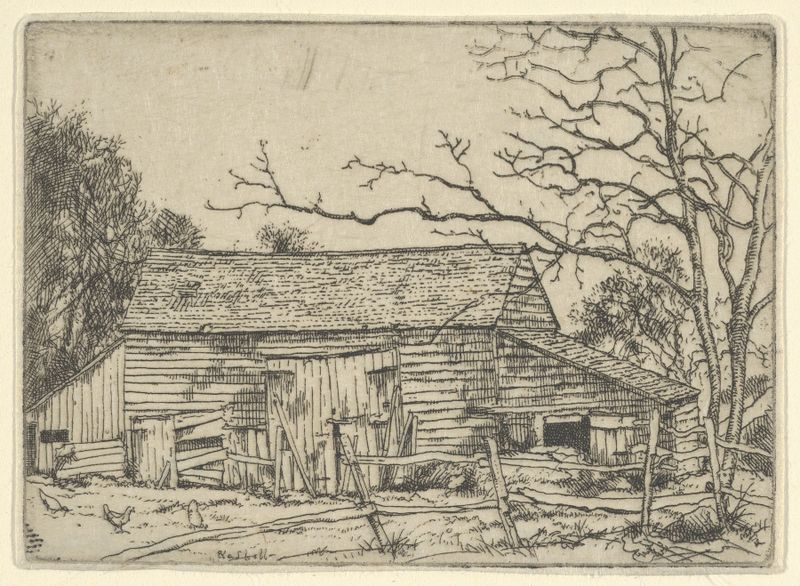
The Barn–Staten Island, N.Y.
Ernest Haskell

Four Live Oaks
Ernest Haskell
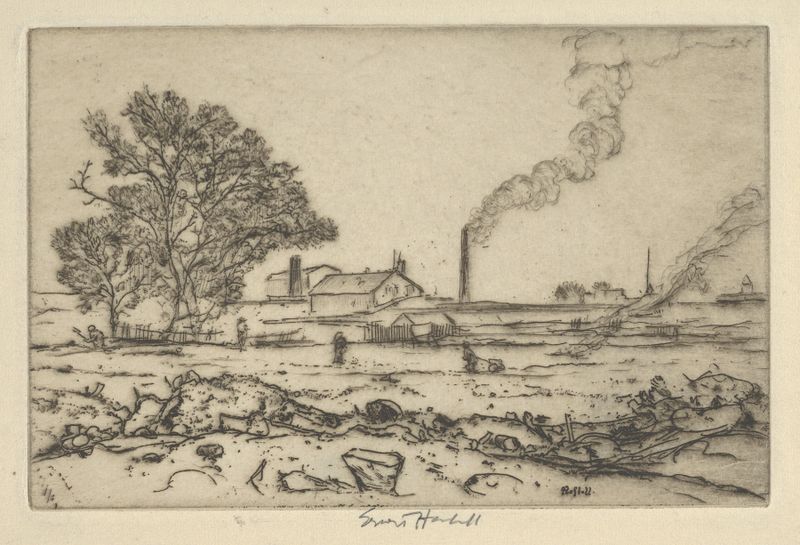
Outskirts of Boston
Ernest Haskell
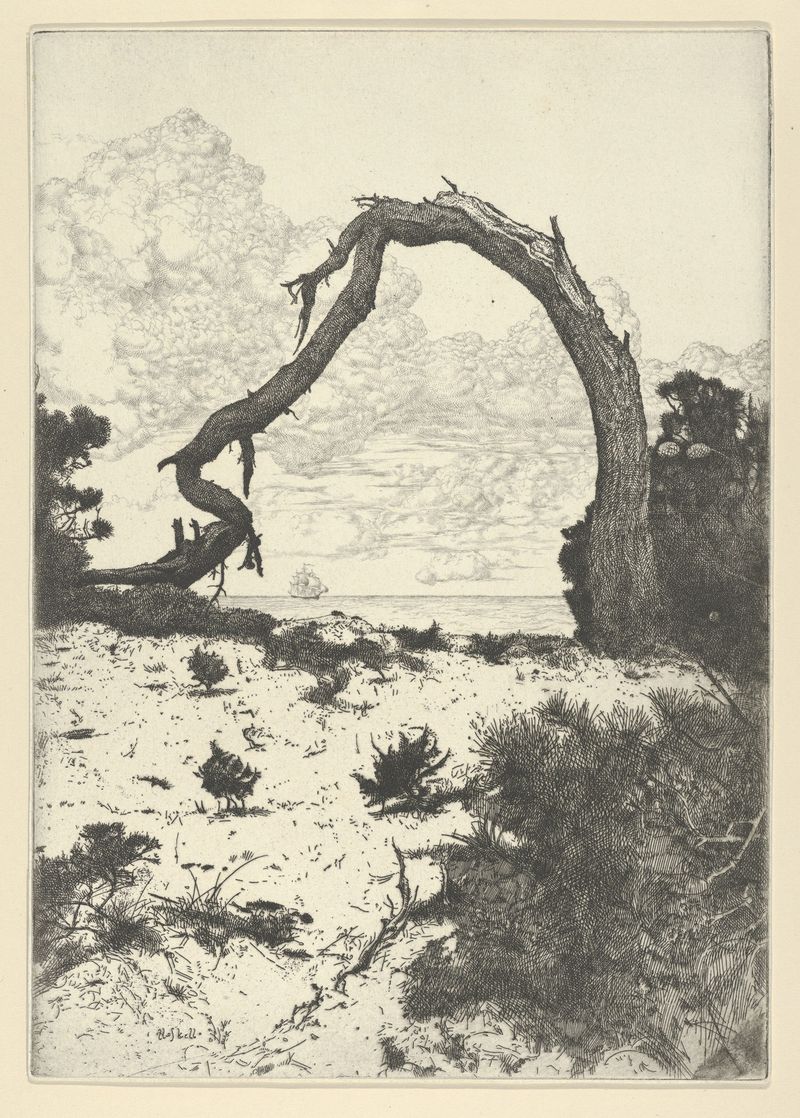
Pine Arch
Ernest Haskell

General Sherman
Ernest Haskell
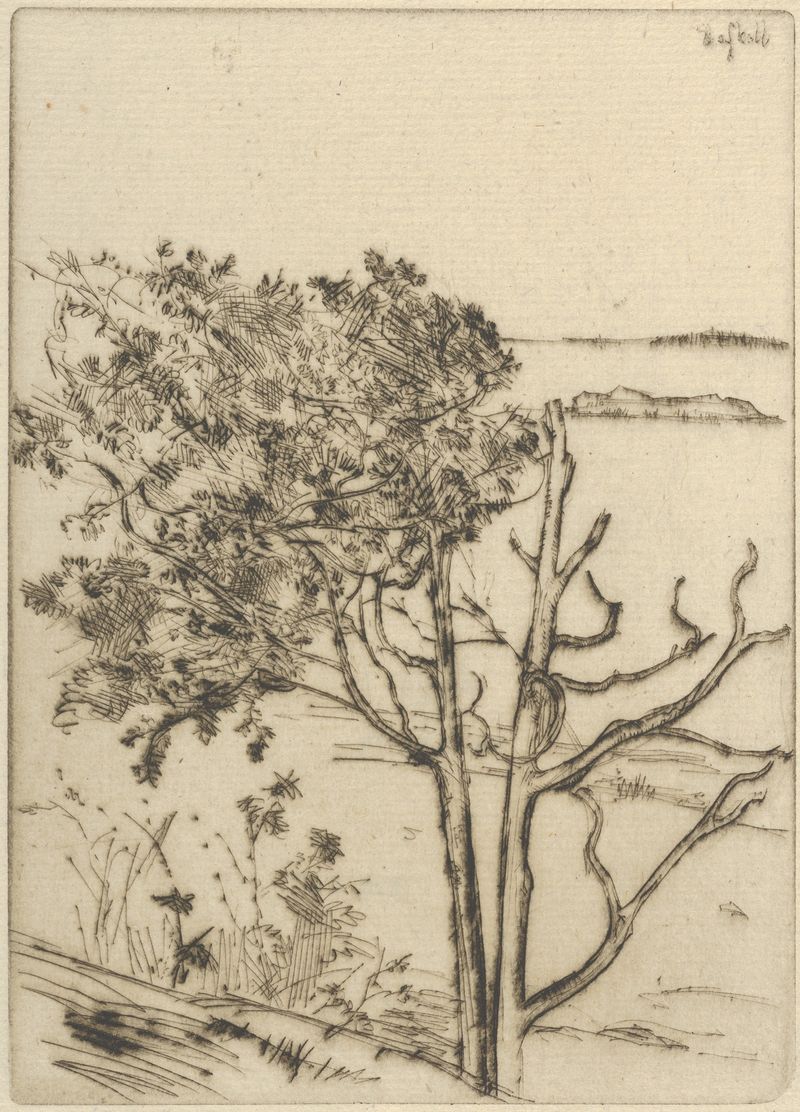
Ragged Tree – Maine
Ernest Haskell

Tide Mill
Ernest Haskell

Ship Building
Ernest Haskell
To the Southward – Ragged Island, Me.
Ernest Haskell
Long Island Marshes
Ernest Haskell





