
Marketplace in Bukhara. From the journey to Turkestan — History & Facts
Can beauty exist without sorrow? In Marketplace in Bukhara, that question lingers like a soft echo through the vibrant tapestry of life captured on canvas. The bustling market is a vivid reminder of human fragility, where joy intertwines with the shadows of hardship. Look to the left at the array of merchants—each figure elegantly draped in flowing fabrics, their faces animated with purpose. The intricate patterns of the textiles draw the eye, inviting you to trace the delicate lines that suggest both craftsmanship and cultural heritage.
Notice how the sunlight dances upon the canvas, illuminating the warm earth tones that breathe life into the scene. The composition skillfully directs the viewer’s gaze across the marketplace, enveloping them in the richness of a shared human experience. Beneath the surface, a profound tension simmers. The age-old dance between prosperity and struggle is present in the juxtaposition of vibrant stalls against the backdrop of a weathered city.
Each person represents a story, a life woven into the fabric of history, carrying the weight of their circumstances. The ethereal beauty of the moment conceals the fragility of existence, echoing the transient nature of both joy and sorrow. In 1912, Jan Ciągliński created this work amidst the artistic fervor of early 20th-century Europe, where a fascination with non-Western cultures was burgeoning. Having traveled to Turkestan, he immersed himself in the vibrant life of Bukhara, seeking to bridge cultural divides through his art.
This period was marked by a growing appreciation for diverse perspectives, as artists sought to expand their horizons and explore the world beyond their immediate surroundings.
More Artworks by Jan Ciągliński
Browse all →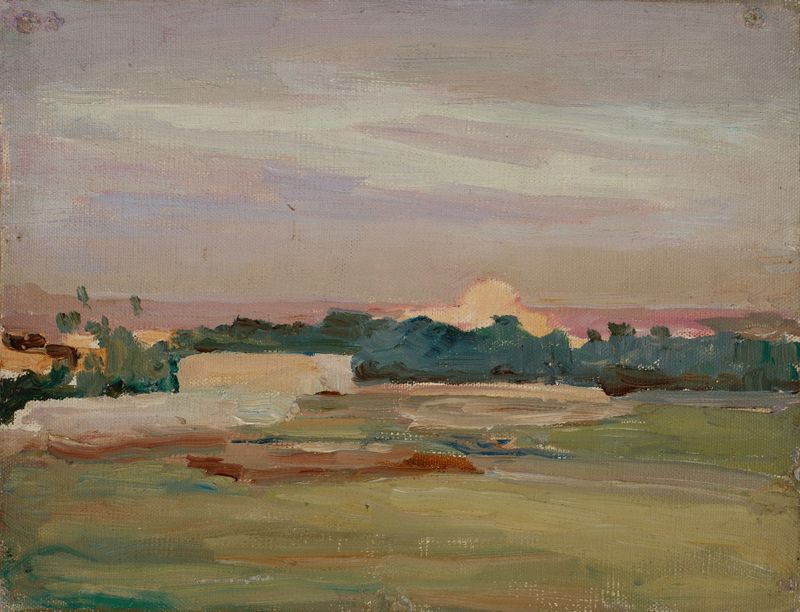
The Sirocco
Jan Ciągliński
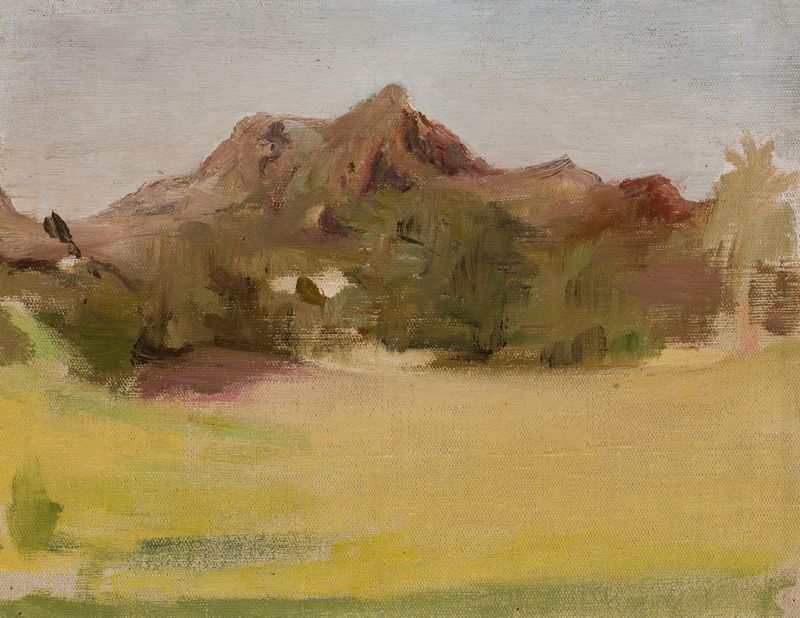
Mountain landscape. From the journey to India
Jan Ciągliński
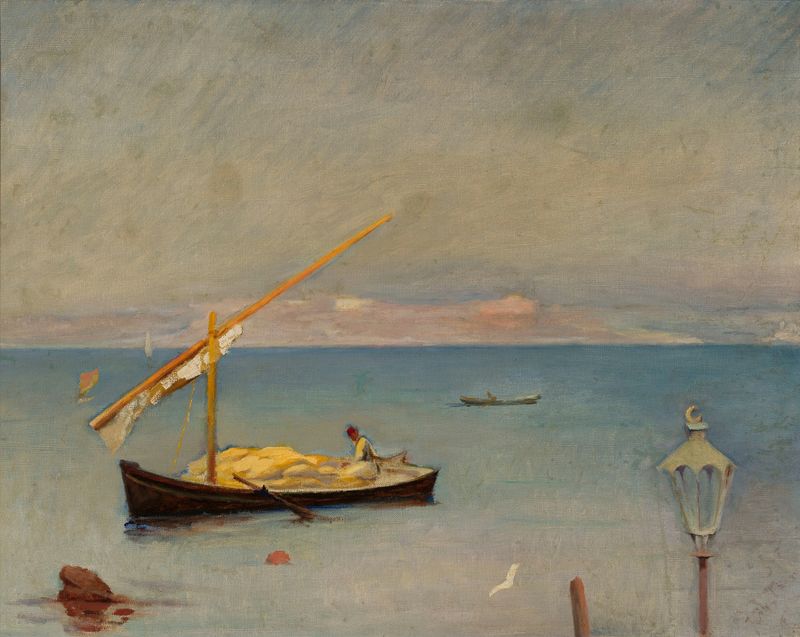
At Bosporus
Jan Ciągliński
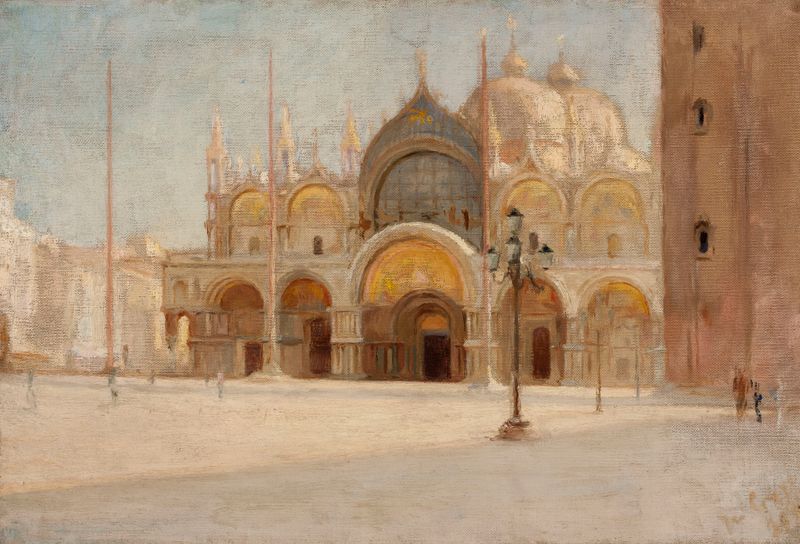
St Mark’s Square in Venice
Jan Ciągliński
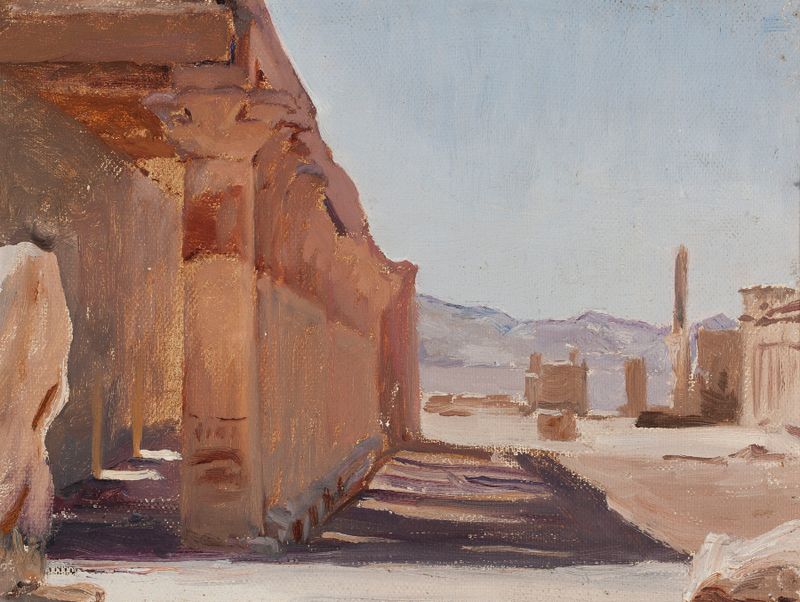
Temple. From the journey to Egypt
Jan Ciągliński
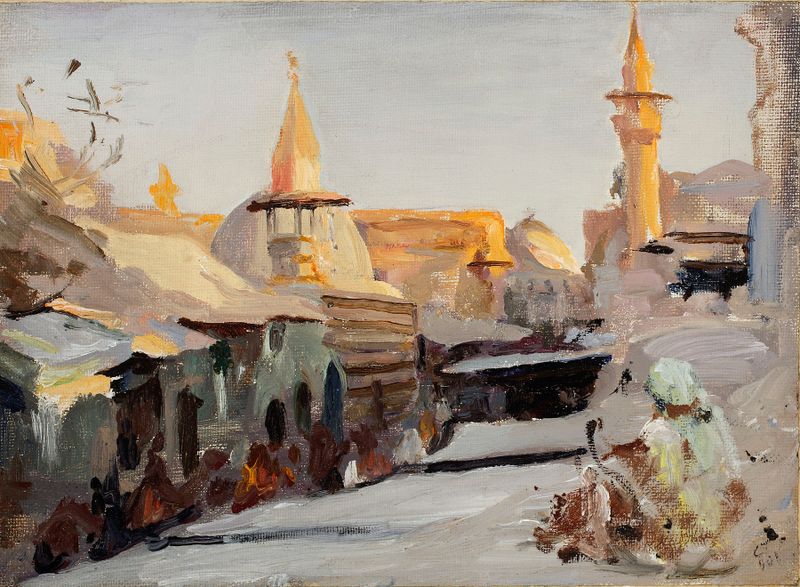
Street in Damascus. From the journey to Palestine
Jan Ciągliński
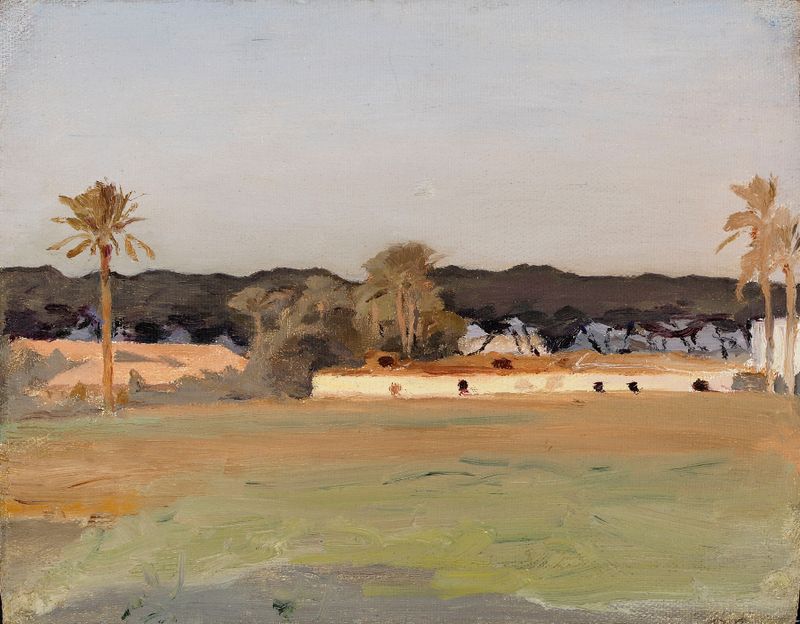
Evening. From the journey to Egypt
Jan Ciągliński
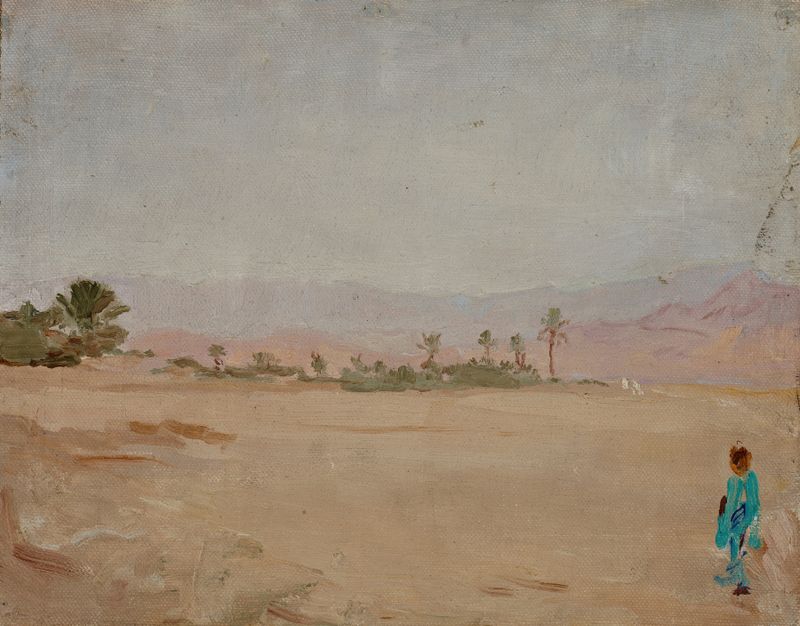
Sahara (Desert)
Jan Ciągliński
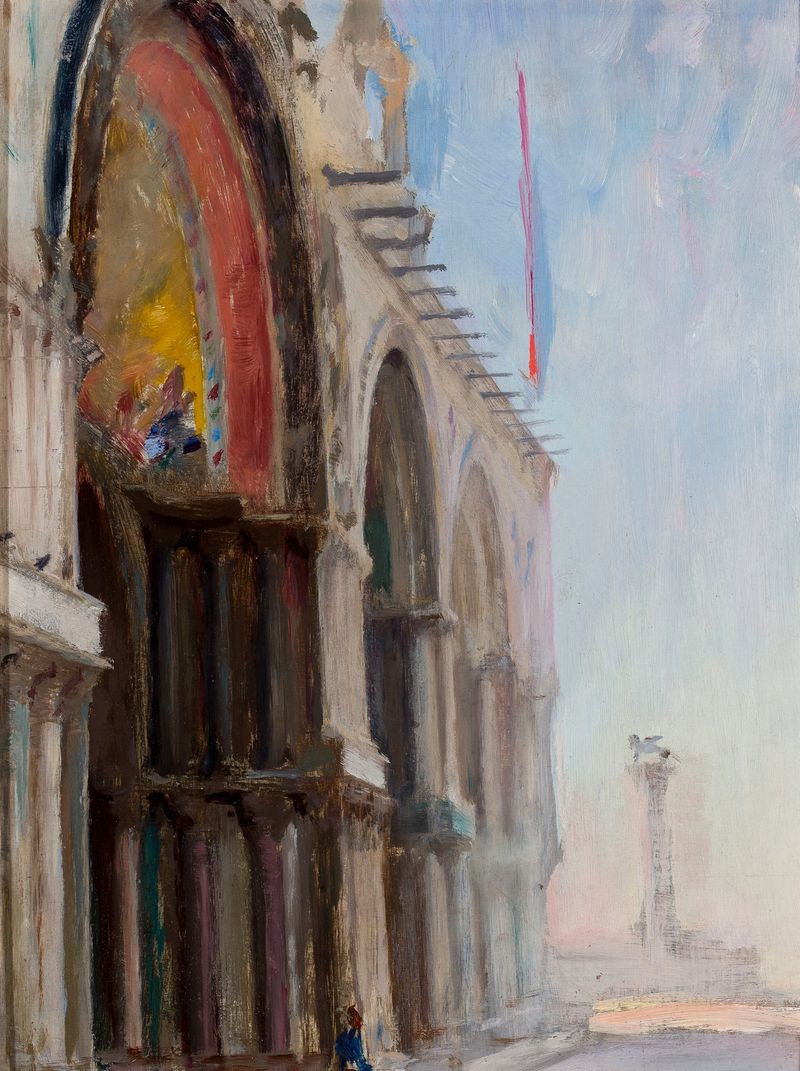
Venice – San Marco. From the journey to Italy
Jan Ciągliński
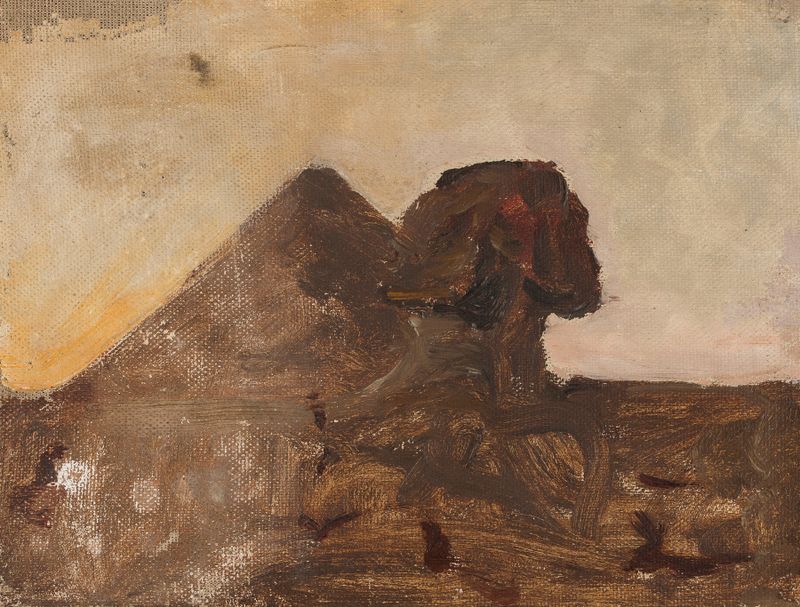
Evening in the desert – Sphinx and pyramid. From the journey to Egypt
Jan Ciągliński





