
Martelaarschap van Heilige Erasmus — History & Facts
Can paint confess what words never could? In Martelaarschap van Heilige Erasmus, the essence of obsession emerges, echoing through the colors and figures that inhabit the canvas. Look to the center, where the saint is depicted in the throes of his martyrdom. His anguished expression contrasts starkly with the calm faces surrounding him, creating a palpable tension that draws the viewer in. The rich, deep reds of the blood and the golden hues of the clothing interplay with the starkness of the pale skin, illuminating the horrific beauty of the scene.
Notice how the light cascades upon the figures, highlighting not only their expressions but also the intricate details of their garments, each thread woven with the weight of history and belief. Yet, amidst this portrayal of suffering, there are nuances that stir deeper reflections. The juxtaposition of Erasmus' torment with the serene demeanor of his observers speaks to the complexity of faith and sacrifice. Each figure, whether in mourning or indifference, embodies a different response to suffering—some are drawn closer, while others maintain a distant reverence.
This emotional spectrum invites contemplation on the human condition, urging us to confront our own convictions and fears about mortality and devotion. Cranach painted this work in 1506 during a period marked by religious upheaval and the rise of Protestantism. Living in Wittenberg, he was deeply engaged with the cultural and theological transformations of his time. The painting reflects not just the artist's personal beliefs but also the broader dialogue surrounding faith, martyrdom, and the power of visual storytelling in an era ripe for change.
More Artworks by Lucas Cranach (I)
Browse all →
Oordeel van Paris
Lucas Cranach (I)
Portret van Martin Luther als Augustijner monnik
Lucas Cranach (I)
Verzoeking van Antonius met aanval door demonen
Lucas Cranach (I)

Christus en de Samaritaanse vrouw
Lucas Cranach (I)

Duits toernooi met twee edelmannen als ridders te paard
Lucas Cranach (I)
Reliekhouder met de verzoeking van Adam en Eva
Lucas Cranach (I)

Intocht van Christus in Jerusalem
Lucas Cranach (I)
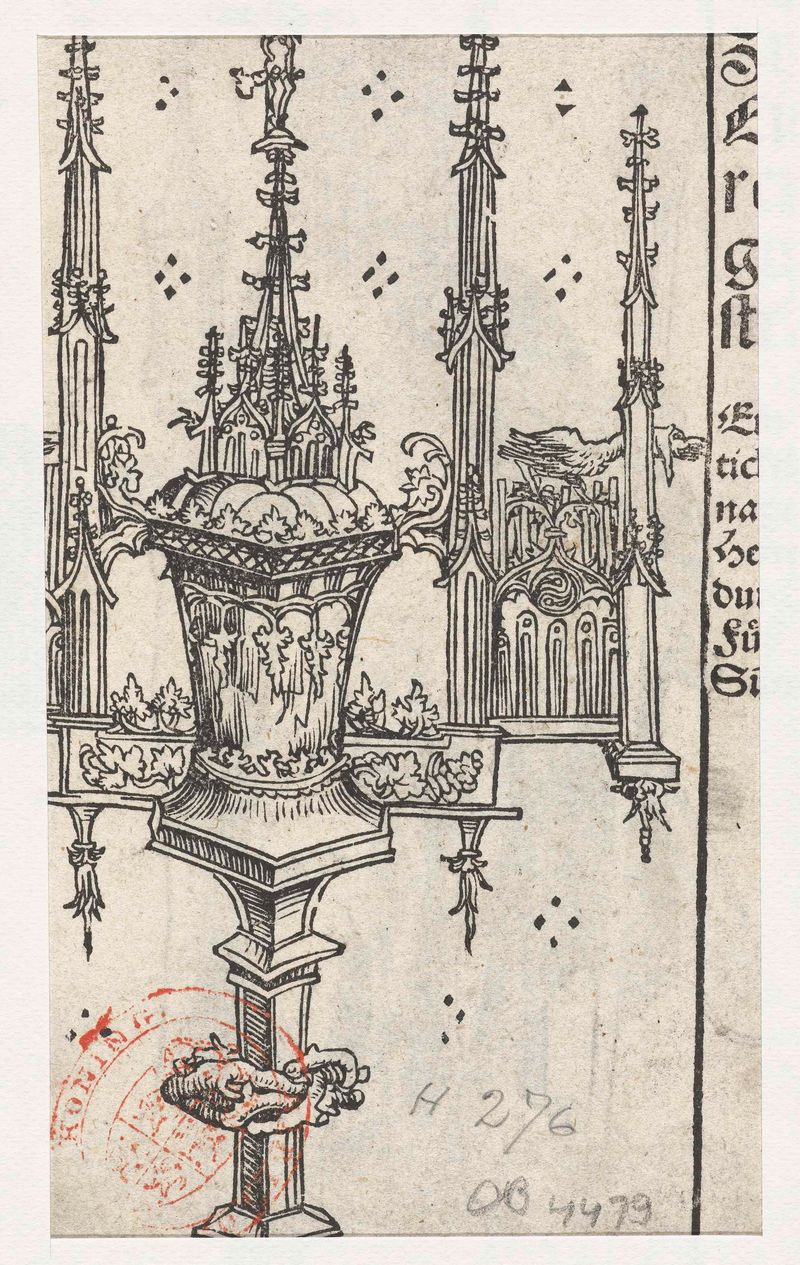
Monstrans met vogel (pelikaan)
Lucas Cranach (I)
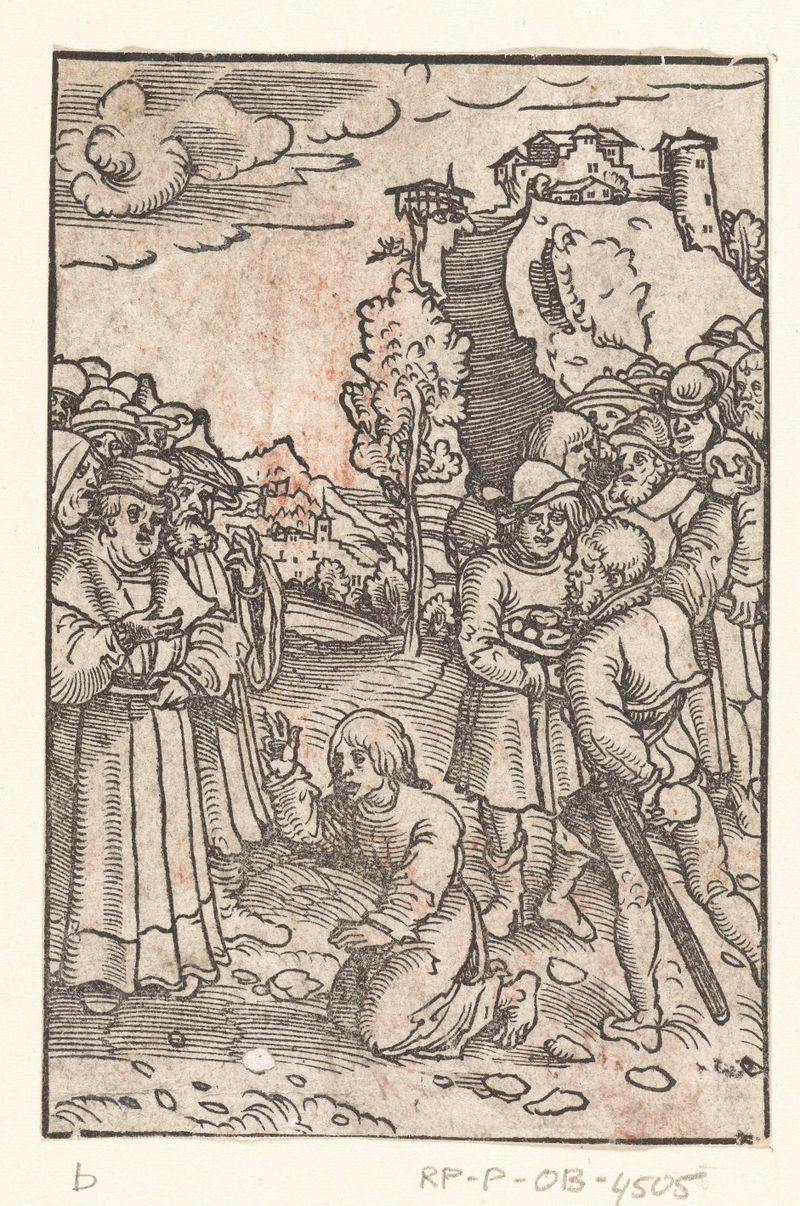
Steniging van Stefanus
Lucas Cranach (I)
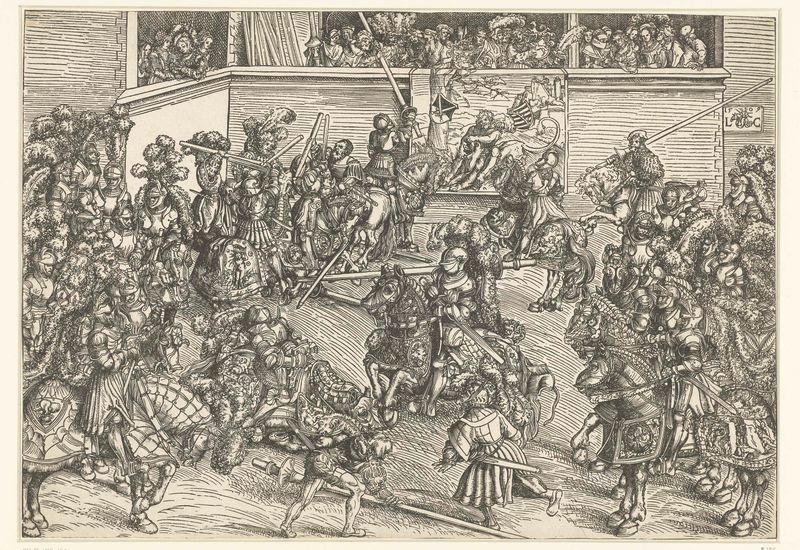
Toernooi van het keurvorstelijk hof van Saksen met wandtapijt Simson doodt de leeuw
Lucas Cranach (I)
More Religious Art
Browse all →
The Return of the Prodigal Son
Rembrandt van Rijn

The Garden of Earthly Delights
El Bosco

Count Orgaz’ funeral
El Greco

The Hundred Guilder Print: the central piece with Christ preaching, the plate arched
Rembrandt van Rijn

The Descent from the Cross
Rogier van der Weyden

The return of the prodigal son
Rembrandt van Rijn