
Marteldood van Andreas aan het kruis — History & Facts
In this poignant tableau, faith intertwines with despair, revealing the depths of human experience in moments of suffering and sacrifice. Look to the center of the composition, where Andreas hangs, crucified against a backdrop of muted earth tones. His body, contorted yet graceful, is dominated by shades of deep crimson and somber browns, drawing the eye to the stark contrast of his pale skin. Notice how the light, entering from an unseen source, bathes his face in a haunting glow, emphasizing the serenity of his expression amidst the brutality of his fate.
The deliberate choice of color enhances the emotional weight, inviting a visceral reaction from the viewer. Beyond the immediate tragedy, this piece whispers of endurance and conviction. The tension arises not just from the physical agony of Andreas, but from the spectators who linger in the shadows, their faces obscured—each one a silent witness to his martyrdom, representing the weight of collective belief. The anguish of one becomes a reflection of many, suggesting a profound commentary on the nature of faith, sacrifice, and redemption.
The juxtaposition of Andreas’s tranquility against the darkened figures evokes a sense of isolation, yet also unity in shared grief. Created between 1510 and 1514, this work emerged during a tumultuous time in Europe, marked by the Reformation and a shifting landscape of religious belief. Lucas Cranach (I), a key figure in the Northern Renaissance, utilized his artistry to navigate these complex themes, blending the sacred and the political. His commitment to highlighting the spiritual struggles of humanity resonates throughout his oeuvre, making his depictions timeless reflections on faith and suffering.
More Artworks by Lucas Cranach (I)
Browse all →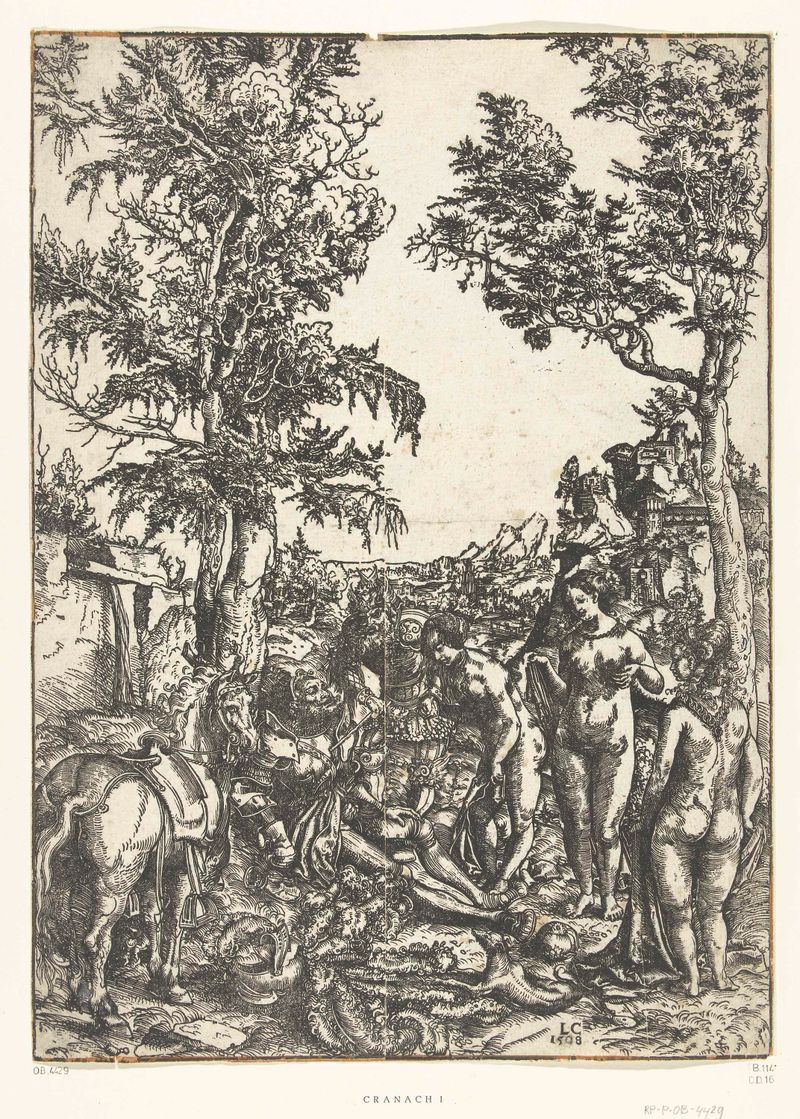
Oordeel van Paris
Lucas Cranach (I)
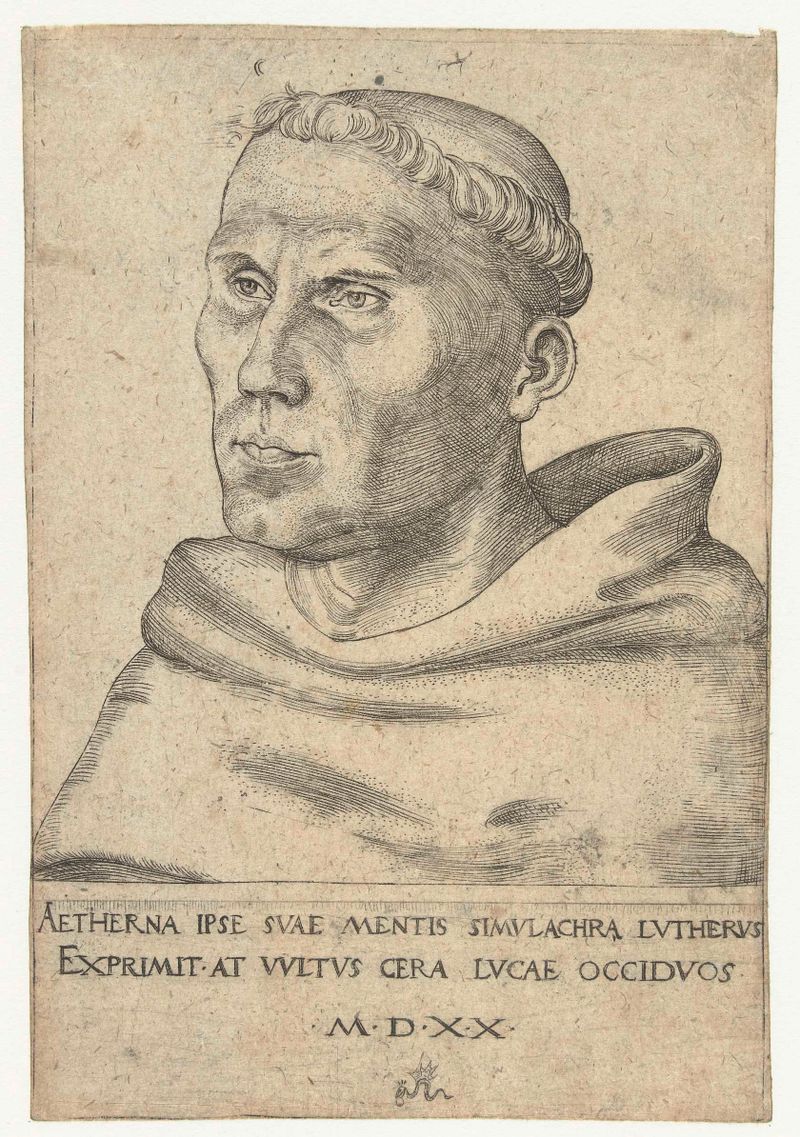
Portret van Martin Luther als Augustijner monnik
Lucas Cranach (I)
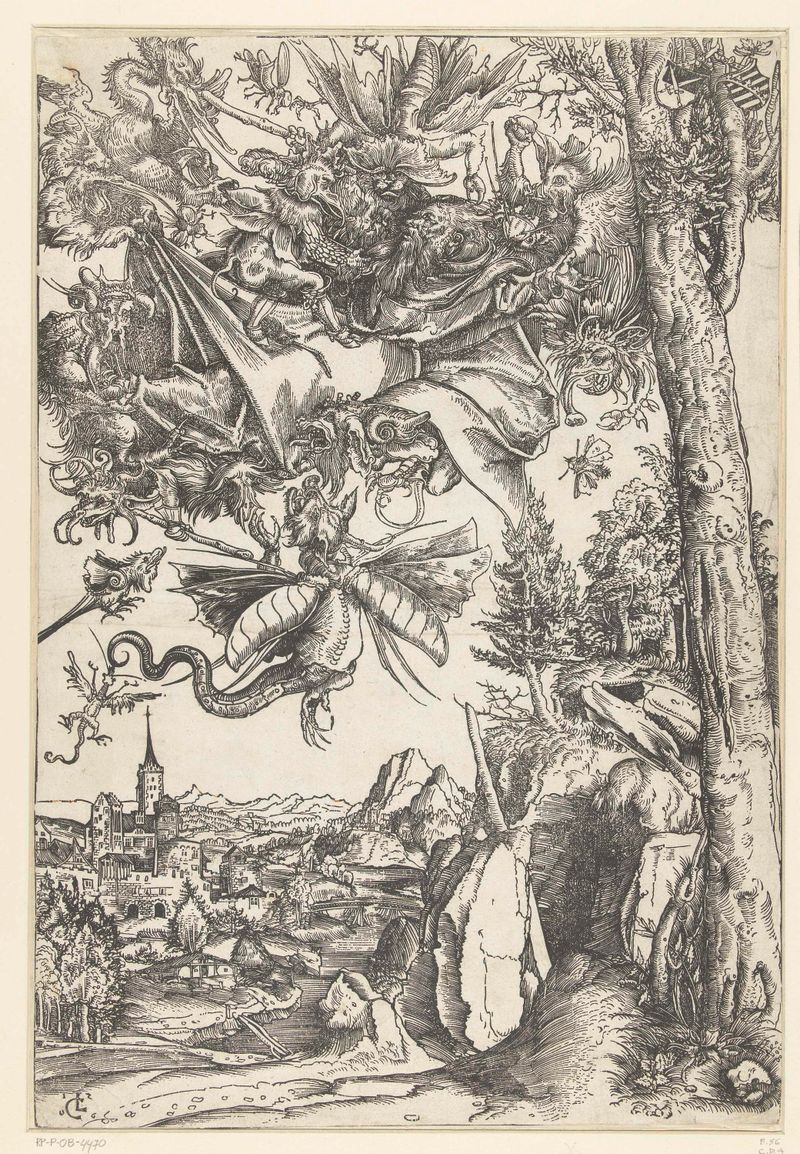
Verzoeking van Antonius met aanval door demonen
Lucas Cranach (I)

Christus en de Samaritaanse vrouw
Lucas Cranach (I)

Duits toernooi met twee edelmannen als ridders te paard
Lucas Cranach (I)
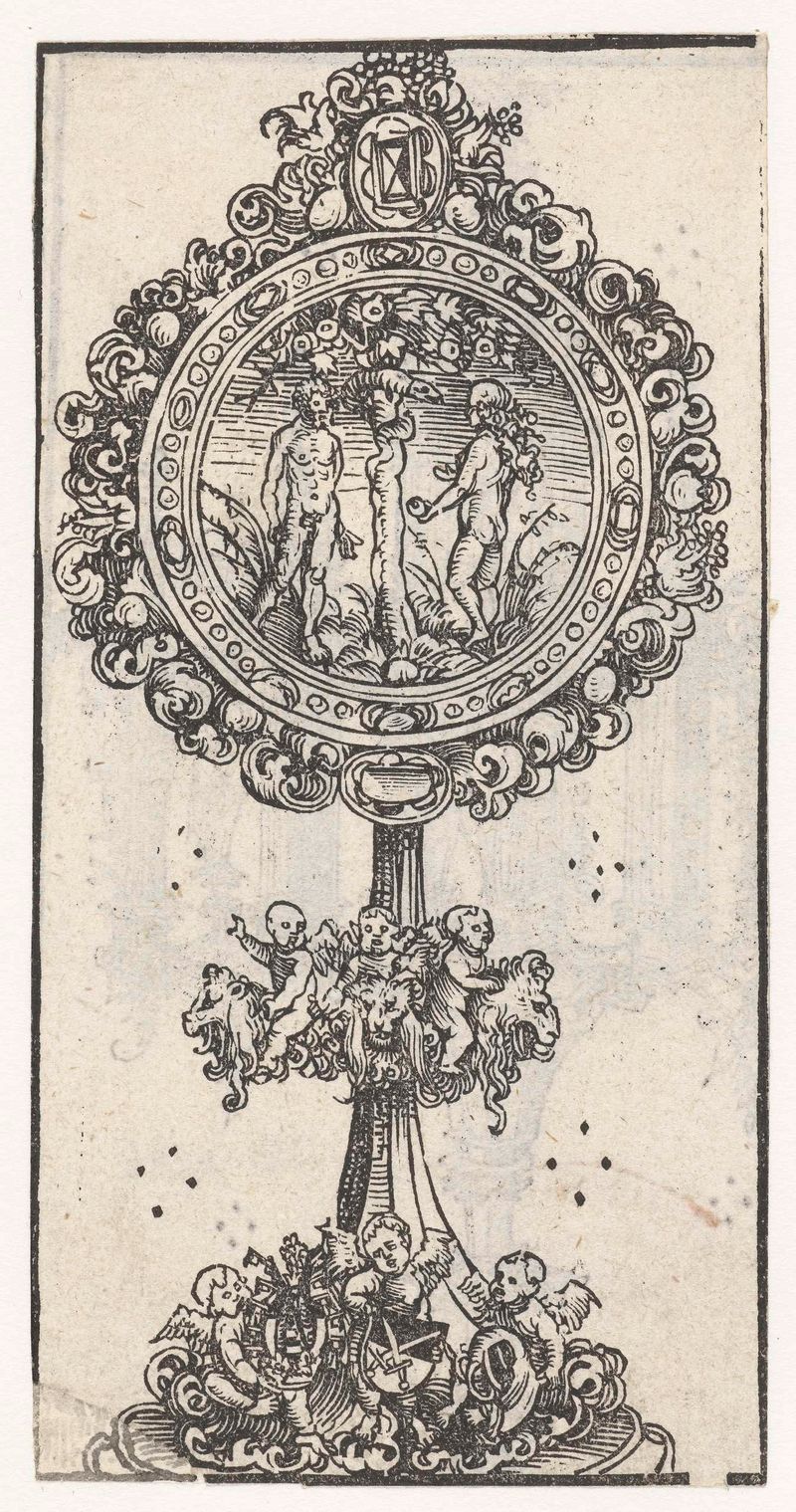
Reliekhouder met de verzoeking van Adam en Eva
Lucas Cranach (I)

Intocht van Christus in Jerusalem
Lucas Cranach (I)
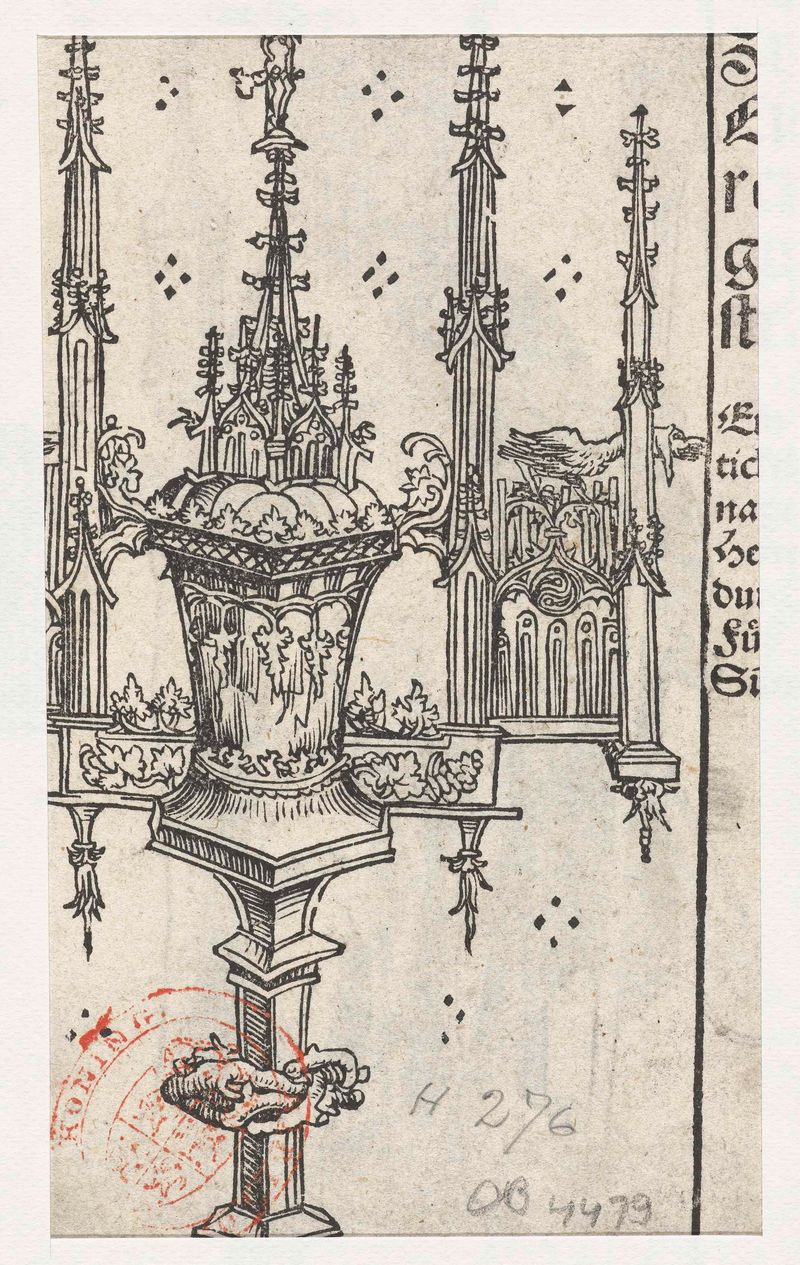
Monstrans met vogel (pelikaan)
Lucas Cranach (I)
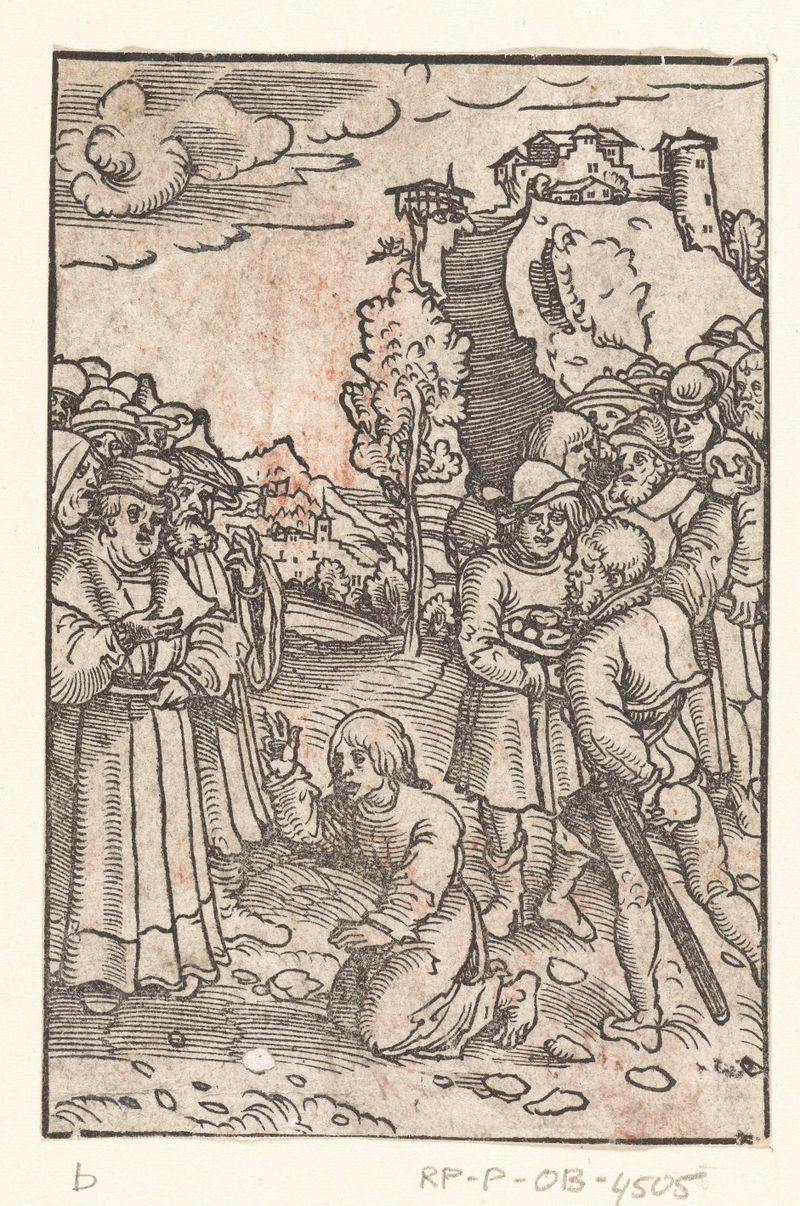
Steniging van Stefanus
Lucas Cranach (I)
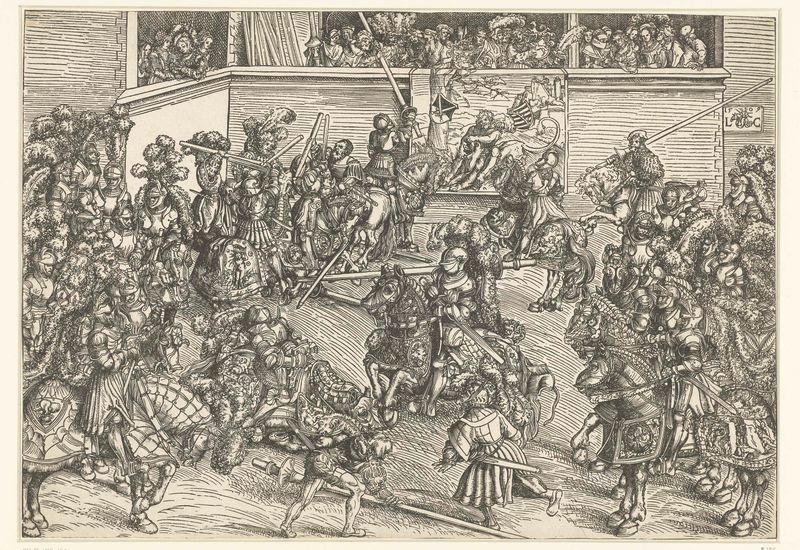
Toernooi van het keurvorstelijk hof van Saksen met wandtapijt Simson doodt de leeuw
Lucas Cranach (I)
More Religious Art
Browse all →
The Return of the Prodigal Son
Rembrandt van Rijn

The Garden of Earthly Delights
El Bosco

Count Orgaz’ funeral
El Greco

The Hundred Guilder Print: the central piece with Christ preaching, the plate arched
Rembrandt van Rijn

The Descent from the Cross
Rogier van der Weyden

The return of the prodigal son
Rembrandt van Rijn