
Marteldood van Bartolomeüs als hij levend wordt gevild — History & Facts
Can paint confess what words never could? In a frozen moment, Marteldood van Bartolomeüs als hij levend wordt gevild powerfully evokes a visceral longing, intertwining suffering and transcendence in its masterful strokes. Begin by examining the central figure: Bartolomeüs, whose body is taut with agony, is the focal point of this harrowing scene. Look closely at the deep crimson of the blood, a stark contrast against the paler hues of the background. Notice how the artist uses shadows to accentuate the muscles and contours of the tortured body, drawing your eye to the extreme tension of his expression.
The surrounding figures, equally caught in this grim tableau, create a palpable sense of unease, as if the air itself is thick with dread. Beneath the surface lies a meditation on faith and martyrdom. The gruesome act of flaying becomes a metaphor for spiritual rebirth, where flesh is sacrificed for a higher truth. The muted earth tones invoke the somber reality of the scene, yet the slight warmth in the palette hints at the humanity beneath the violence.
The upper figures, witnessing this atrocity, embody the conflicting emotions of horror and reverence, each face telling a story of its own, contributing to the painting's intricate emotional landscape. Created between 1510 and 1514, this work emerged during Cranach’s time in Wittenberg, a hub of the Reformation. As religious tensions simmered across Europe, the artist’s exploration of martyrdom resonated deeply, reflecting both his engagement with contemporary matters of faith and the visual language of his era. The piece stands as a testament to the stark realities of belief, captured in a moment of profound distress.
More Artworks by Lucas Cranach (I)
Browse all →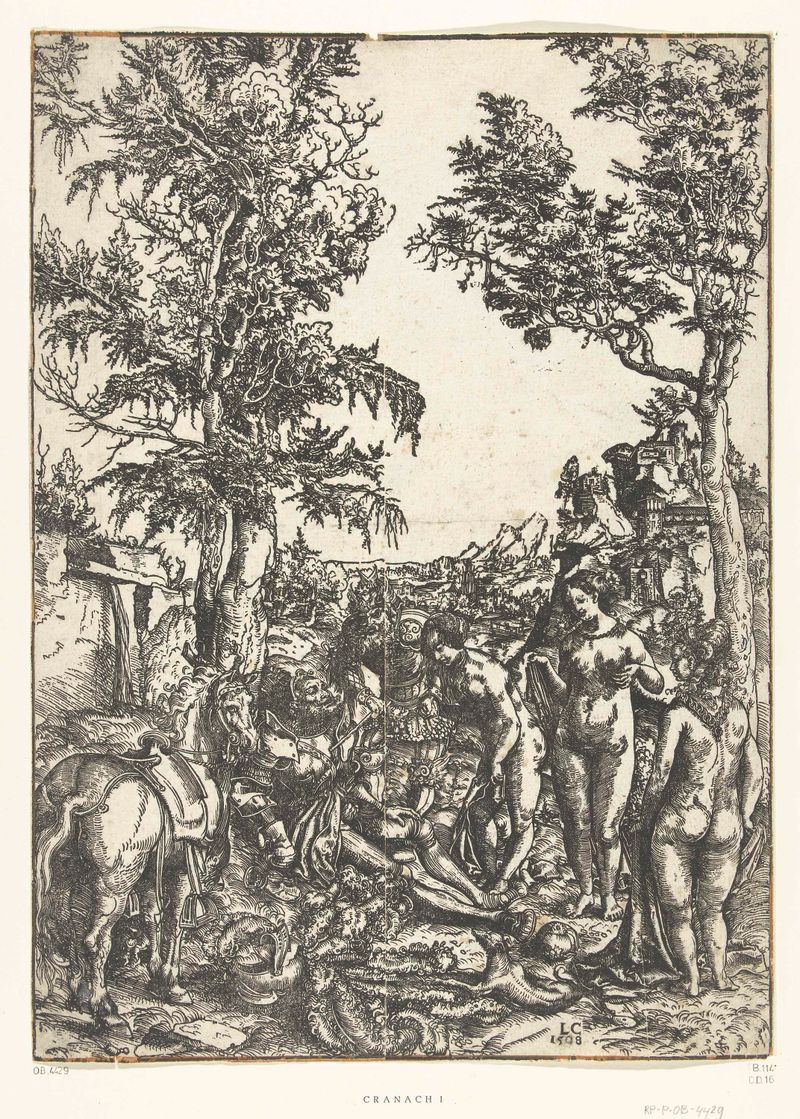
Oordeel van Paris
Lucas Cranach (I)
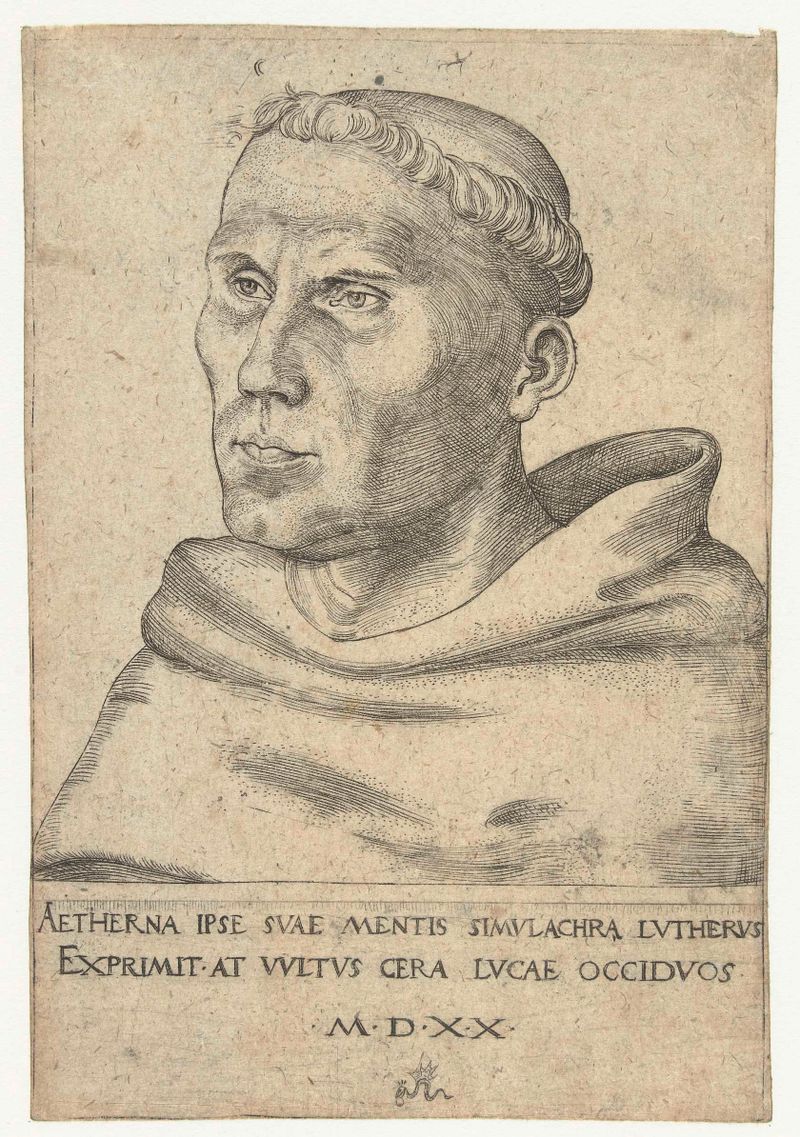
Portret van Martin Luther als Augustijner monnik
Lucas Cranach (I)
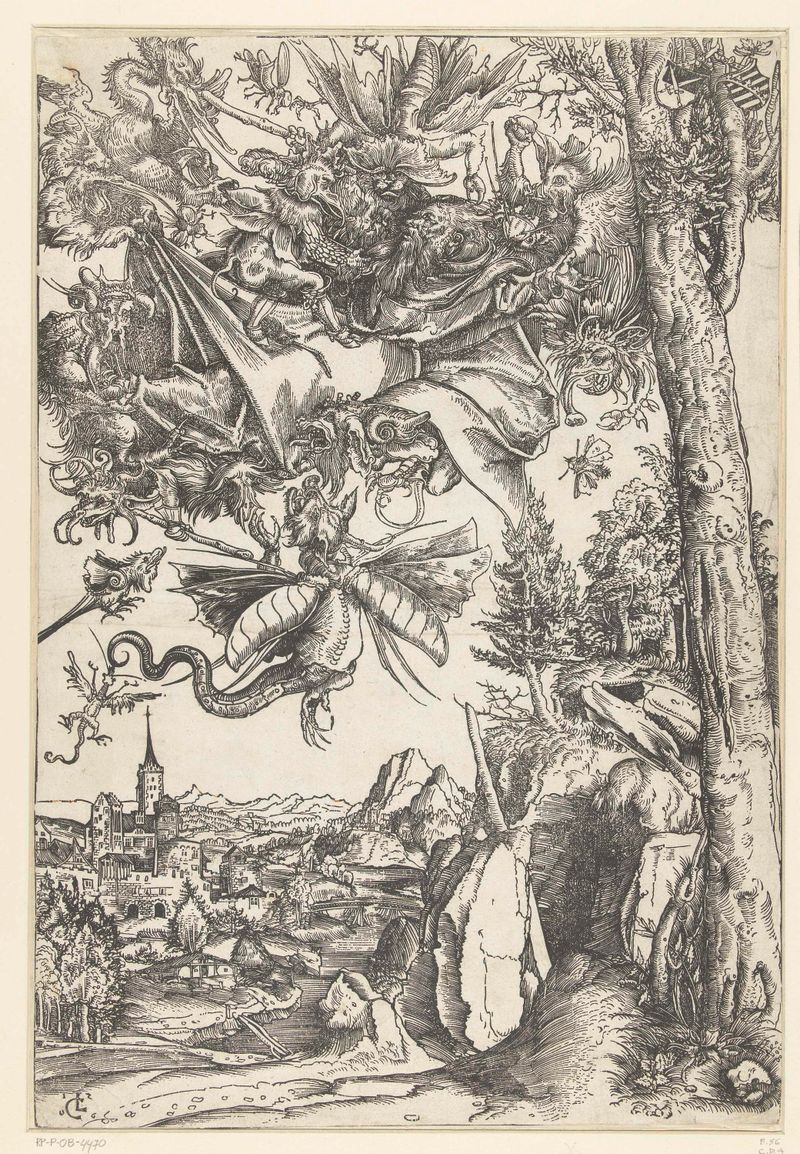
Verzoeking van Antonius met aanval door demonen
Lucas Cranach (I)

Christus en de Samaritaanse vrouw
Lucas Cranach (I)

Duits toernooi met twee edelmannen als ridders te paard
Lucas Cranach (I)
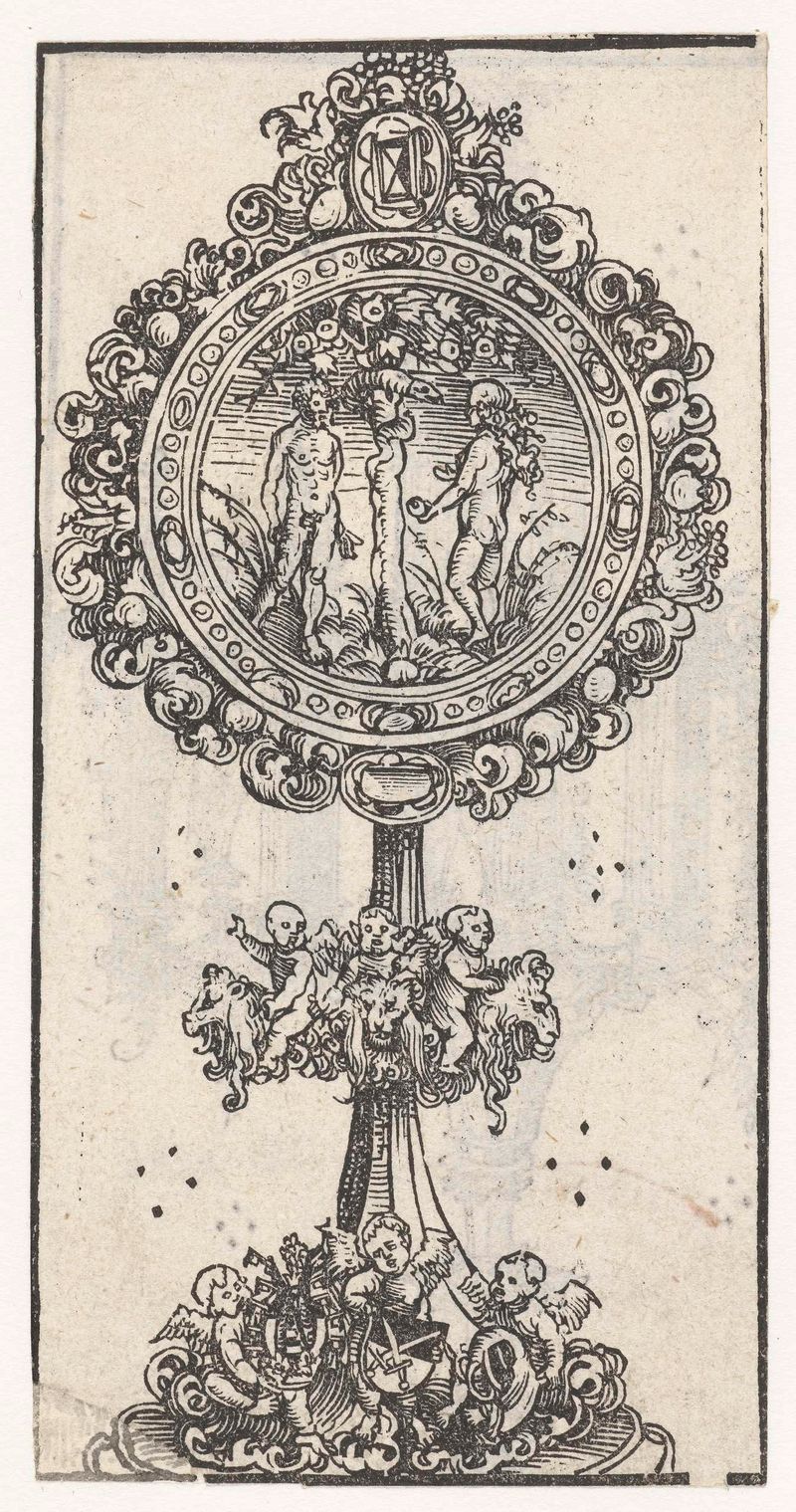
Reliekhouder met de verzoeking van Adam en Eva
Lucas Cranach (I)

Intocht van Christus in Jerusalem
Lucas Cranach (I)
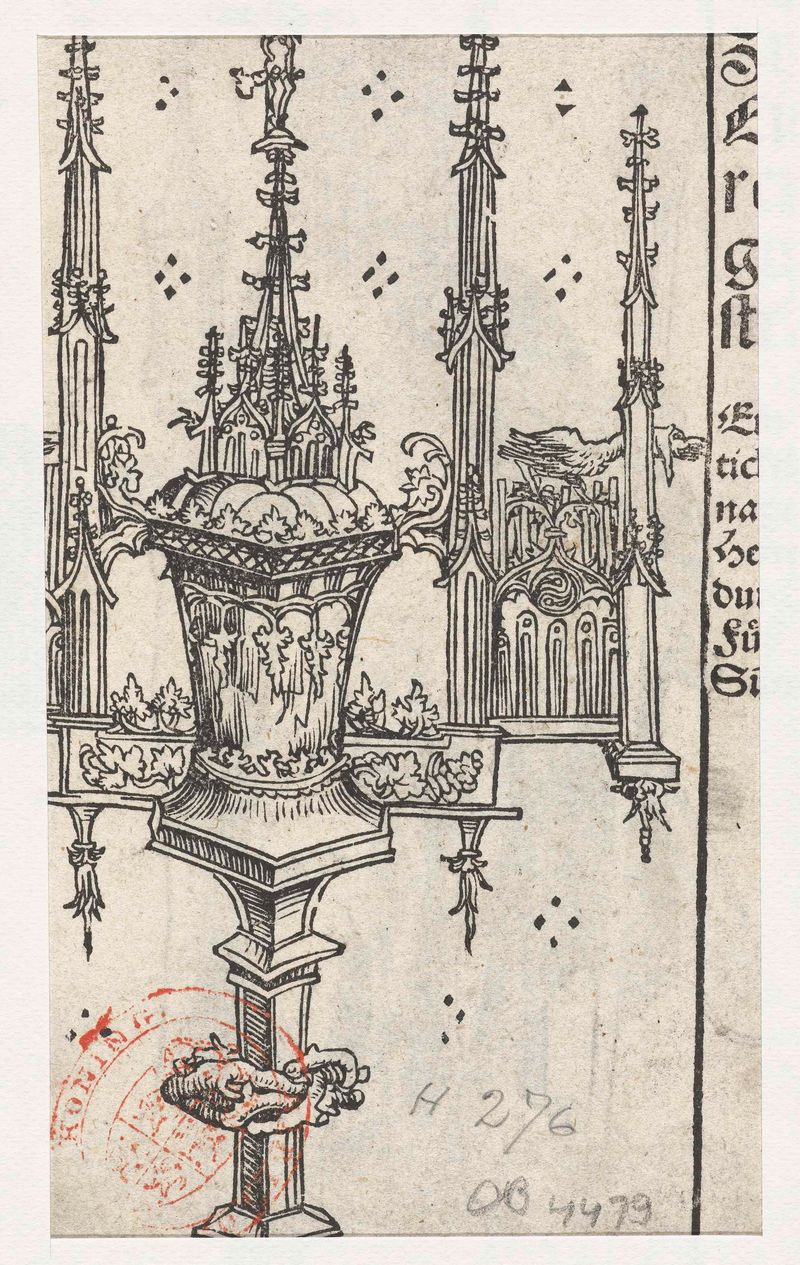
Monstrans met vogel (pelikaan)
Lucas Cranach (I)
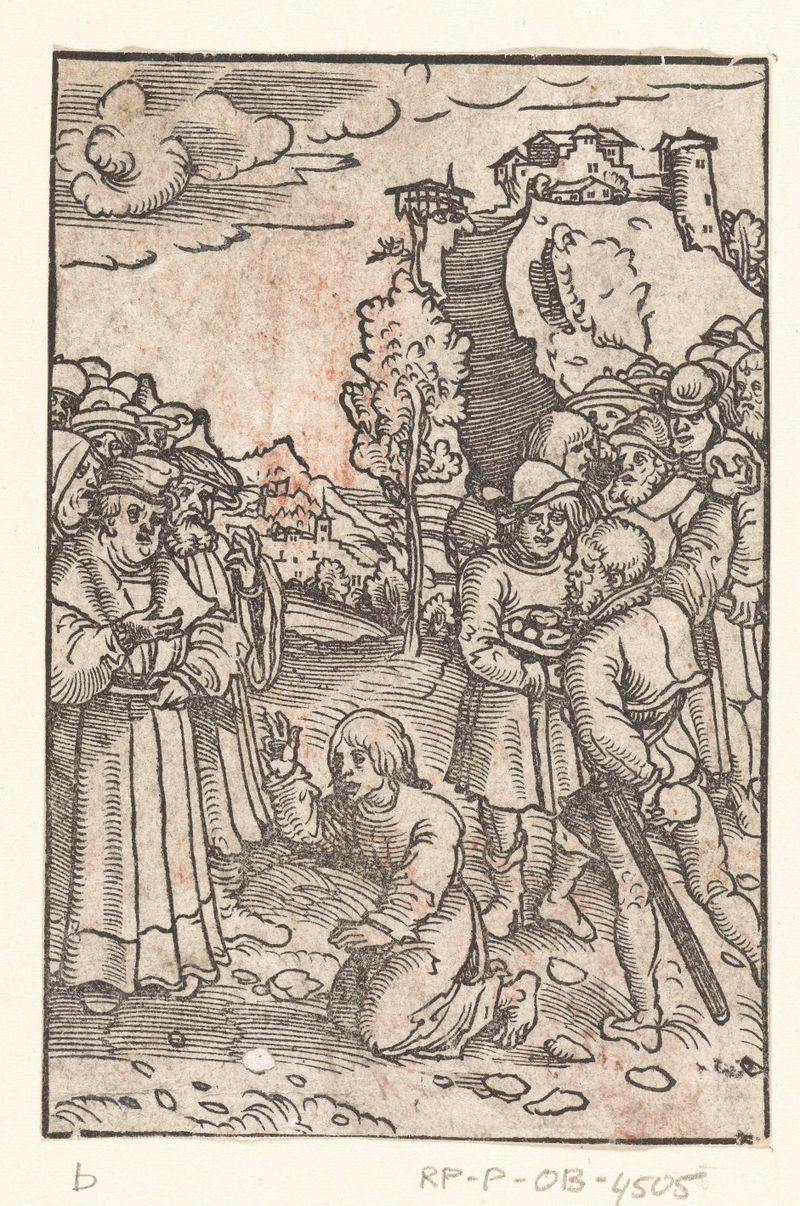
Steniging van Stefanus
Lucas Cranach (I)
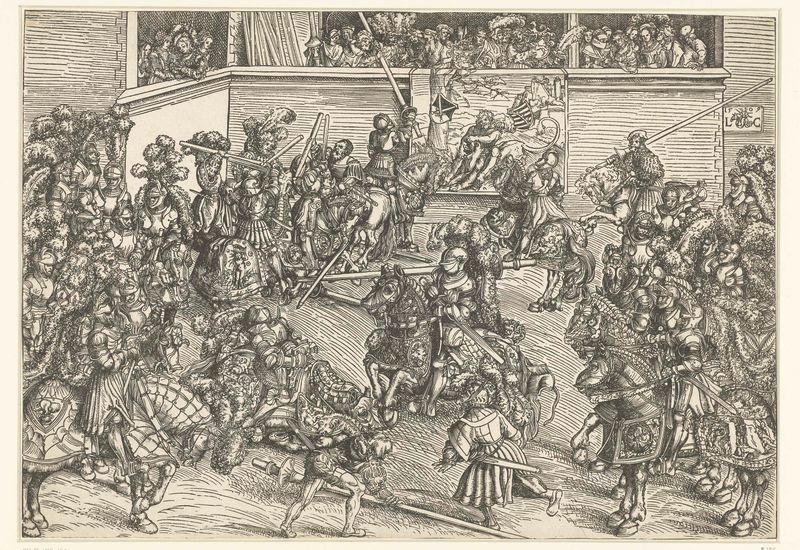
Toernooi van het keurvorstelijk hof van Saksen met wandtapijt Simson doodt de leeuw
Lucas Cranach (I)
More Religious Art
Browse all →
The Return of the Prodigal Son
Rembrandt van Rijn

The Garden of Earthly Delights
El Bosco

Count Orgaz’ funeral
El Greco

The Hundred Guilder Print: the central piece with Christ preaching, the plate arched
Rembrandt van Rijn

The Descent from the Cross
Rogier van der Weyden

The return of the prodigal son
Rembrandt van Rijn