
Marteldood van Filippus aan het kruis — History & Facts
The betrayal etched in the delicate features of this work unveils a truth both haunting and profound. It speaks of sacrifice and the frailty of loyalty, leaving us contemplating the darker side of human connections. Look to the center, where the figure of Philip is suspended in a moment of tragic stillness. The muted tones of the background contrast sharply with the luminous gold that outlines his form, drawing the eye to the agonizing yet regal portrayal of his demise.
Notice how the compositional symmetry leads the viewer's gaze to his face, where anguish meets resignation, and the intricate details in the folds of his draped garments whisper of both nobility and vulnerability. The juxtaposition of life and death plays out in the anguish of the surrounding figures, whose expressions border on despair and acceptance. The soft, melancholic colors imbue the scene with a haunting beauty, while the gold leaf hints at the glory tied to suffering. This interplay of light and shadow reveals the complexity of betrayal, illustrating how loyalty can be cloaked in darkness, even amidst beauty. Lucas Cranach (I) painted this piece between 1510 and 1514 in Wittenberg, a city alive with the stirrings of the Reformation.
During this period, Cranach was not only a prominent artist but also involved in the court of Elector Frederick III. His works often reflected the socio-political turmoil around him, and Marteldood van Filippus aan het kruis stands as a visual testament to the moral complexities of allegiance and the personal sacrifices entailed in navigating a world rife with betrayal.
More Artworks by Lucas Cranach (I)
Browse all →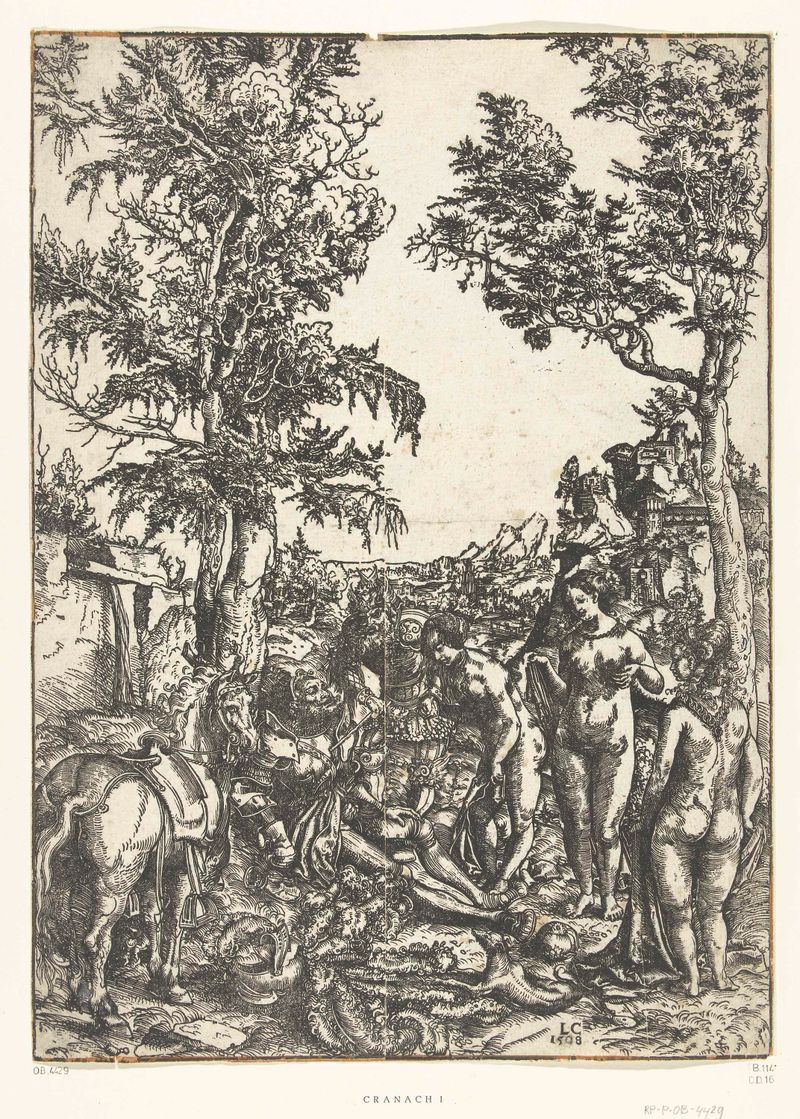
Oordeel van Paris
Lucas Cranach (I)
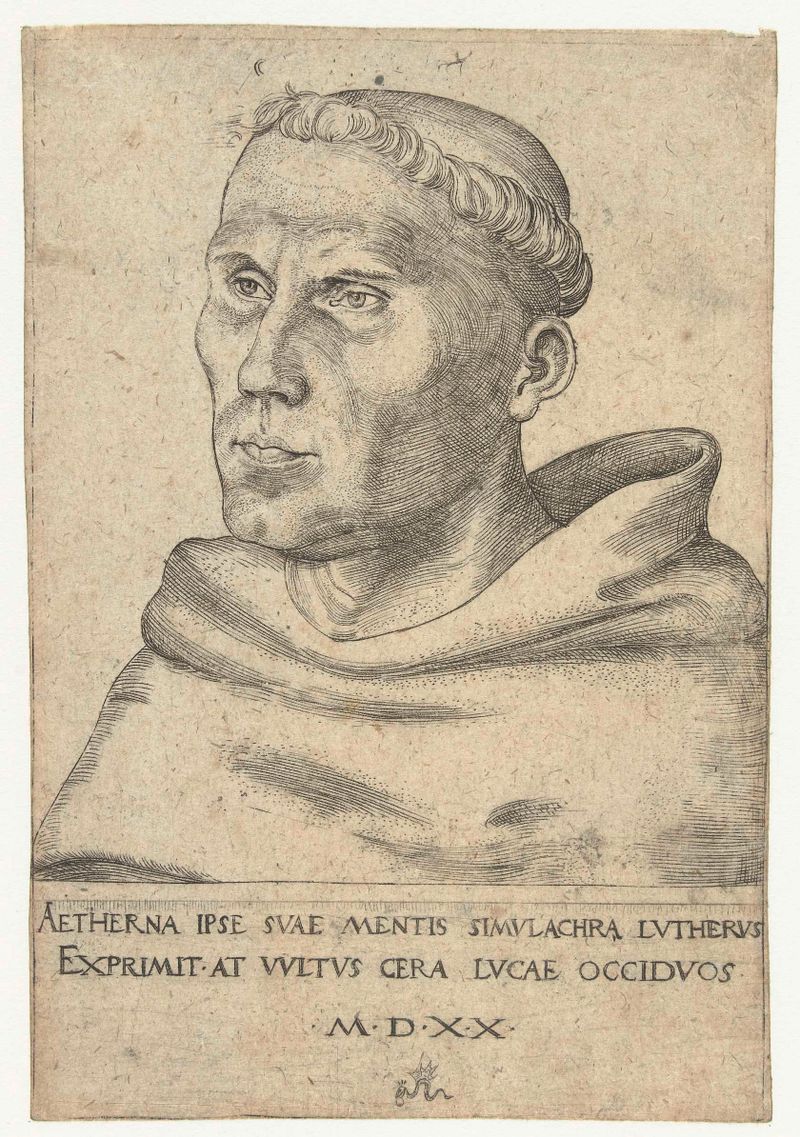
Portret van Martin Luther als Augustijner monnik
Lucas Cranach (I)
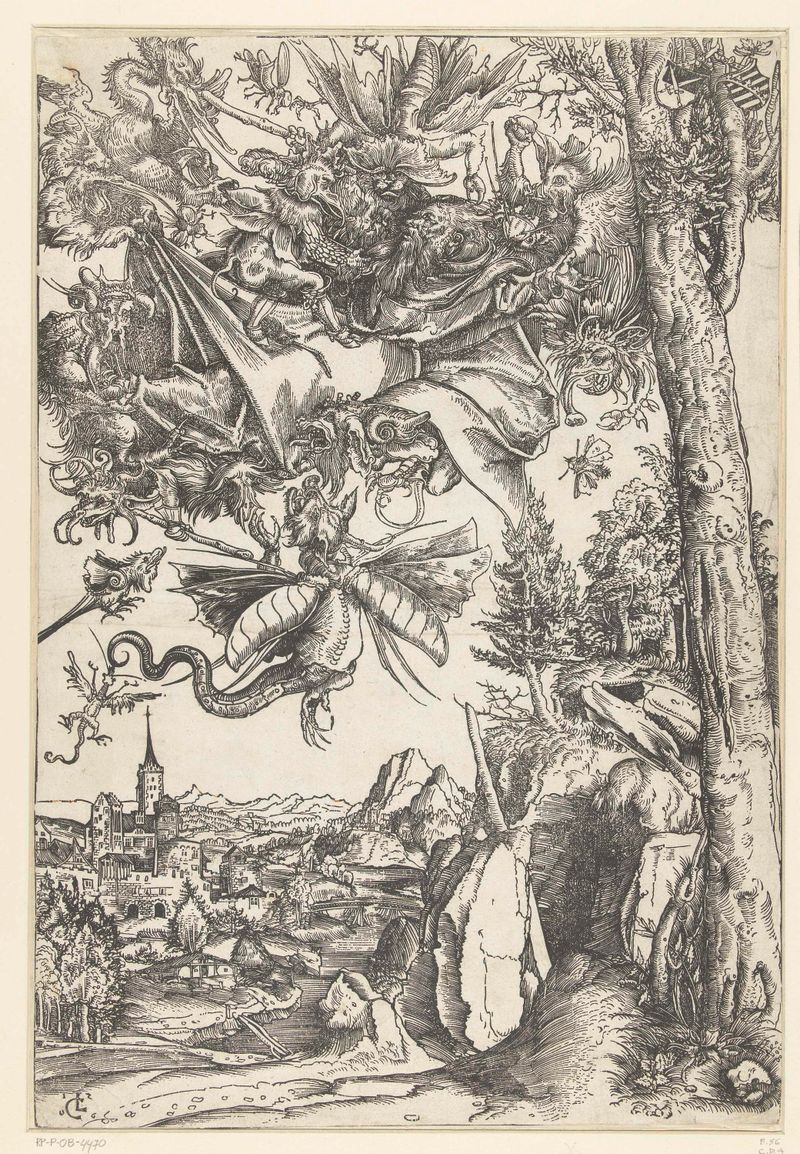
Verzoeking van Antonius met aanval door demonen
Lucas Cranach (I)

Christus en de Samaritaanse vrouw
Lucas Cranach (I)

Duits toernooi met twee edelmannen als ridders te paard
Lucas Cranach (I)
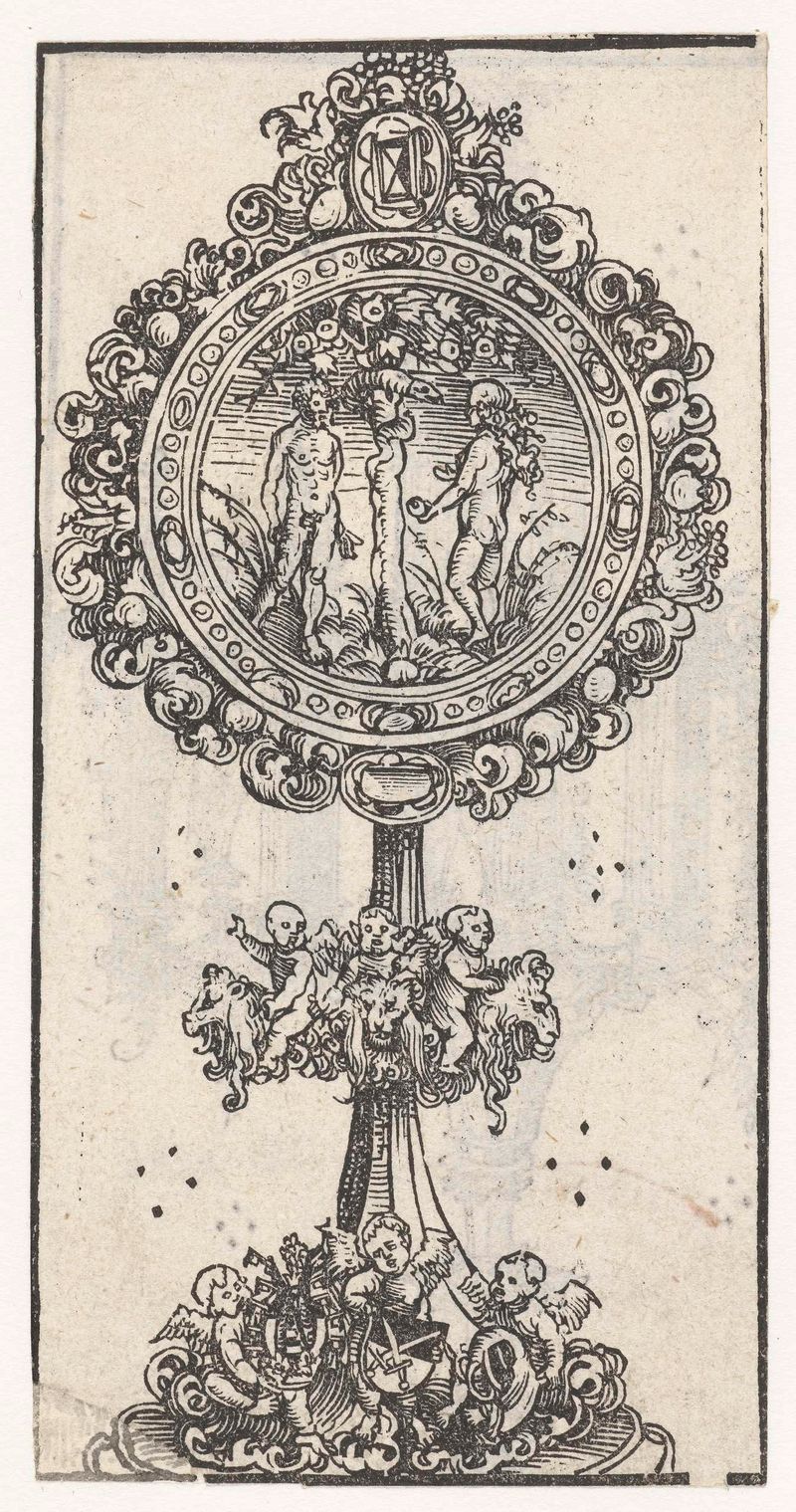
Reliekhouder met de verzoeking van Adam en Eva
Lucas Cranach (I)

Intocht van Christus in Jerusalem
Lucas Cranach (I)
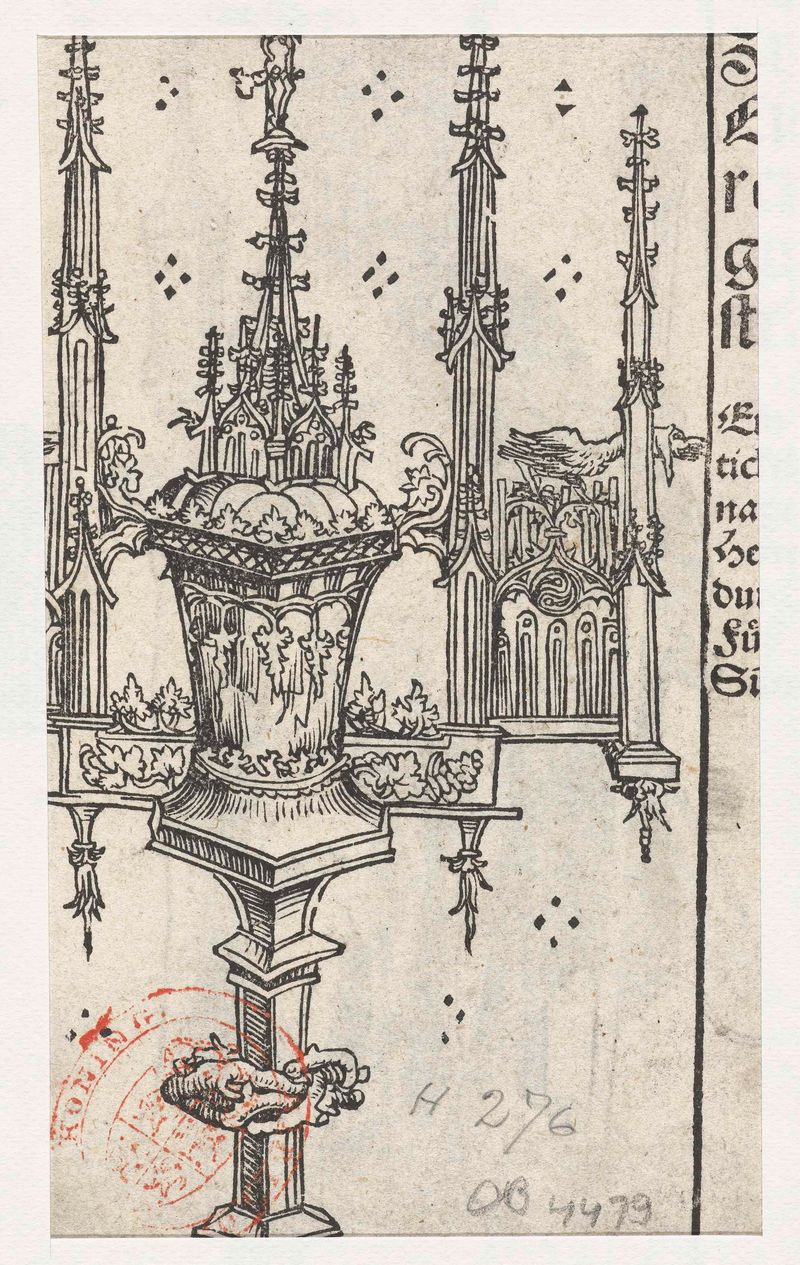
Monstrans met vogel (pelikaan)
Lucas Cranach (I)
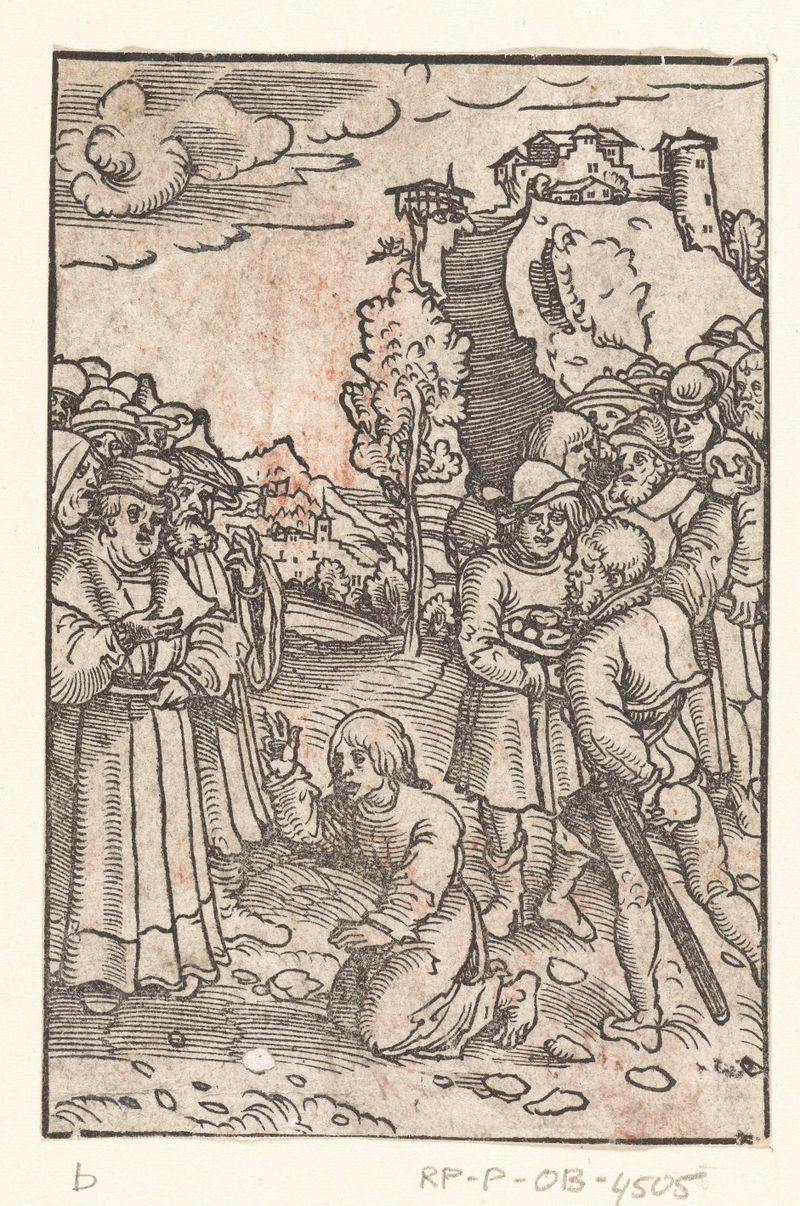
Steniging van Stefanus
Lucas Cranach (I)
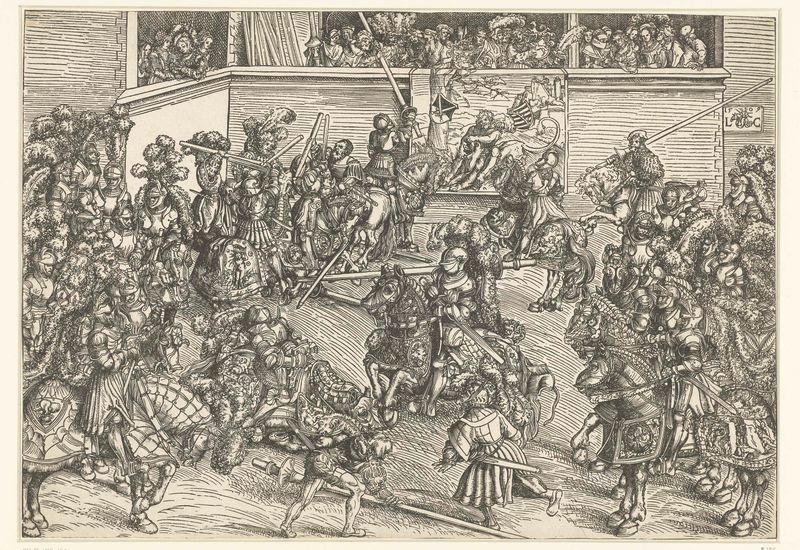
Toernooi van het keurvorstelijk hof van Saksen met wandtapijt Simson doodt de leeuw
Lucas Cranach (I)
More Religious Art
Browse all →
The Return of the Prodigal Son
Rembrandt van Rijn

The Garden of Earthly Delights
El Bosco

Count Orgaz’ funeral
El Greco

The Hundred Guilder Print: the central piece with Christ preaching, the plate arched
Rembrandt van Rijn

The Descent from the Cross
Rogier van der Weyden

The return of the prodigal son
Rembrandt van Rijn