
Marteldood van Matteüs — History & Facts
In the realm of illusion, artwork can be both a mirror and a veil, revealing truths while obscuring others. How does one discern the reality within the strokes of paint? Look closely at the detailed portrayal of the figures, especially the mournful stance of the grieving witnesses to the martyrdom. Notice how the somber palette of deep reds and muted browns envelops the scene, creating an atmosphere heavy with tension and sorrow.
The stark contrast of shadows enhances the emotional weight, drawing your gaze to the central figure, whose anguished expression captures the heart of the narrative. The composition guides your eyes from the foreground, where pain resonates, to the background, where the onlookers bear silent witness, their faces etched with disbelief. Within this poignant tableau lie layers of meaning—suffering juxtaposed with a serene acceptance, the brutality of fate met with a profound sense of loss. The positioning of the figures creates a visual dialogue, as their varied gestures reflect a spectrum of human emotion, from despair to contemplation.
This interplay speaks to the viewer's own confrontation with mortality, inviting reflection on life's ephemeral nature and the illusions we create to cope with it. During the years spanning 1482 to 1553, the artist worked in a milieu rich with religious upheaval and artistic innovation. Cranach was deeply involved in the Protestant Reformation, producing works that resonated with the shifting cultural landscape of his time. His paintings, like this one, melded devotion with dramatic storytelling, reflecting the tensions and transformations of an era ripe for visual exploration and spiritual contemplation.
More Artworks by Lucas Cranach (I)
Browse all →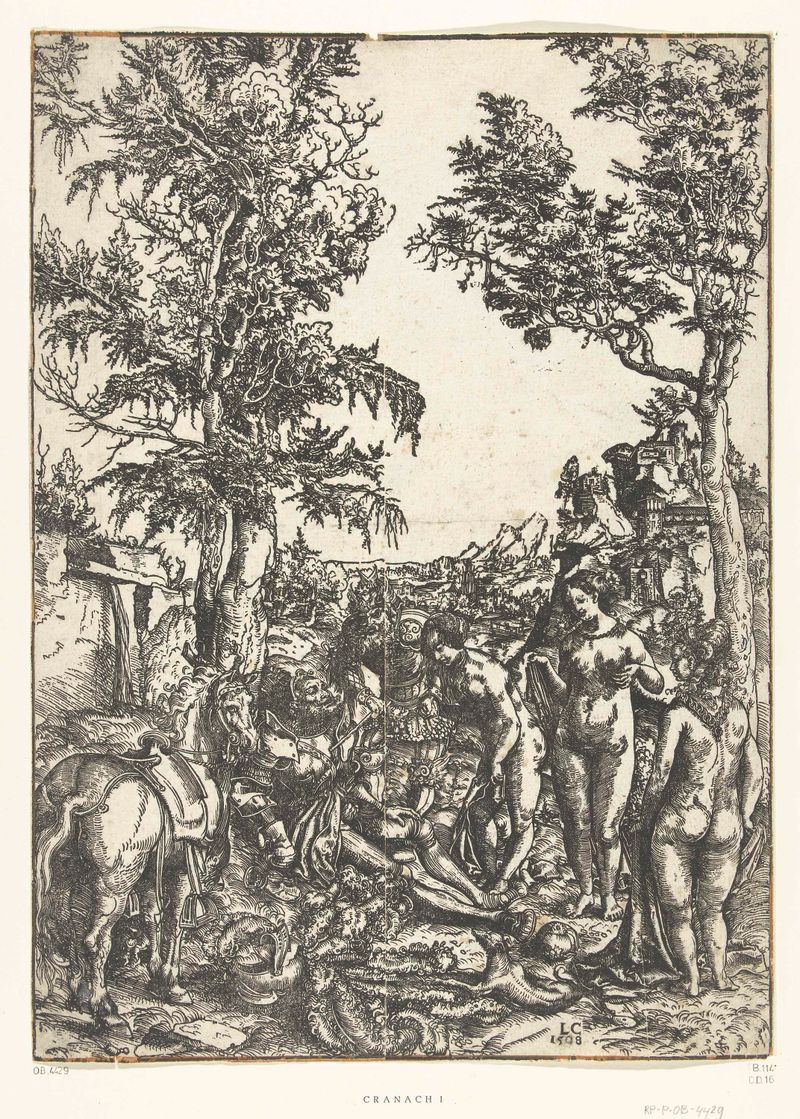
Oordeel van Paris
Lucas Cranach (I)
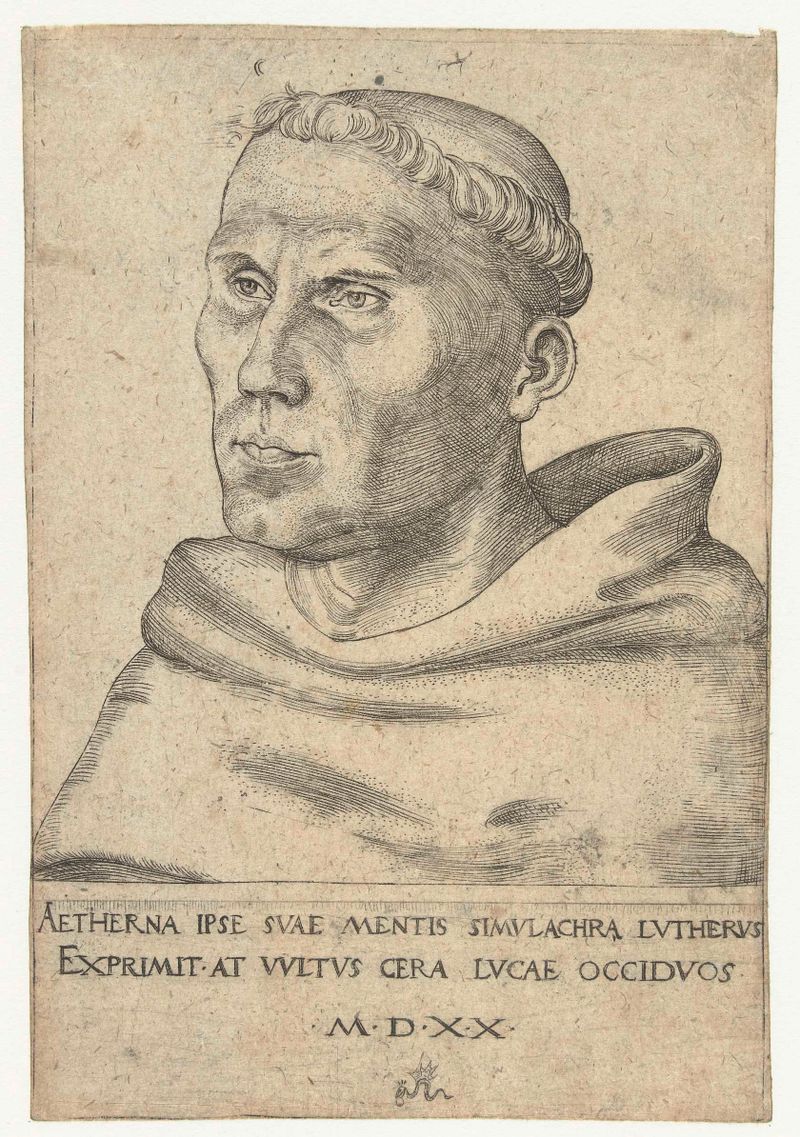
Portret van Martin Luther als Augustijner monnik
Lucas Cranach (I)
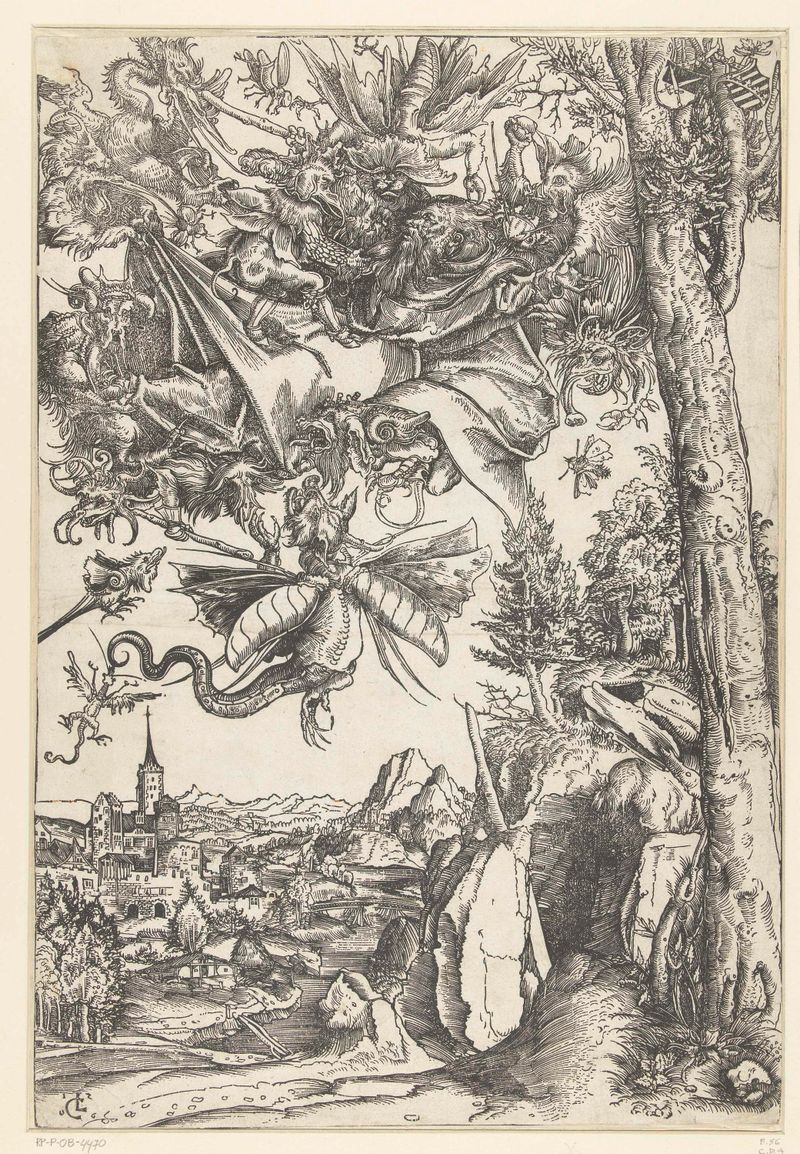
Verzoeking van Antonius met aanval door demonen
Lucas Cranach (I)

Christus en de Samaritaanse vrouw
Lucas Cranach (I)

Duits toernooi met twee edelmannen als ridders te paard
Lucas Cranach (I)
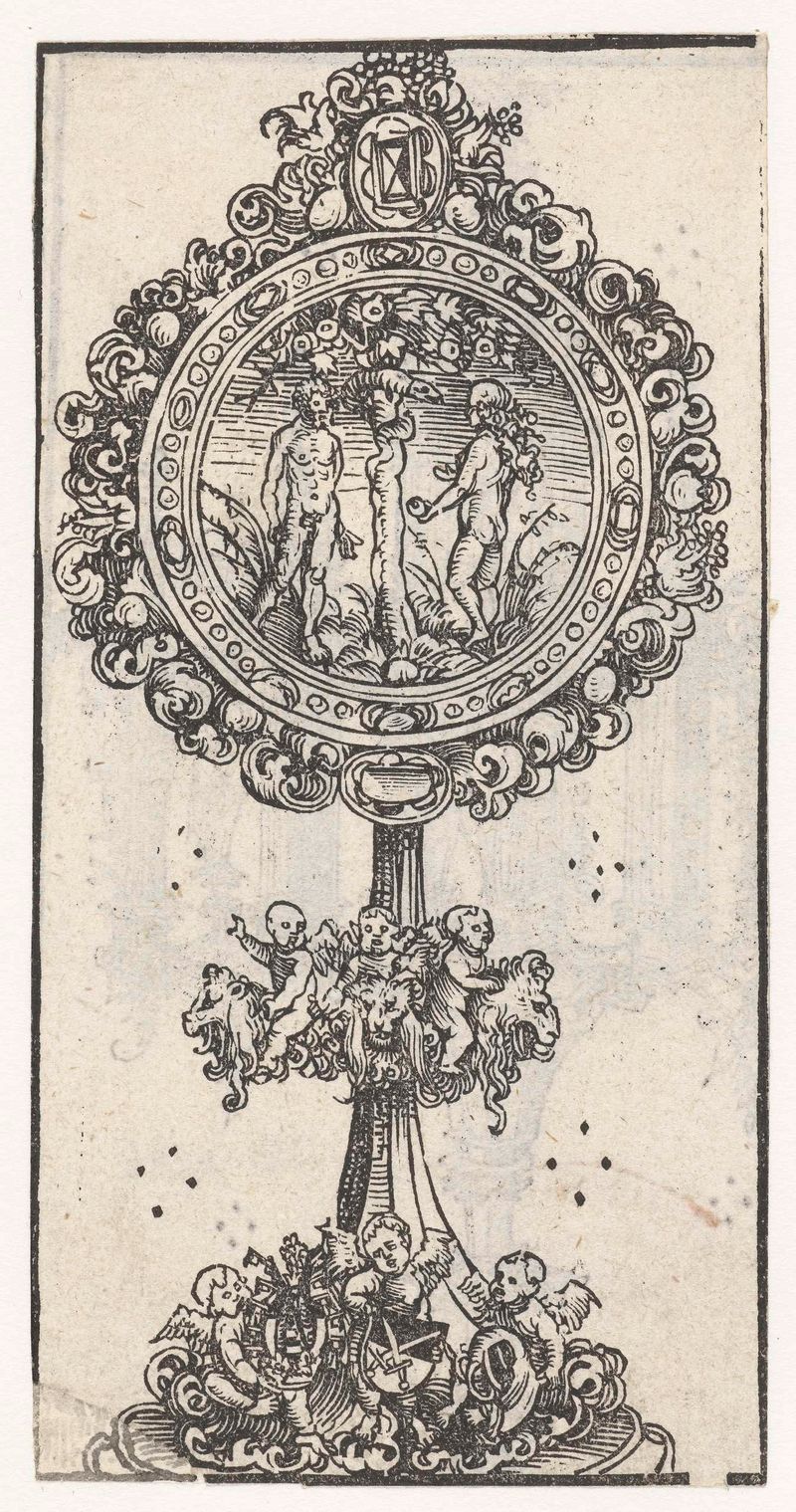
Reliekhouder met de verzoeking van Adam en Eva
Lucas Cranach (I)

Intocht van Christus in Jerusalem
Lucas Cranach (I)
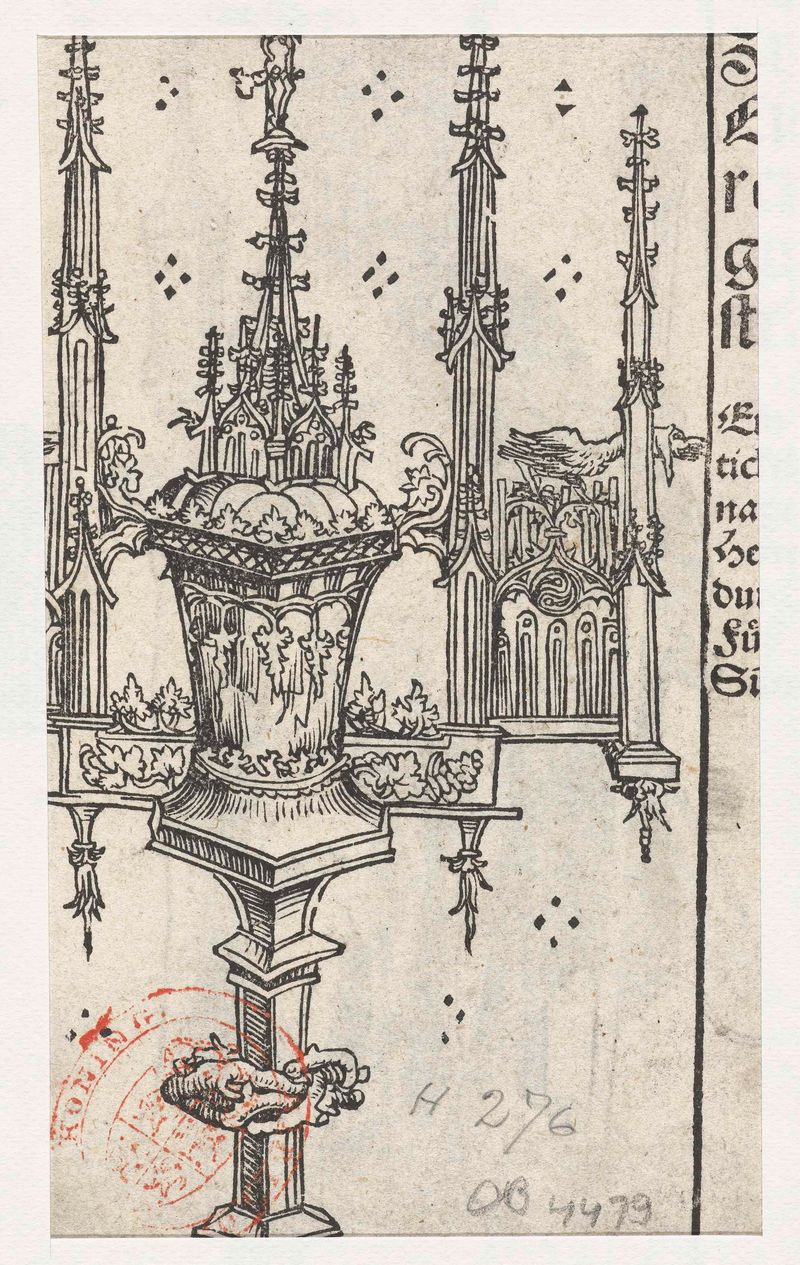
Monstrans met vogel (pelikaan)
Lucas Cranach (I)
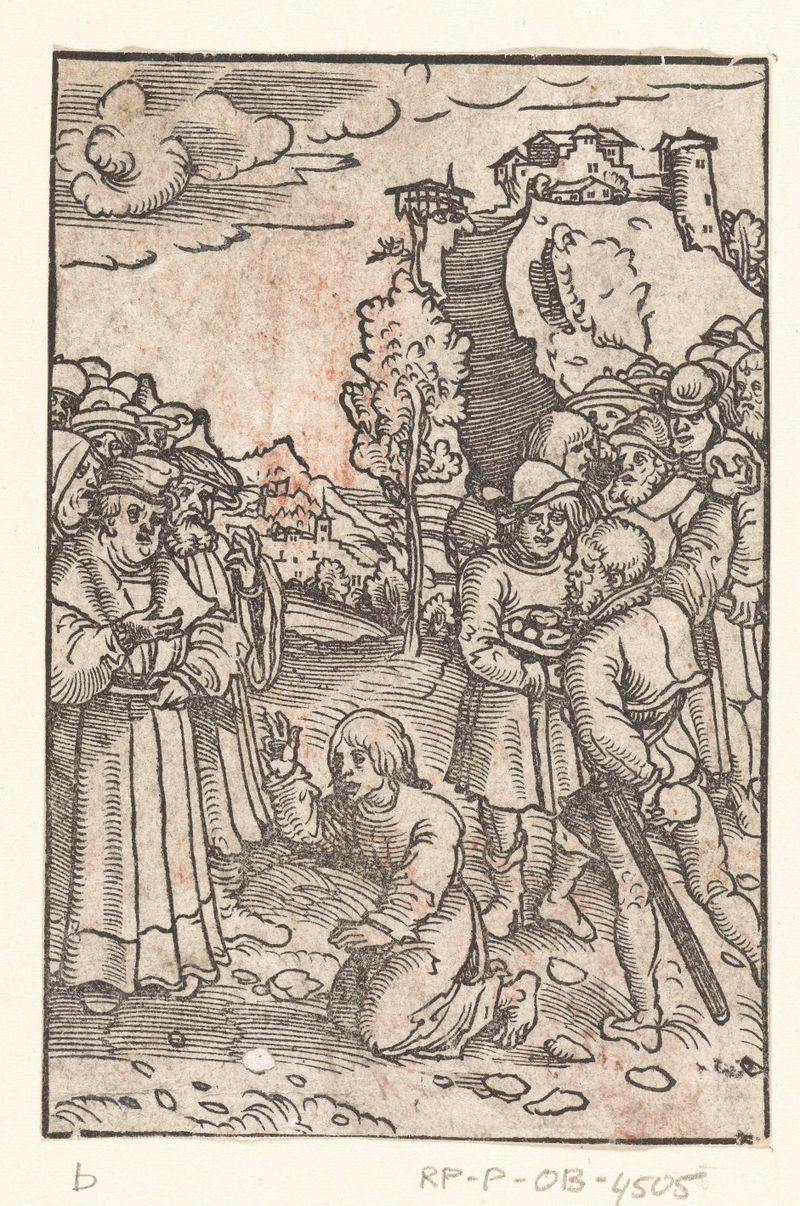
Steniging van Stefanus
Lucas Cranach (I)
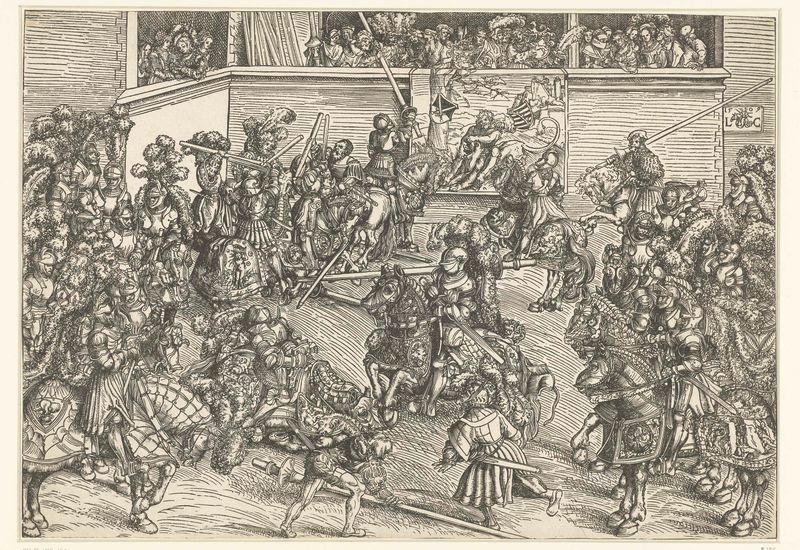
Toernooi van het keurvorstelijk hof van Saksen met wandtapijt Simson doodt de leeuw
Lucas Cranach (I)
More Religious Art
Browse all →
The Return of the Prodigal Son
Rembrandt van Rijn

The Garden of Earthly Delights
El Bosco

Count Orgaz’ funeral
El Greco

The Hundred Guilder Print: the central piece with Christ preaching, the plate arched
Rembrandt van Rijn

The Descent from the Cross
Rogier van der Weyden

The return of the prodigal son
Rembrandt van Rijn