
Marteldood van Paulus door onthoofding — History & Facts
Can beauty exist without sorrow? In Lucas Cranach's Marteldood van Paulus door onthoofding, the tension between grace and horror unfolds, inviting contemplation of the madness that can accompany divine devotion. Look closely at the figure in the foreground, where the executioner stands poised to deliver the final blow. His dark attire contrasts sharply with the vivid red of the martyr's flowing robes, drawing the eye to the stark violence about to erupt. Notice the gentle curves of the adorned sword, slick with the promise of blood, and how the light captures the sheen of the blade, elevating it from mere tool to harbinger of fate.
The composition is a careful balance of serene beauty and impending doom, where the background fades into an ethereal landscape that both frames and distances the gruesome act. This juxtaposition reveals layers of meaning: the martyr's closed eyes suggest a transcendence that belies the chaos around him, hinting at an inner peace amid the madness of his sacrifice. The executioner's grim determination reflects the darker aspects of human nature—how beauty can coexist with brutality, and how faith can lead to martyrdom. Each detail, from the tension in the figures to the atmospheric tonal shifts, underscores a profound psychological struggle, emphasizing that even in the face of death, the spirit can remain unbroken. Created between 1510 and 1514 in Wittenberg, an era marked by the burgeoning Reformation, this piece displays Cranach’s characteristic blending of humanist themes with religious narratives.
The artist was deeply engaged with the spiritual and political currents of his time, using his work to reflect the complexities of faith and morality amid societal upheaval. This painting not only serves as a visual testament to the martyrdom of Paul but also encapsulates a moment when art became a means of grappling with the profound questions of existence.
More Artworks by Lucas Cranach (I)
Browse all →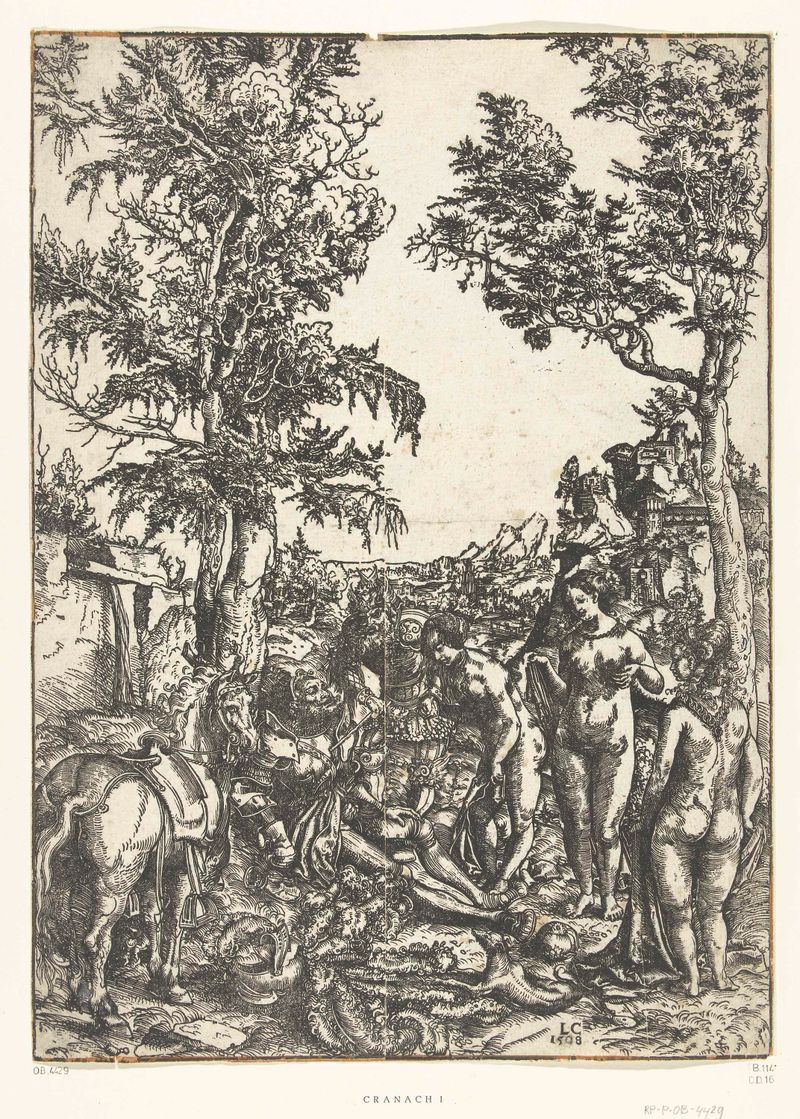
Oordeel van Paris
Lucas Cranach (I)
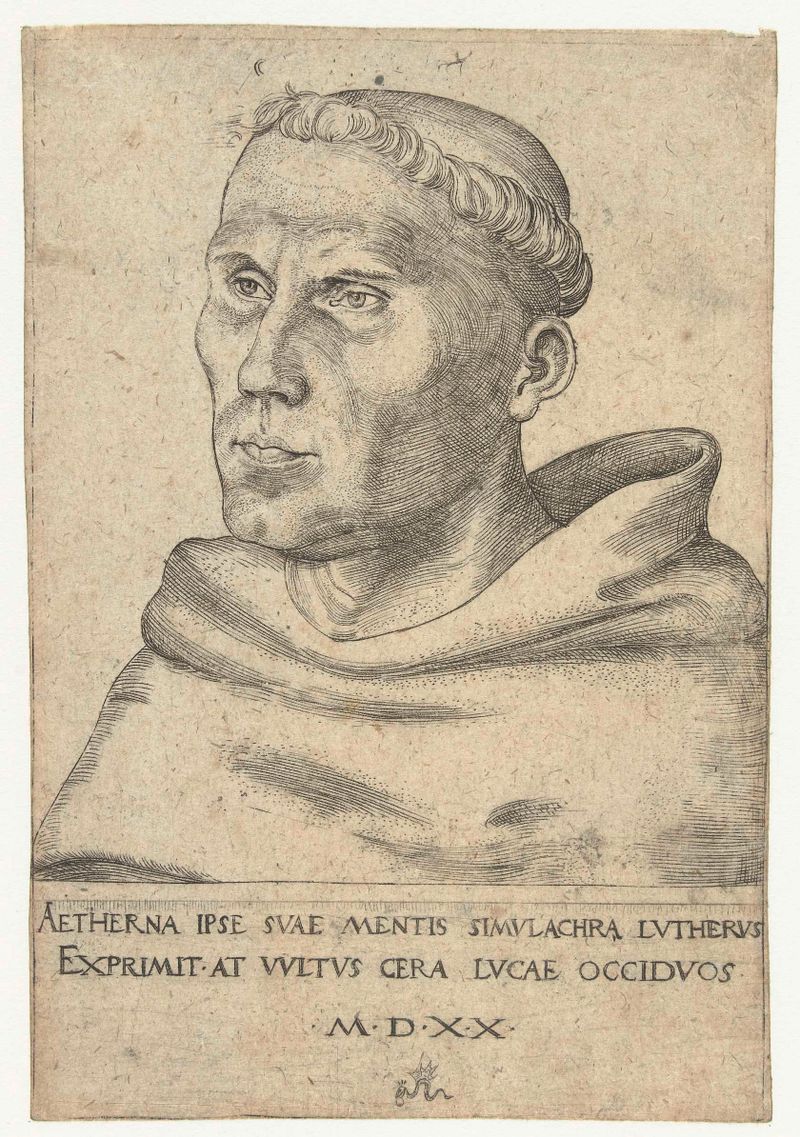
Portret van Martin Luther als Augustijner monnik
Lucas Cranach (I)
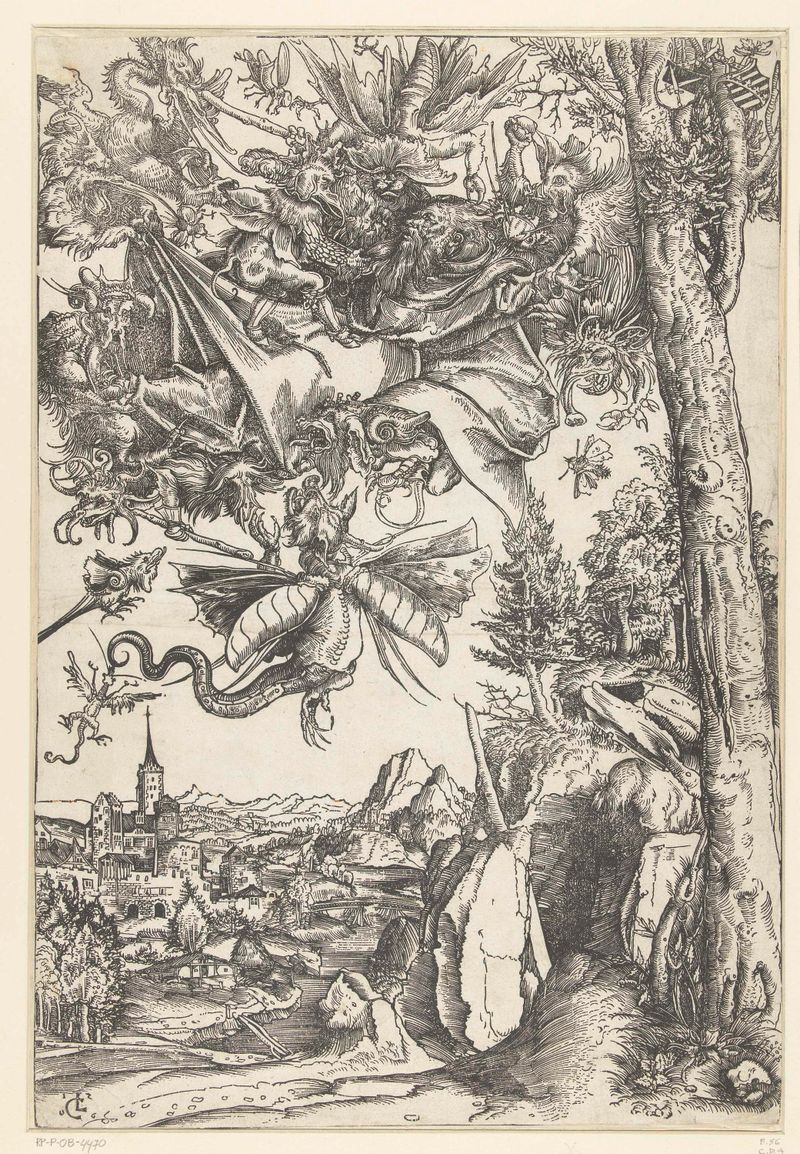
Verzoeking van Antonius met aanval door demonen
Lucas Cranach (I)

Christus en de Samaritaanse vrouw
Lucas Cranach (I)

Duits toernooi met twee edelmannen als ridders te paard
Lucas Cranach (I)
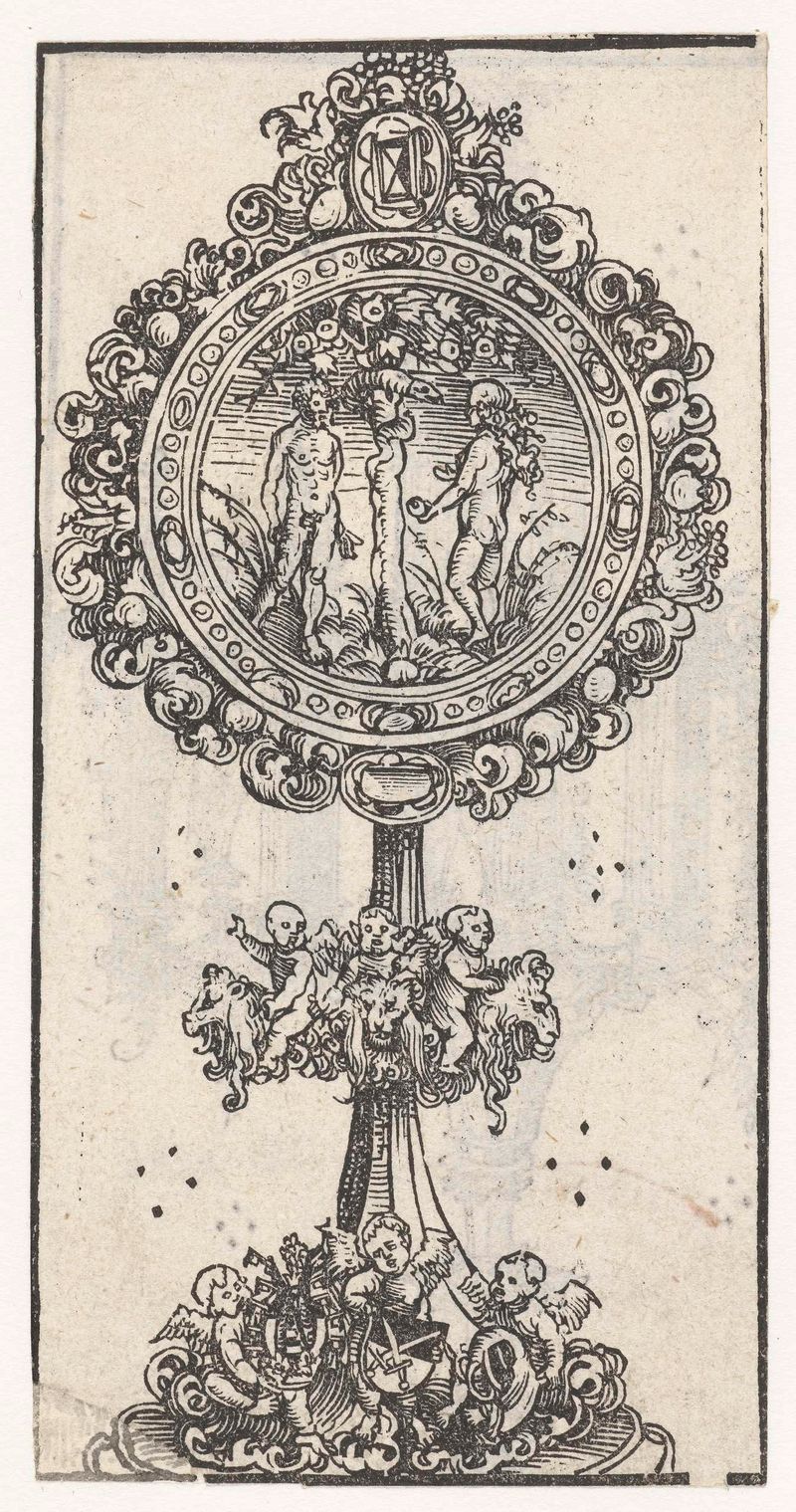
Reliekhouder met de verzoeking van Adam en Eva
Lucas Cranach (I)

Intocht van Christus in Jerusalem
Lucas Cranach (I)
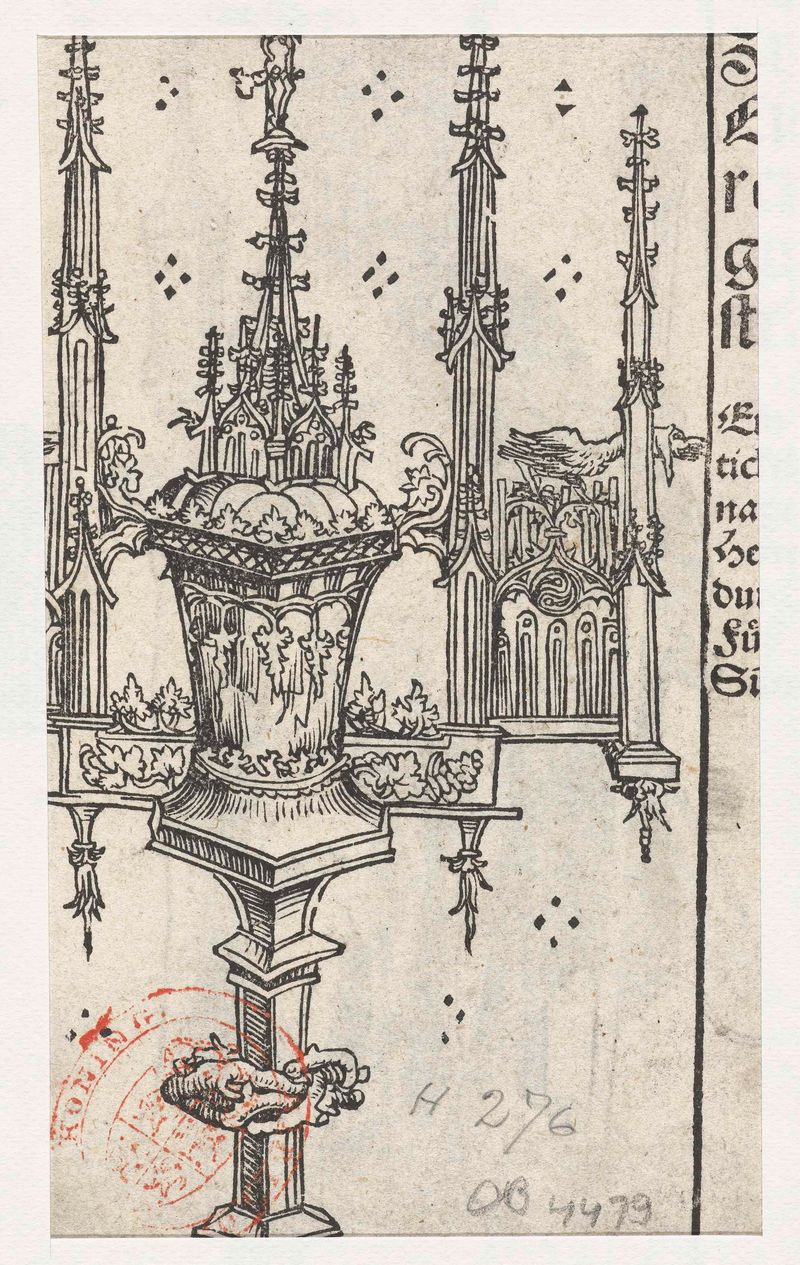
Monstrans met vogel (pelikaan)
Lucas Cranach (I)
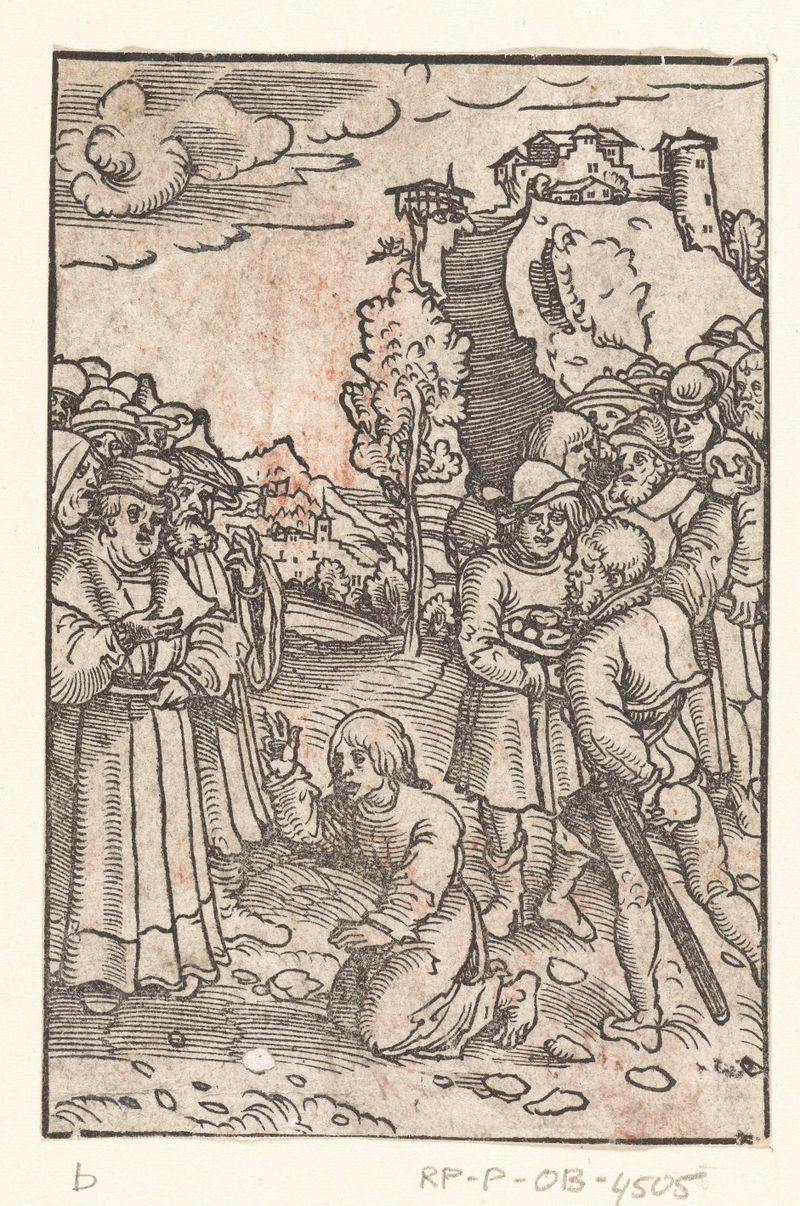
Steniging van Stefanus
Lucas Cranach (I)
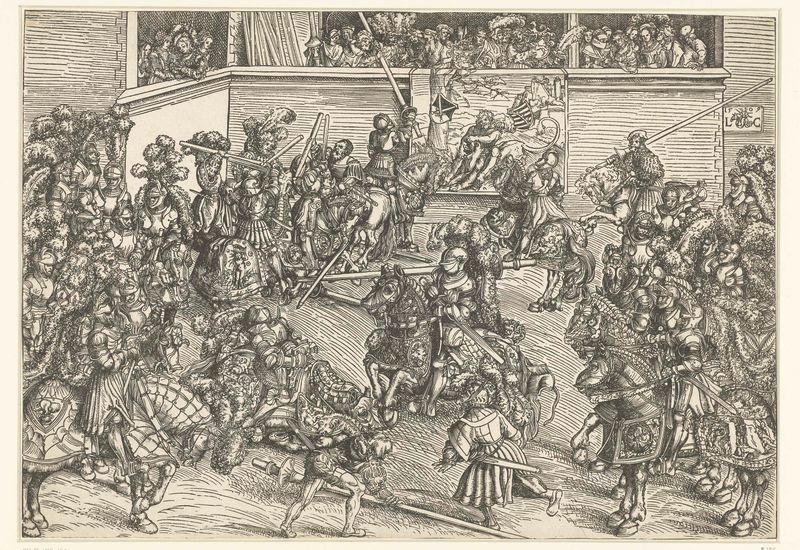
Toernooi van het keurvorstelijk hof van Saksen met wandtapijt Simson doodt de leeuw
Lucas Cranach (I)
More Religious Art
Browse all →
The Return of the Prodigal Son
Rembrandt van Rijn

The Garden of Earthly Delights
El Bosco

Count Orgaz’ funeral
El Greco

The Hundred Guilder Print: the central piece with Christ preaching, the plate arched
Rembrandt van Rijn

The Descent from the Cross
Rogier van der Weyden

The return of the prodigal son
Rembrandt van Rijn