
Mary among a Multitude of Animals — History & Facts
What first catches the eye in Mary among a Multitude of Animals is the sheer abundance of life—every inch teems with creatures, plants, and minute detail, as if the world itself has gathered to bear witness. At the heart of this dense tapestry, Mary sits serenely, her gaze lowered, while the Christ Child reaches outward, inviting the viewer into this intimate and bustling garden. The animals are not mere decoration; each seems to play a role in the quiet drama unfolding—an alert fox prowls the foreground, a dog curls at Mary’s feet, and birds perch close enough to touch her robes.
The light, softly diffused across the scene, draws the eye from the gentle faces of mother and child outward, guiding us through a landscape that feels both real and enchanted. Created in the early 1500s, this work belongs to a moment in European art when the boundaries between sacred vision and natural observation were dissolving. Artists like Albrecht Dürer—whose hand is unmistakable in the crisp, restless lines and botanical precision—were fascinated by the natural world and eager to weave it into religious imagery. Such pictures, often commissioned for private devotion or as prized collector’s items, reflect a period when faith and curiosity about creation went hand in hand.
Though history has left few traces of this particular piece beyond its date and its presence in a digital collection, its intricate surface rewards careful looking: every animal, every flower, is an invitation to linger, to wonder, and to look again.
More Artworks by Albrecht Dürer

Melancholia
Albrecht Dürer

St. George and the dragon.
Albrecht Dürer
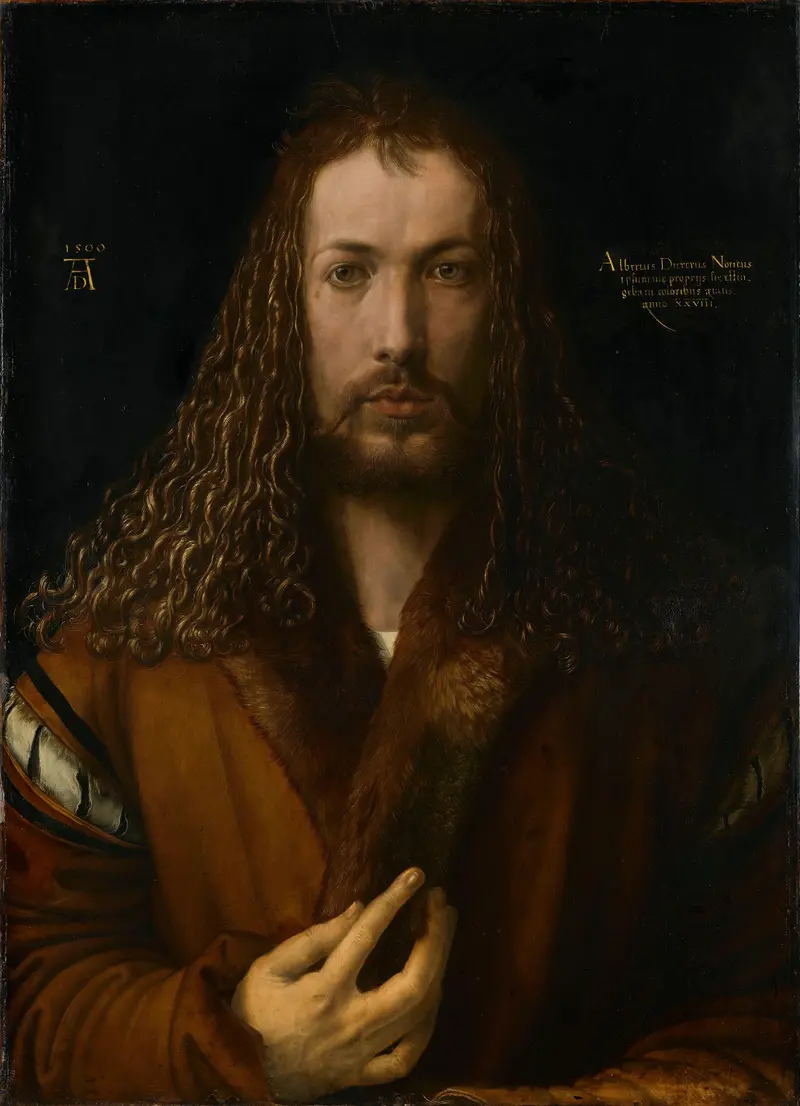
Self-Portrait with Fur-Trimmed Robe
Albrecht Dürer

Wing of a European Roller
Albrecht Dürer

Iris
Albrecht Dürer

The Great Piece of Turf
Albrecht Dürer
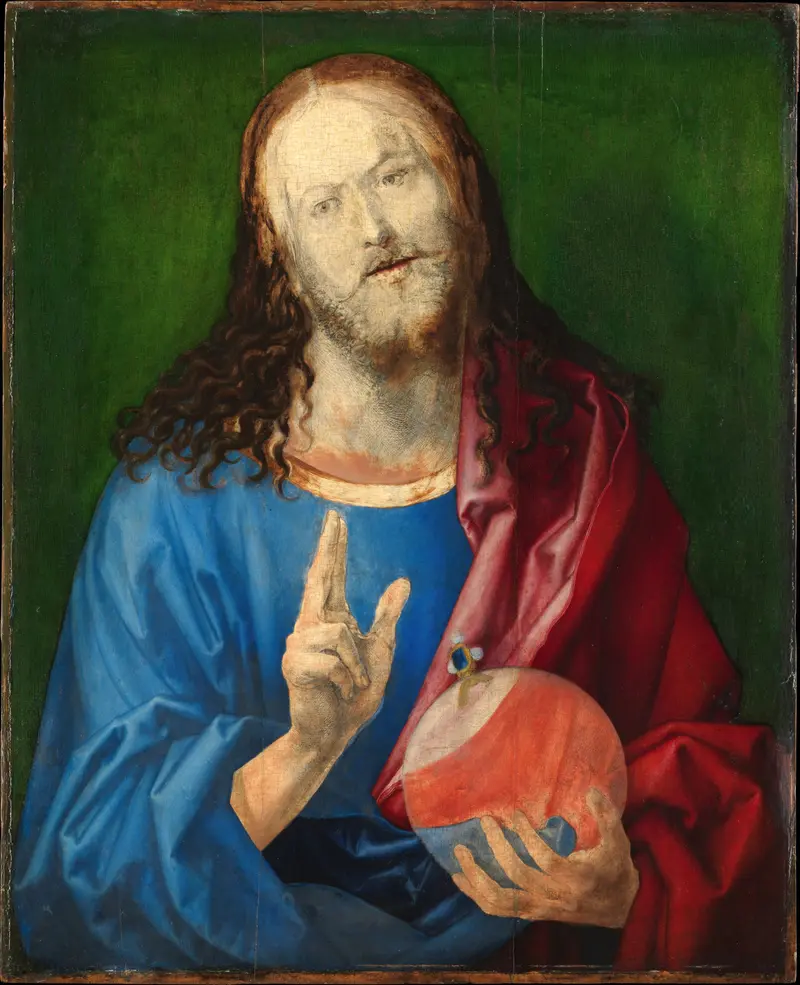
Salvator Mundi
Albrecht Dürer
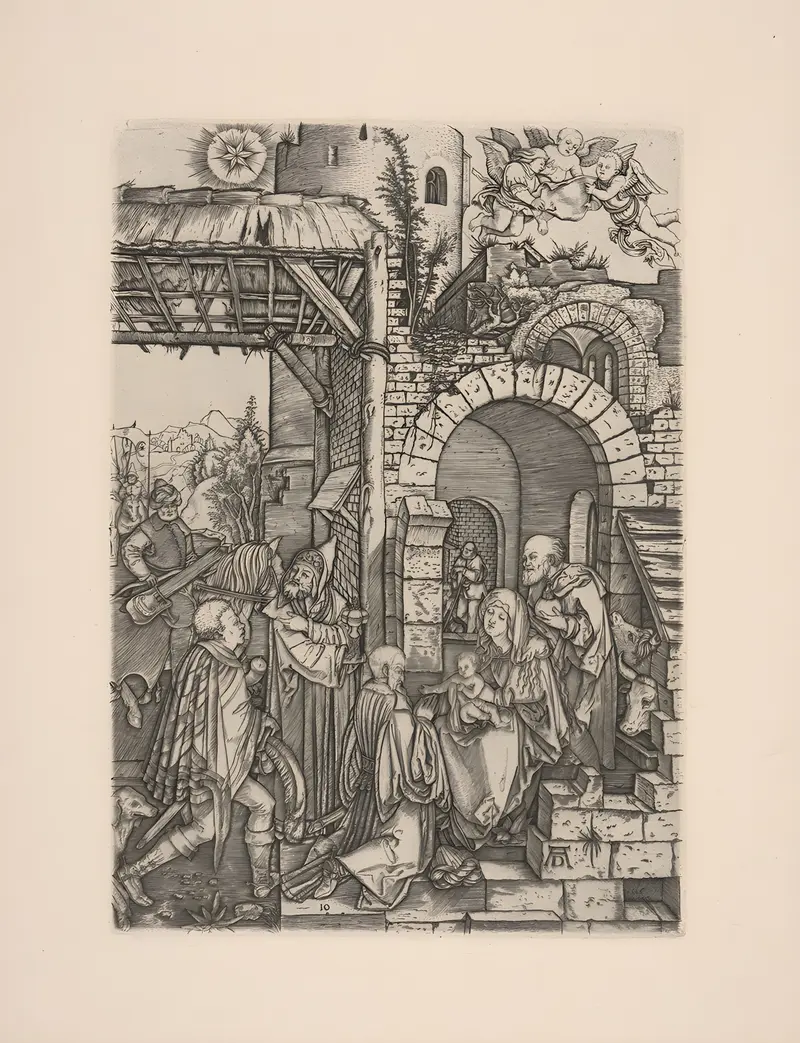
The Adoration of the Magi
Albrecht Dürer
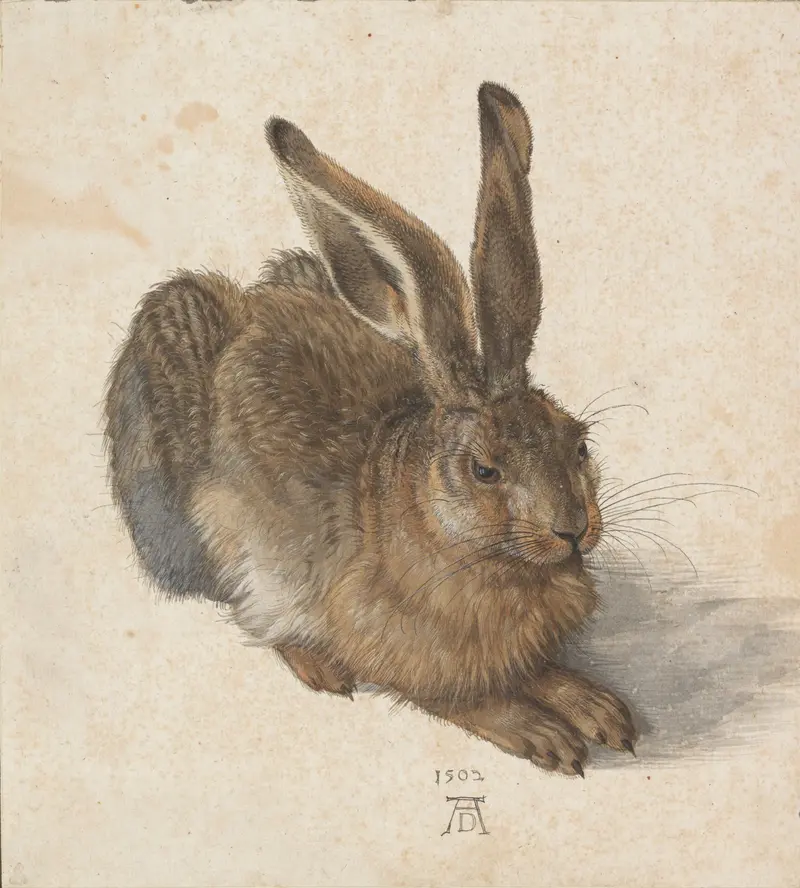
Young Hare
Albrecht Dürer
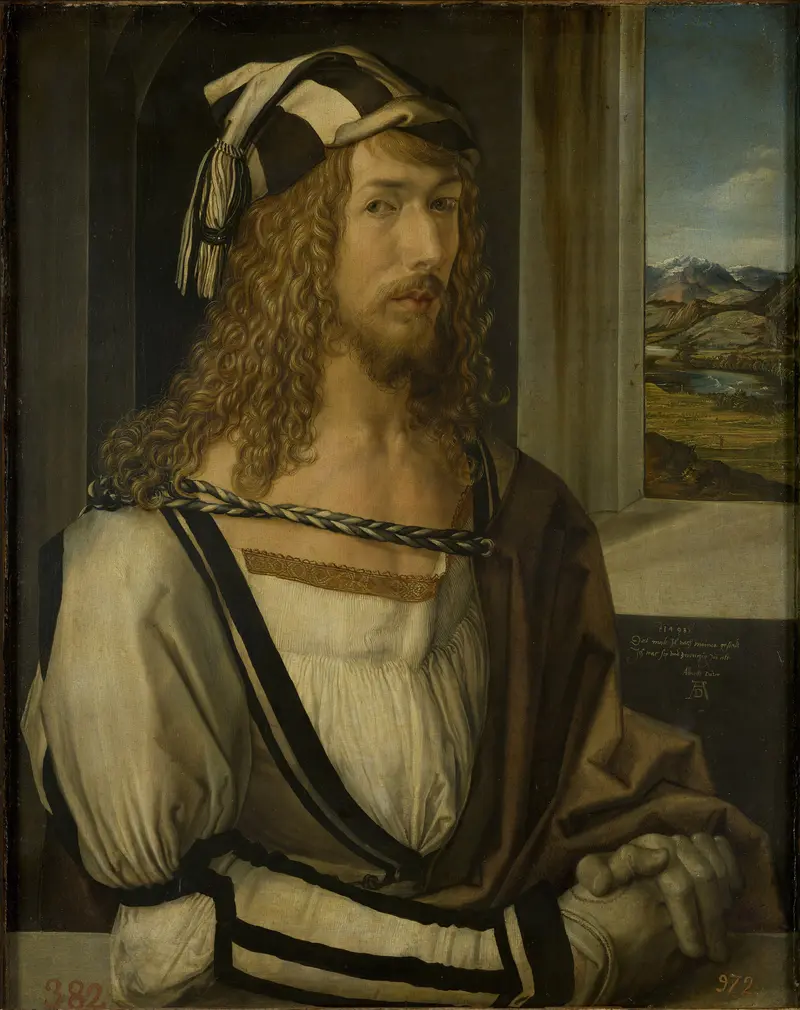
Self-portrait
Albrecht Dürer





