
Mary and Child — History & Facts
What draws the eye first is the striking intimacy between mother and child, the Madonna’s gentle gaze falling with quiet gravity upon the infant in her arms. The child’s plump limbs rest in a pose that is both natural and monumental, his small hand clutching a flower—a detail that hints at innocence, but also at the symbolic language of the time. The blue of Mary’s dress, luminous against the dark background, leads the viewer upward to her face, framed by a veil rendered with astonishing delicacy.
Every fold of fabric and curl of hair is painted with the care of an artist who studies the world closely, inviting us to linger over the softness of skin and the play of light. There is no grandeur here—just the closeness of a mother and her child, made monumental by the artist’s attention. Created in 1512, this Madonna and Child belongs to a world where such images were both objects of devotion and demonstrations of artistic skill. In the early sixteenth century, artists like Albrecht Dürer brought the precision of Northern Renaissance painting to religious subjects, blending sacred symbolism with the observation of everyday life.
Works like this were often commissioned for private contemplation, intended to bring the holy into the home. Today, the painting is housed in the Kunsthistorisches Museum, a reminder of how the Renaissance transformed both art and faith—inviting us, centuries later, to look again at the quiet miracle of a mother’s touch.
More Artworks by Albrecht Dürer

Melancholia
Albrecht Dürer

St. George and the dragon.
Albrecht Dürer
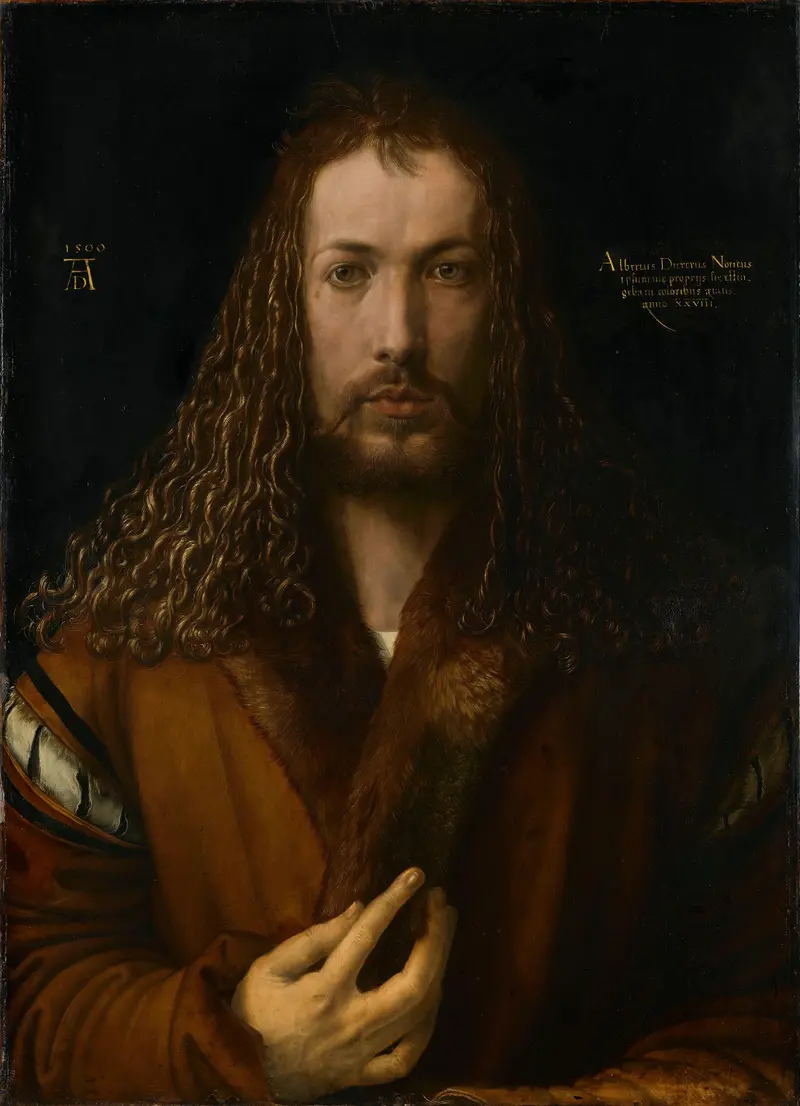
Self-Portrait with Fur-Trimmed Robe
Albrecht Dürer

Wing of a European Roller
Albrecht Dürer

Iris
Albrecht Dürer

The Great Piece of Turf
Albrecht Dürer
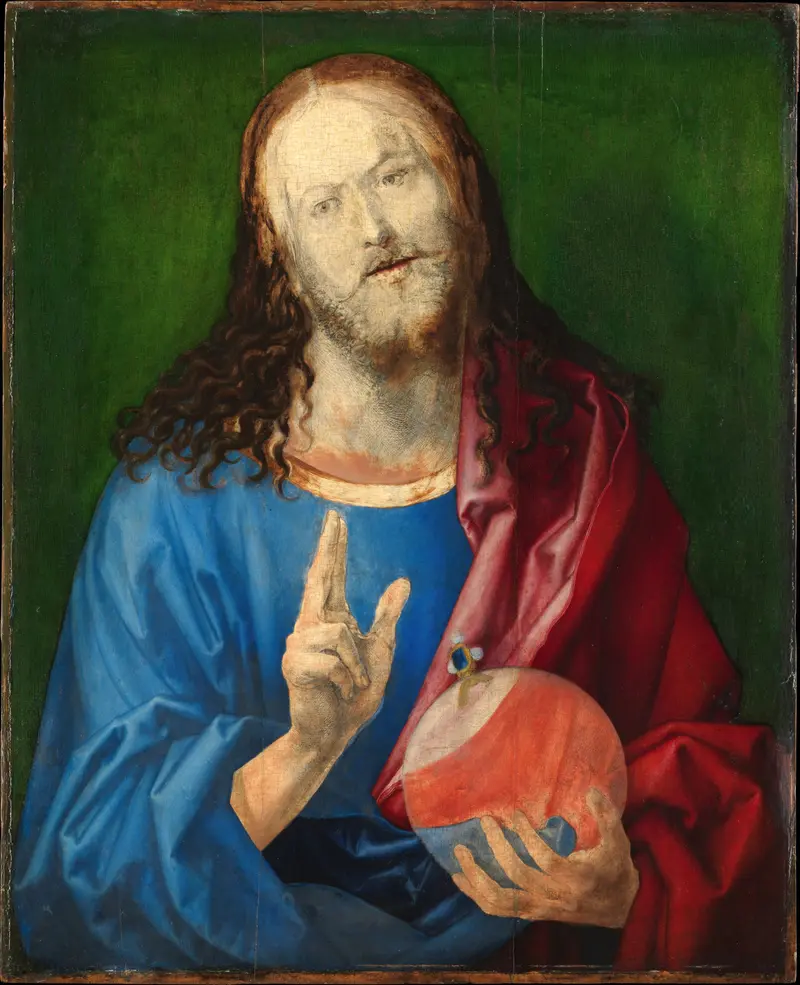
Salvator Mundi
Albrecht Dürer
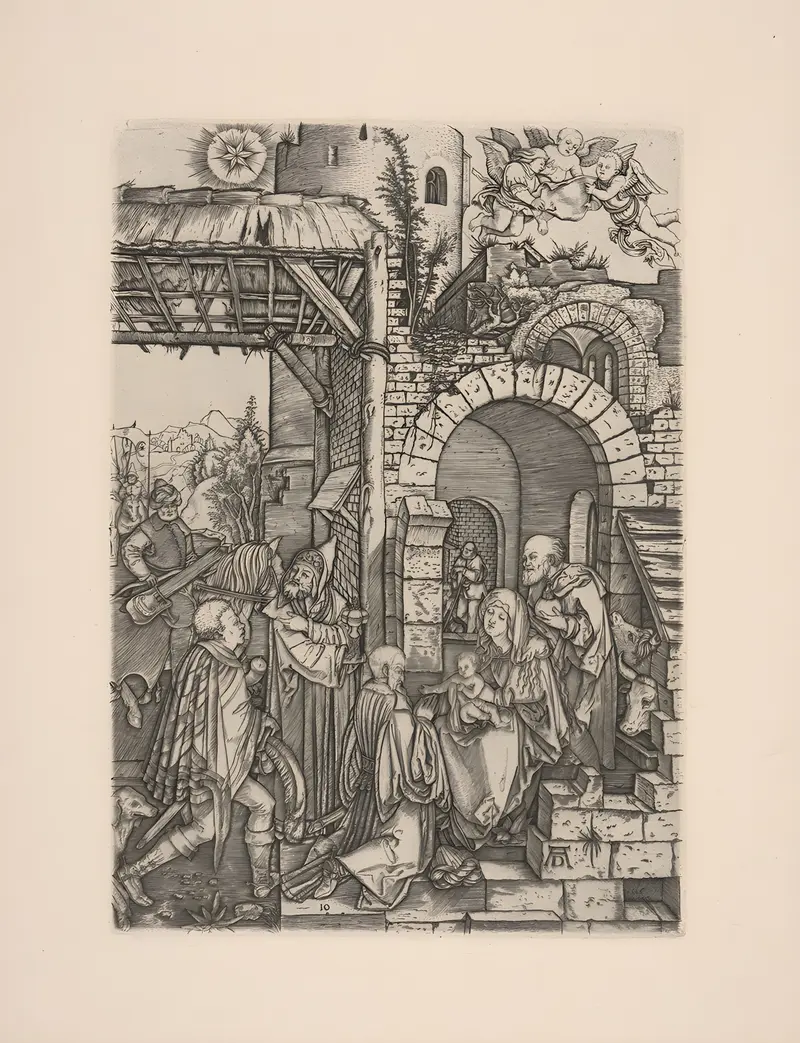
The Adoration of the Magi
Albrecht Dürer
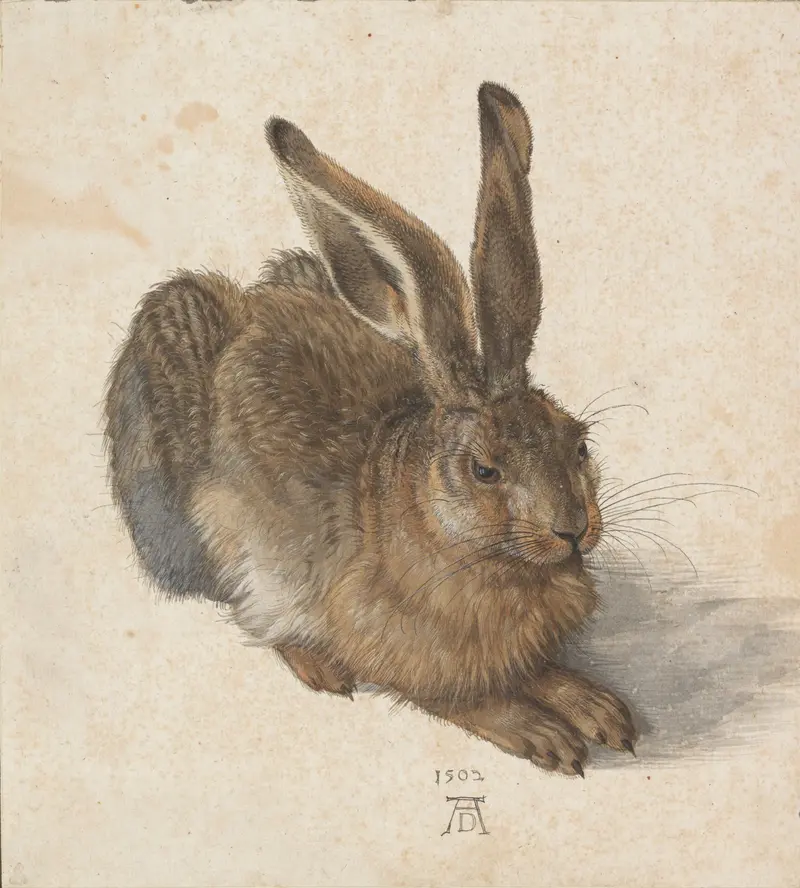
Young Hare
Albrecht Dürer
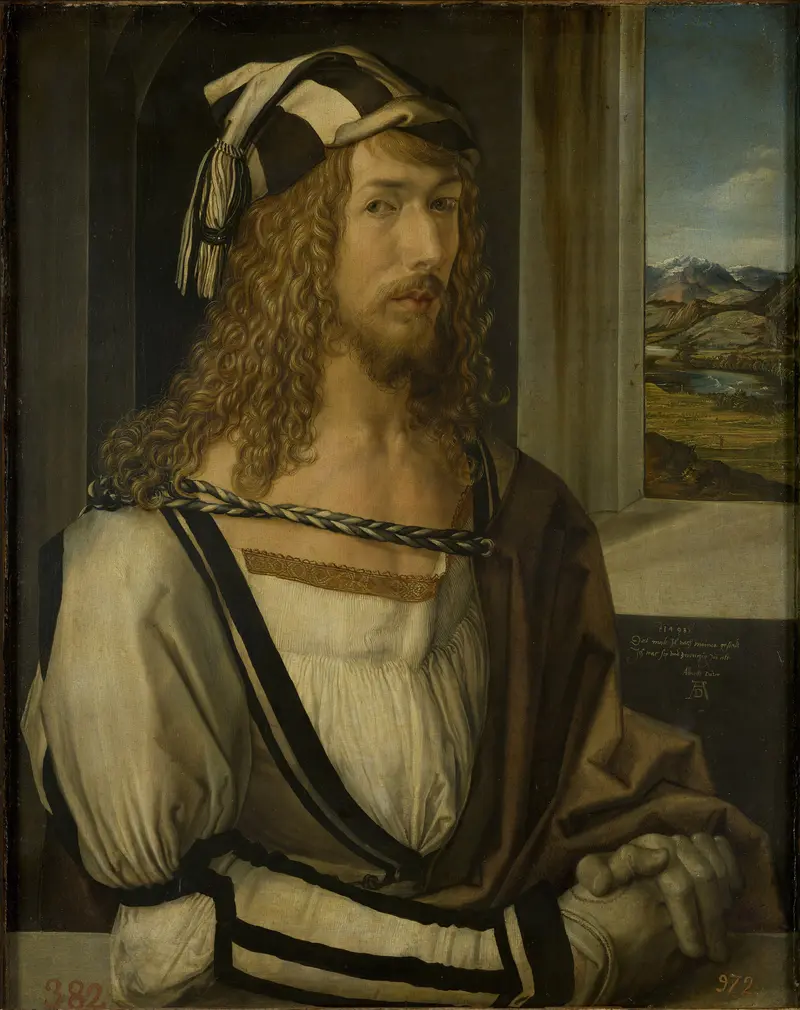
Self-portrait
Albrecht Dürer





