
Maryino – white night — History & Facts
In the gentle embrace of twilight, we find ourselves confronted with the depth of solitude and reflection. The stillness of the evening invites us to ponder our own quiet moments, revealing the intricate dance between memory and presence. Look to the center at the luminous river, its surface shimmering like a whisper of dreams. The way the light plays upon the water creates a delicate contrast between the vibrant hues of the sky and the deep shadows that cradle the banks.
Notice how the soft strokes of white and blue blend seamlessly, evoking a sense of tranquility that envelops the viewer. The composition draws the eye along the horizon, where the sky dissolves into a palette of ethereal colors, inviting an exploration of both space and emotion. Within this serene landscape, the interplay between light and dark resonates with deeper meanings. The river signifies a passage of time, a flowing reflection of life's transient moments, while the encroaching darkness hints at the unknown — perhaps the fears or regrets that linger just beyond the light.
The solitary trees stand as guardians of this quiet scene, their stark silhouettes embodying resilience amidst the ebb and flow of existence. In 1905, while living in Warsaw, Jan Ciągliński painted this evocative piece during a time when Europe was grappling with social change and a quest for artistic identity. He was influenced by the Symbolist movement, which sought to convey emotional depth through subtlety and suggestion. This period marked an exploration of impressionistic techniques, reflecting a growing desire to capture the ephemeral beauty of nature and the complexities of human experience.
More Artworks by Jan Ciągliński
Browse all →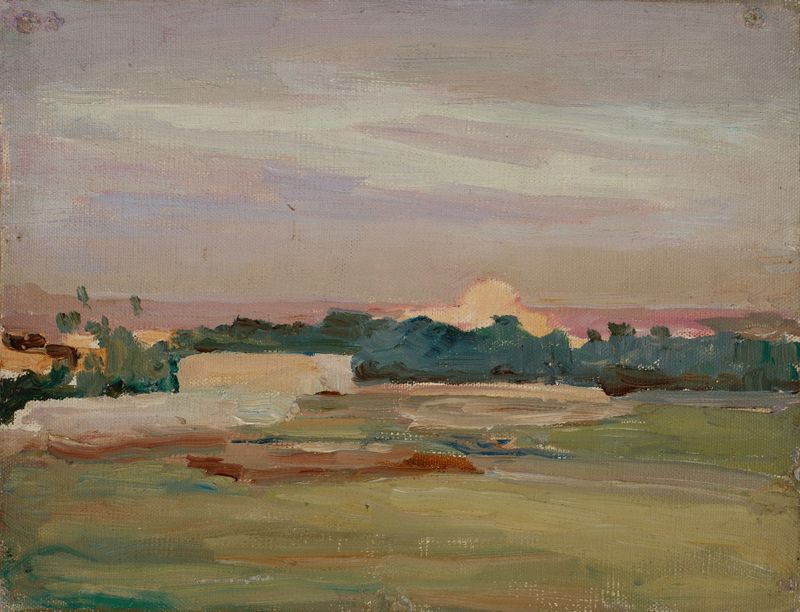
The Sirocco
Jan Ciągliński
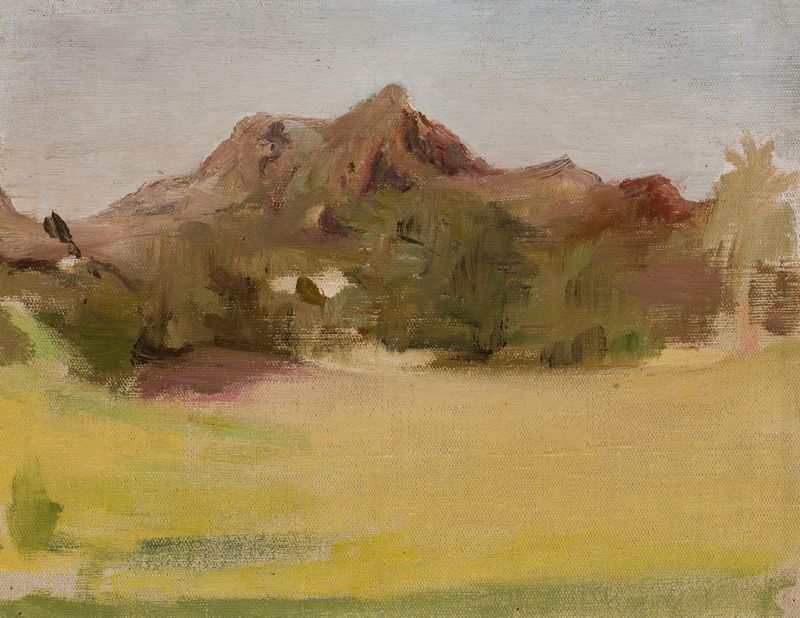
Mountain landscape. From the journey to India
Jan Ciągliński
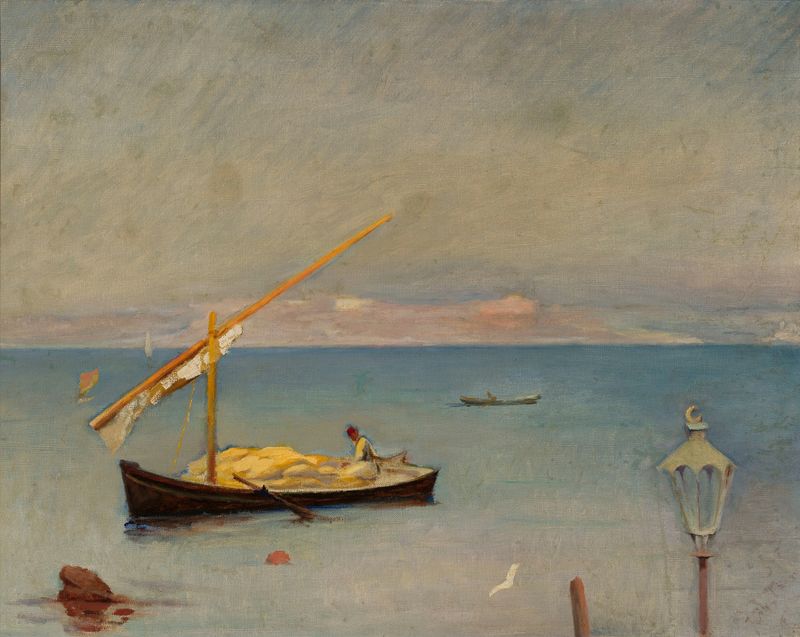
At Bosporus
Jan Ciągliński
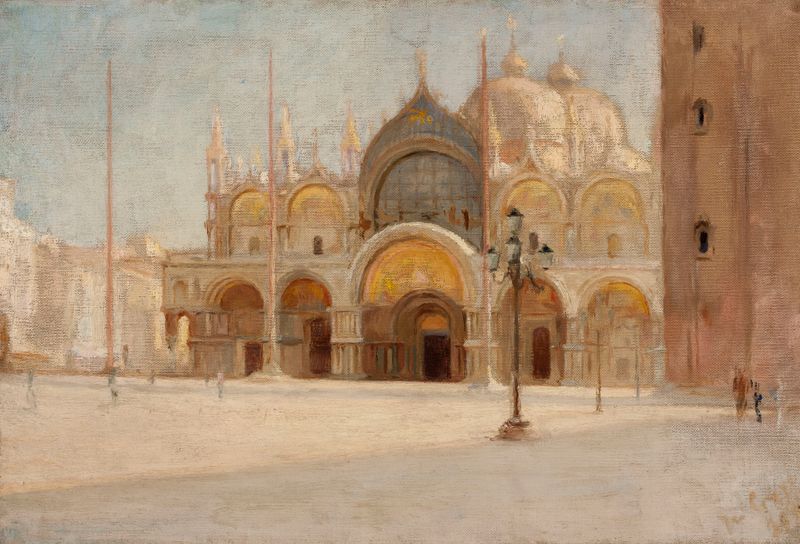
St Mark’s Square in Venice
Jan Ciągliński
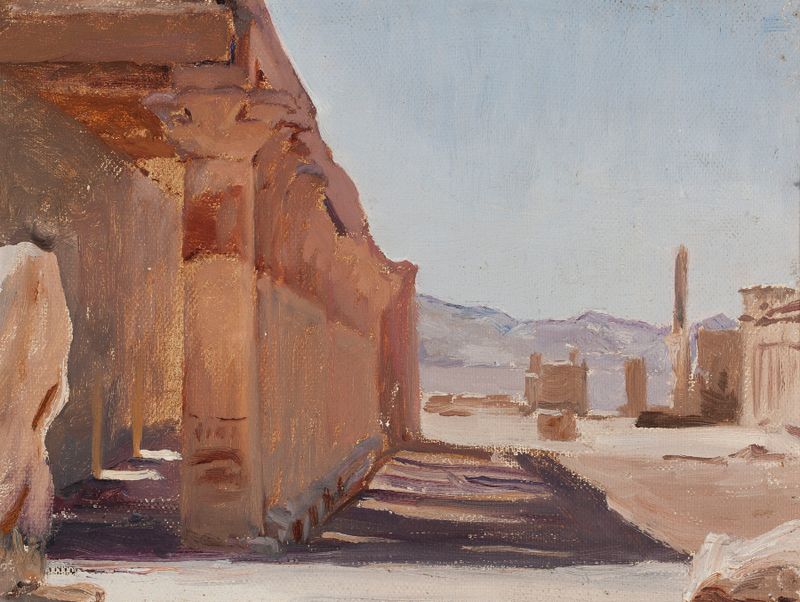
Temple. From the journey to Egypt
Jan Ciągliński
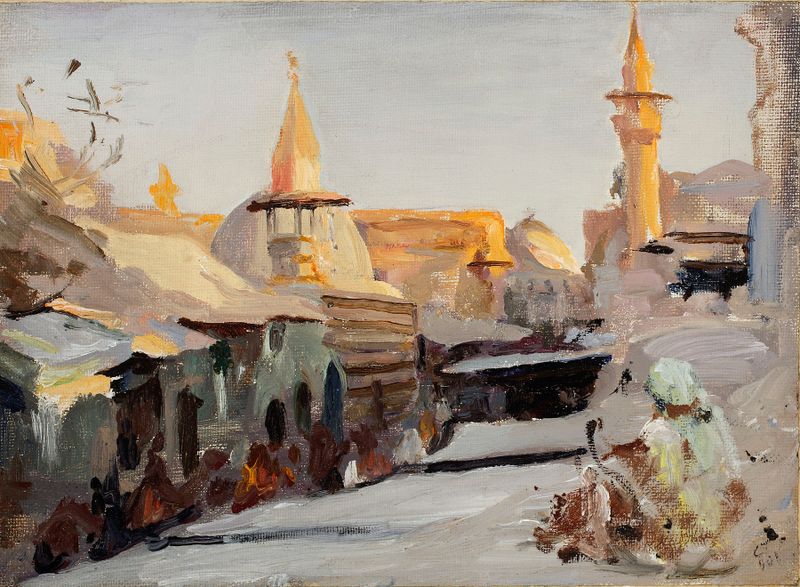
Street in Damascus. From the journey to Palestine
Jan Ciągliński
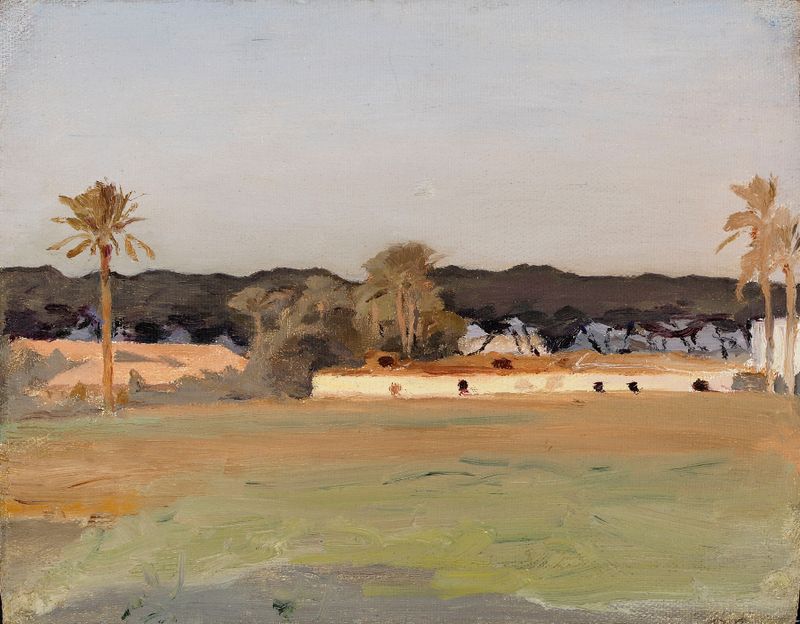
Evening. From the journey to Egypt
Jan Ciągliński
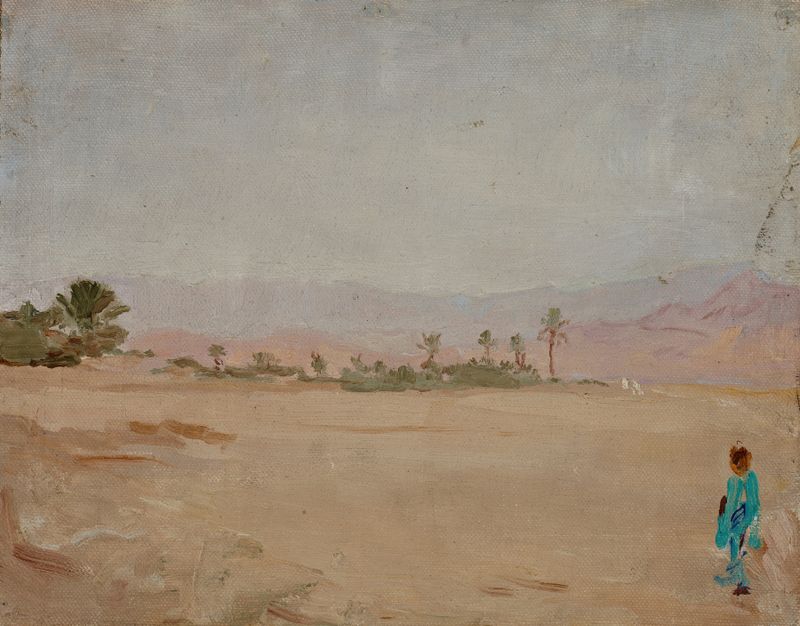
Sahara (Desert)
Jan Ciągliński
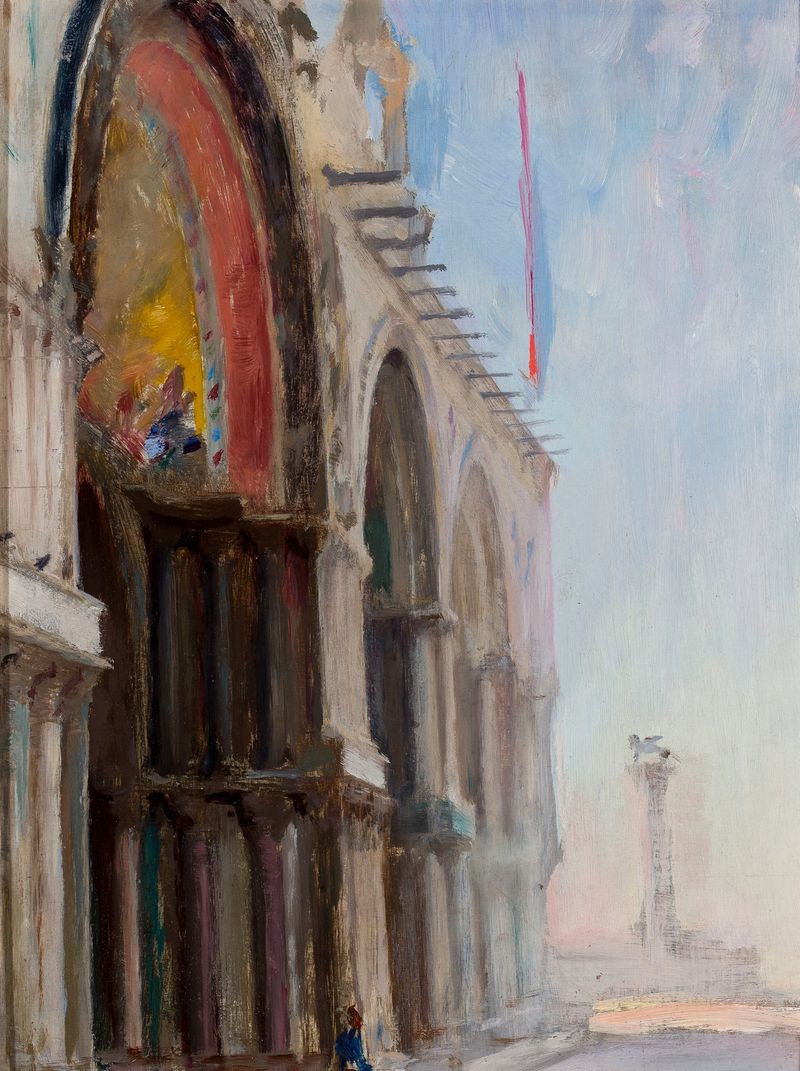
Venice – San Marco. From the journey to Italy
Jan Ciągliński
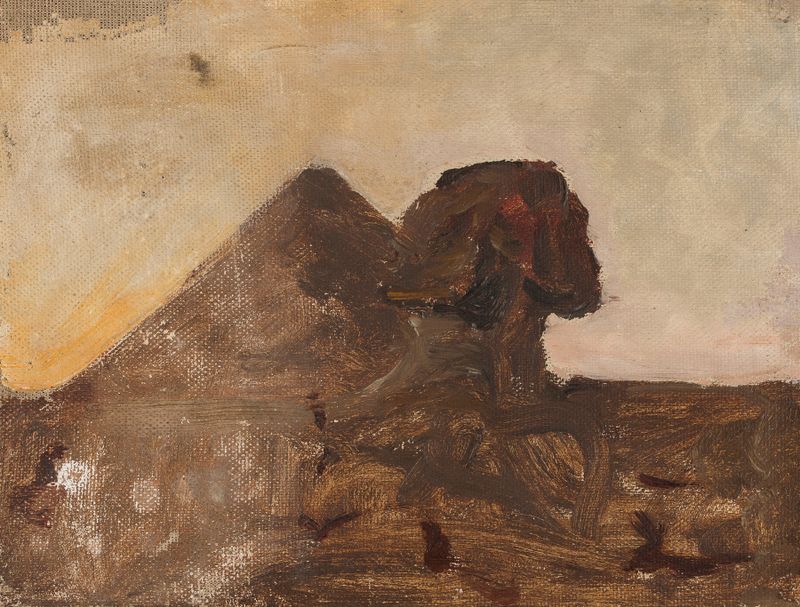
Evening in the desert – Sphinx and pyramid. From the journey to Egypt
Jan Ciągliński





