
Matrona Parisiensis — History & Facts
In a world where destiny intertwines with image, we find ourselves drawn into a timeless portrait that breathes life into both subject and observer. Focus on the serene gaze of the figure at the center, her softly rendered features capturing an essence of grace. Notice how the delicate lines and muted earth tones create a sense of warmth, inviting us into her world. The subtle play of light across her garments highlights both texture and form, encapsulating a moment that feels both personal and universal.
Her posture, poised yet relaxed, suggests a narrative waiting to unfold. Further exploration reveals the emotional tension embedded in her expression, a blend of introspection and quiet strength. The folds of her attire hint at a life lived, each shadow a whisper of experiences etched into her very being. Surrounding her, the gentle background elements, like the foliage and architectural hints, speak to the connection between individuality and the societal fabric in which she exists, suggesting a destiny shaped by both personal choice and external influence. Wenceslaus Hollar created this work in 1643 while living in London, having fled the turmoil of the Thirty Years' War in Europe.
During this period, he was immersed in a vibrant artistic community, focusing on etching and printmaking. This portrait reflects not only his mastery of line and detail but also the broader cultural shifts of an era poised on the cusp of modernity, capturing a moment of stillness amidst the chaos of history.
More Artworks by Wenceslaus Hollar
Browse all →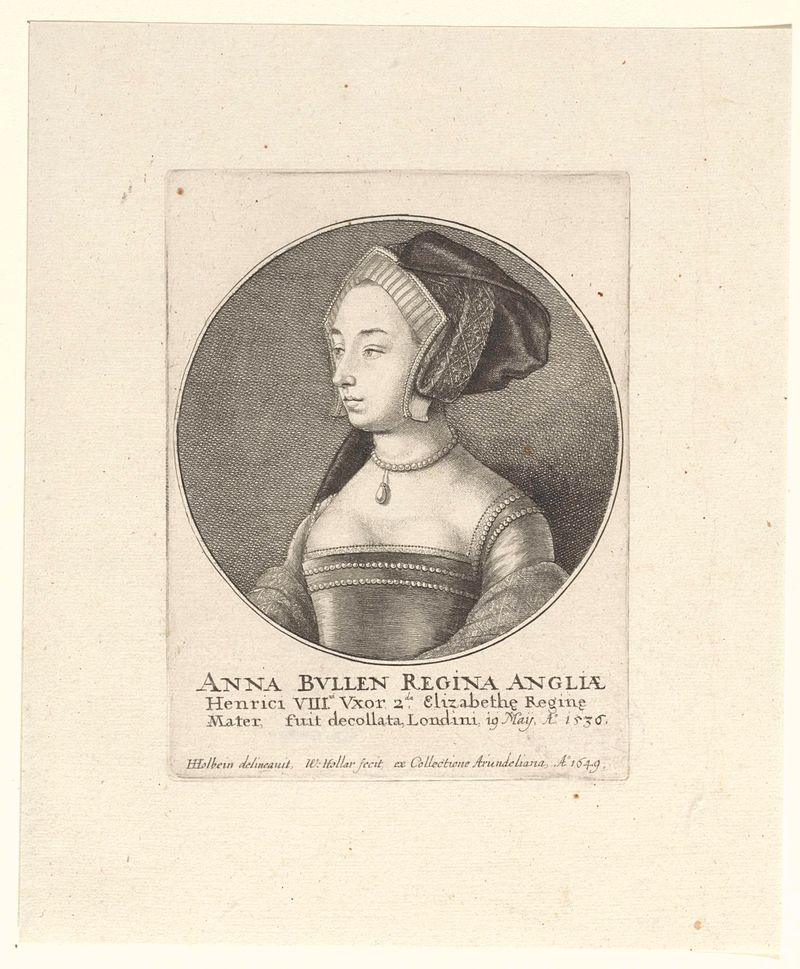
Portret van Anna Boleyn, koningin van Engeland
Wenceslaus Hollar
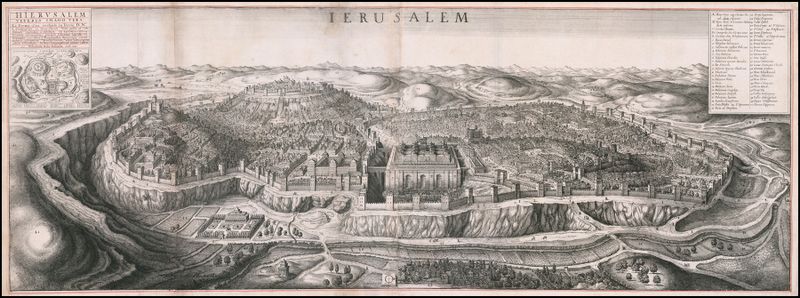
Bird’s eye view of Jerusalem
Wenceslaus Hollar
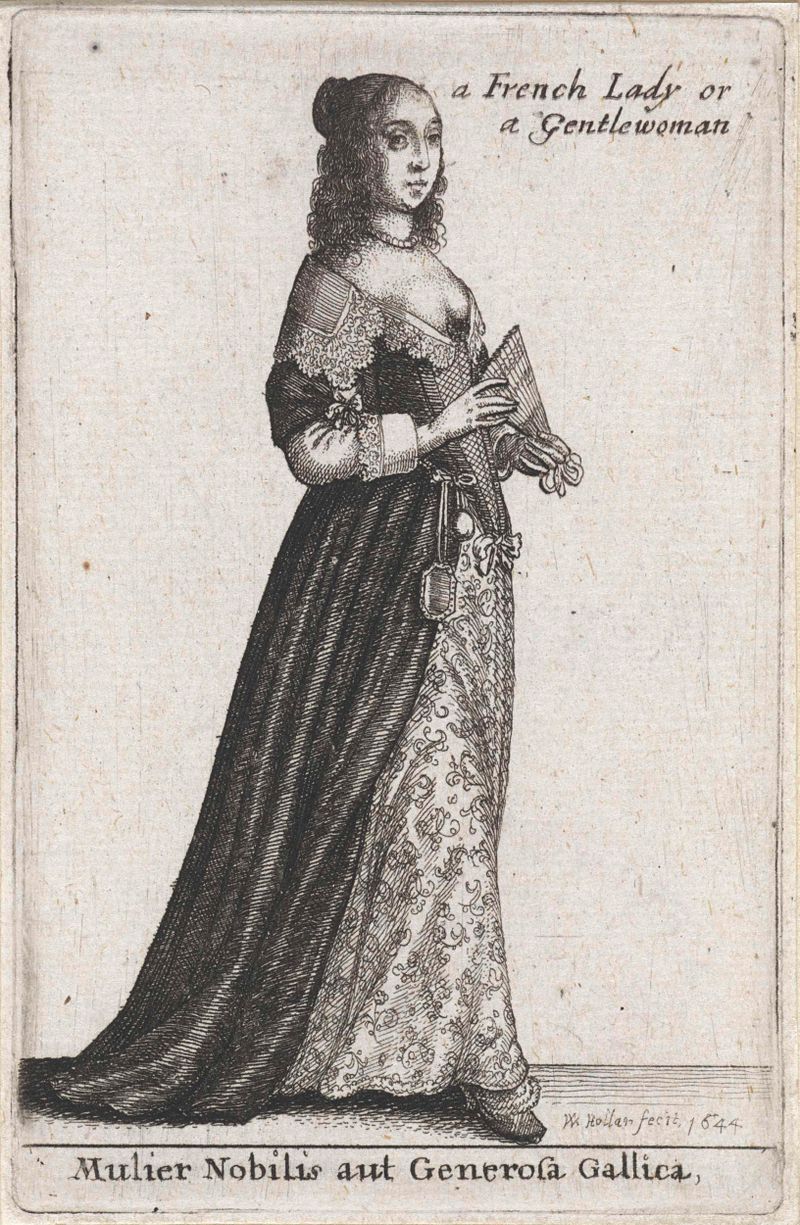
Mulier Nobilis aut Generosa Gallica / a French Lady or Gentlewoman
Wenceslaus Hollar
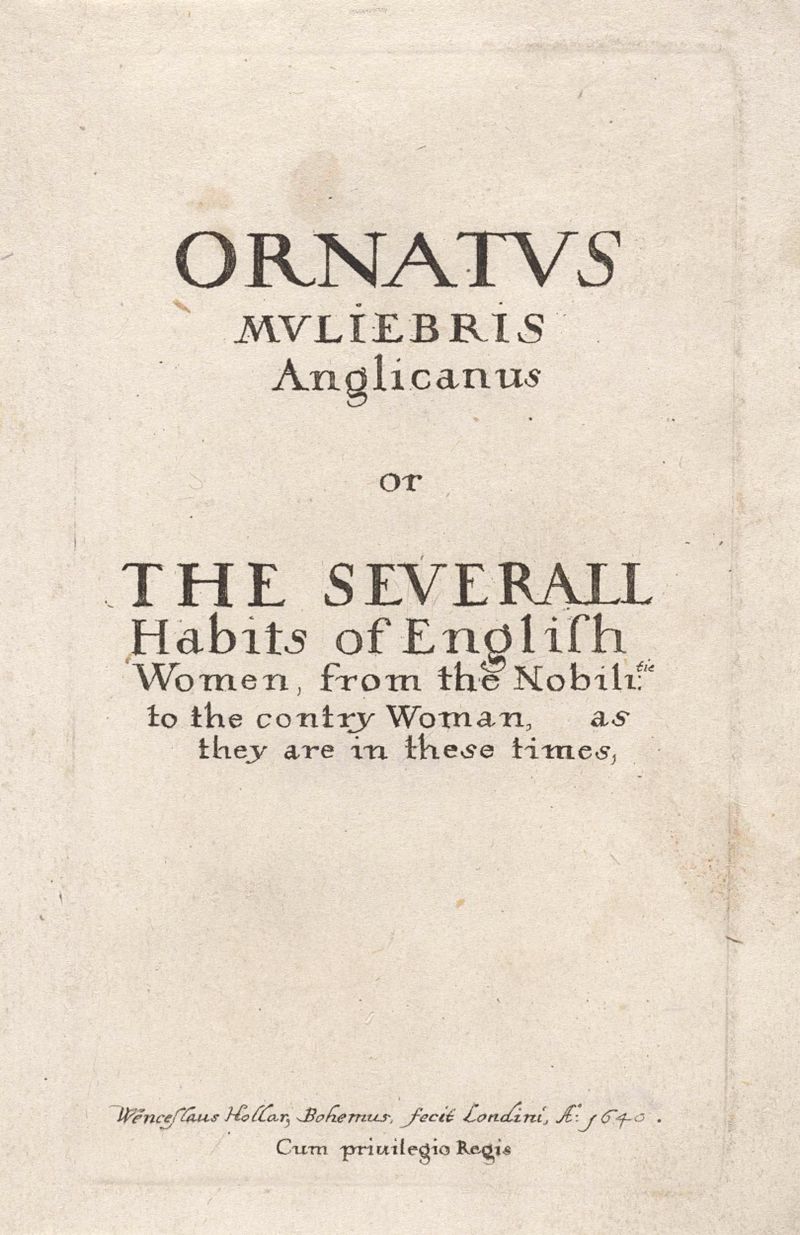
Titelprent voor: Ornatus Muliebris Anglicanus
Wenceslaus Hollar
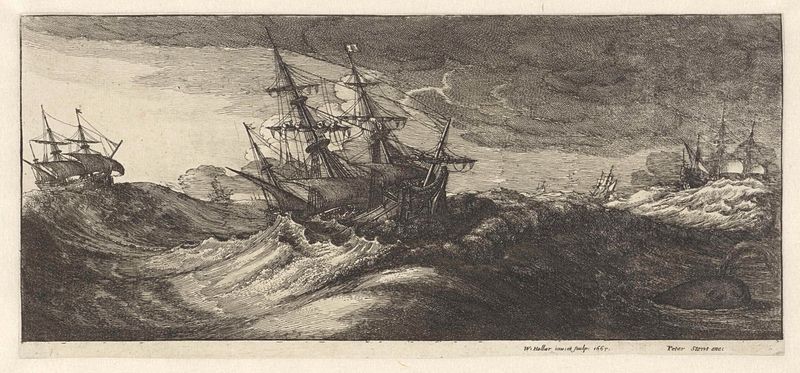
Oorlogsschepen en een walvis in een zeestorm
Wenceslaus Hollar
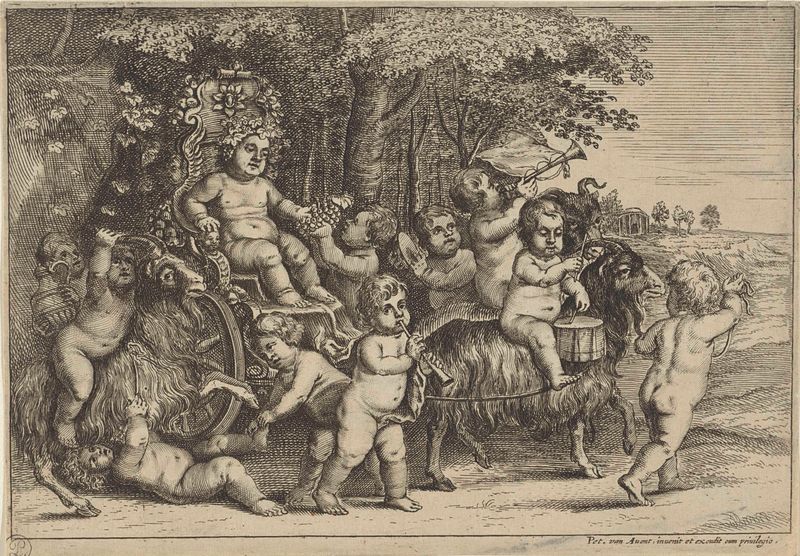
Optocht van bacchant en jongetjes op geiten
Wenceslaus Hollar
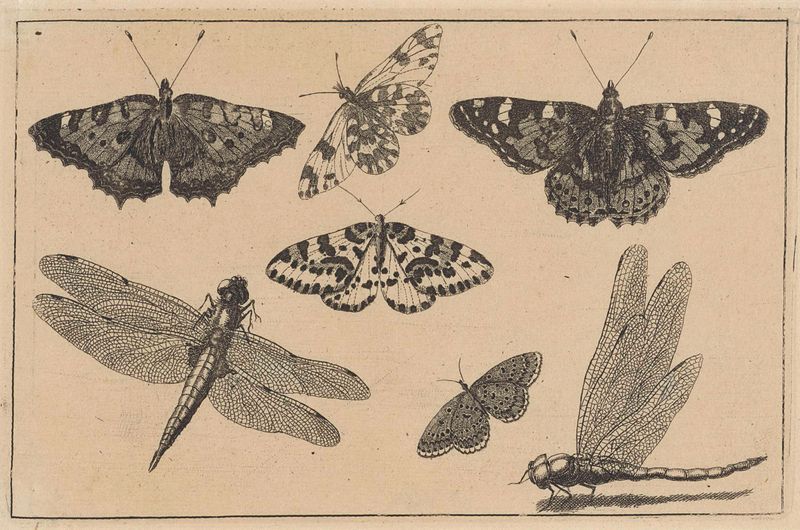
Twee libellen en vijf vlinders
Wenceslaus Hollar
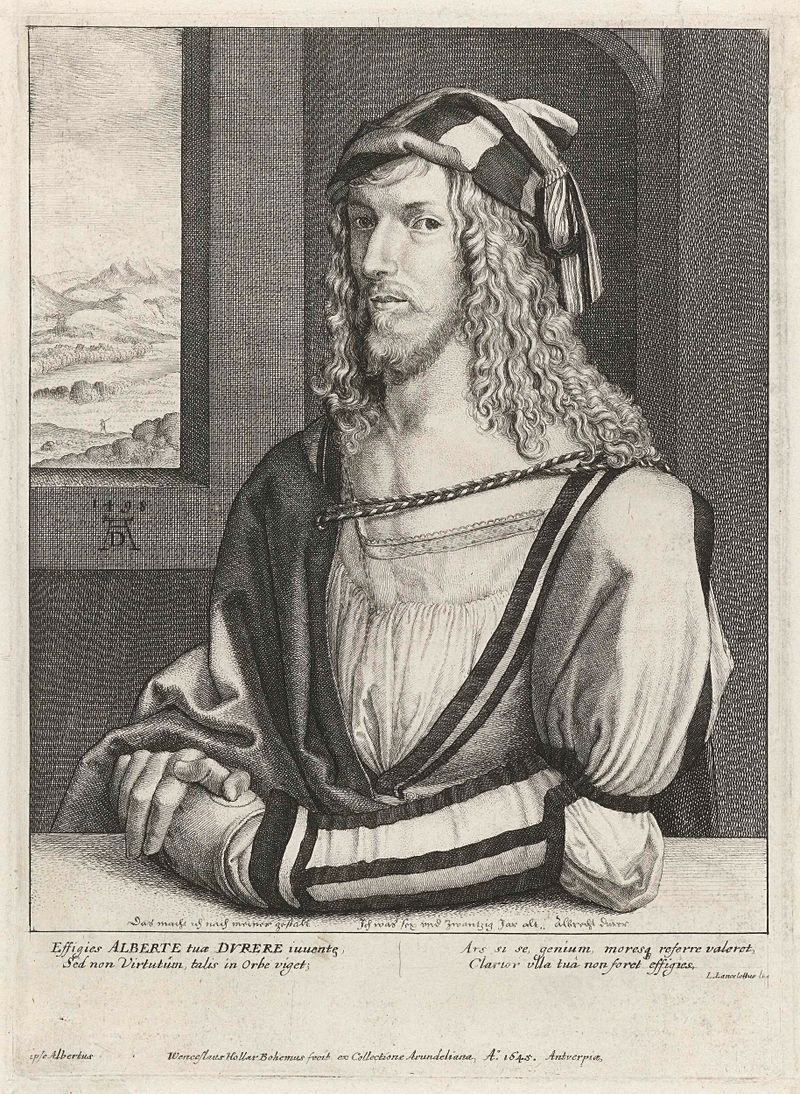
Portret van Albrecht Dürer
Wenceslaus Hollar
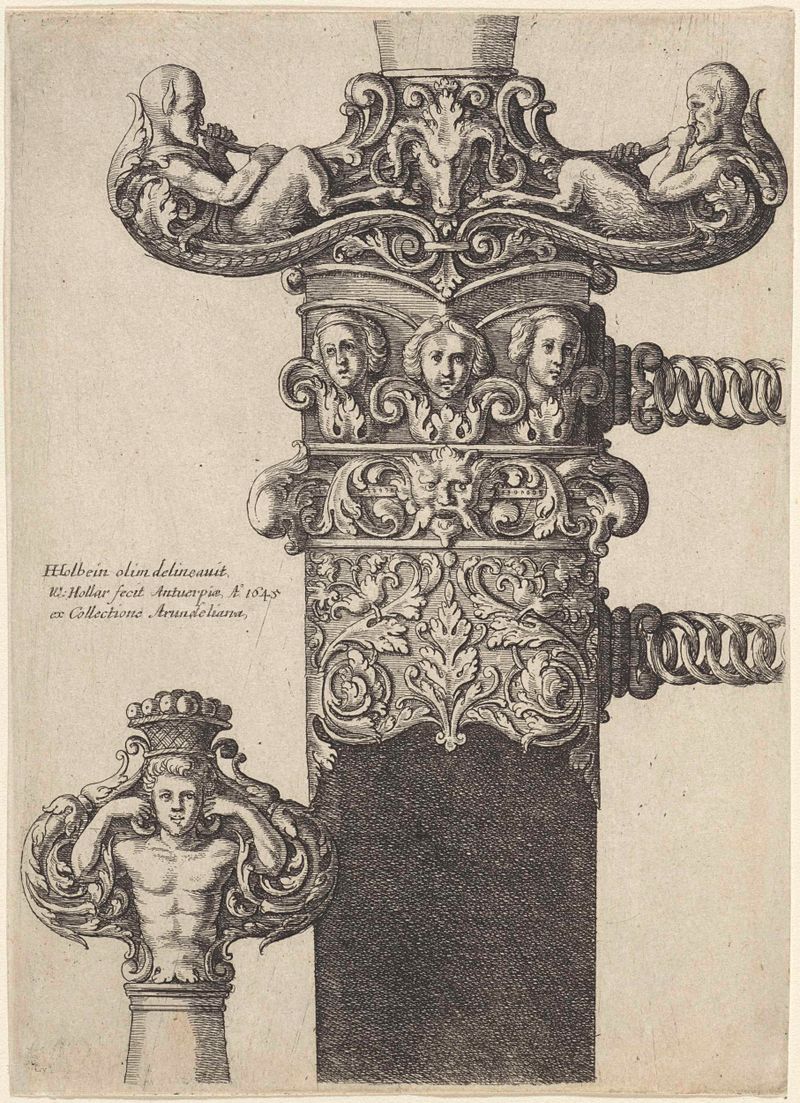
Ornamenteel ontwerp voor een dolk
Wenceslaus Hollar
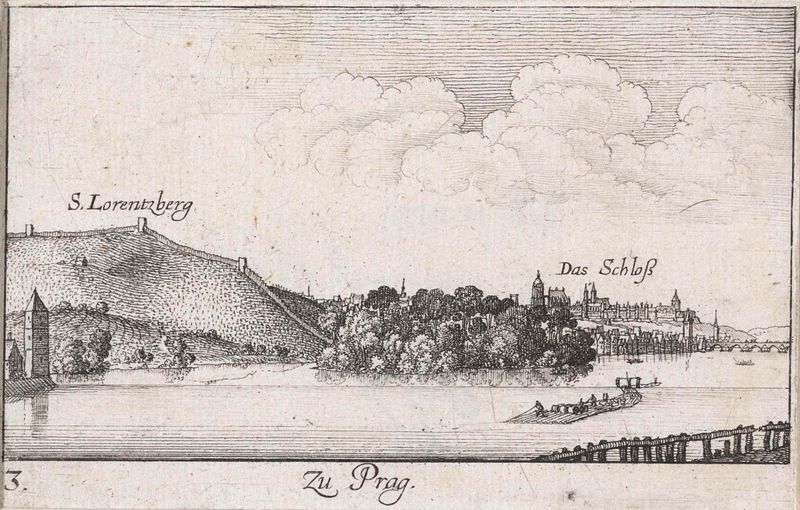
Gezicht op Praag vanaf de Moldau
Wenceslaus Hollar
More Portrait Art
Browse all →
Las meninas
Diego Velázquez

Self-portrait with a Bandaged Ear and Pipe
Unidentified artist

Girl with a Pearl Earring
Johannes Vermeer

The Sampling Officials of the Amsterdam Drapers’ Guild, Known as ‘The Syndics’
Rembrandt van Rijn

The Hundred Guilder Print: the man seen on the back in the lower left corner
Rembrandt van Rijn

Portrait of Dr Gachet
Vincent van Gogh