
Matsu no yukibare (Pines in clear weather after snow) — History & Facts
In the delicate realm of art, each stroke whispers of the ephemeral nature of existence, evoking reflections on mortality and the passage of time. Focus on the serene silence of the landscape, where the snow-dusted pines stand tall against a backdrop of tranquil blue. Notice the gentle gradation of color in the sky, transitioning from deep azure to soft cerulean, a testament to the artist's skill in capturing atmospheric depth. The meticulous detailing of the snow-laden branches, each flake seemingly alive, invites your eyes to wander across the canvas, while the graceful curves of the trees create a rhythm that pulls you into an intimate connection with the scene. Beyond the evident beauty lies a poignant tension between permanence and transience.
The snow, an ephemeral layer that beautifies yet will soon melt away, mirrors the fleeting moments of life itself. Additionally, the contrasting hues of the warm pines against the cool snow evoke a sense of harmony intertwined with sorrow, as nature’s cycles remind us of our own mortality. Created in 1929, this work emerged during a time of significant change in Japan, marked by modernization and a revival of traditional art forms. Kawase Hasui, part of the Shin-hanga movement, sought to blend Western techniques with Japanese aesthetics, capturing the essence of landscapes while reflecting a society caught between the old and the new.
His dedication to portraying the beauty of nature speaks to a collective yearning for connection in an ever-evolving world.
More Artworks by Kawase Hasui
Browse all →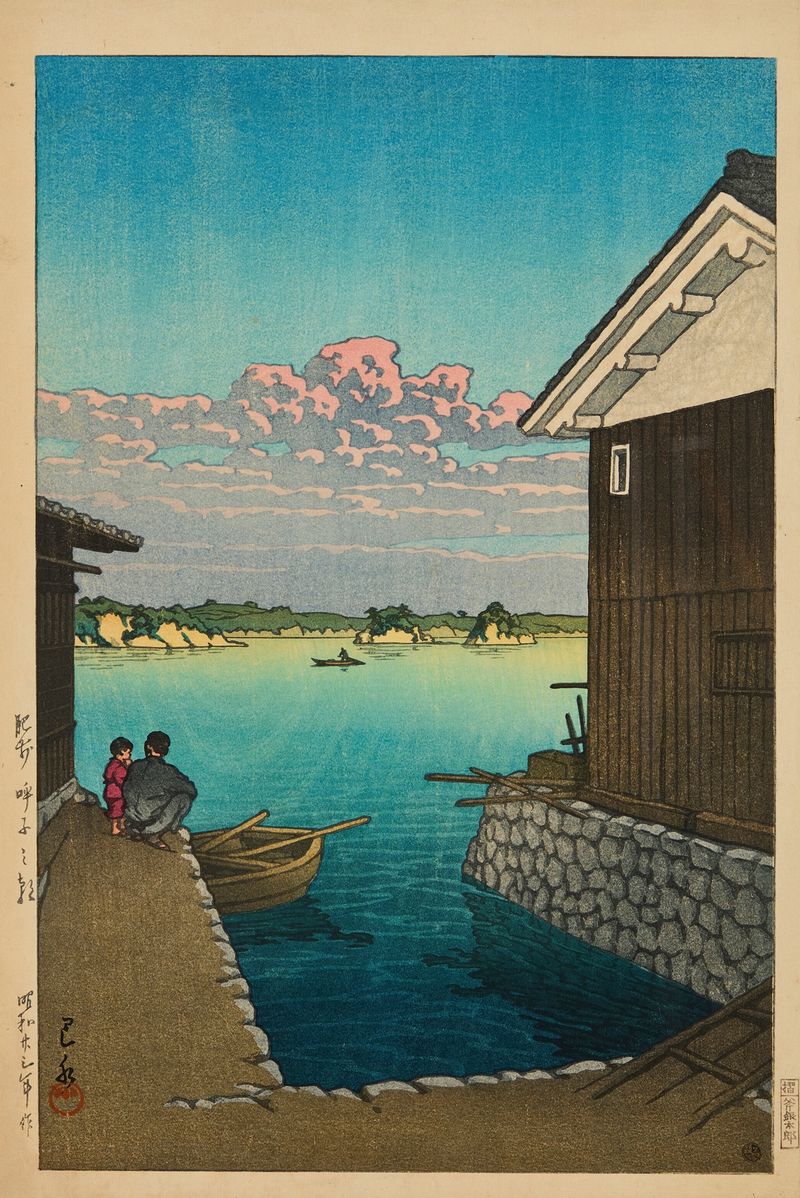
Hizen Yobuko no asa (Morning in Yobuko, Hizen)
Kawase Hasui
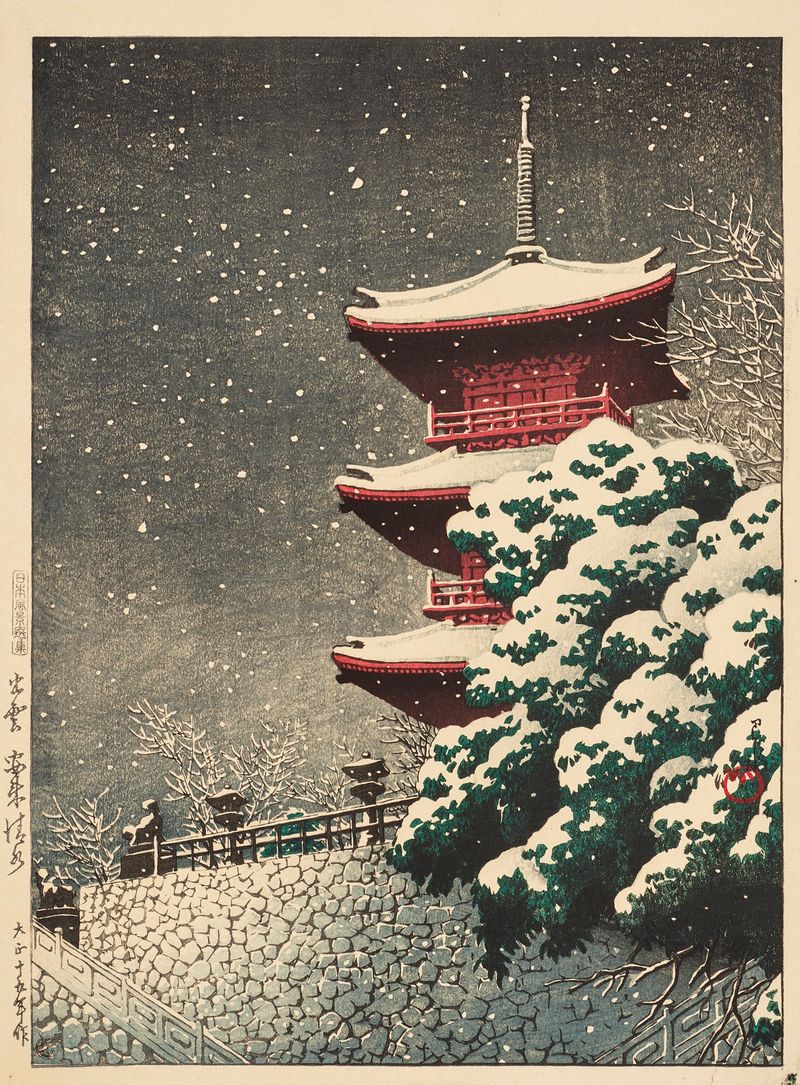
Izumo, Yasugi Kiyomizu (Yasugi Kiyomizu Temple at Izumo)
Kawase Hasui
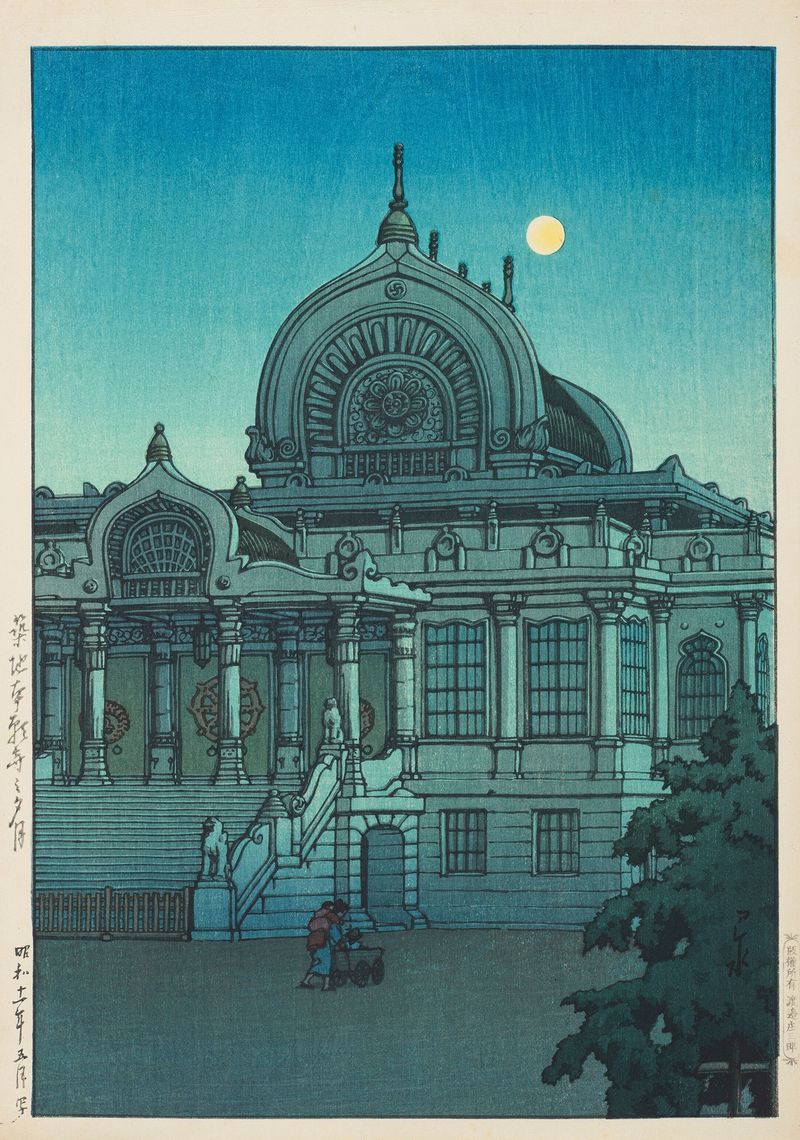
Tsukiji Honganji no yuzuki (Evening moon at Honganji Temple in Tsukiji)
Kawase Hasui
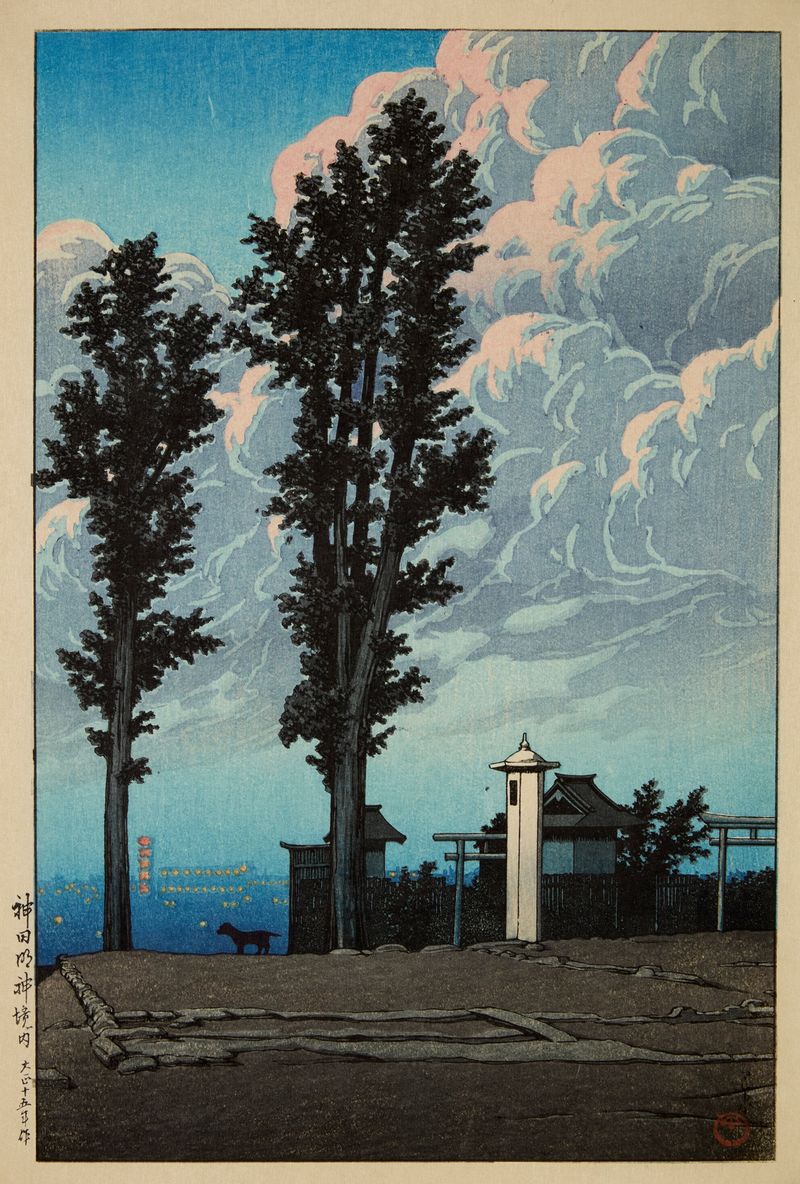
Kanda Myojin keidai (Kanda Myojin Shrine precent)
Kawase Hasui
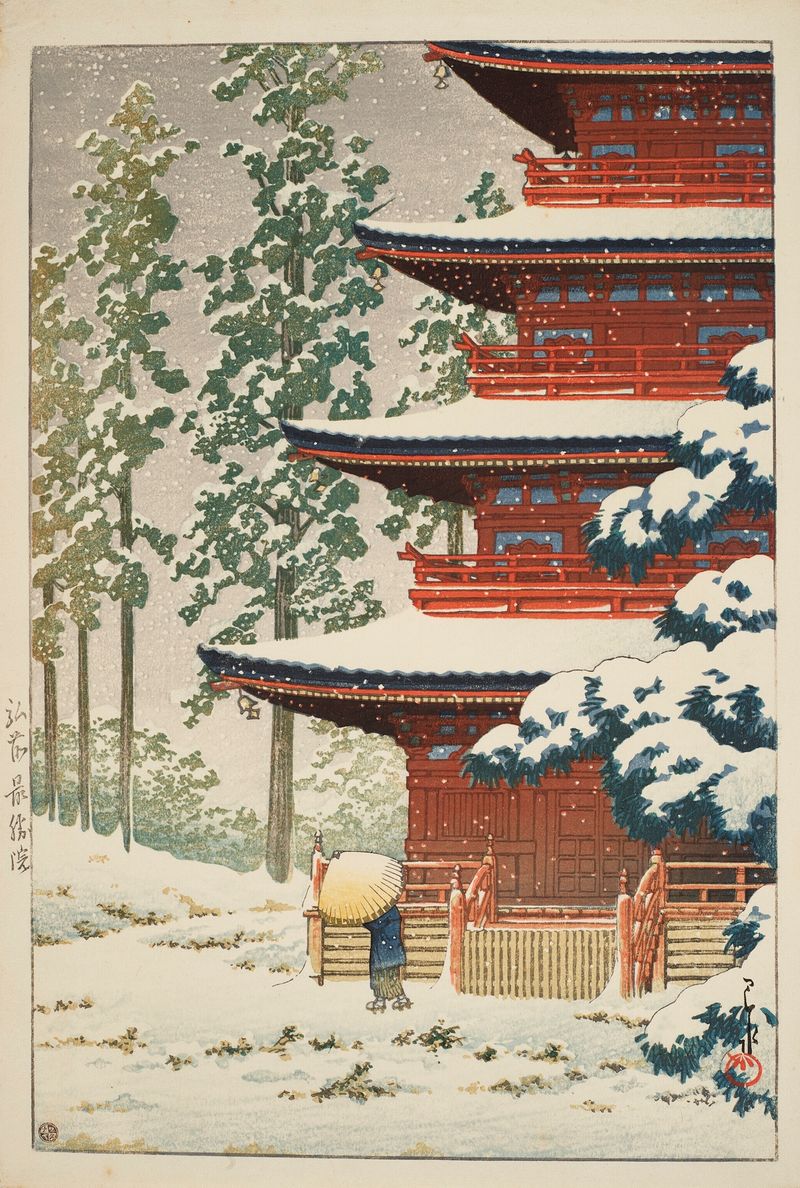
Saisho-in Temple, Hirosaki
Kawase Hasui
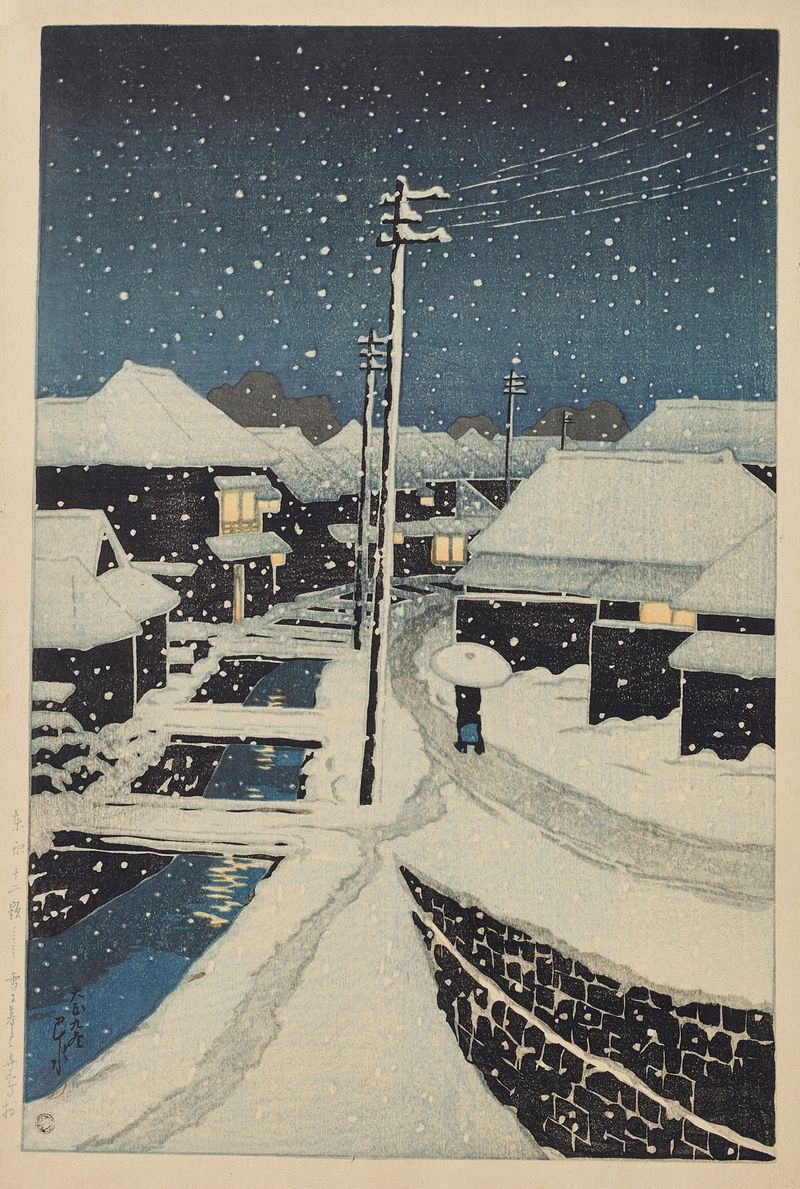
Yuki ni fururu Terajima mura (Evening snow at Terajima Village)
Kawase Hasui
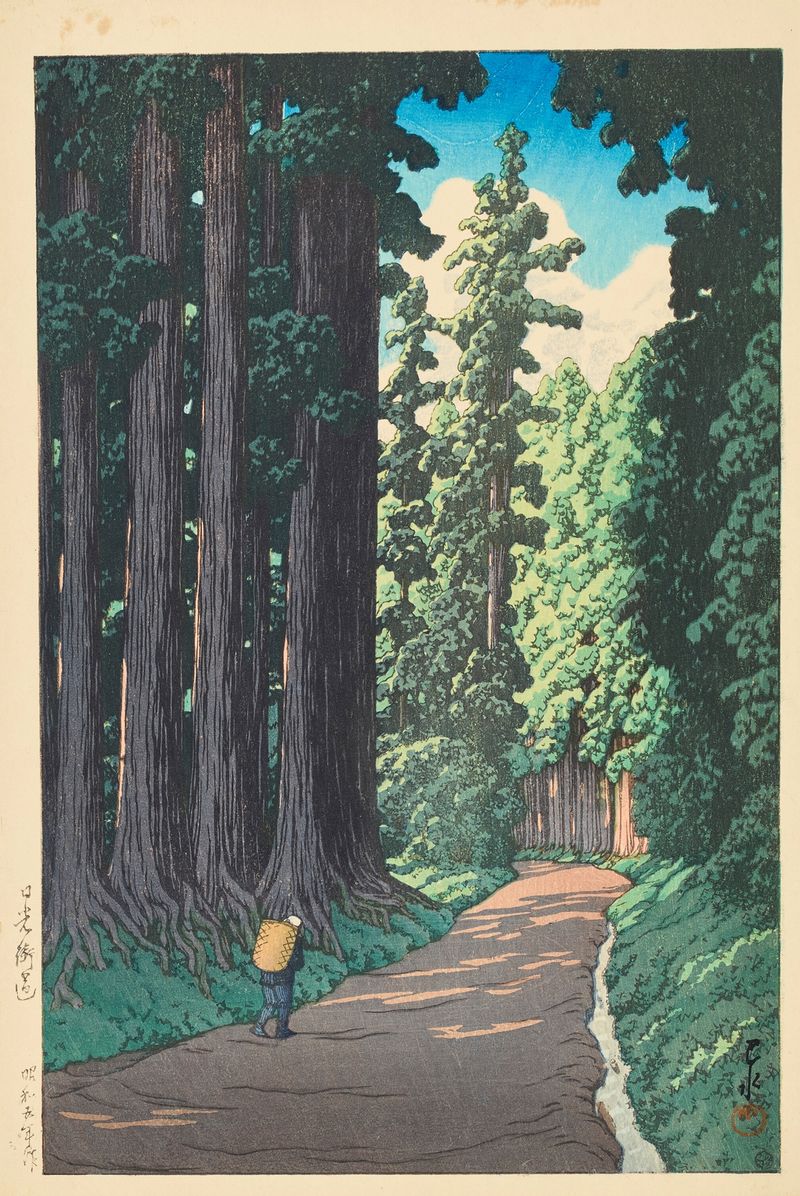
Nikko gaido (The Road to Nikko)
Kawase Hasui
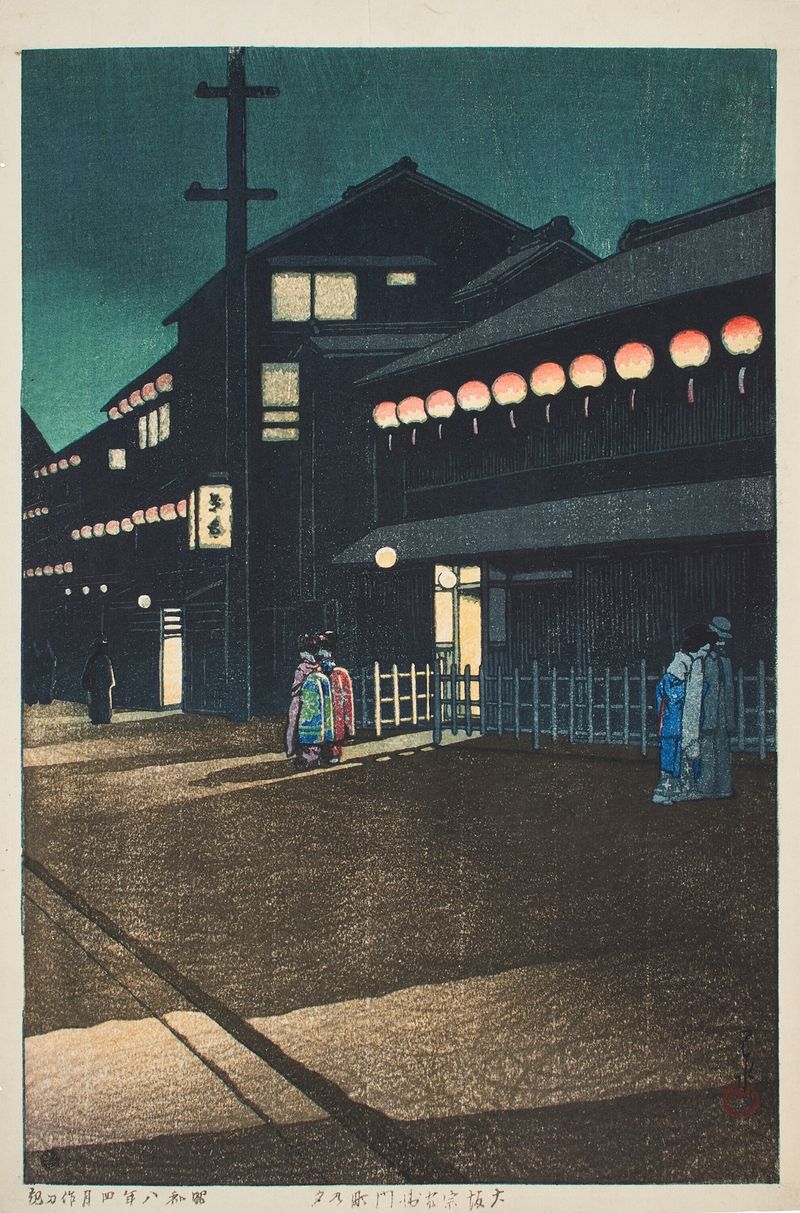
Osaka Soemon-cho no yu (Evening in Soemon-cho, Osaka)
Kawase Hasui
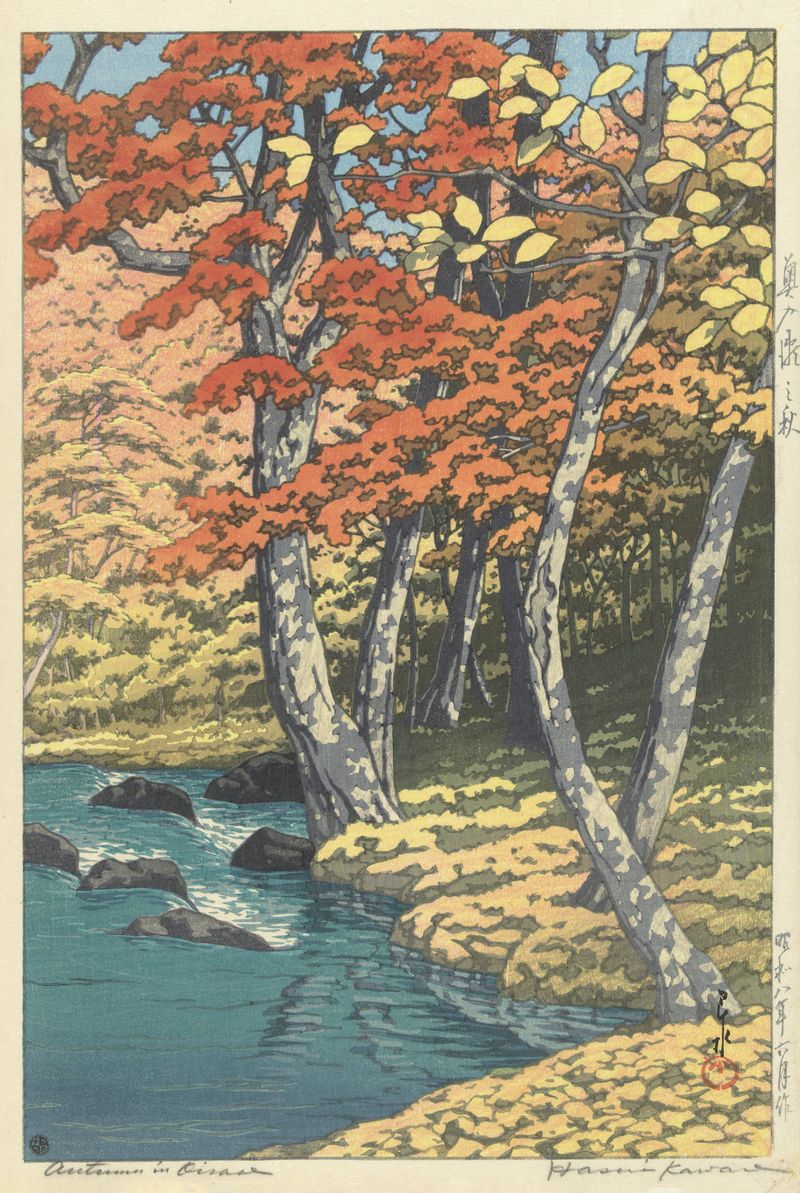
Autumn In Oirase
Kawase Hasui
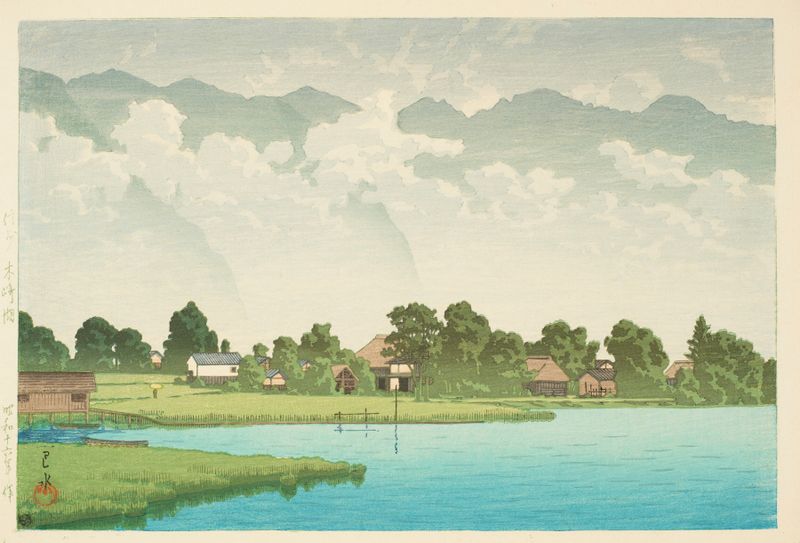
Shinshu Kizakiko (Kizaki Lake in Shinshu)
Kawase Hasui





