
Matsuyamajo meigetsu (Full moon over Matsuyama Castle) — History & Facts
When did color learn to lie? The splendid hues of twilight shimmer with an allure that hints at deeper truths, inviting us to question the very nature of beauty. Look at the serene castle perched on the hill, its silhouette rising majestically against a lustrous full moon. The soft blues and silvery whites dominate the palette, creating a tranquil atmosphere that evokes both peace and nostalgia. Notice how the moonlight dances across the water’s surface, illuminating the gentle ripples and casting delicate reflections that seamlessly blend with the night sky.
The artist’s meticulous use of woodblock printing technique captures the subtle gradations of color, enhancing the ethereal quality of the scene. Within this serene composition lies a profound tension between the grandeur of the castle and the delicate beauty of the natural world surrounding it. The interplay of light and shadow suggests an ephemeral moment, where the tranquility of nature contrasts with the strength of human creation. The full moon, a symbol of enlightenment and introspection, casts a soft glow that invites contemplation, reminding viewers of the transient nature of beauty itself. In 1953, Kawase Hasui painted this poignant piece during a time when traditional Japanese art was experiencing a revival in the face of modernization.
Living in post-war Japan, he sought to encapsulate the essence of his homeland through landscapes that celebrated its beauty and heritage. The era marked a significant shift in artistic expression, as Hasui blended his mastery of Ukiyo-e with contemporary sensibilities, preserving a cultural legacy while also embracing change.
More Artworks by Kawase Hasui
Browse all →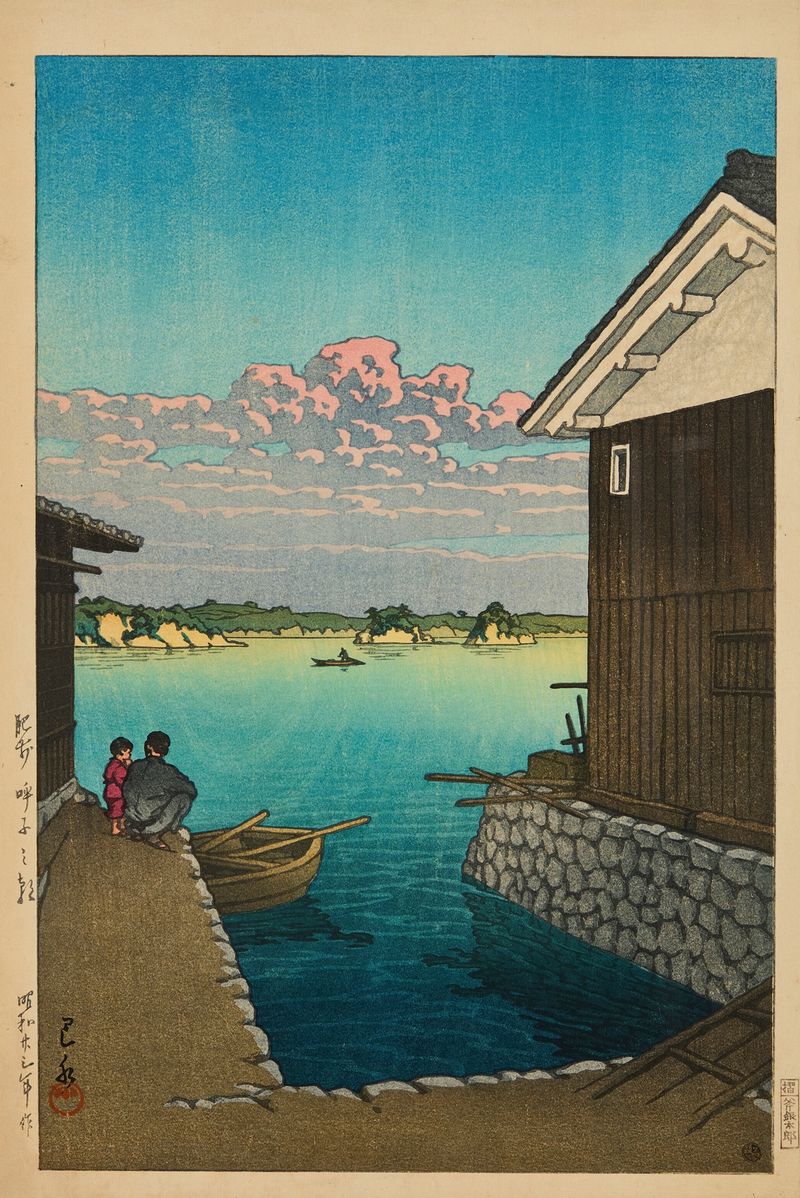
Hizen Yobuko no asa (Morning in Yobuko, Hizen)
Kawase Hasui
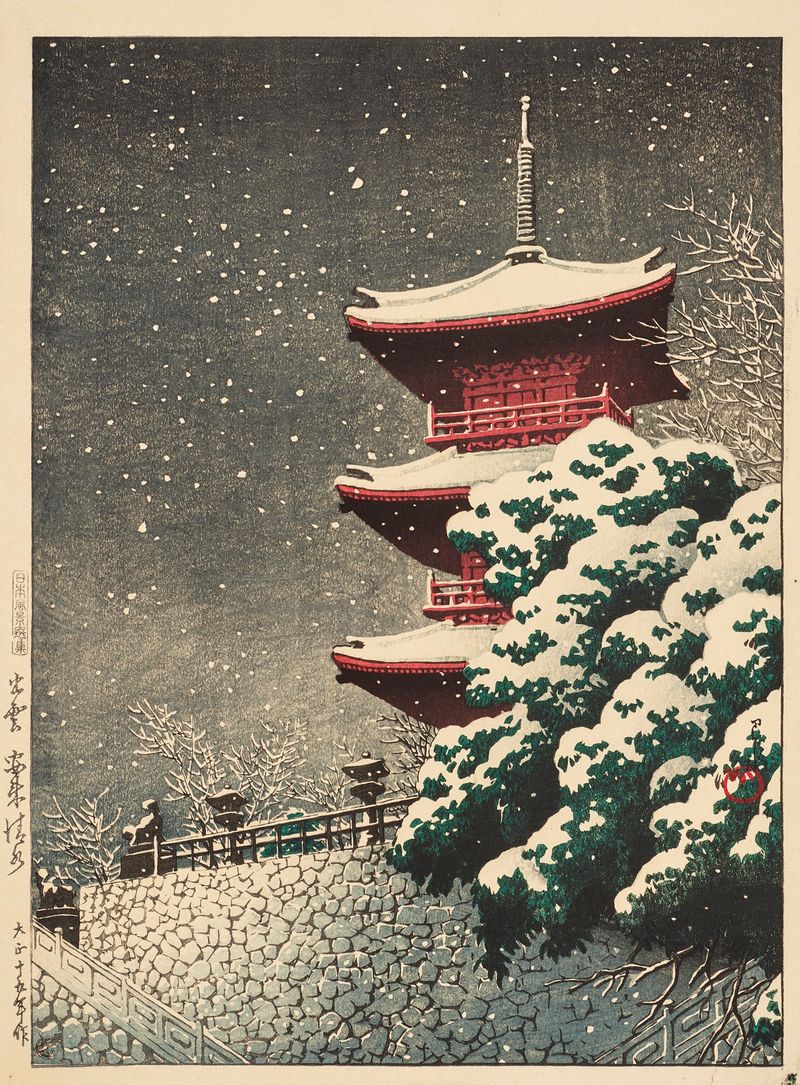
Izumo, Yasugi Kiyomizu (Yasugi Kiyomizu Temple at Izumo)
Kawase Hasui
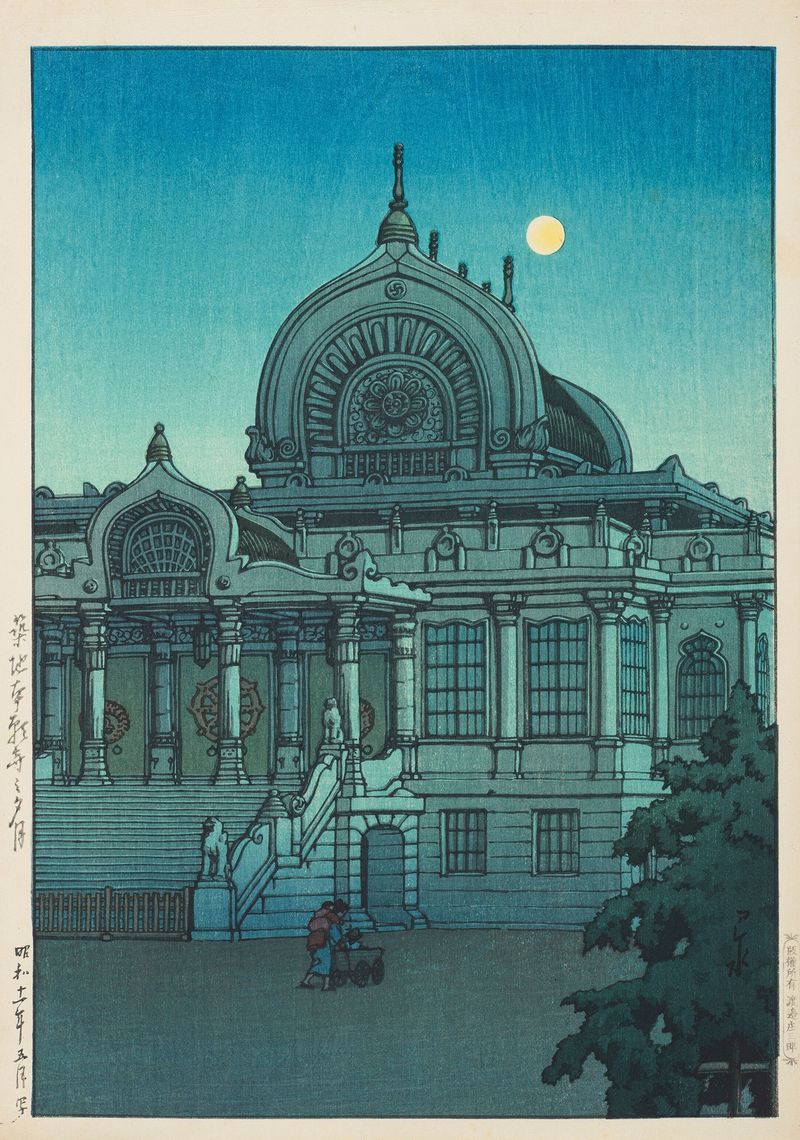
Tsukiji Honganji no yuzuki (Evening moon at Honganji Temple in Tsukiji)
Kawase Hasui
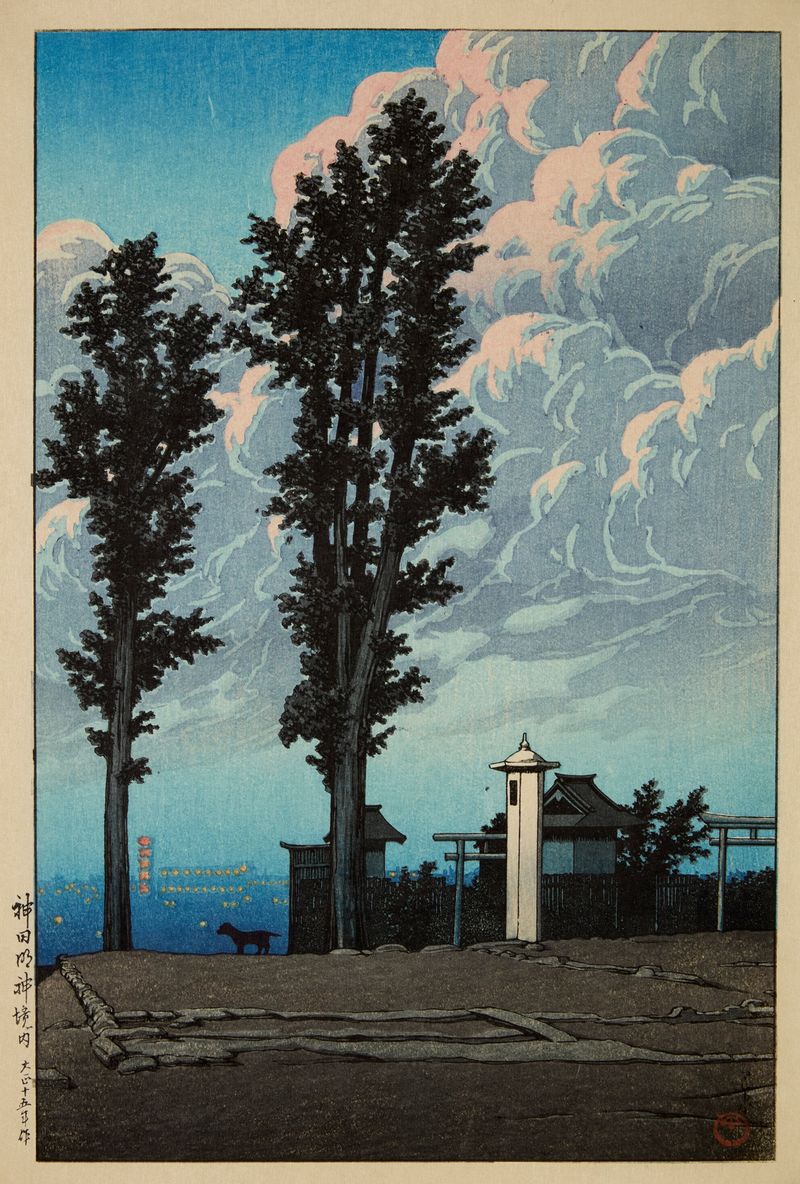
Kanda Myojin keidai (Kanda Myojin Shrine precent)
Kawase Hasui
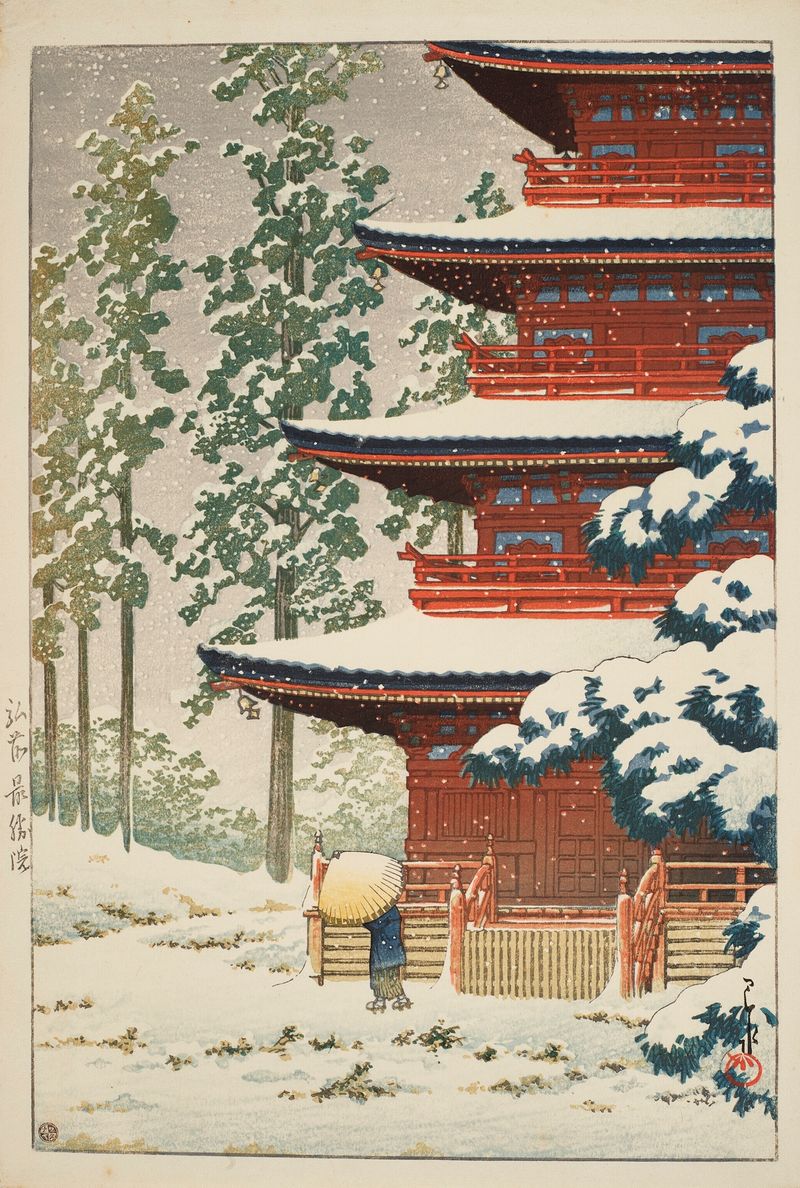
Saisho-in Temple, Hirosaki
Kawase Hasui
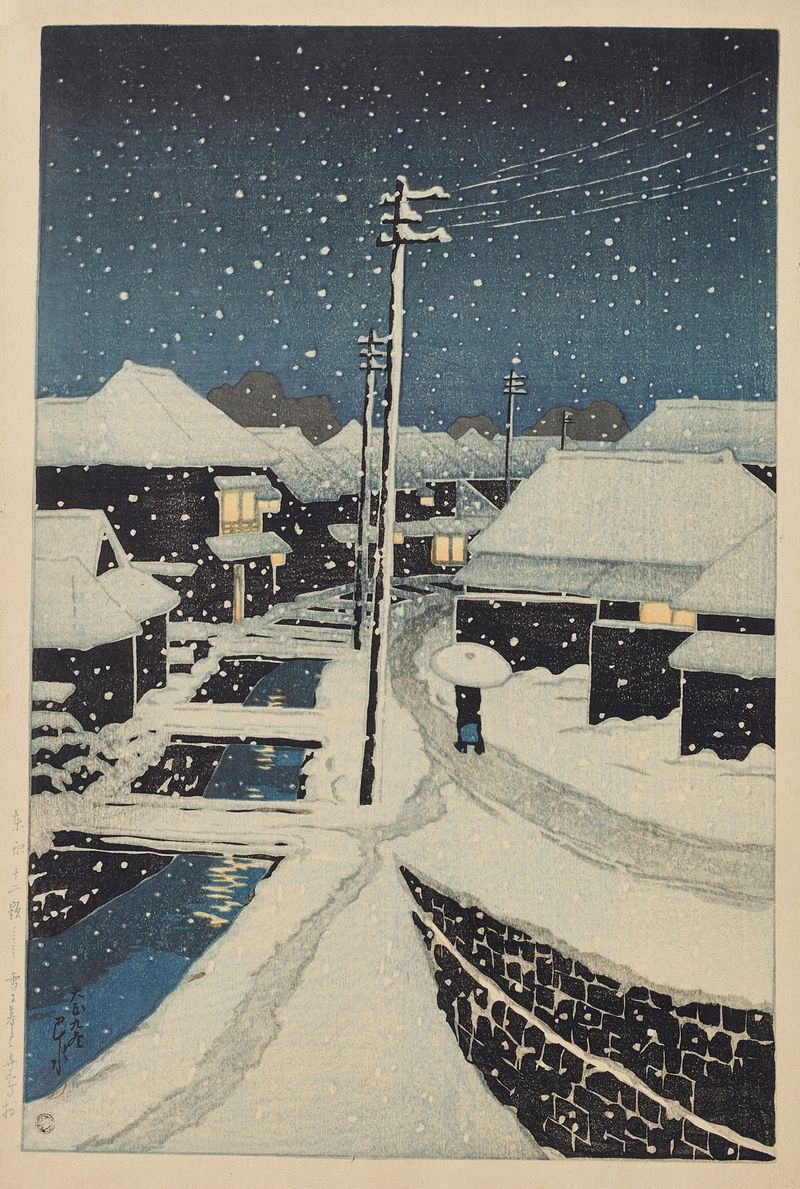
Yuki ni fururu Terajima mura (Evening snow at Terajima Village)
Kawase Hasui
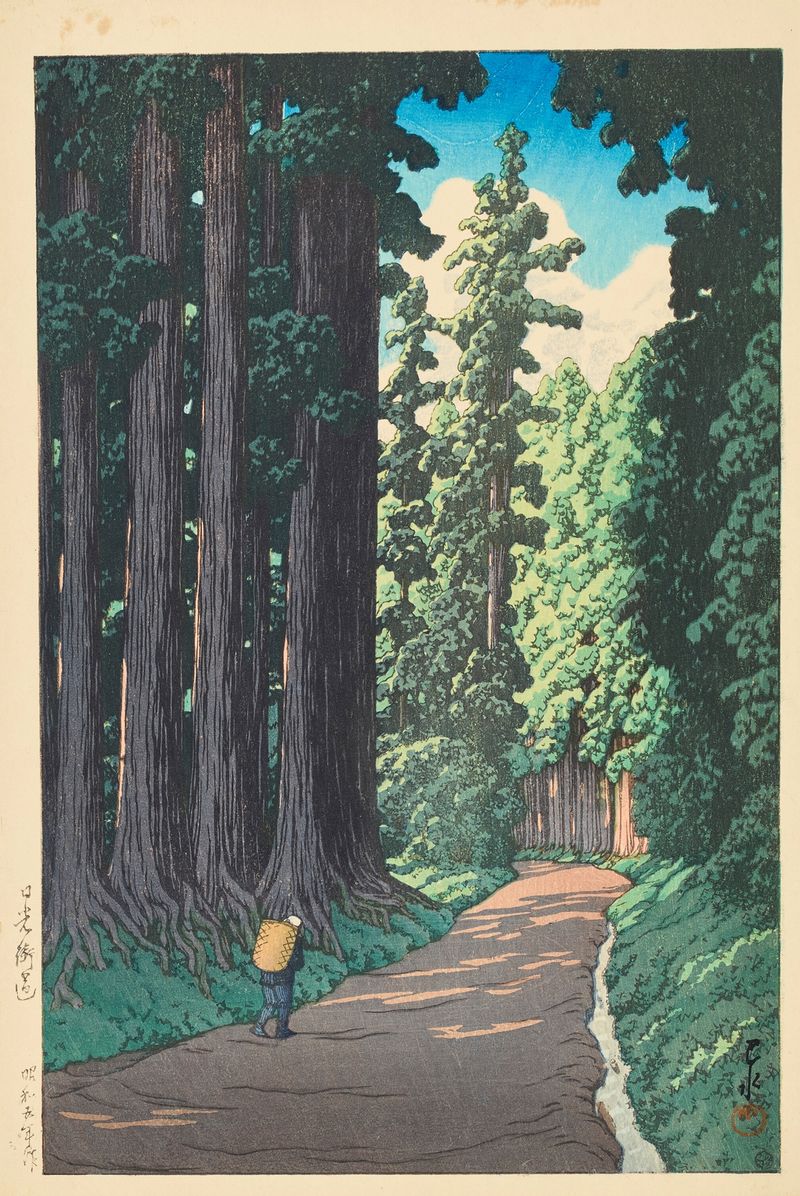
Nikko gaido (The Road to Nikko)
Kawase Hasui
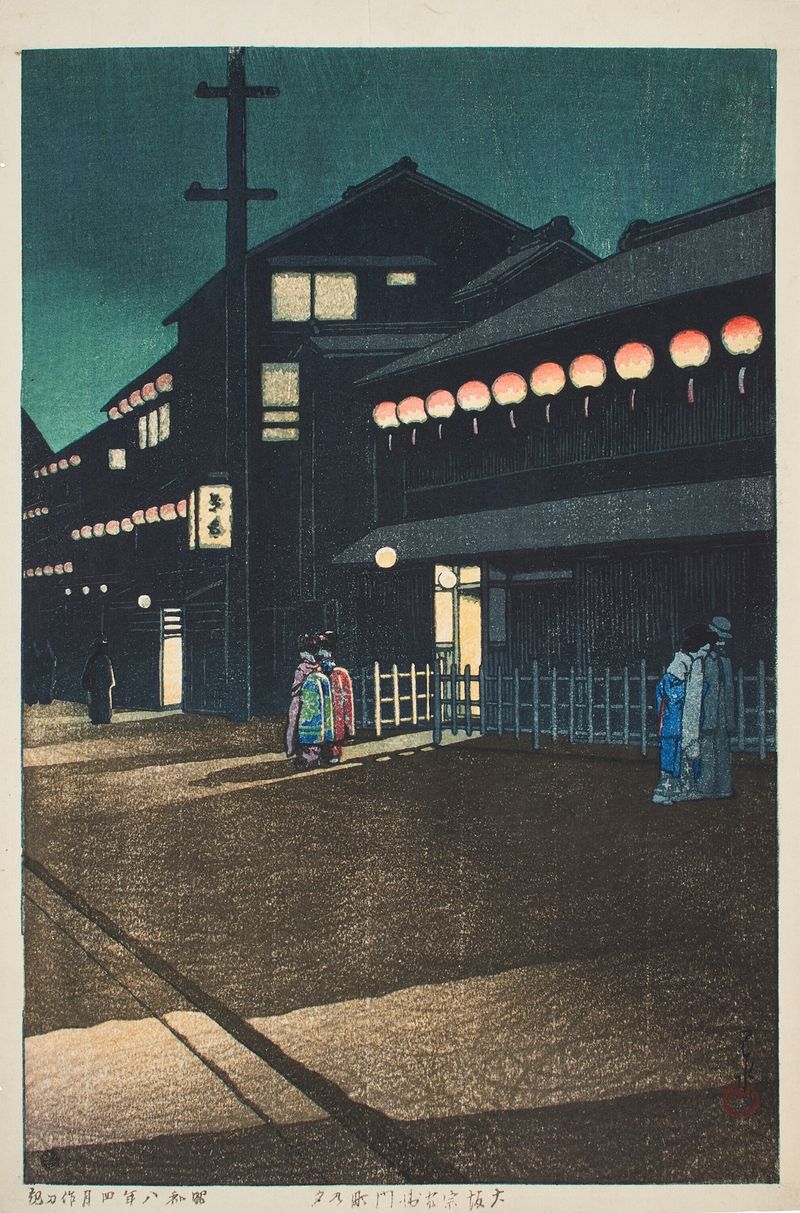
Osaka Soemon-cho no yu (Evening in Soemon-cho, Osaka)
Kawase Hasui
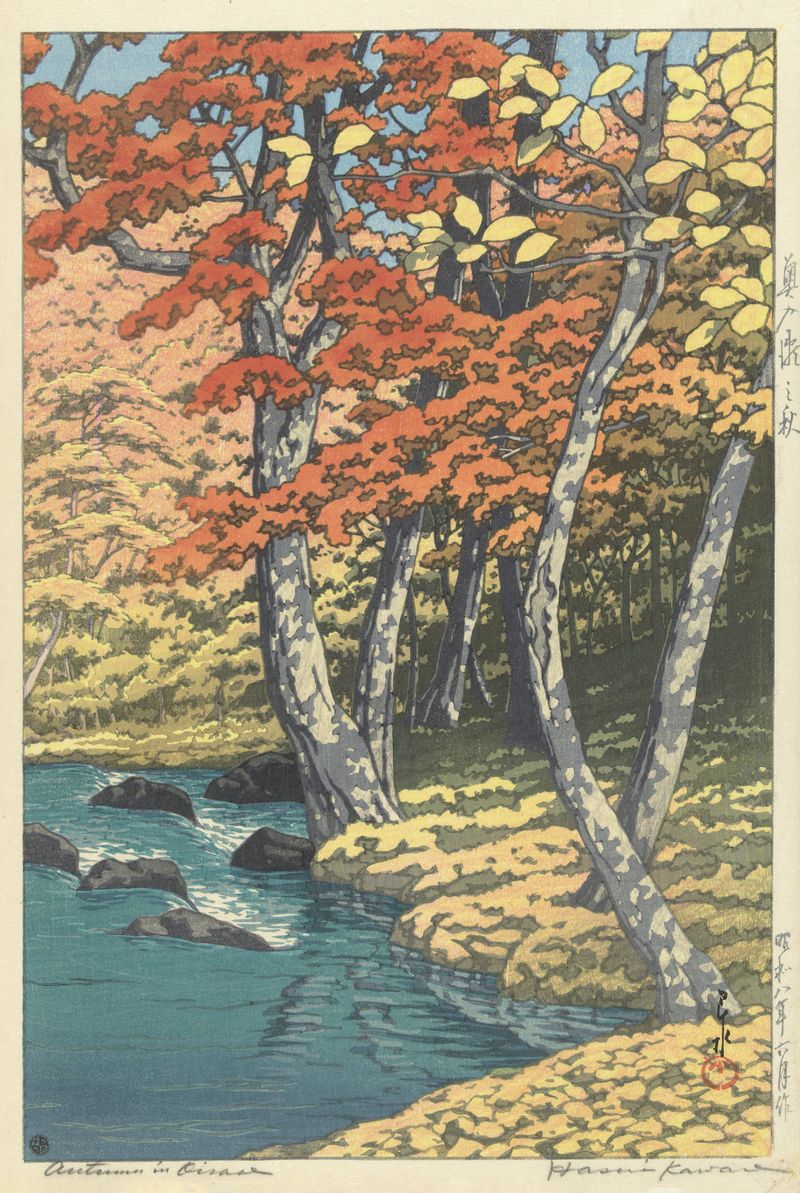
Autumn In Oirase
Kawase Hasui
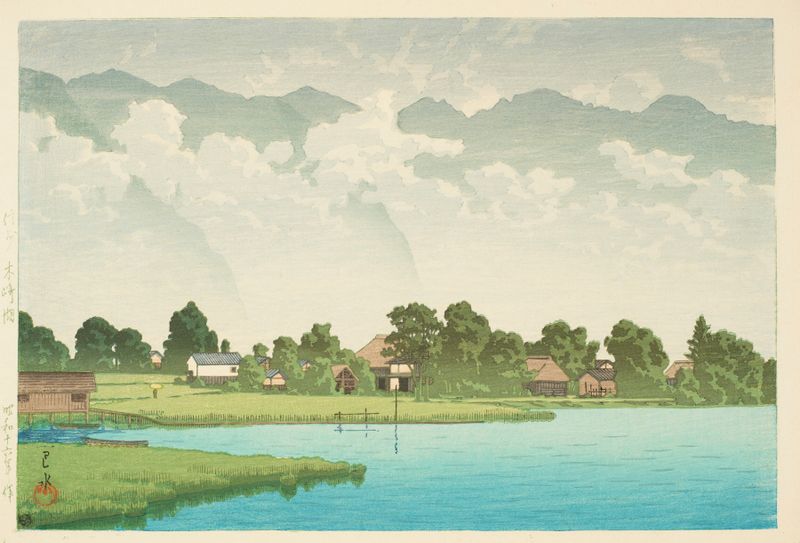
Shinshu Kizakiko (Kizaki Lake in Shinshu)
Kawase Hasui





