
Meadow Trees — History & Facts
Who listens when art speaks of silence? In Meadow Trees, the stillness captured within the canvas whispers of destiny, inviting the viewer to pause and reflect on the quiet moments that shape our lives. Look to the center, where the tall trees stand sentinel-like, their forms elegantly merging with the softened hues of the sky. The delicate strokes create a gentle interplay of light and shadow, illuminating the lush green meadow below. As your eyes wander, notice how the trees arch gracefully, almost as if they are embracing something unseen, fostering a sense of yearning that permeates the landscape. Amidst the serene beauty, there lies an emotional tension between the vibrant growth of the meadow and the towering trees' quiet strength.
The colors of the foliage—deep greens against the delicate pastels—serve as a metaphor for life's resilience. This juxtaposition suggests a narrative of continuity and change, inviting contemplation on the passage of time and the destinies intertwined with nature's cycles. Ernest Haskell painted Meadow Trees during the early 1900s, a period marked by a deepening exploration of American landscapes in art. Living in the context of a rapidly changing world, Haskell found solace and inspiration in nature, reflecting a growing appreciation for the beauty and tranquility of rural settings.
This work, created in the midst of artistic evolution, embodies his desire to evoke profound emotions through the simplicity of the natural world.
More Artworks by Ernest Haskell
Browse all →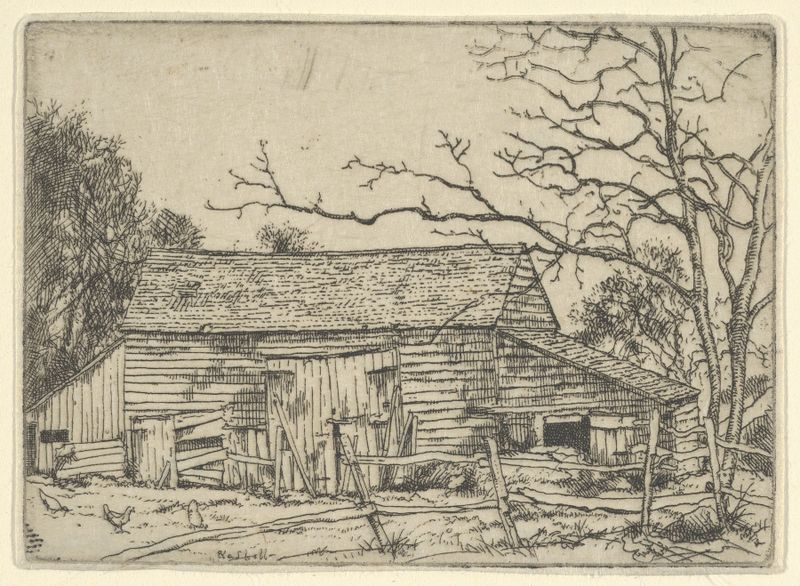
The Barn–Staten Island, N.Y.
Ernest Haskell

Four Live Oaks
Ernest Haskell
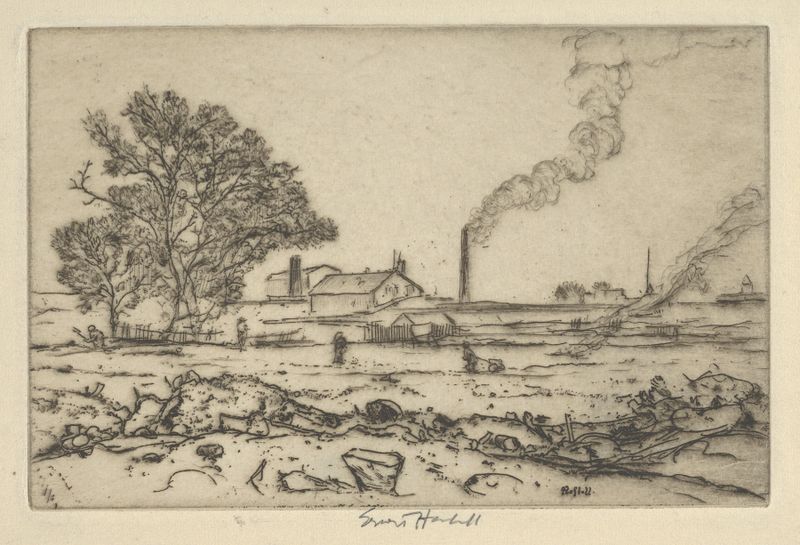
Outskirts of Boston
Ernest Haskell
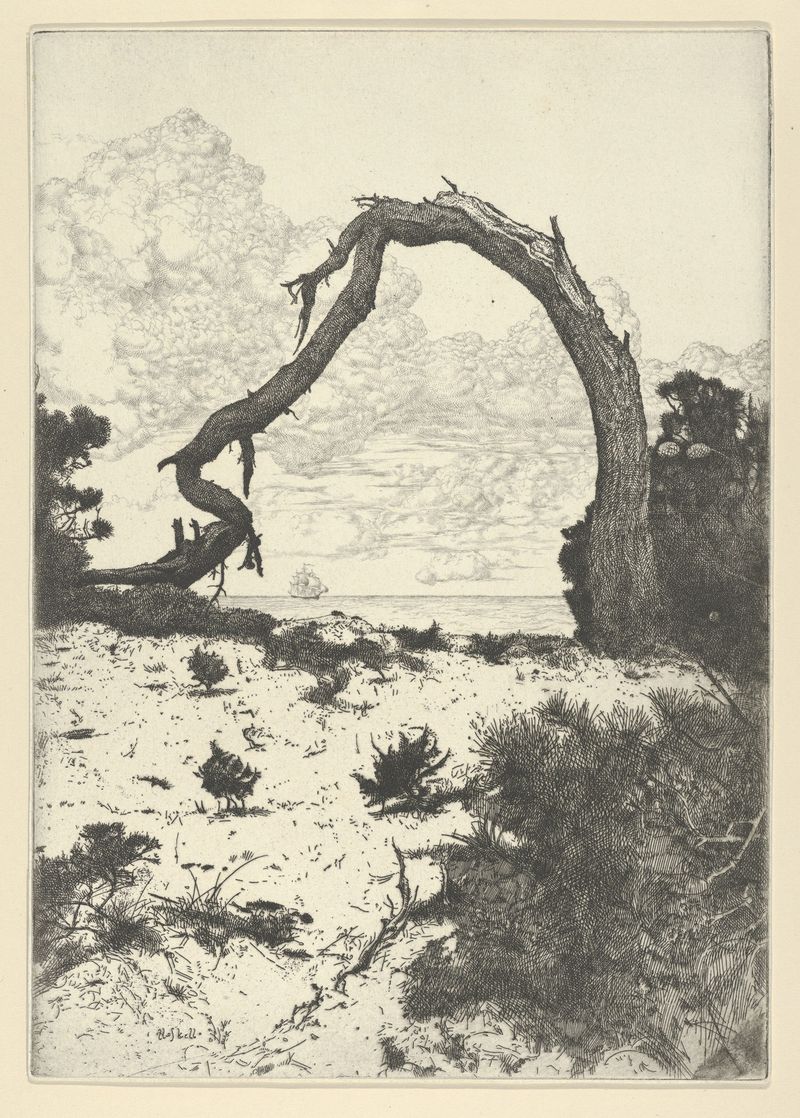
Pine Arch
Ernest Haskell

General Sherman
Ernest Haskell
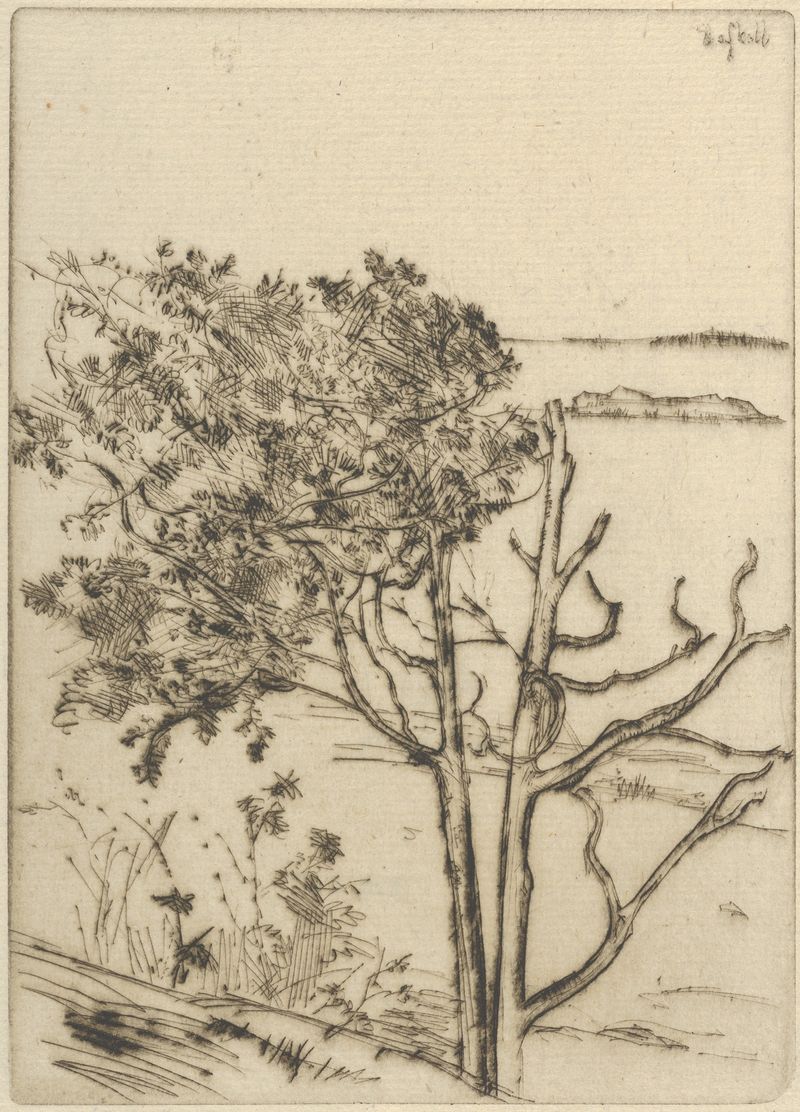
Ragged Tree – Maine
Ernest Haskell

Tide Mill
Ernest Haskell

Ship Building
Ernest Haskell
To the Southward – Ragged Island, Me.
Ernest Haskell
Long Island Marshes
Ernest Haskell





