
Meadow with Daisys — History & Facts
Who listens when art speaks of silence? In Hans Thoma's Meadow with Daisies, the quietude of nature becomes a profound dialogue between the seen and the unseen, beckoning the viewer into a realm of transcendence. Look to the lush expanse of green that stretches across the canvas, dotted with delicate daisies catching the gentle sunlight. The vibrant hues of yellow and white draw the eye, while soft brushstrokes create a sense of movement, as if a whispering breeze flows through the meadow. Notice how the light filters through the foliage, casting playful shadows that dance upon the grass, inviting you to step into this serene landscape. Beneath the surface, themes of serenity and solitude intertwine, evoking a feeling of contemplation.
The daisies, with their simplicity, symbolize innocence and purity, yet their scattered arrangement suggests a deeper message about the fragility of beauty and existence. The absence of figures in this idyllic scene amplifies a sense of introspection, urging the viewer to pause and reflect on their own place within the vastness of nature. Painted in 1894, this work emerged during Thoma's time in the Black Forest region of Germany, where he was deeply influenced by the natural world. The late 19th century was a period marked by a growing appreciation for nature in art, as movements like Impressionism began to take root.
Thoma’s commitment to the beauty of rural landscapes exemplifies this shift, as he sought to capture the essence of the world around him, drawing viewers into a silent yet resonant conversation with nature.
More Artworks by Hans Thoma
Browse all →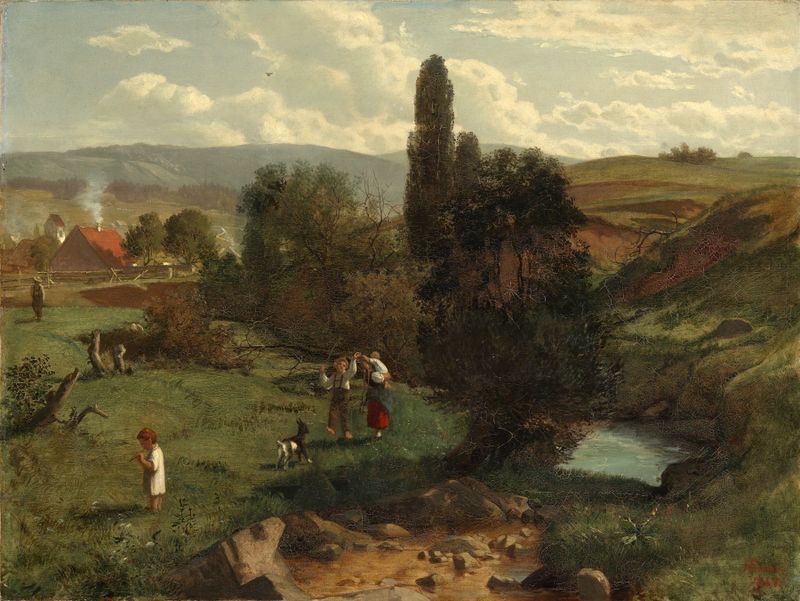
Schwarzwaldlandschaft
Hans Thoma
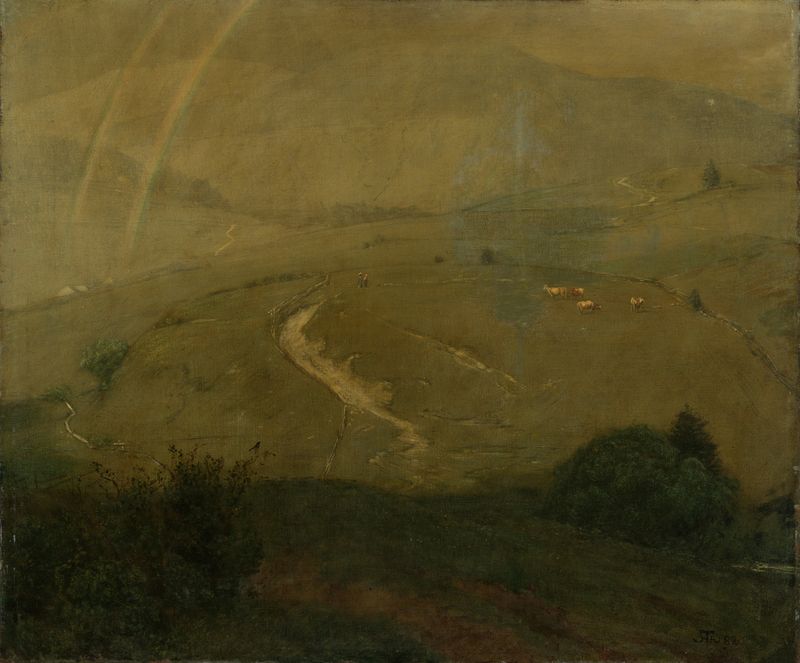
Regen im Schwarzwald
Hans Thoma
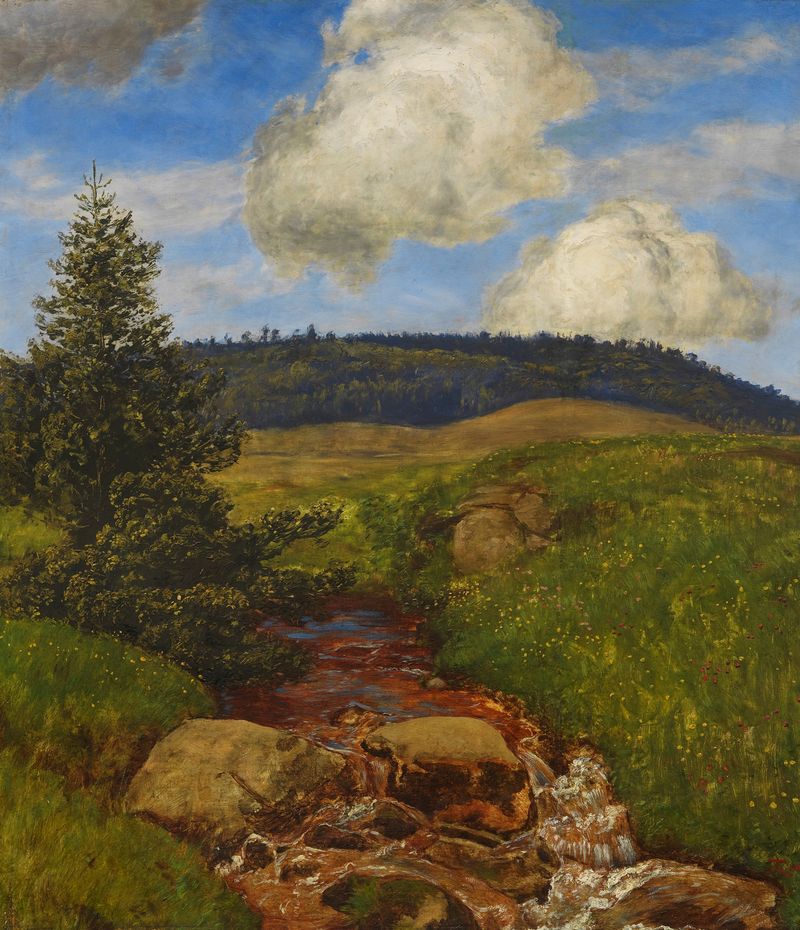
Schwarzwaldbach
Hans Thoma
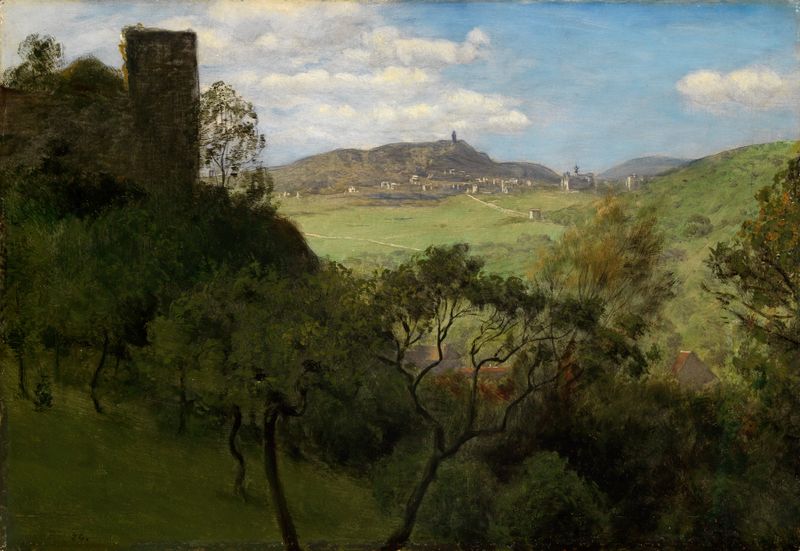
Blick auf Falkenstein im Taunus
Hans Thoma
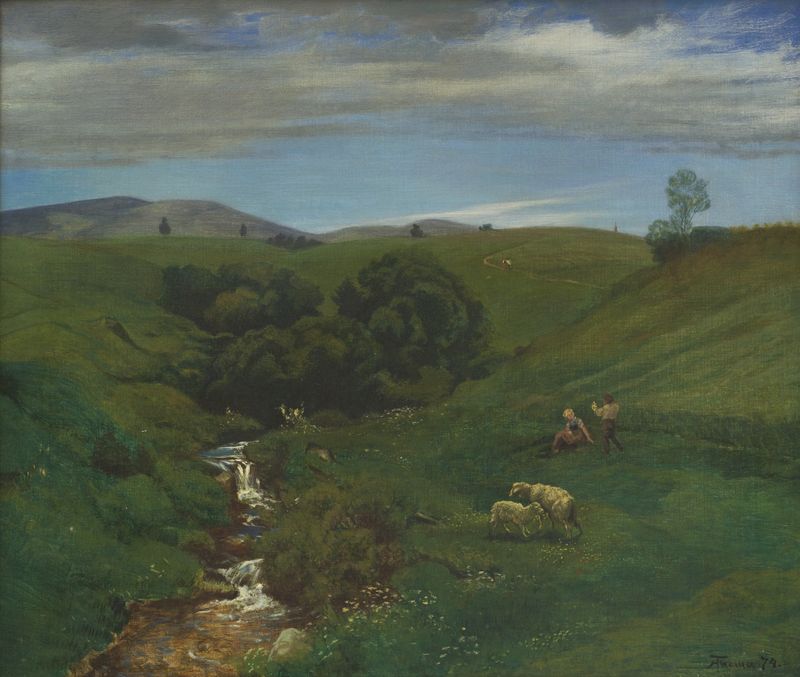
Black Forest Meadow near Bernau
Hans Thoma
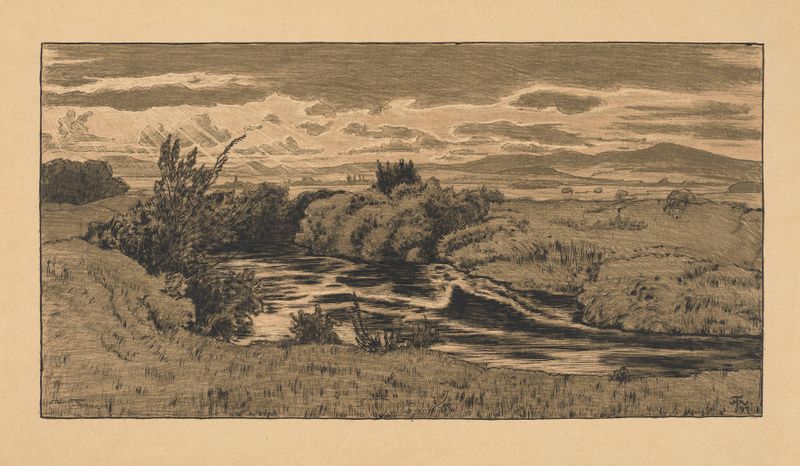
Evening by the Nidda River
Hans Thoma
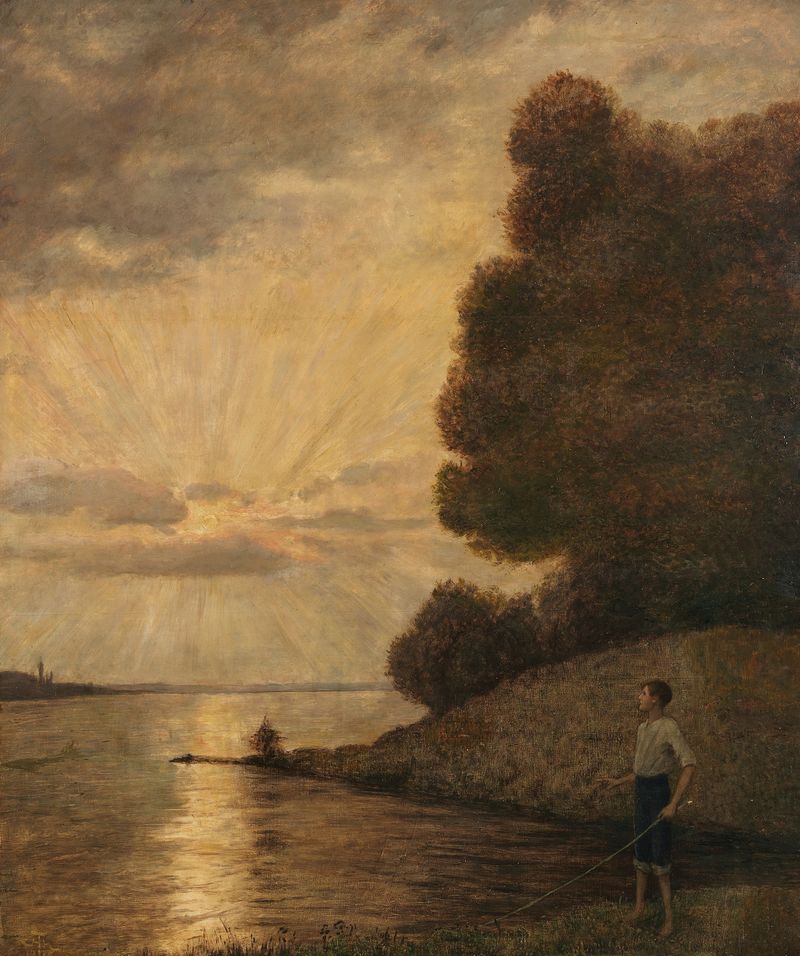
Sonnenuntergang am Oberrhein
Hans Thoma
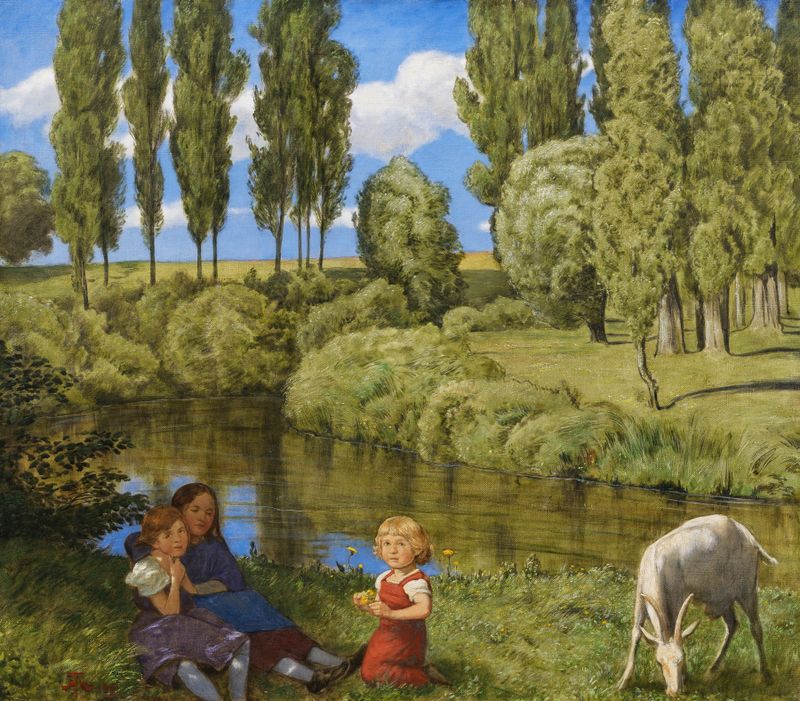
Am Stillen Bach
Hans Thoma
Der Abendstern
Hans Thoma
Das Rheintal bei Säckingen
Hans Thoma





