
Meadowland (The Pasture) — History & Facts
What if beauty was never meant to be finished? In the quiet embrace of nature, emptiness finds its voice, whispering through the tall grass and distant horizons. Focus on the luminous greens and soft pastel hues that blanket the canvas. The vast expanse of the meadow draws your gaze, inviting you to wander through its undulating grasslands. Notice how the dappled light filters through the leaves, casting gentle shadows that dance across the ground, while a few solitary figures retreat into the distance, hinting at both a journey and an absence.
Rousseau's brushstrokes weave a tapestry of tranquility, framing a moment that feels simultaneously pristine and haunting. Within this serene landscape lies a tension between presence and void. The open space embodies both freedom and solitude, as the vibrant flora contrasts with the sparse human presence. Each blade of grass and flowering plant seems to speak of life, yet the distant figures evoke a sense of longing, suggesting that beauty is an unfinished narrative, an invitation to reflect on what remains unspoken in the expanse of existence. Created in 1910, this piece reflects Rousseau's distinctive style during a period of burgeoning modernity.
Living in France amidst a rapidly changing artistic landscape, he remained somewhat of an outsider, drawing inspiration from his dreams and the natural world around him. His unique vision, rooted in innocence and imagination, challenges viewers to embrace the beauty in emptiness, even as the world outside grew more complex and chaotic.
More Artworks by Henri Rousseau
Browse all →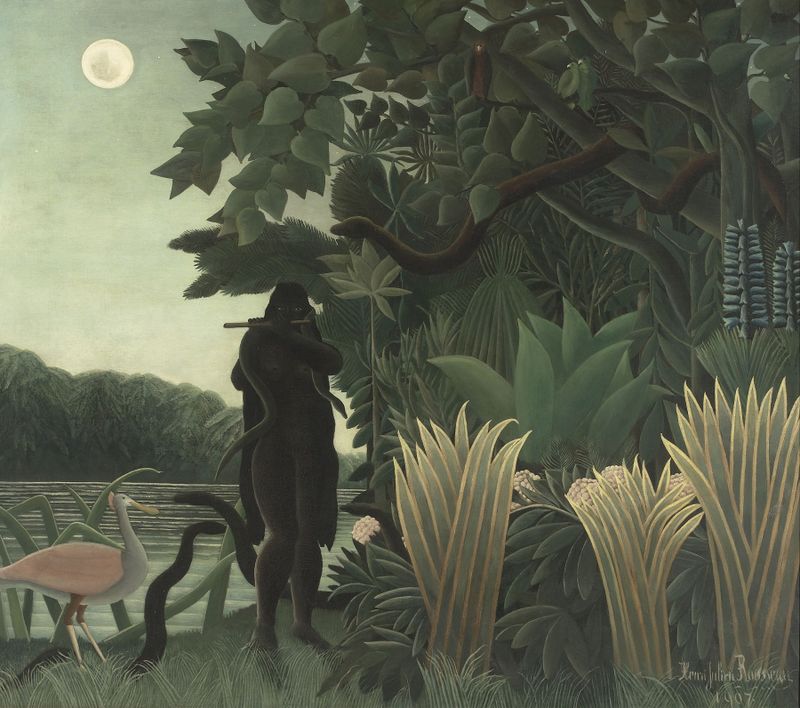
The Snake Charmer
Henri Rousseau
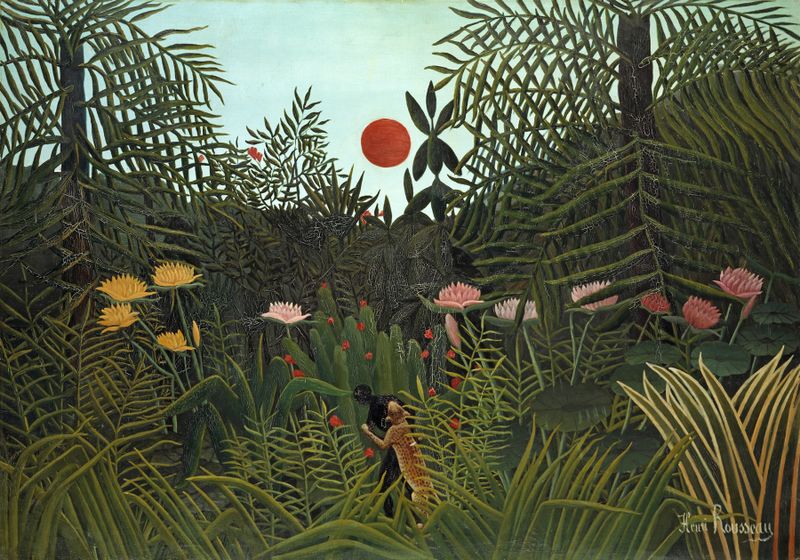
Jungle with Setting Sun
Henri Rousseau
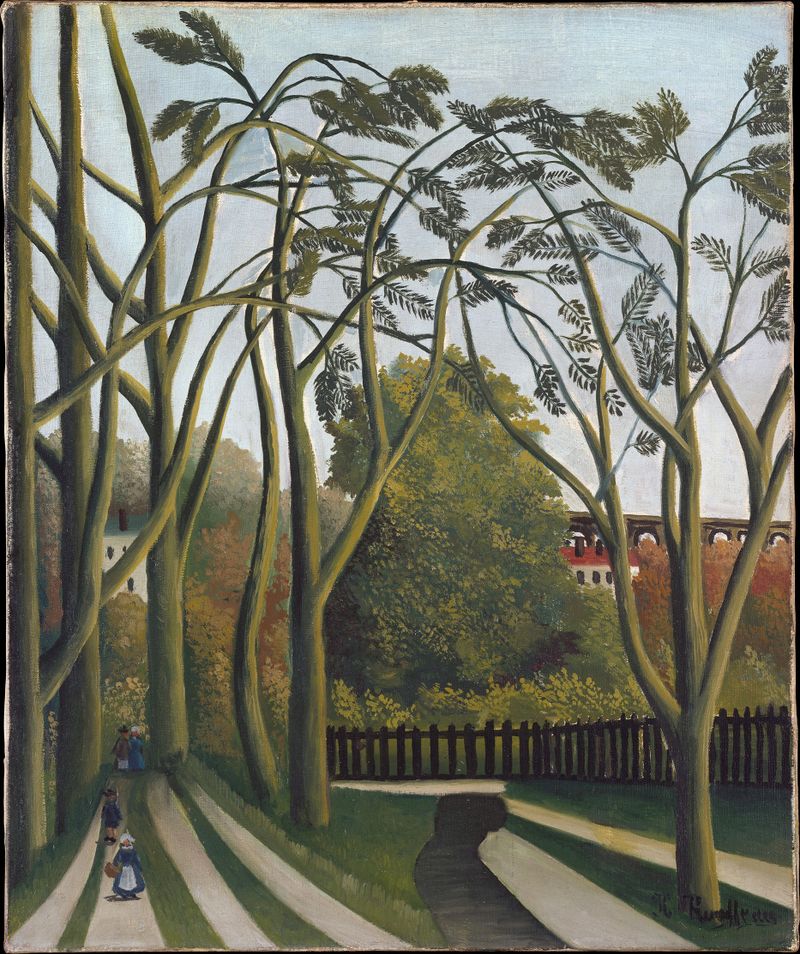
The Banks of the Bièvre near Bicêtre
Henri Rousseau
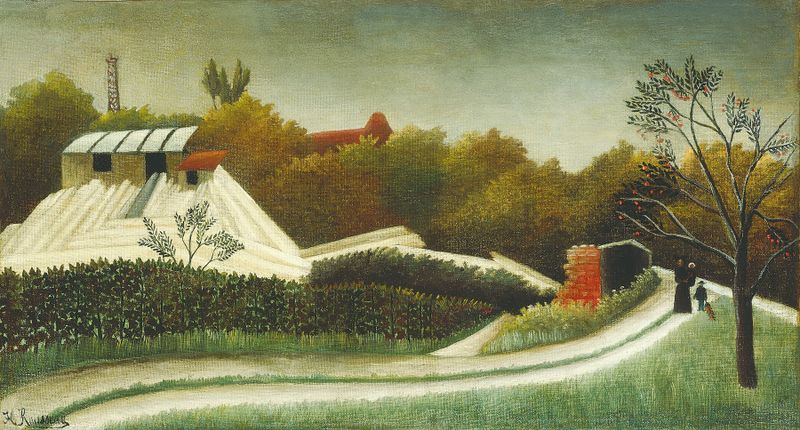
Sawmill, Outskirts of Paris
Henri Rousseau
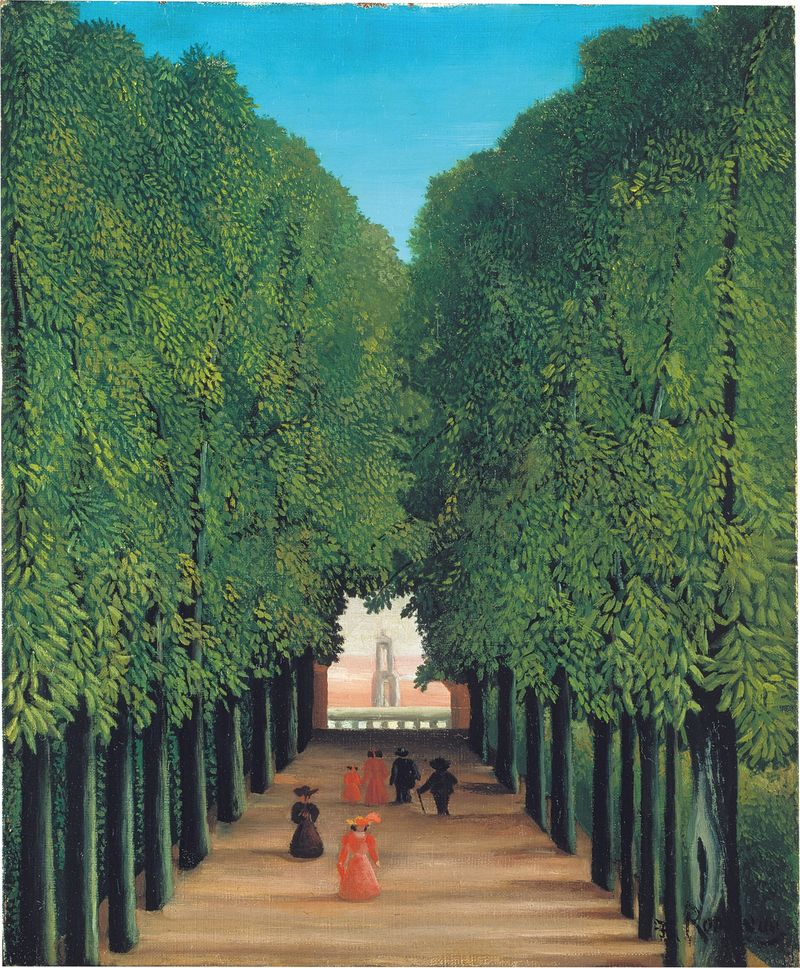
The Avenue in Saint-Cloud Park
Henri Rousseau

Sawmill, Outskirts of Paris
Henri Rousseau
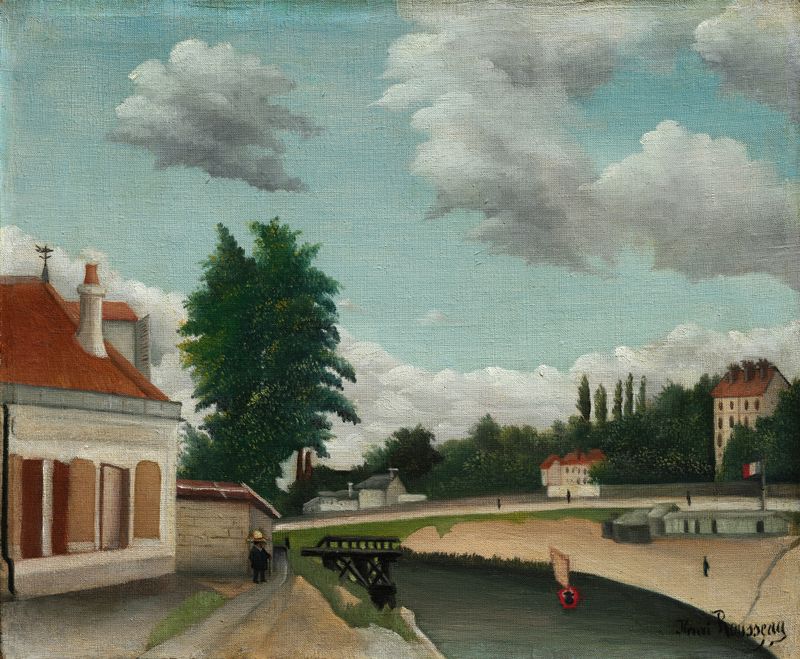
Outskirts of Paris
Henri Rousseau
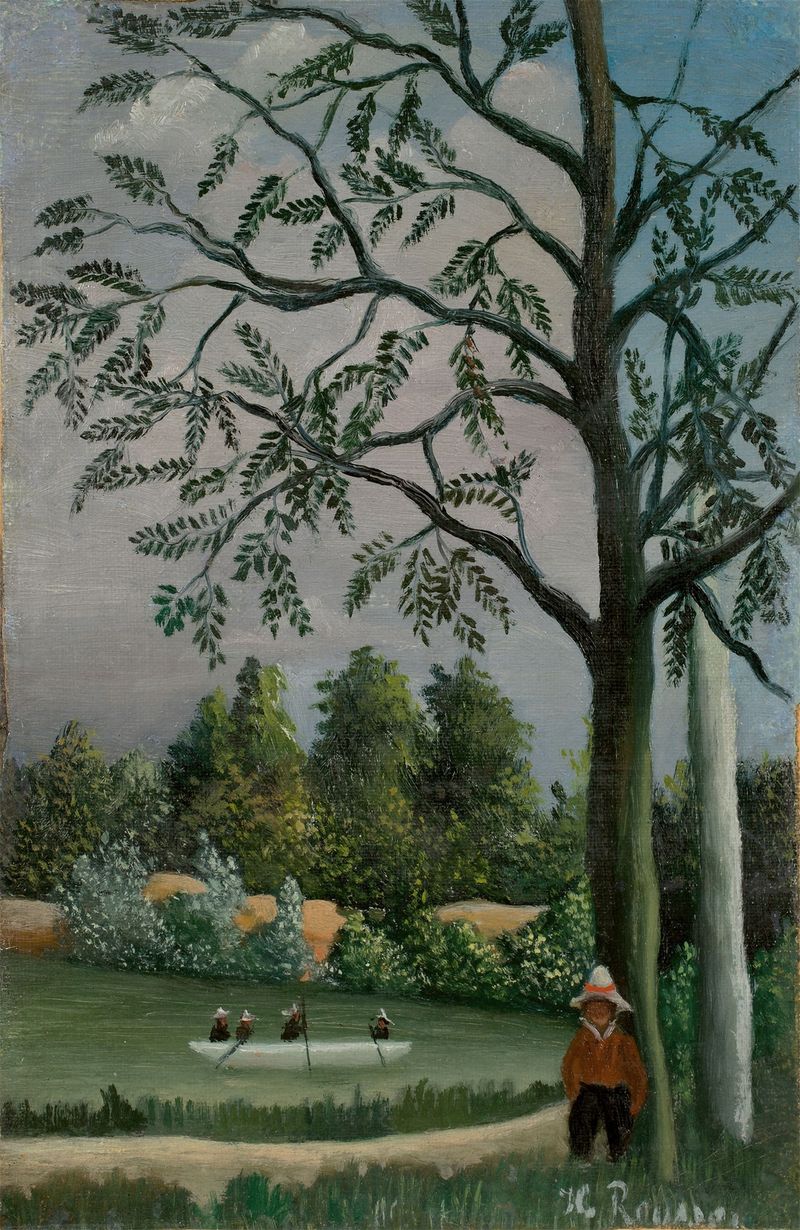
Paysage avec des pêcheurs
Henri Rousseau
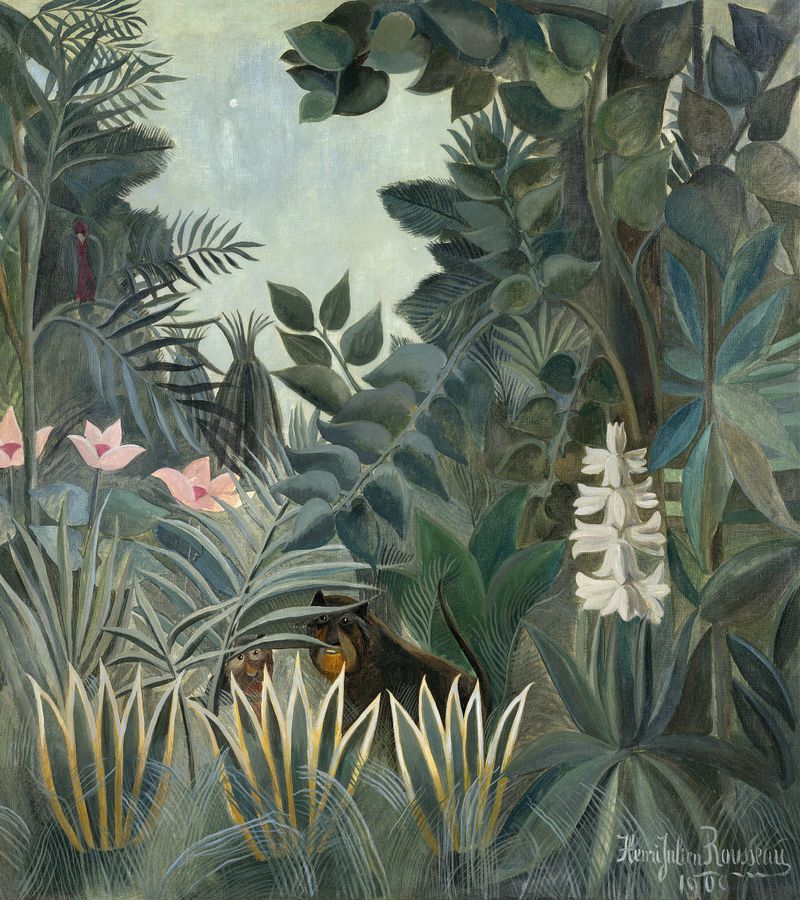
The Equatorial Jungle
Henri Rousseau
Tropical Forest with Monkeys
Henri Rousseau





