
Meadows near Greifswald — History & Facts
A city’s skyline rises like a distant memory, its spires and windmills etched against a pale, almost weightless sky. The eye is drawn first to the vastness of the meadow, where horses graze and a gentle rhythm of life unfolds in the foreground. From the deep green shadows at the bottom edge, your gaze travels across the open field, past scattered animals and low hedges, until it finally settles on the clustered forms of Greifswald, its towers and rooftops softened by a haze of early light.
The low horizon gives the sky an overwhelming presence, suggesting quiet and openness, while the careful placement of every figure and structure hints at a world both observed and remembered. Painted around 1821-1822, this work belongs to a moment when artists across northern Europe turned to their native landscapes for inspiration, seeking not only to record what they saw but to evoke a sense of place and belonging. In the era of Romanticism, painters like Caspar David Friedrich found meaning in the familiar countryside, often infusing their scenes with emotion and reflection. Though little is recorded about the specific journey of this painting, its inclusion in a modern digital collection speaks to the enduring fascination with such quiet, contemplative views.
The longer you look, the more the image seems to expand, inviting you to imagine the slow passage of time across these meadows.
More Artworks by Caspar David Friedrich
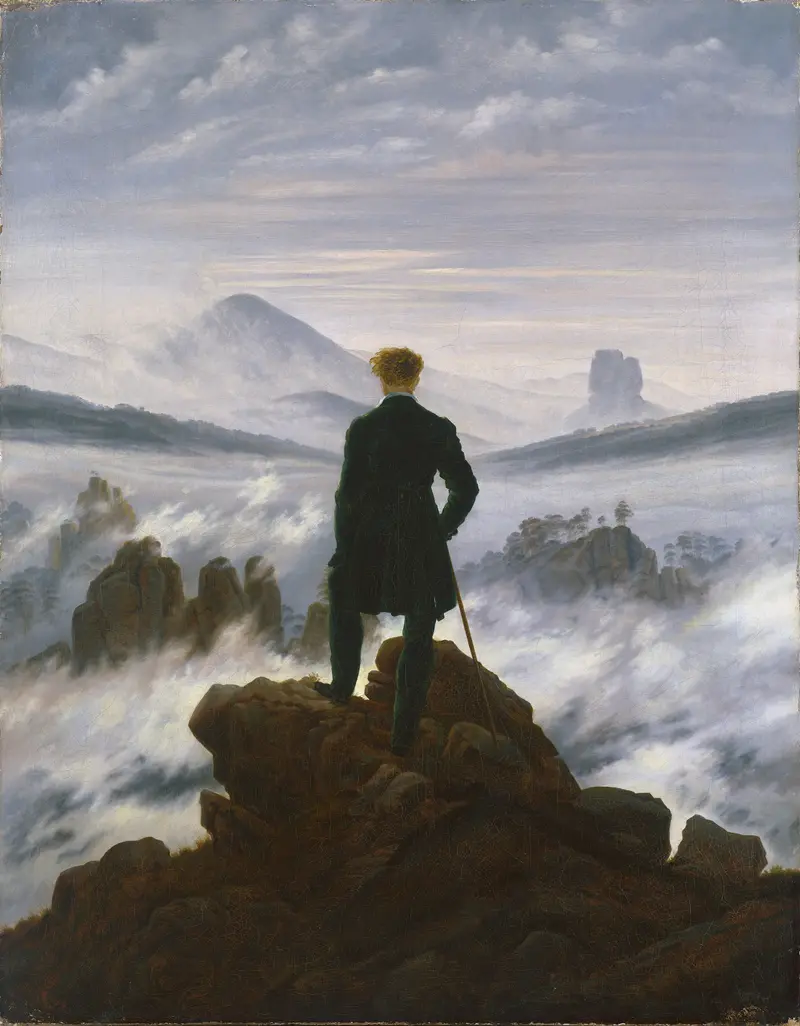
Wanderer above the Sea of Fog
Caspar David Friedrich

The Sea of Ice
Caspar David Friedrich
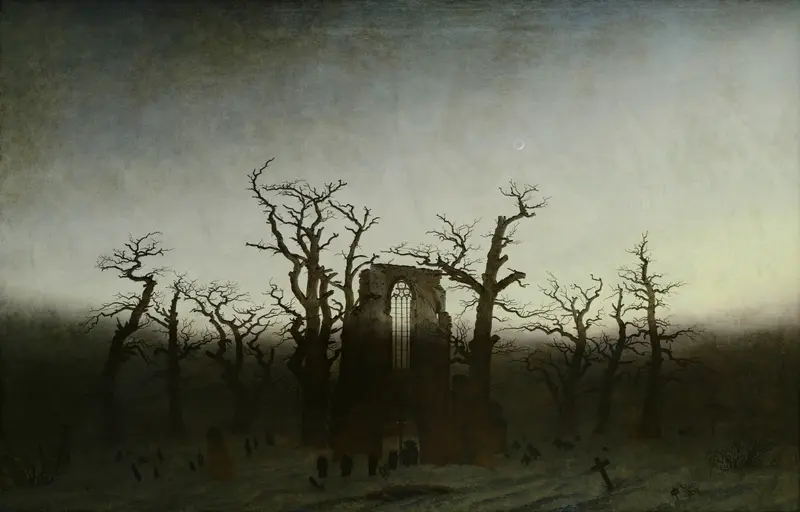
The Abbey in the Oakwood
Caspar David Friedrich
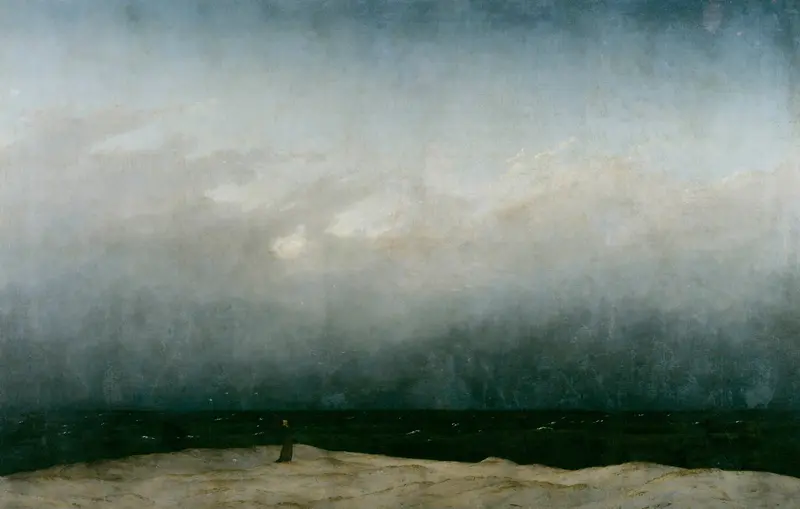
The Monk by the Sea
Caspar David Friedrich
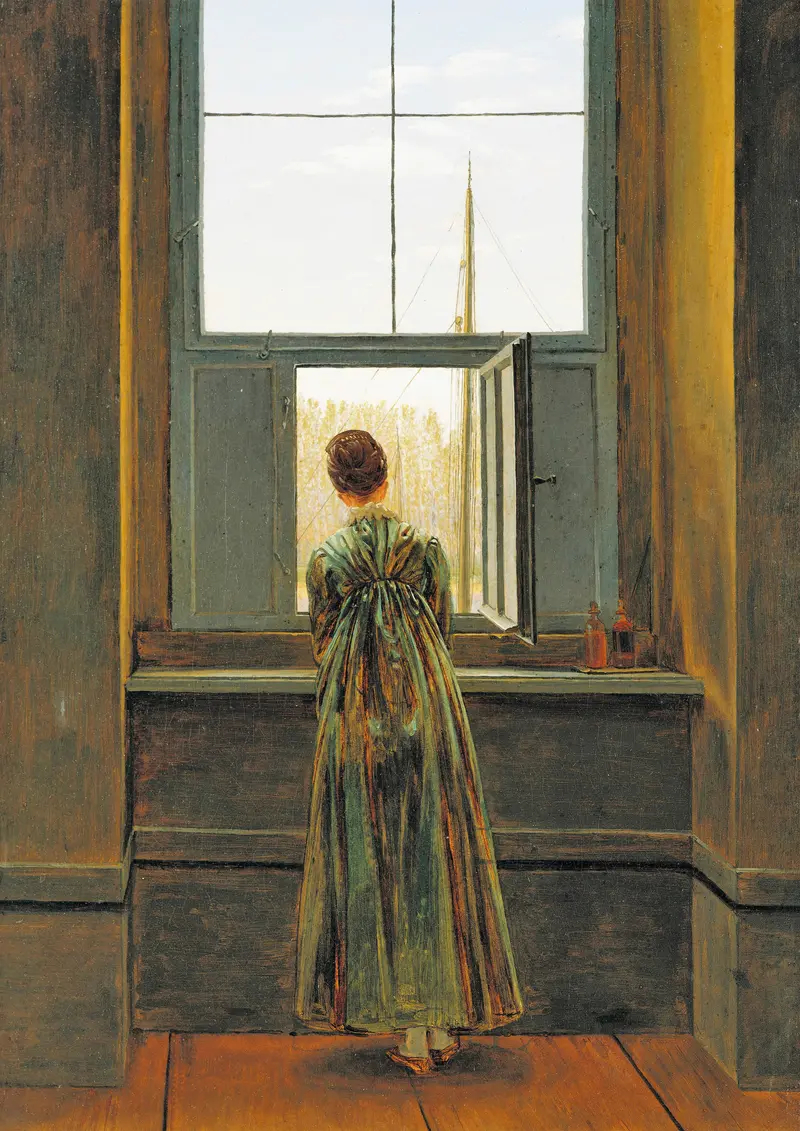
Woman at a Window
Caspar David Friedrich
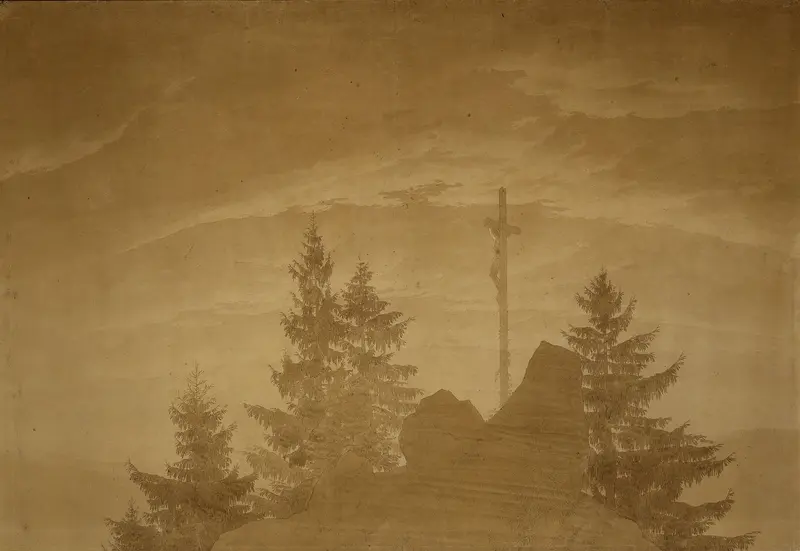
Cross in the Mountains
Caspar David Friedrich
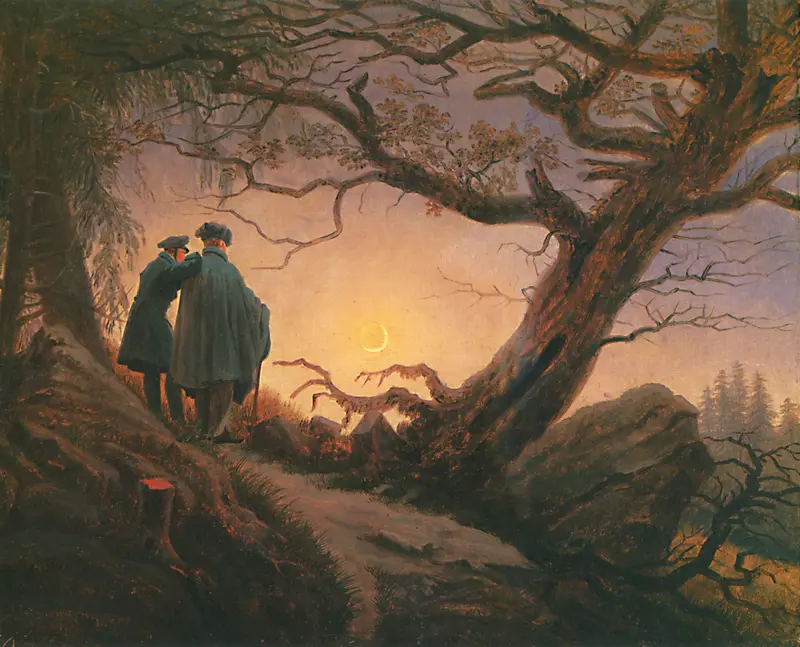
Two Men Contemplating the Moon
Caspar David Friedrich
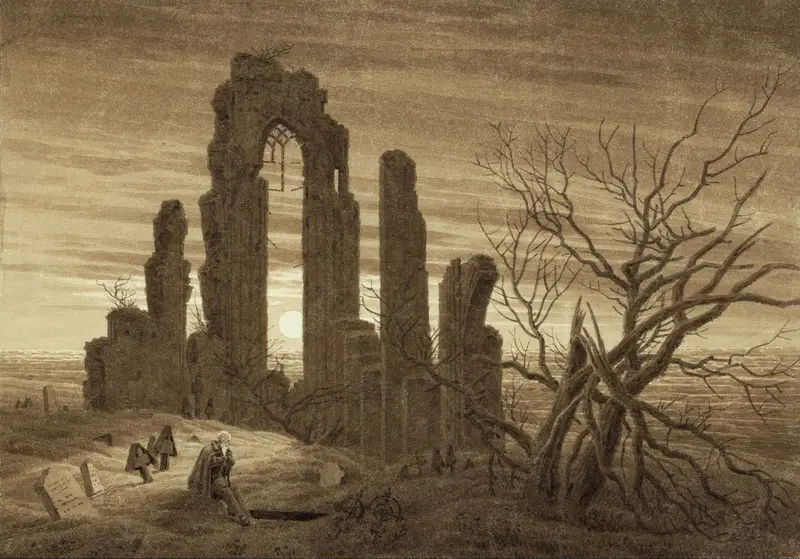
Winter – Night – Old Age and Death (from the times of day and ages of man cycle of 1803)
Caspar David Friedrich
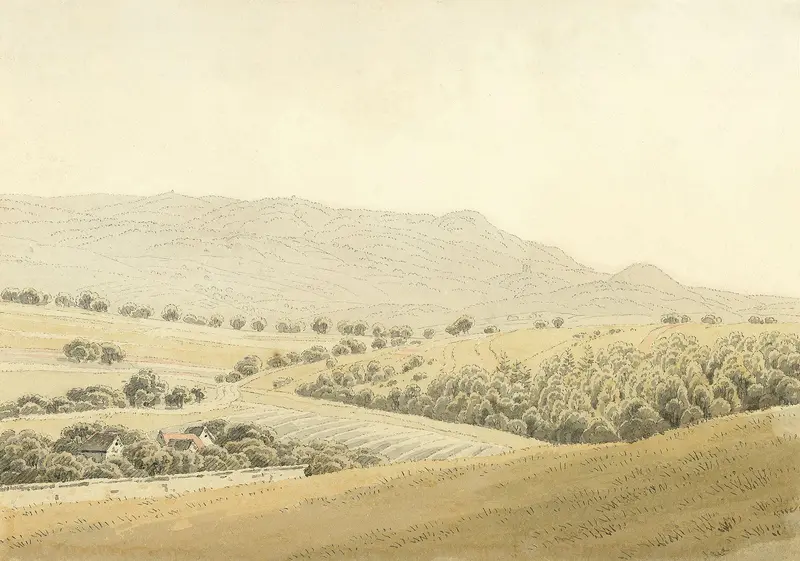
Mittelgebirgslandschaft
Caspar David Friedrich

Landschaft mit gebirgsee, morgen
Caspar David Friedrich
More Landscape Art

The Starry Night
Vincent van Gogh

View of Delft
Johannes Vermeer

Water Lilies
Claude Monet

The Grand Canal, Venice, looking north-west from the Ca' Corner to the Ca' Contarini degli Scrigni, with the campanile of Santa Maria della Carità
Canaletto

Windsor Castle
Canaletto

The Grand Canal looking North-East from the Palazzo Dolfin-Manin to the Rialto Bridge
Canaletto