Medea: or the marriage of Jason and Creusa — History & Facts
What if beauty was never meant to be finished? Each brushstroke whispers of longing, of stories entwined in the folds of fabric and the glances of those poised between love and betrayal. Look to the right, where a radiant light envelops the figures of Jason and Creusa, illuminating the delicate fabric of her gown, a symbol of new beginnings. The artist employs deep, rich hues contrasted with this glowing light, drawing your gaze toward their hopeful expressions. Notice how the shadows cradle Medea, her sorrow heavy and palpable, bringing a haunting depth to the scene.
The composition is masterful; it captures a fleeting moment yet speaks of an eternal conflict — desire intertwined with despair. Delve deeper into the tension within the painting; the warmth of Jason's embrace contrasts sharply with the cool detachment of Creusa, who embodies innocence yet is unaware of the impending tragedy. Medea, cloaked in darkness, casts a shadow not just over the scene but also over the hearts of those present. Her yearning for love morphs into a fierce, consuming rage, revealing the duality of passion.
Each character's emotional state is a brushstroke in Rembrandt’s grand narrative, crafting a tale that resonates through time — the beauty of relationships marred by betrayal. In 1648, during a period of personal and professional turmoil, Rembrandt created this work amidst the vibrant cultural currents of the Dutch Golden Age. It reflects the artist’s own complexities, grappling with loss and societal expectations while navigating his unique voice in the world of art. This painting captures a moment not just in the lives of its characters but in the evolving conversation of human emotion.
More Artworks by Rembrandt van Rijn
Browse all →
The Night Watch Militia Company of District II under the Command of Captain Frans Banninck Cocq
Rembrandt van Rijn

The Return of the Prodigal Son
Rembrandt van Rijn

The Hundred Guilder Print: the figures leaning on the wall in the centre left
Rembrandt van Rijn

The Hundred Guilder Print: the central piece with Christ preaching, the plate arched
Rembrandt van Rijn

Isaac and Rebecca, Known as ‘The Jewish Bride’
Rembrandt van Rijn
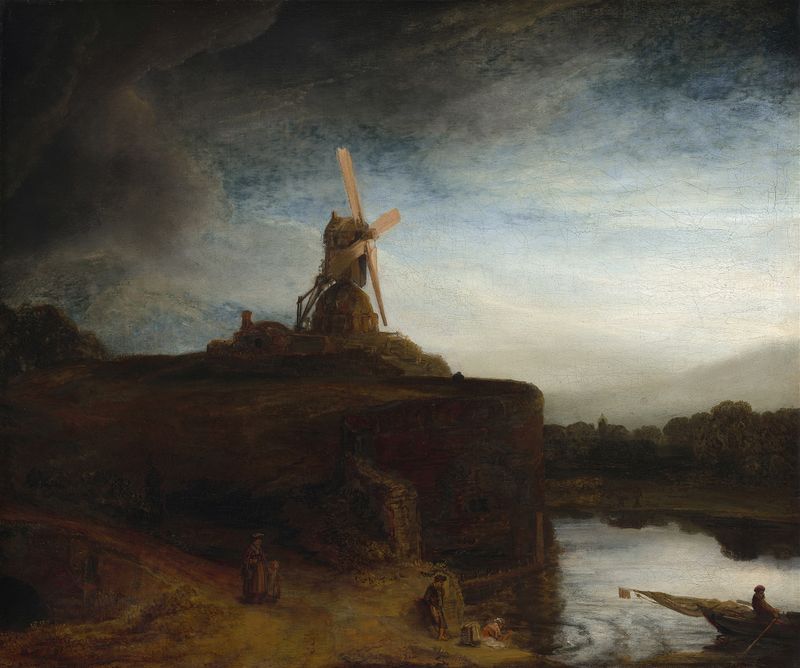
The Mill
Rembrandt van Rijn

The Sampling Officials of the Amsterdam Drapers’ Guild, Known as ‘The Syndics’
Rembrandt van Rijn

The return of the prodigal son
Rembrandt van Rijn
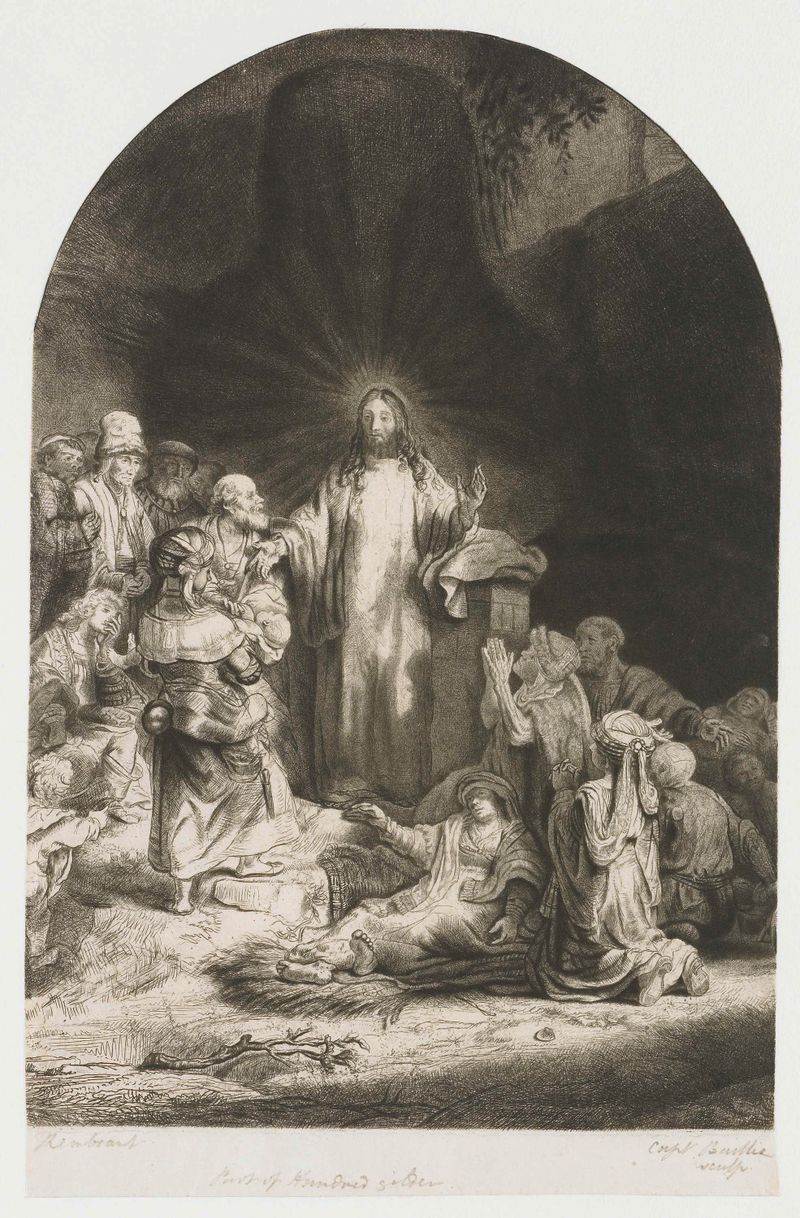
The Hundred Guilder Print: the central piece with Christ preaching, the plate arched
Rembrandt van Rijn

The Hundred Guilder Print: the man seen on the back in the lower left corner
Rembrandt van Rijn