Medea: or the marriage of Jason and Creusa — History & Facts
Where does light end, and longing begin? In the delicate interplay of shadow and glow, a moment of transformation emerges, teetering between joy and despair. Focus first on the radiant figure of Creusa, her luminous gown drawing the eye as it spills forth like the very essence of light. Notice how Rembrandt carefully contrasts her brilliance against the deep, enveloping darkness that surrounds her, a silent witness to the turmoil unfolding. The intricate details of her attire shimmer, revealing rich hues that speak to her nobility, while the textures evoke a sense of tactile reality, inviting the viewer to feel the weight of the moment. Yet, beneath this surface beauty lies a profound emotional tension.
The expressions captured in each figure are a study in contrasts: Creusa's hopeful anticipation clashes starkly with Jason's distant gaze, hinting at his internal conflict and the impending betrayal. The subtle play of light across their faces reveals an unspoken dialogue—the warmth of love colliding with the chill of betrayal. In the background, Medea's presence looms like an ominous shadow, a reminder of the chaos that accompanies transformation. In 1648, amid a turbulent period of personal and artistic evolution, the artist rendered this complex scene during his later career in Amsterdam, a time marked by both acclaim and personal strife.
Rembrandt grappled with themes of love and loss, reflecting the broader human experience amid the shifting tides of his life and the art world around him. This work encapsulates his mastery in depicting the depth of human emotion, inviting us to witness the delicate balance between light and shadow, hope and despair.
More Artworks by Rembrandt van Rijn
Browse all →
The Night Watch Militia Company of District II under the Command of Captain Frans Banninck Cocq
Rembrandt van Rijn

The Return of the Prodigal Son
Rembrandt van Rijn

The Hundred Guilder Print: the figures leaning on the wall in the centre left
Rembrandt van Rijn

The Hundred Guilder Print: the central piece with Christ preaching, the plate arched
Rembrandt van Rijn

Isaac and Rebecca, Known as ‘The Jewish Bride’
Rembrandt van Rijn
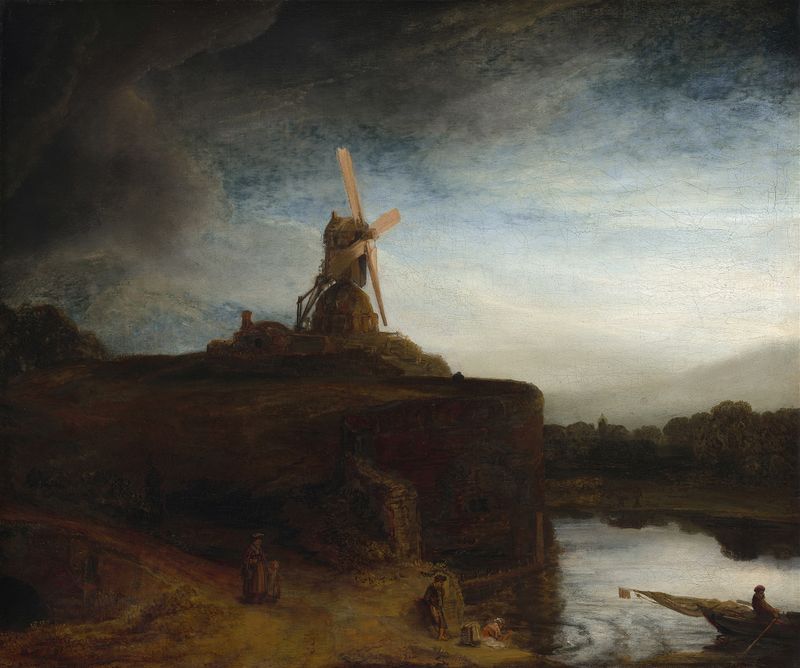
The Mill
Rembrandt van Rijn

The Sampling Officials of the Amsterdam Drapers’ Guild, Known as ‘The Syndics’
Rembrandt van Rijn

The return of the prodigal son
Rembrandt van Rijn
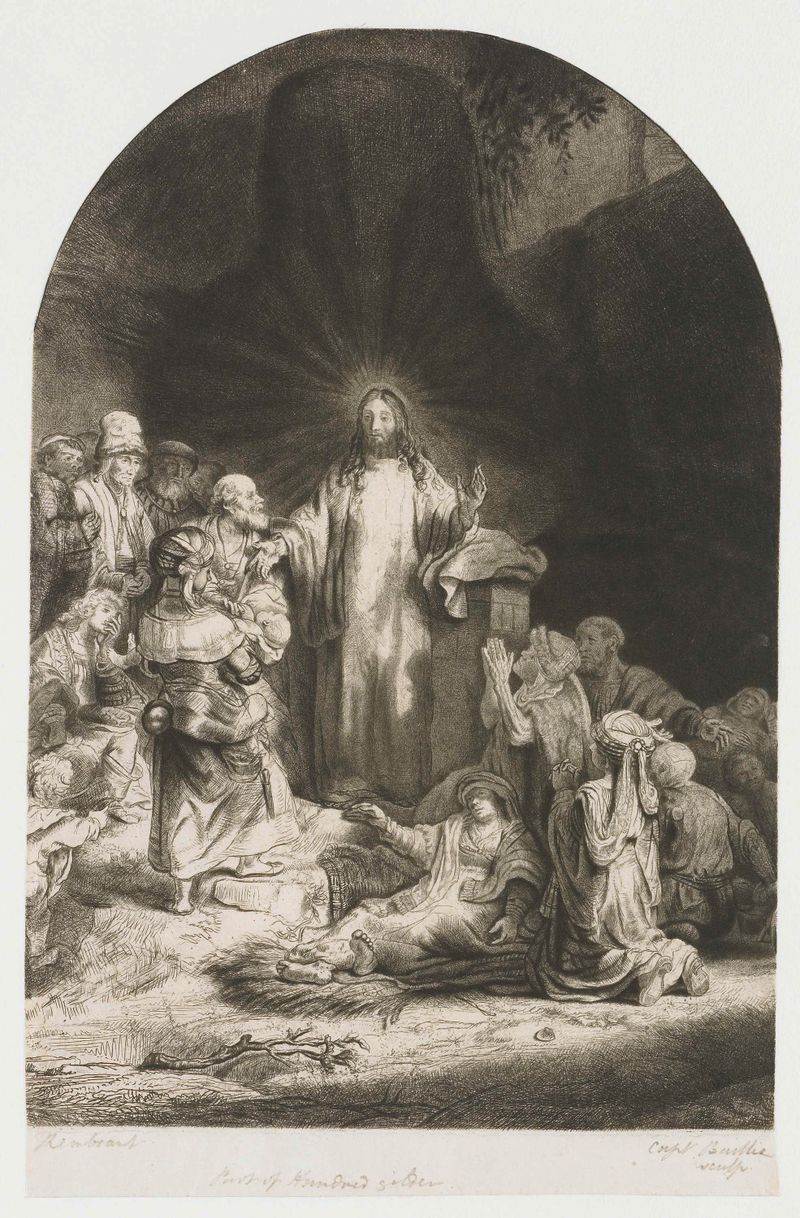
The Hundred Guilder Print: the central piece with Christ preaching, the plate arched
Rembrandt van Rijn

The Hundred Guilder Print: the man seen on the back in the lower left corner
Rembrandt van Rijn