
Meguro Fudodo (Fudo Hall in Meguro) — History & Facts
Could beauty survive in a century of chaos? In a world where the tumult of modernity threatens to overshadow tradition, faith finds its sanctuary in the delicate balance of nature and architecture. Begin your exploration at the foreground, where the serene presence of the Fudo Hall beckons with its elegant lines and soft hues. Notice how the light envelopes the building, illuminating the intricacies of its wooden structure, while shadows play gently across the surrounding foliage. The palette of muted greens and earthy browns encapsulates a moment of quiet reverence, inviting you into a contemplative embrace. Hidden within the tranquil scene lies a profound contrast between the stillness of the hall and the vibrant life of nature that surrounds it.
The trees, lush and animated, seem to whisper ancient secrets, their leaves catching the gentle breeze as if in a timeless dialogue with the architecture. This dichotomy between man-made form and organic growth reflects a deeper tension: can human faith endure amidst the chaos of the outside world, or is it destined to fade like the fleeting light of day? In 1931, amidst the backdrop of societal upheaval in Japan, Kawase Hasui painted Meguro Fudodo during a time when traditional values were being challenged by modernization. This piece is part of the shin-hanga movement, which sought to blend Western artistic techniques with Japanese aesthetics.
During this period, Hasui found inspiration in the serene beauty of his surroundings, capturing moments of tranquility that resonated deeply with a nation in flux.
More Artworks by Kawase Hasui
Browse all →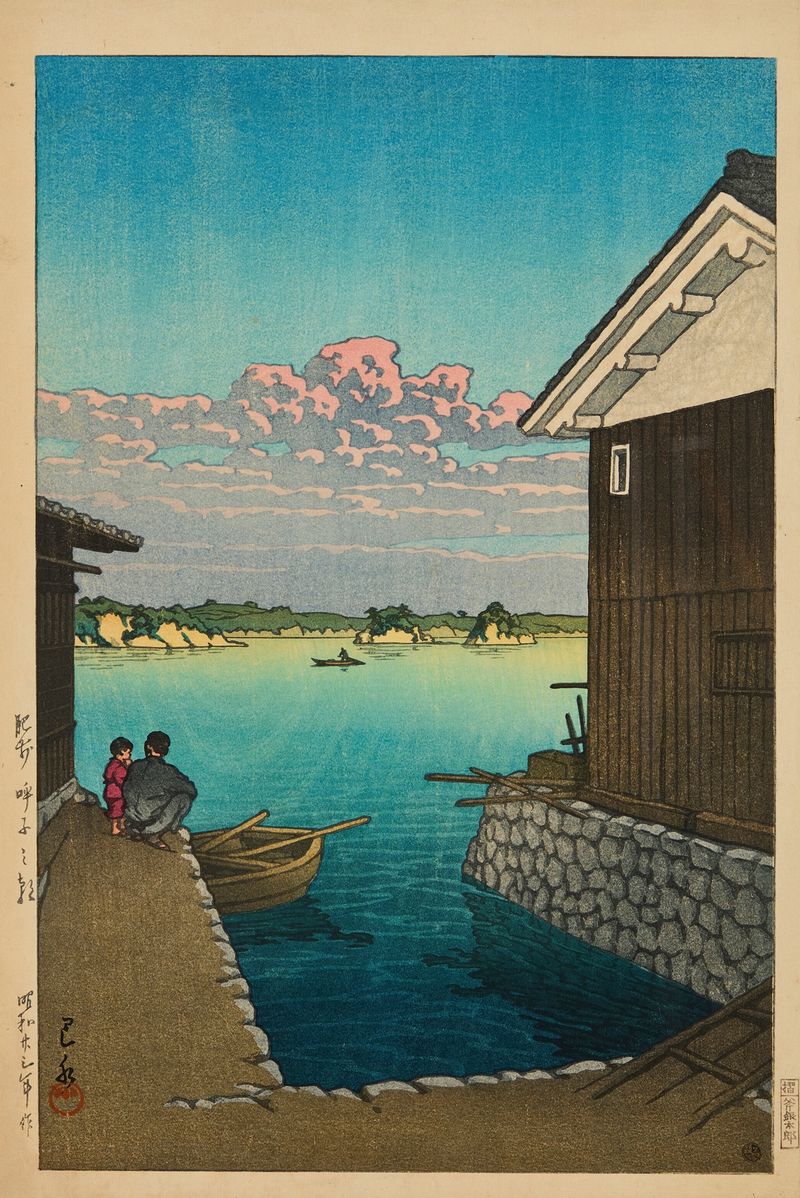
Hizen Yobuko no asa (Morning in Yobuko, Hizen)
Kawase Hasui
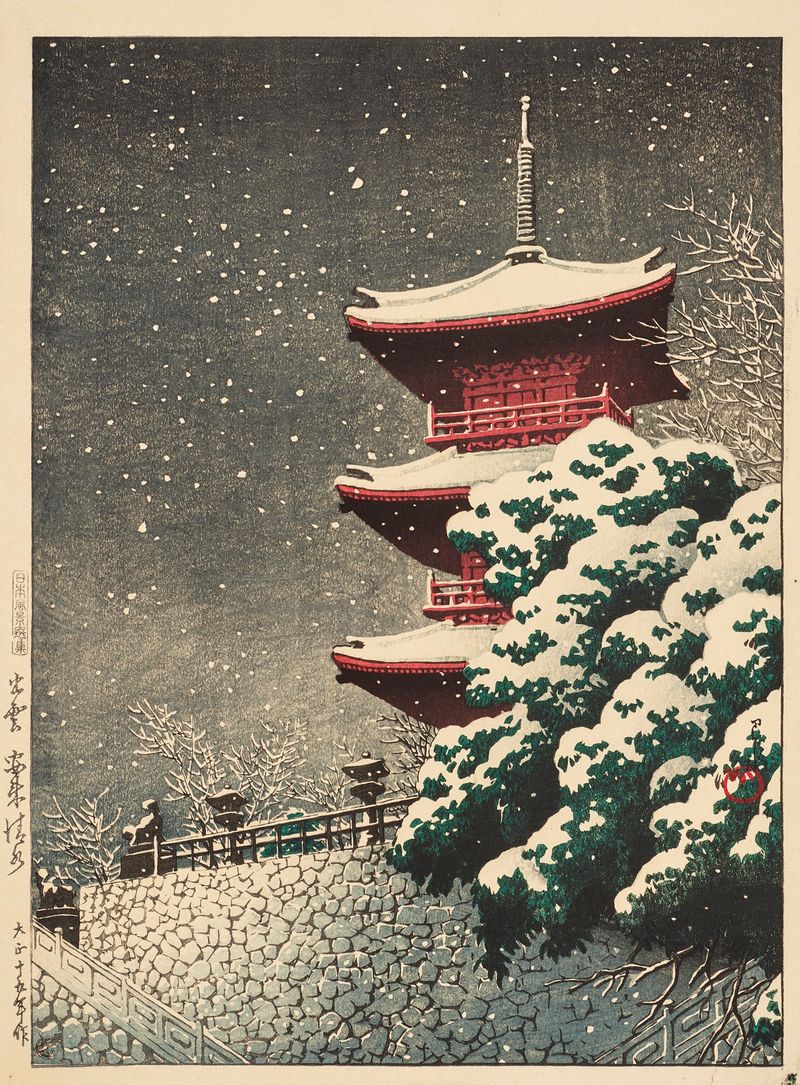
Izumo, Yasugi Kiyomizu (Yasugi Kiyomizu Temple at Izumo)
Kawase Hasui
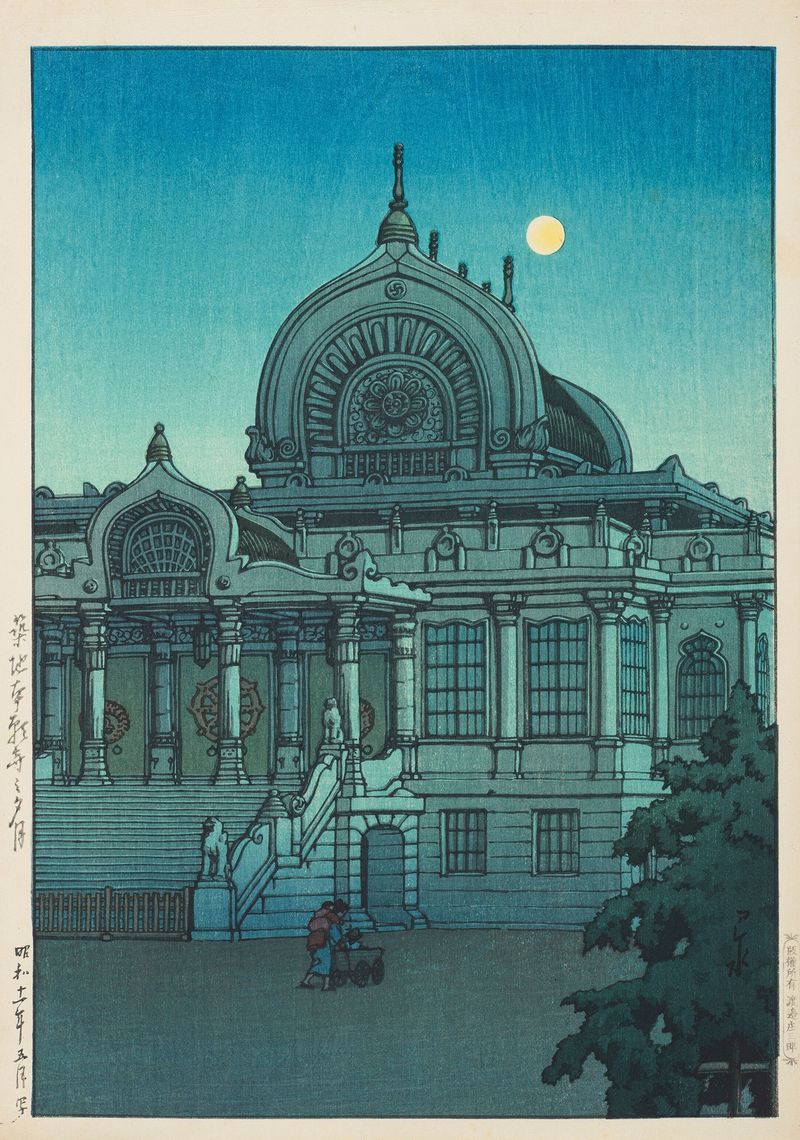
Tsukiji Honganji no yuzuki (Evening moon at Honganji Temple in Tsukiji)
Kawase Hasui
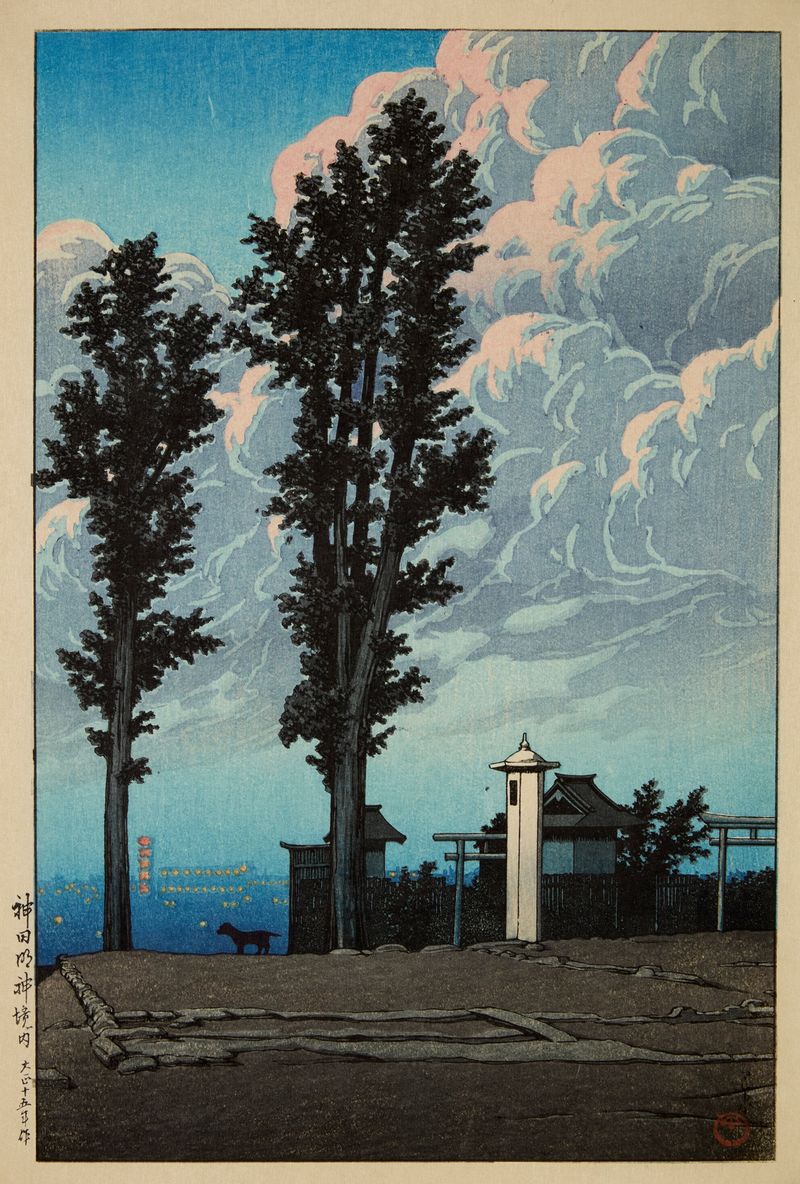
Kanda Myojin keidai (Kanda Myojin Shrine precent)
Kawase Hasui
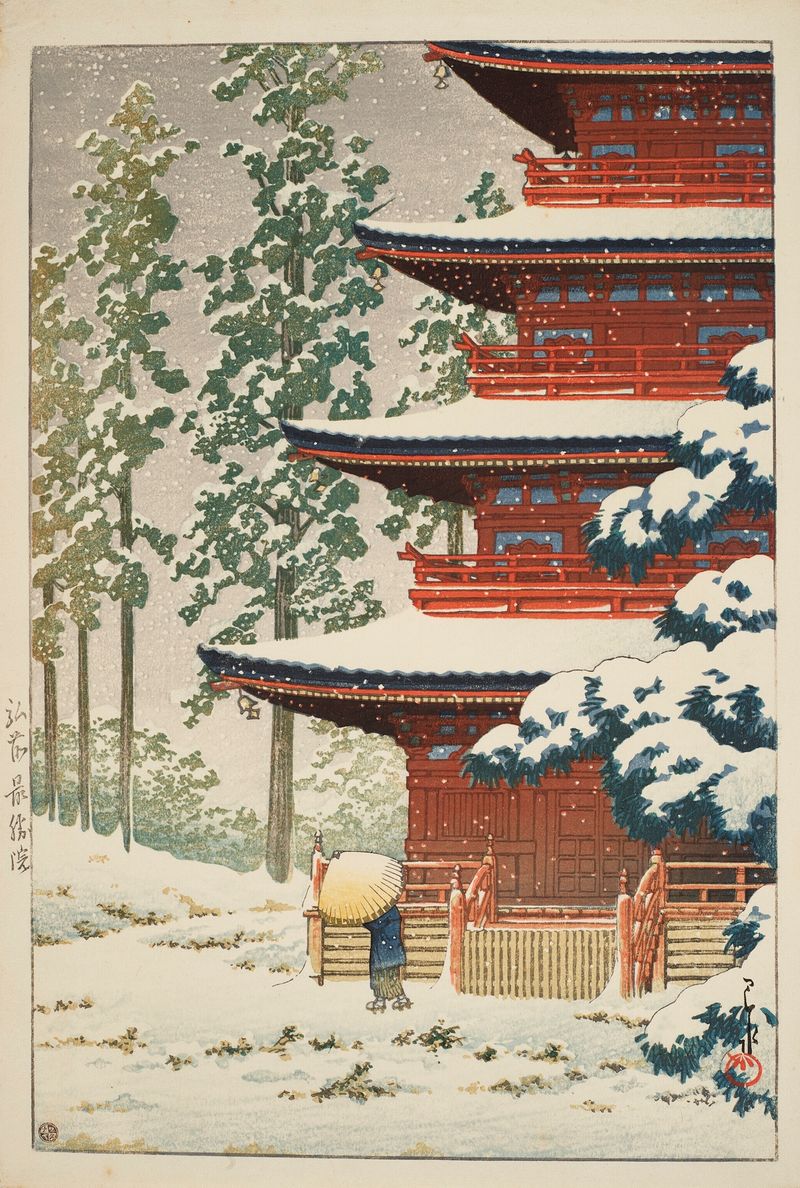
Saisho-in Temple, Hirosaki
Kawase Hasui
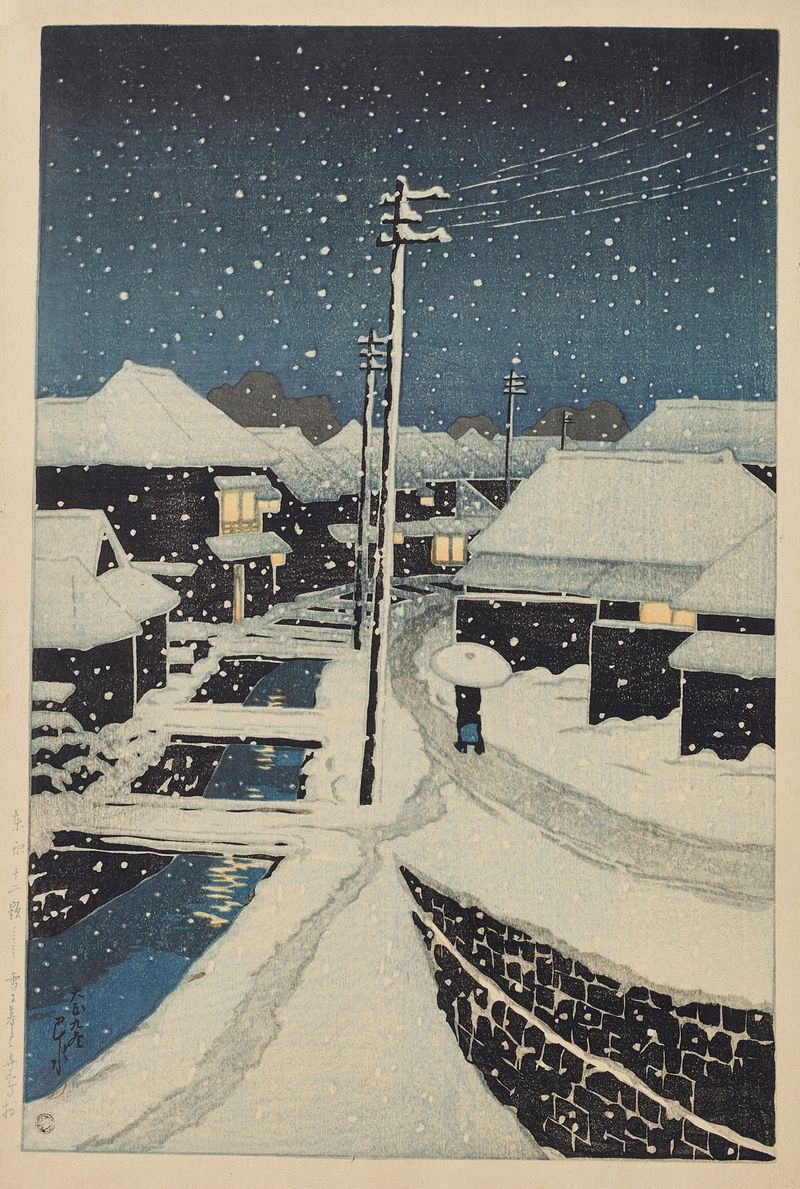
Yuki ni fururu Terajima mura (Evening snow at Terajima Village)
Kawase Hasui
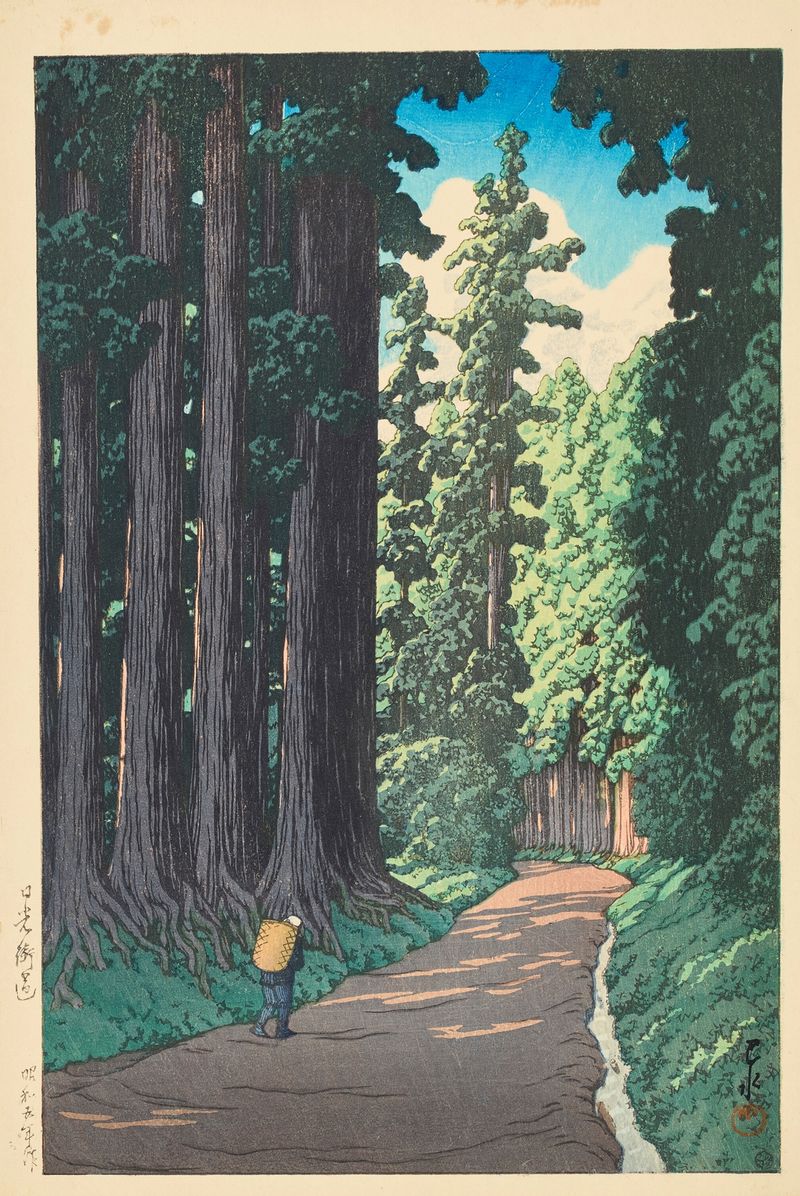
Nikko gaido (The Road to Nikko)
Kawase Hasui
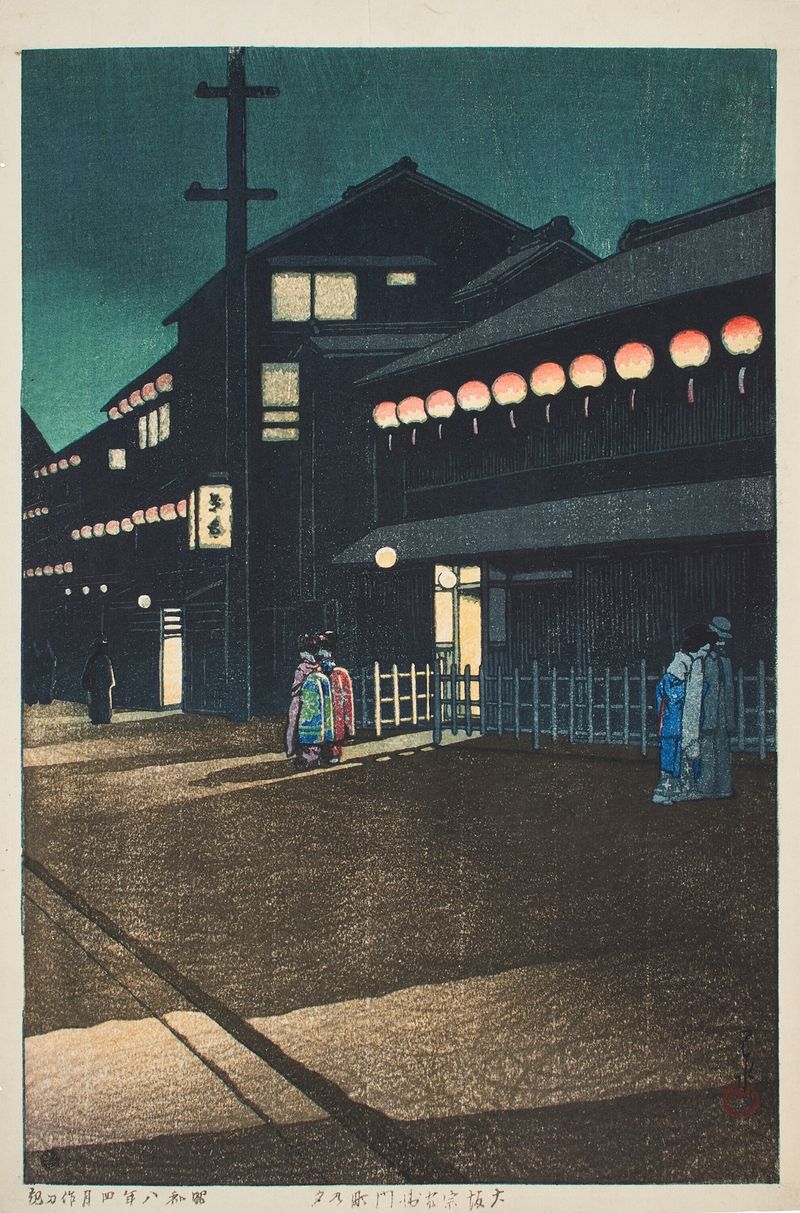
Osaka Soemon-cho no yu (Evening in Soemon-cho, Osaka)
Kawase Hasui
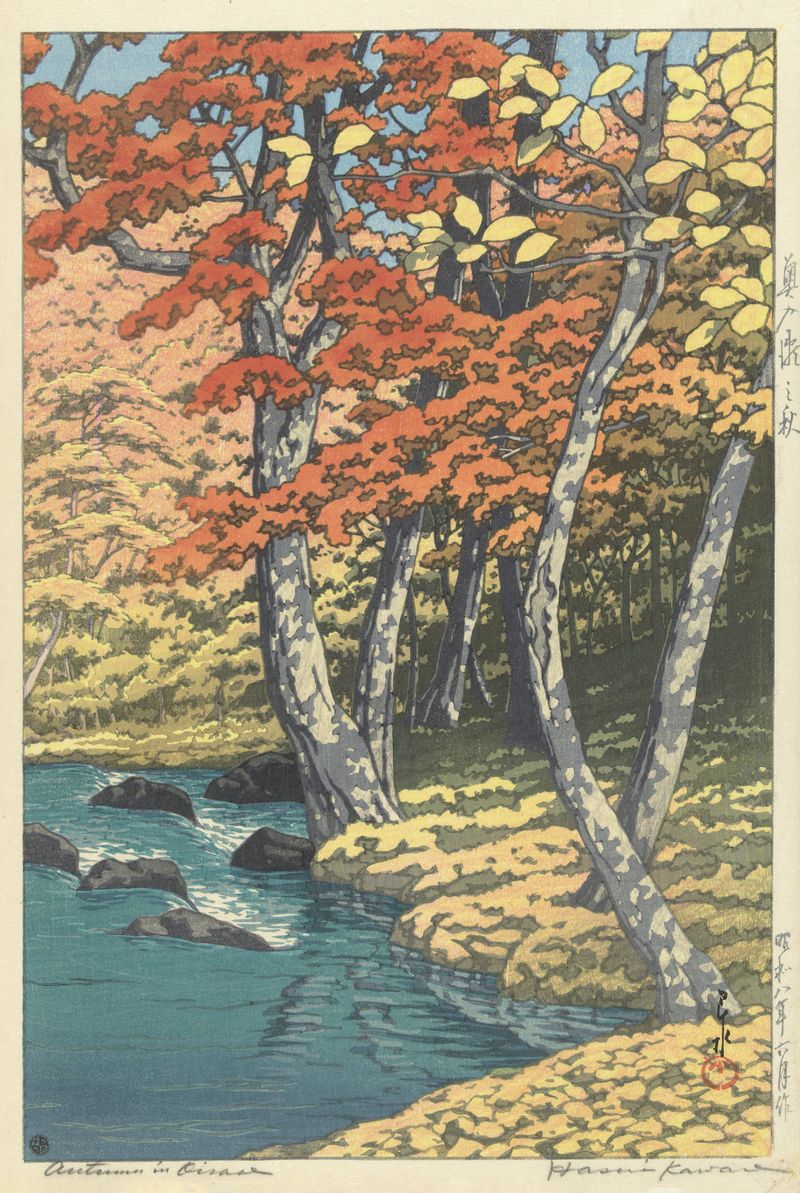
Autumn In Oirase
Kawase Hasui
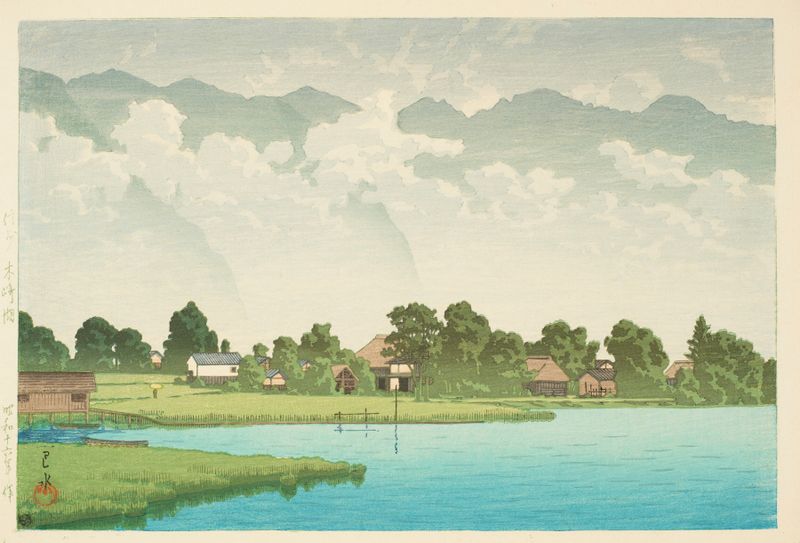
Shinshu Kizakiko (Kizaki Lake in Shinshu)
Kawase Hasui
More Architecture Art
Browse all →
The statue of Liberty
Frédéric Auguste Bartholdi

View of Houses in Delft, Known as ‘The Little Street’
Johannes Vermeer

View of Houses in Delft, Known as ‘The Little Street’
Johannes Vermeer

The Cathedral in Rouen. The portal, Grey Weather
Claude Monet

The yellow house
Vincent van Gogh

The Church in Auvers-sur-Oise, View from the Chevet
Vincent van Gogh