
Melchnau — History & Facts
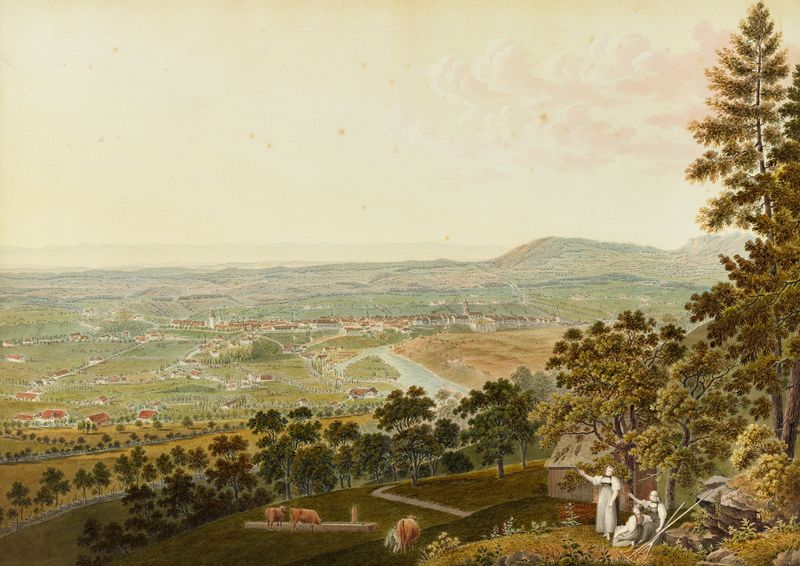
Can paint confess what words never could? In the haunting expanse of Melchnau, the brush traces the contours of silence, unearthing an emptiness that echoes within the viewer’s soul. Focus on the vast, open landscape that sprawls across the canvas, where muted hues of gray and ochre blend into the horizon. Notice how the horizon line delicately bisects the canvas, creating a paradox of space and confinement. The subtle variations in texture invite the eye to wander, while wisps of fading light beckon from above, revealing the artist's mastery in capturing atmospheric depth. The absence of figures amplifies a profound solitude, eliciting a deeper emotional resonance.
Look closely at the solitary tree, its gnarled branches stretching towards the sky, a poignant symbol of resilience against the desolation surrounding it. There lies an inherent tension between the vastness of the landscape and the isolation it embodies, creating a dialogue about existence and human experience that lingers long after the gaze has shifted. Jakob Samuel Weibel created Melchnau during a period marked by both personal and artistic exploration in his life. Working in the late 19th century, he found inspiration in the Swiss countryside, where the interplay of light and shadow on the natural environment influenced his style.
At this time, the art world was shifting towards Impressionism, yet Weibel remained steadfastly dedicated to capturing the emotive essence of his surroundings, solidifying his unique voice in the landscape genre.
More Artworks by Jakob Samuel Weibel
Browse all →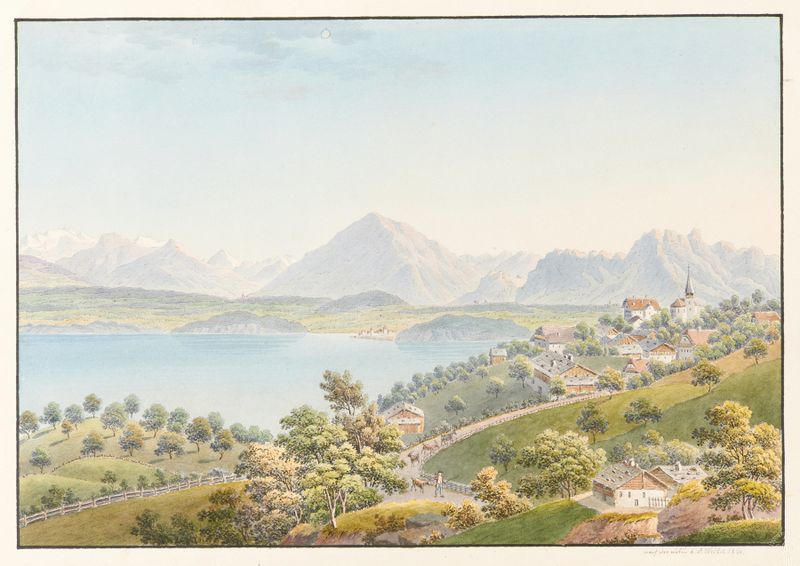
Vue dessiné depuis le Village de Sigriswil, audessus du Lac de Thoune
Jakob Samuel Weibel
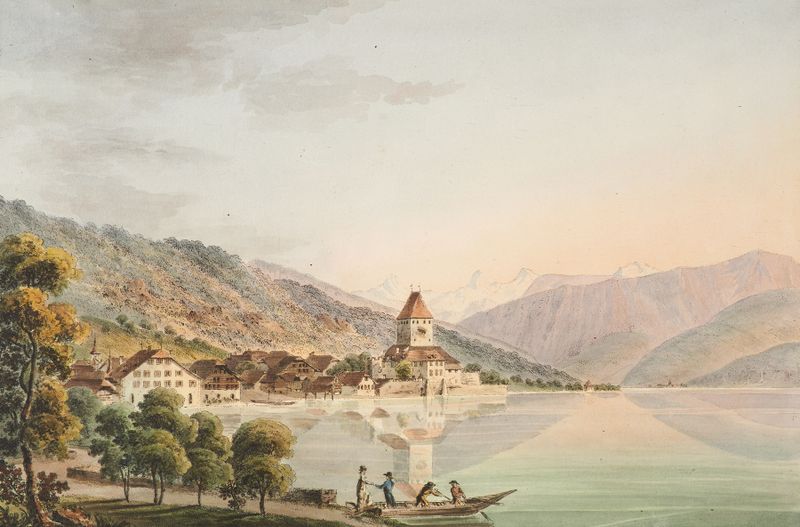
Vûe du Chateau d’Oberhofen au Lac de Thoune
Jakob Samuel Weibel
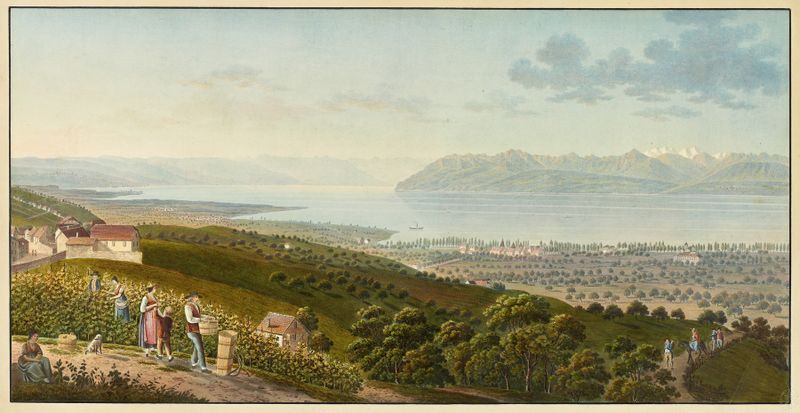
Vue genérale du Lac de Geneve
Jakob Samuel Weibel
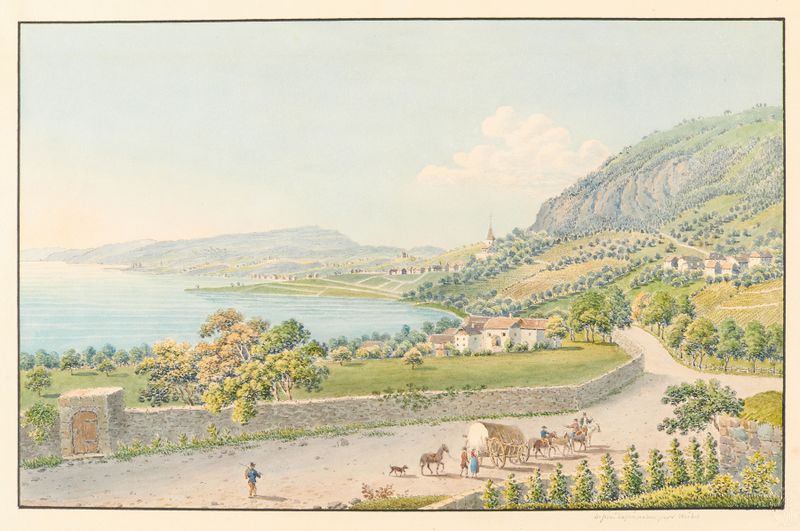
Vue des environs de Montreux et de Clarens
Jakob Samuel Weibel
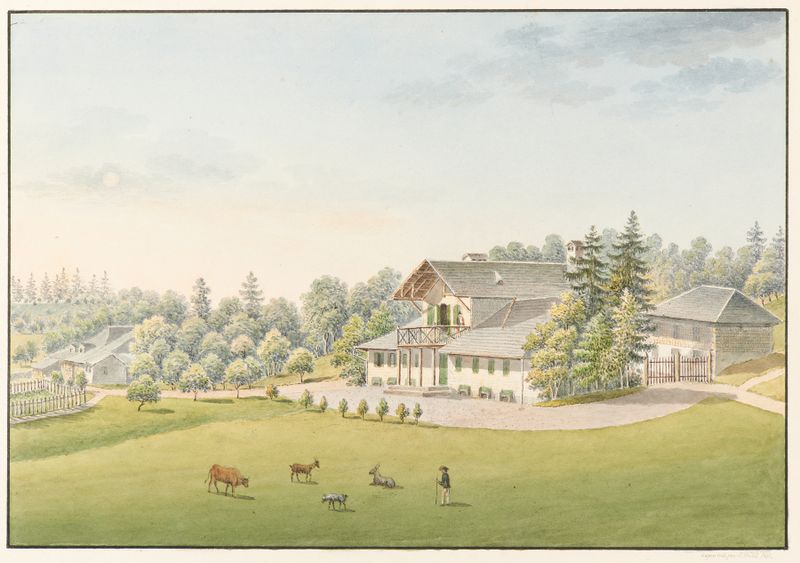
Vue du nouveau Châlet de Vernand
Jakob Samuel Weibel
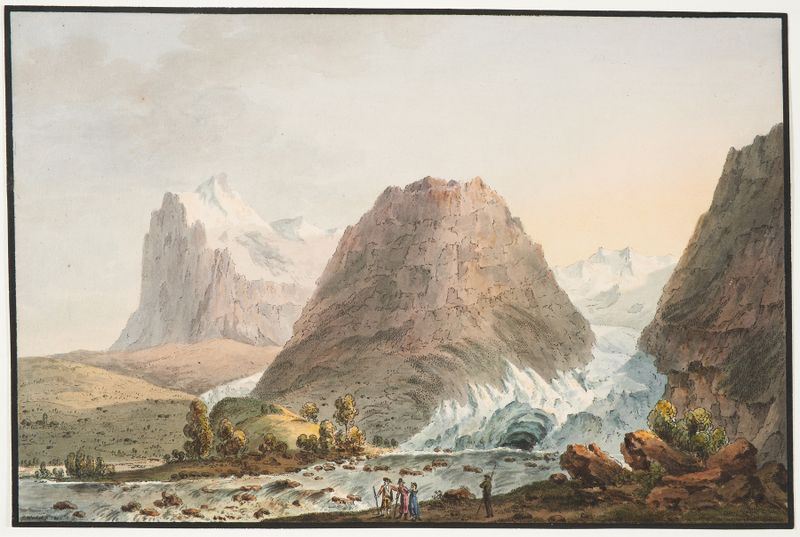
Vûe des Glacieres de Grindelwald
Jakob Samuel Weibel
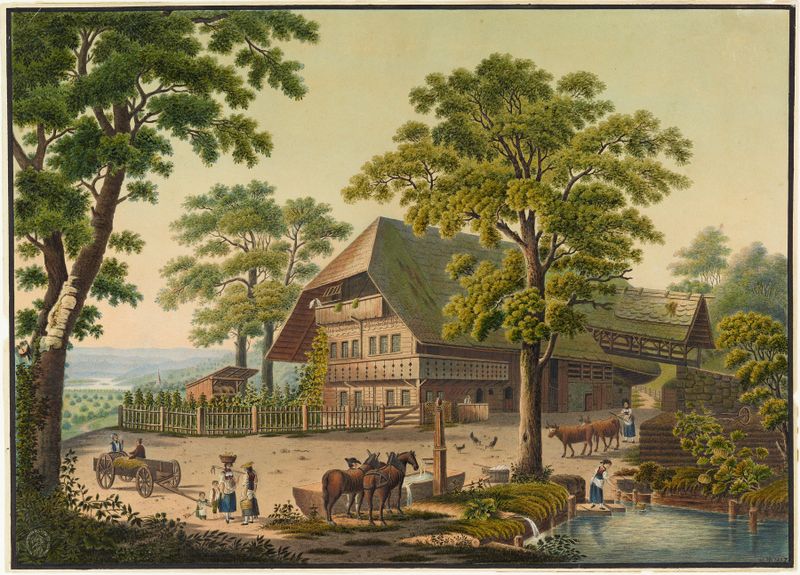
Maison de paysan près Wichtrach
Jakob Samuel Weibel
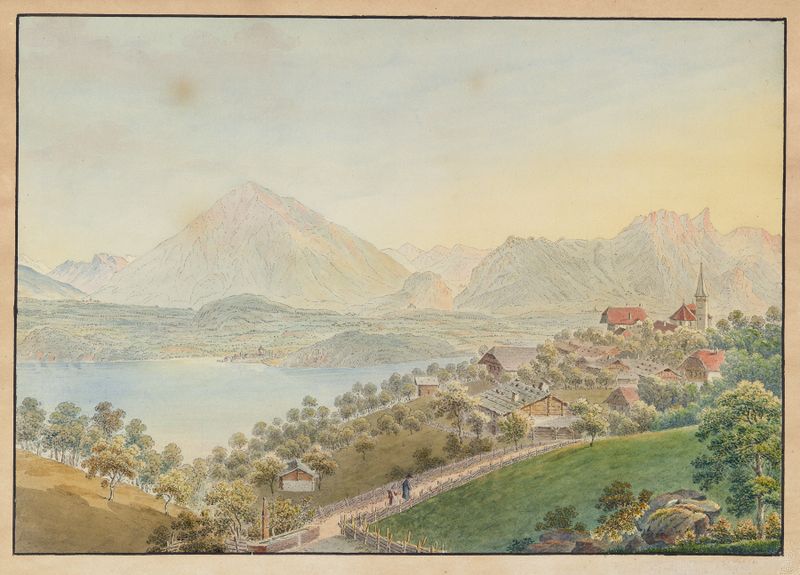
Ansicht von Sigriswil mit Niesen und Thunersee
Jakob Samuel Weibel
Ansicht Berns und der Aare vom Gurten aus
Jakob Samuel Weibel

Lausanne Ville capitale du Canton de Vaud
Jakob Samuel Weibel





