Discover insights about this artwork
Men hunting birds using a decoy — History & Facts
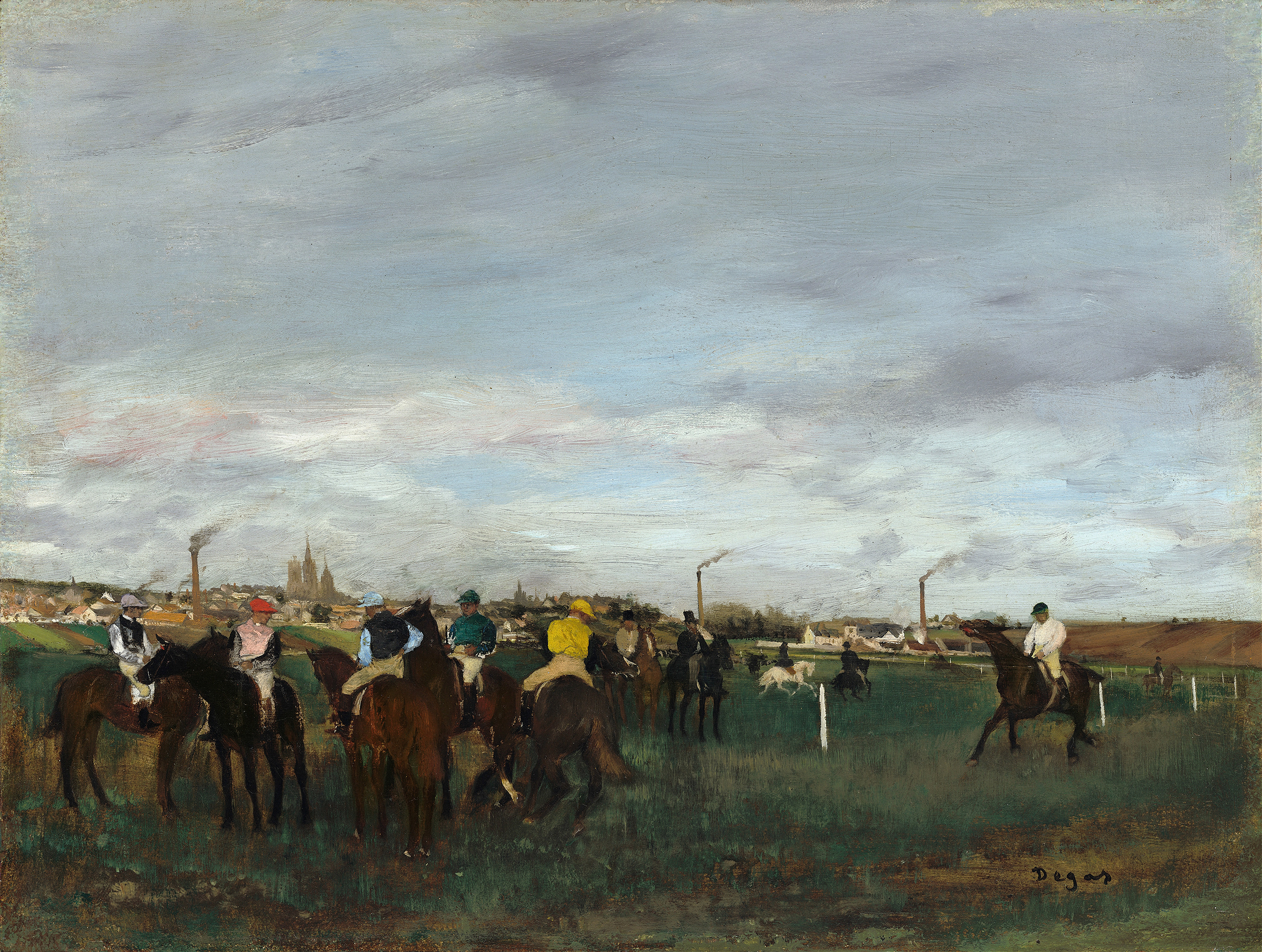
In Men hunting birds using a decoy, Francisco de Goya presents a lively scene filled with earthy tones. The painting features several men engaged in the act of hunting, surrounded by a natural landscape. The use of green and brown hues emphasizes the connection between the hunters and their environment.
The decoy, central to the composition, draws the viewer's eye and symbolizes the cunning involved in the hunt. This artwork is executed in oil on canvas, a medium that allows for rich textures and depth. Goya's brushwork is evident in the details of the men's clothing and the surrounding foliage. The composition is balanced, with figures arranged in a way that guides the viewer's gaze through the scene.
The approximate dimensions of the painting are 80 x 100 cm, making it a substantial piece that commands attention. Created during the Romantic period, this work reflects Goya's fascination with nature and rural life. It is believed to have been painted in the 1780s, a time when Goya was exploring themes of human activity in relation to the environment. An interesting fact about this painting is that it showcases Goya's ability to blend realism with a romanticized view of rural pursuits.
This piece is housed in the Museo del Prado, where it continues to captivate audiences.
More Artworks by Francisco de Goya
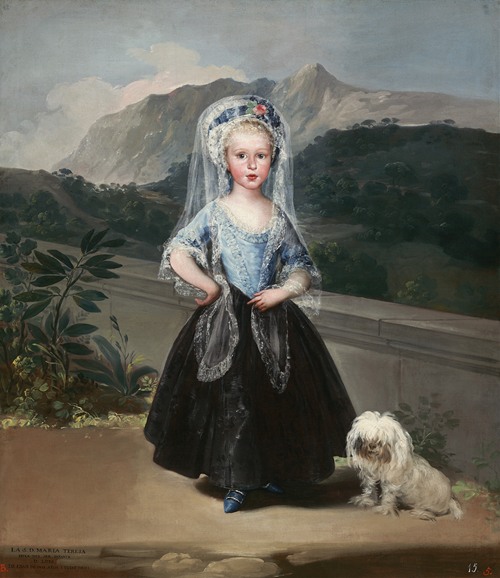
María Teresa de Borbón y Vallabriga,later Condesa de Chinchón
Francisco de Goya
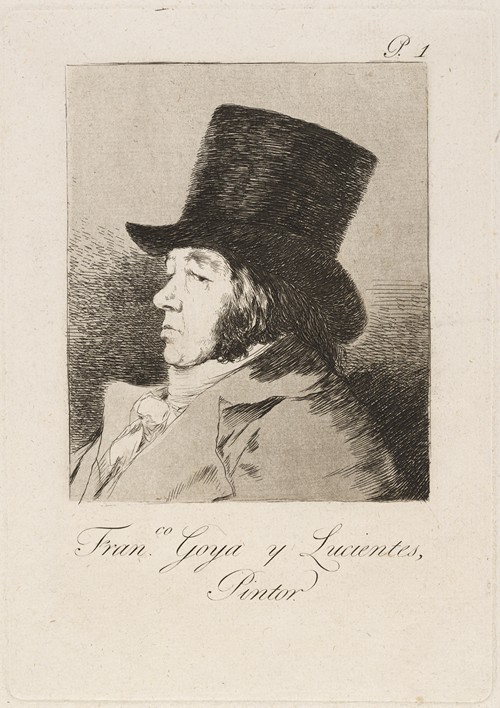
Francisco Goya y Lucientes, Pintor (Francisco Goya y Lucientes, painter)
Francisco de Goya
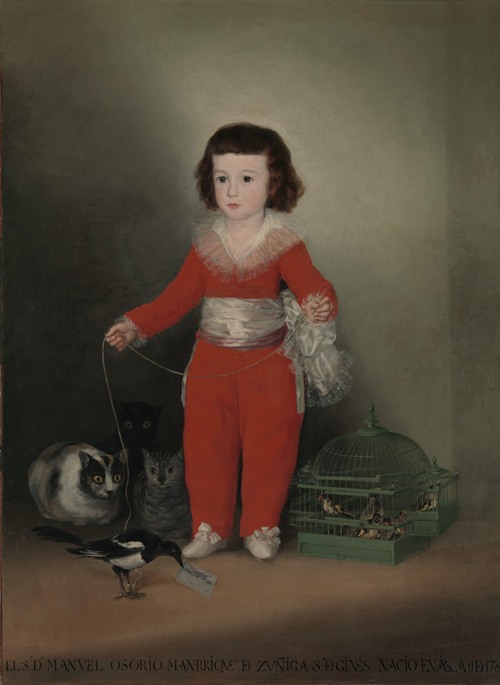
Manuel Osorio Manrique de Zuñiga (1784–1792)
Francisco de Goya
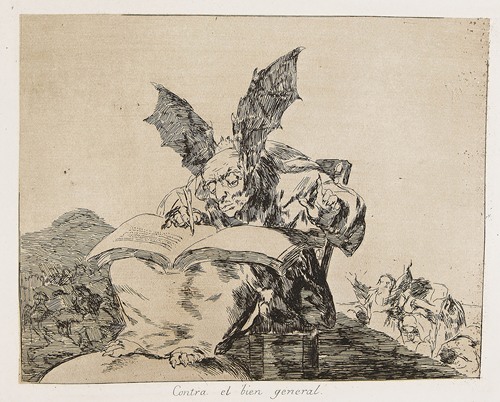
Los desastres de la guerra
Francisco de Goya
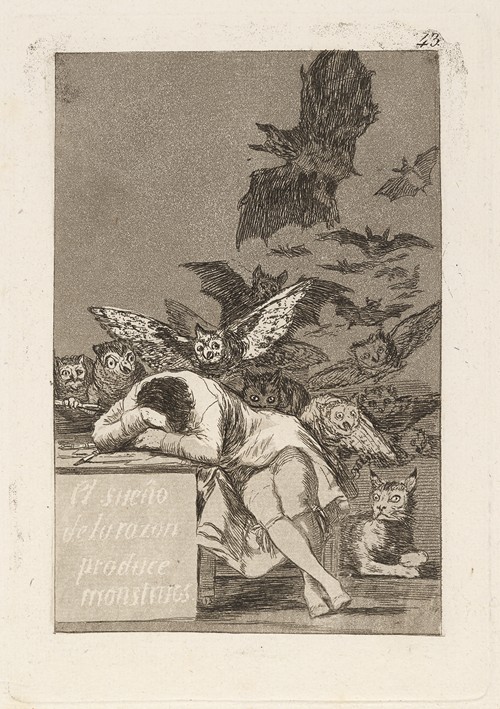
El sueño de la razon produce monstruos. (The sleep of reason produces monsters.)
Francisco de Goya
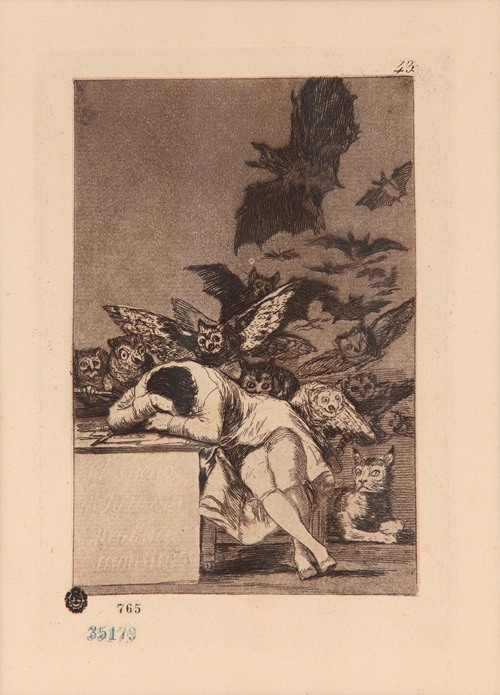
El sueño de la razon produce moustruos (Serie Caprichos)
Francisco de Goya
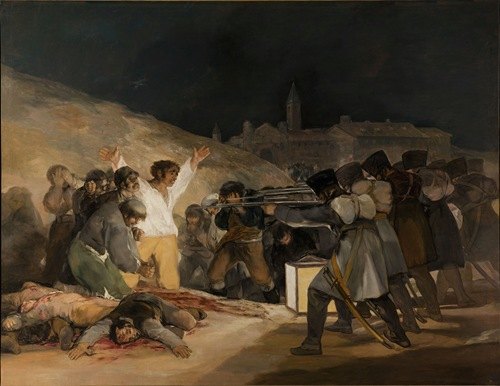
The Third of May
Francisco de Goya
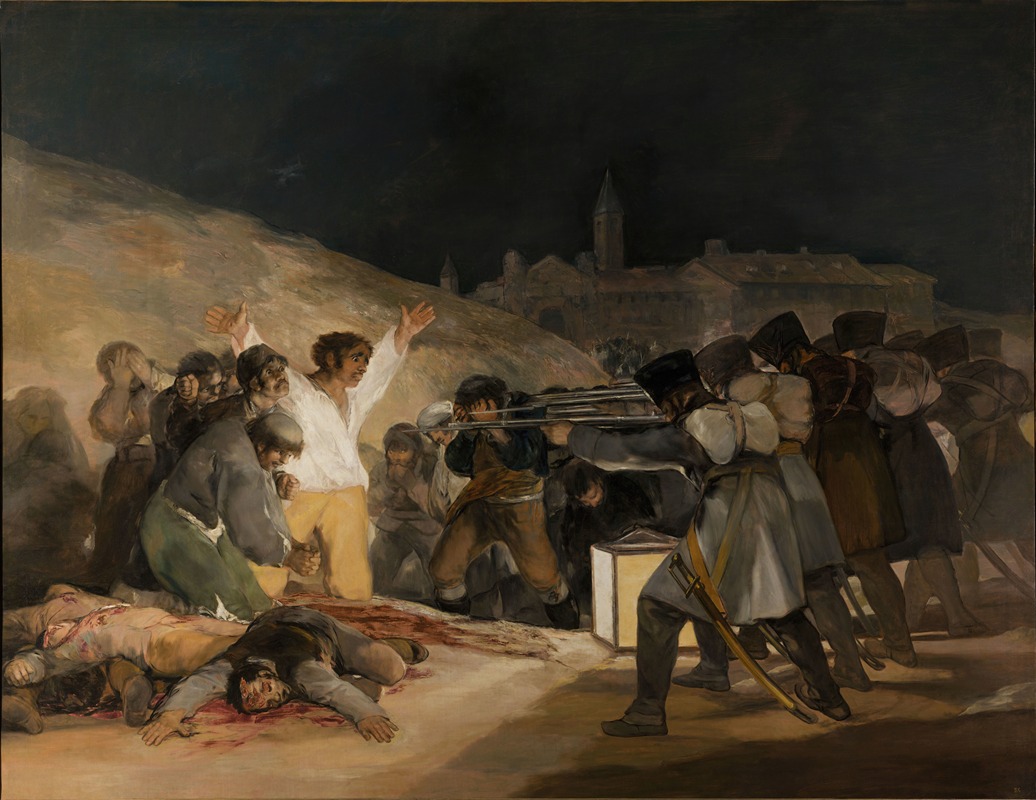
The Third of May 1808
Francisco de Goya
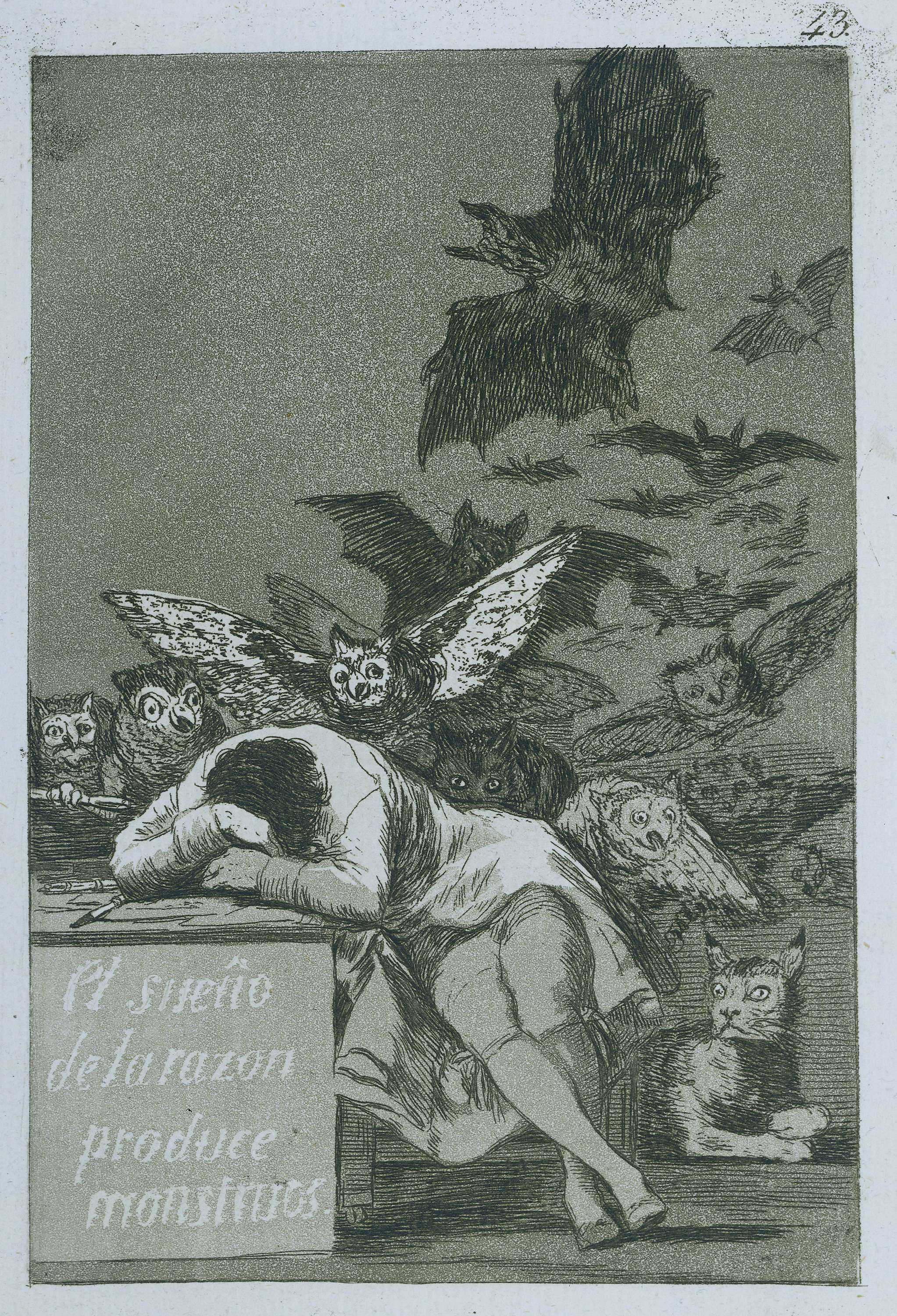
De slaap van de rede brengt monsters voort
Francisco de Goya
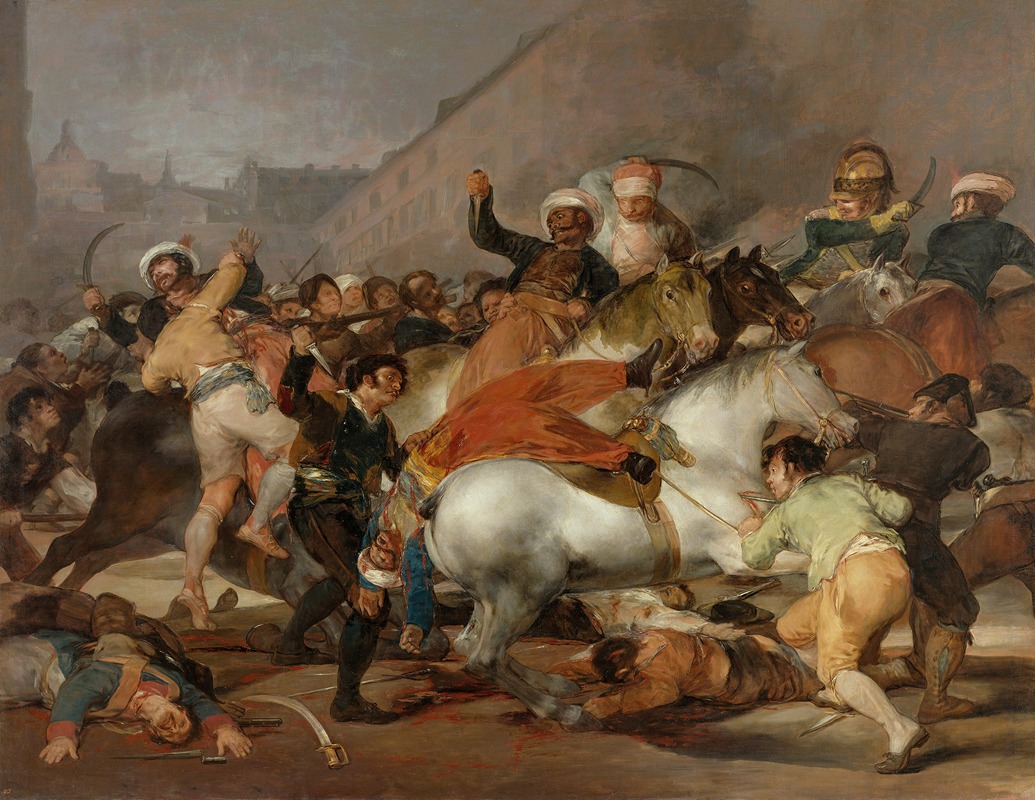
The Charge of the Mamelukes (1814)
Francisco de Goya