
Mercatoris Londinensis Filia — History & Facts
Could a single brushstroke hold eternity? In Wenceslaus Hollar's Mercatoris Londinensis Filia, beauty emerges from the delicate intricacies of line and form, inviting us to ponder the profound depths of simplicity. Look closely at the figure, posed gracefully in the center, with her serene expression drawing your gaze. The meticulous detailing of the lace collar and the gentle play of light on her skin reveal Hollar's masterful etching technique. The composition is a harmonious balance of shadow and light, guiding the eye to the young woman’s engaging gaze, which holds a silent conversation with the viewer.
Shades of ink create a subtle yet dynamic interplay, breathing life into the stillness of the image. Beneath the surface lies a rich tapestry of meaning. The woman’s poised demeanor juxtaposes the chaos of the world outside her frame, suggesting a fleeting moment of tranquility amid societal upheaval in England during the 17th century. The delicate lines weave a narrative of femininity and strength, while the ornate details reflect the aspirations of the merchant class, hinting at a world where art and commerce intertwine.
Each stroke seems to encapsulate a fleeting emotion, a reminder of both beauty and fragility. In 1643, Hollar worked in London, a city teetering on the brink of civil war. This period was marked by political instability and cultural transformation, as artists began to experiment more boldly in their craft. The artist, originally from Bohemia, found a refuge in England where he could explore his talent amidst a vibrant, yet tumultuous, artistic community.
Mercatoris Londinensis Filia stands as a quiet witness to these times, encapsulating both personal and collective narratives through its elegant portrayal of beauty.
More Artworks by Wenceslaus Hollar
Browse all →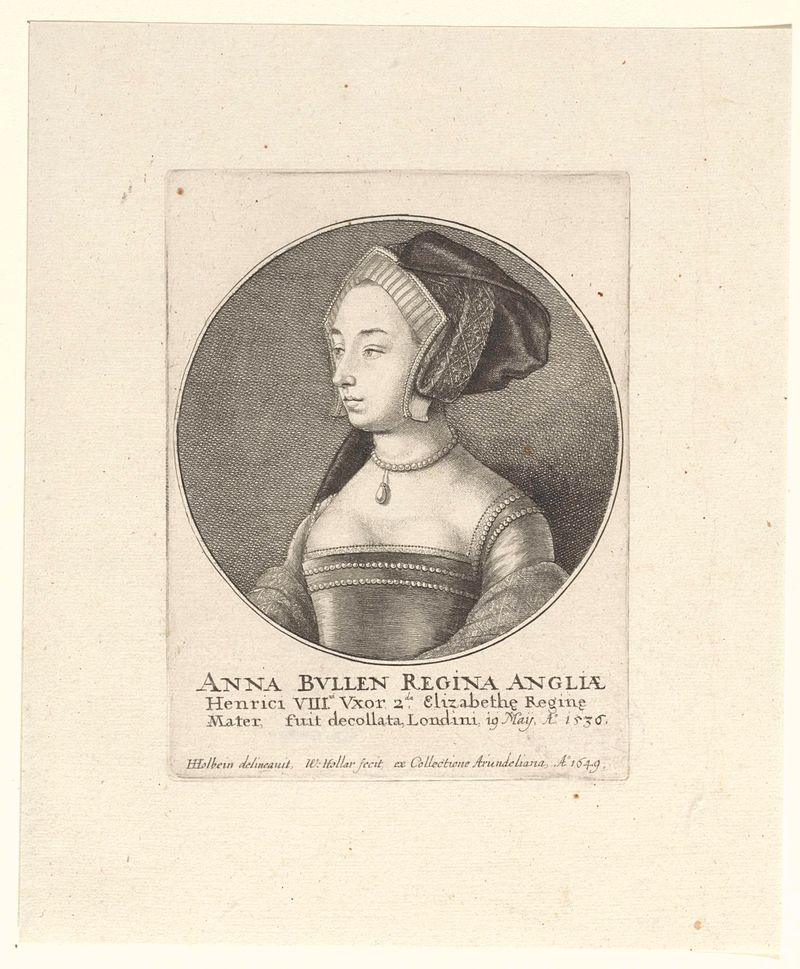
Portret van Anna Boleyn, koningin van Engeland
Wenceslaus Hollar
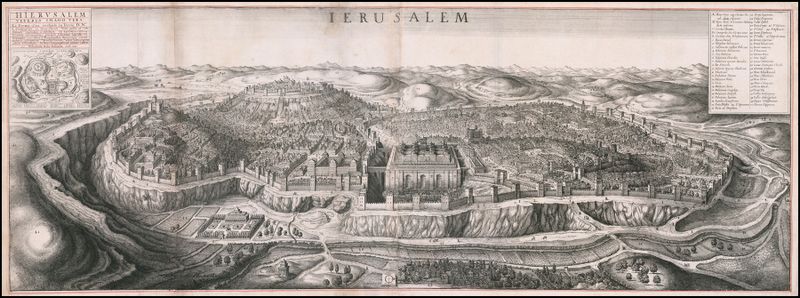
Bird’s eye view of Jerusalem
Wenceslaus Hollar
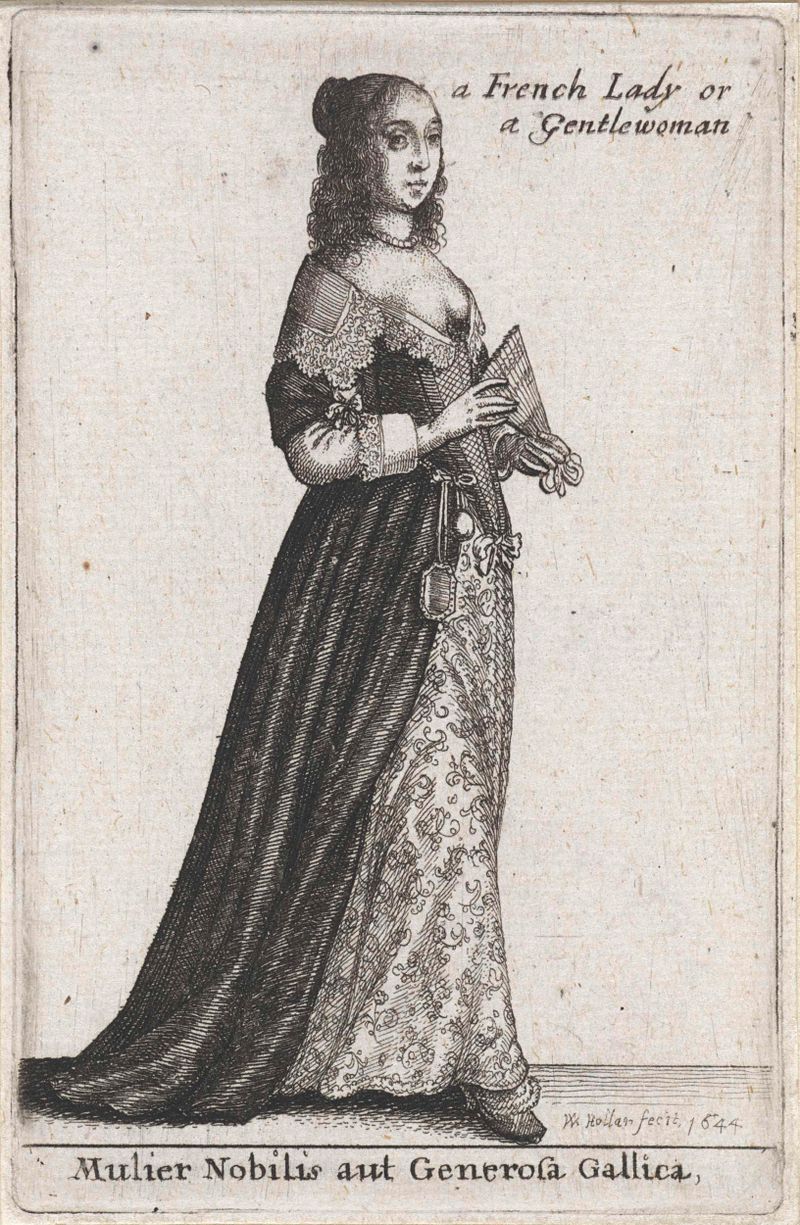
Mulier Nobilis aut Generosa Gallica / a French Lady or Gentlewoman
Wenceslaus Hollar
Titelprent voor: Ornatus Muliebris Anglicanus
Wenceslaus Hollar
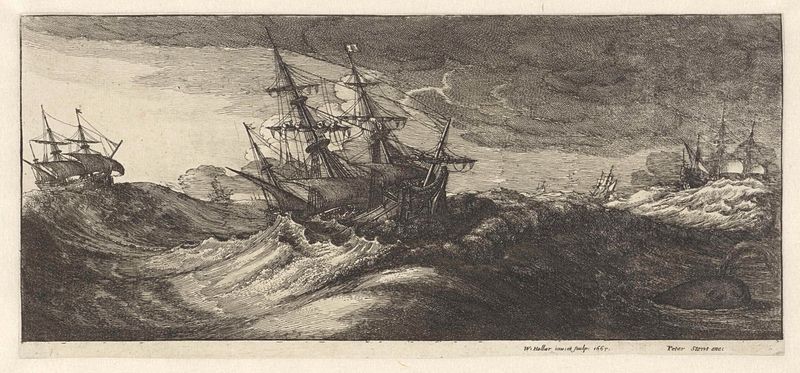
Oorlogsschepen en een walvis in een zeestorm
Wenceslaus Hollar
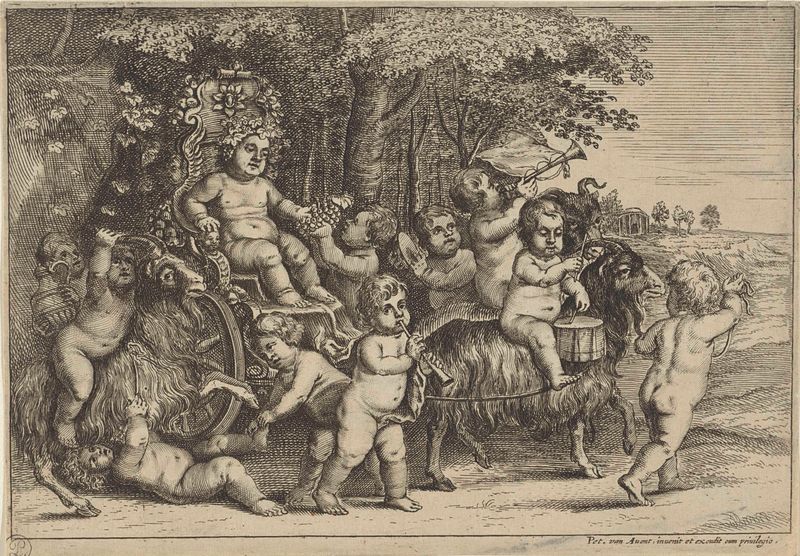
Optocht van bacchant en jongetjes op geiten
Wenceslaus Hollar
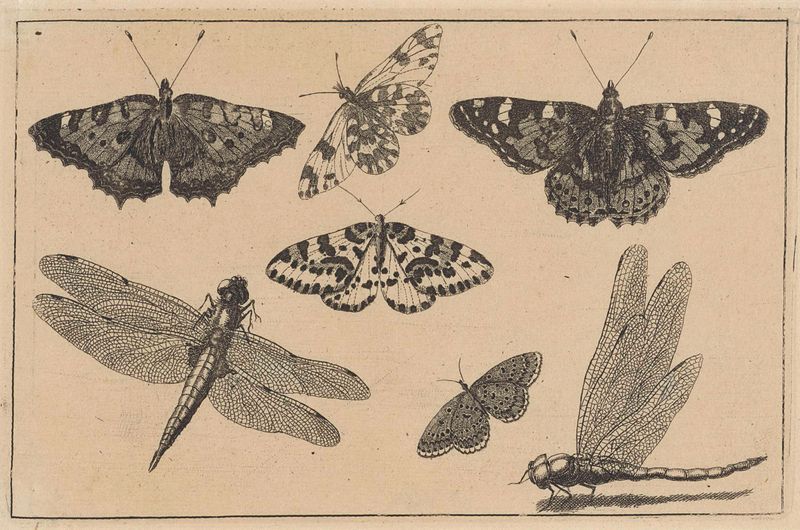
Twee libellen en vijf vlinders
Wenceslaus Hollar
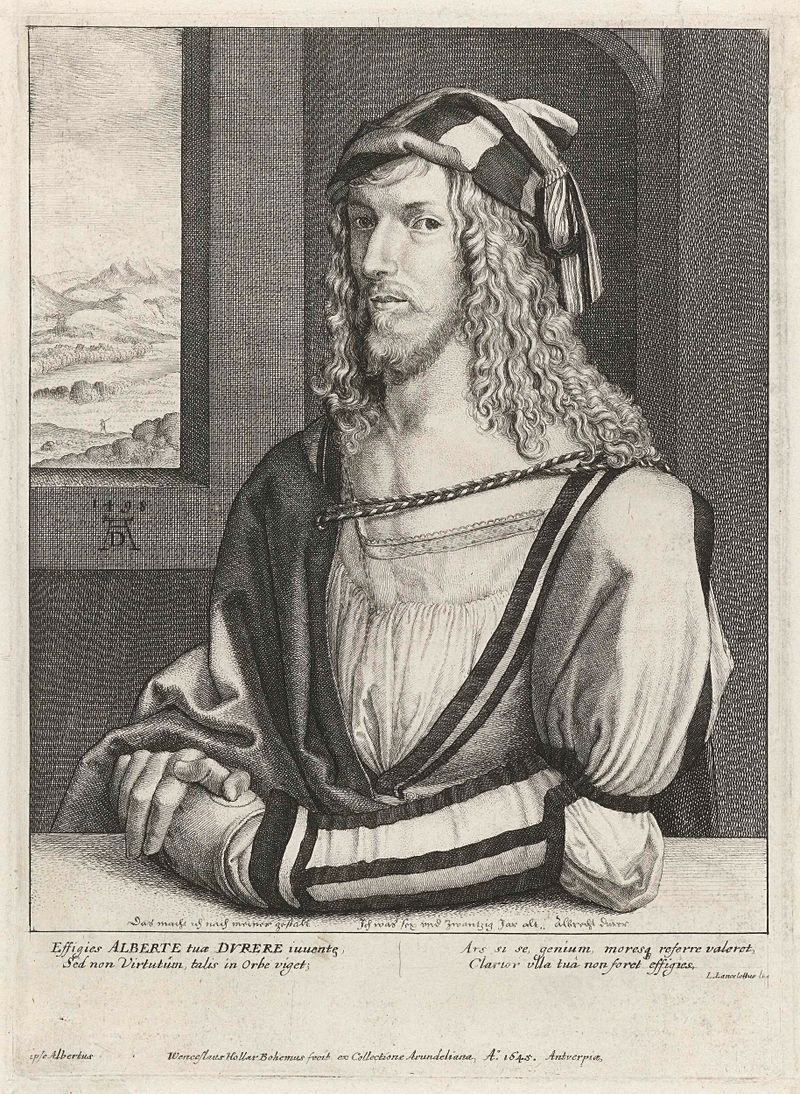
Portret van Albrecht Dürer
Wenceslaus Hollar
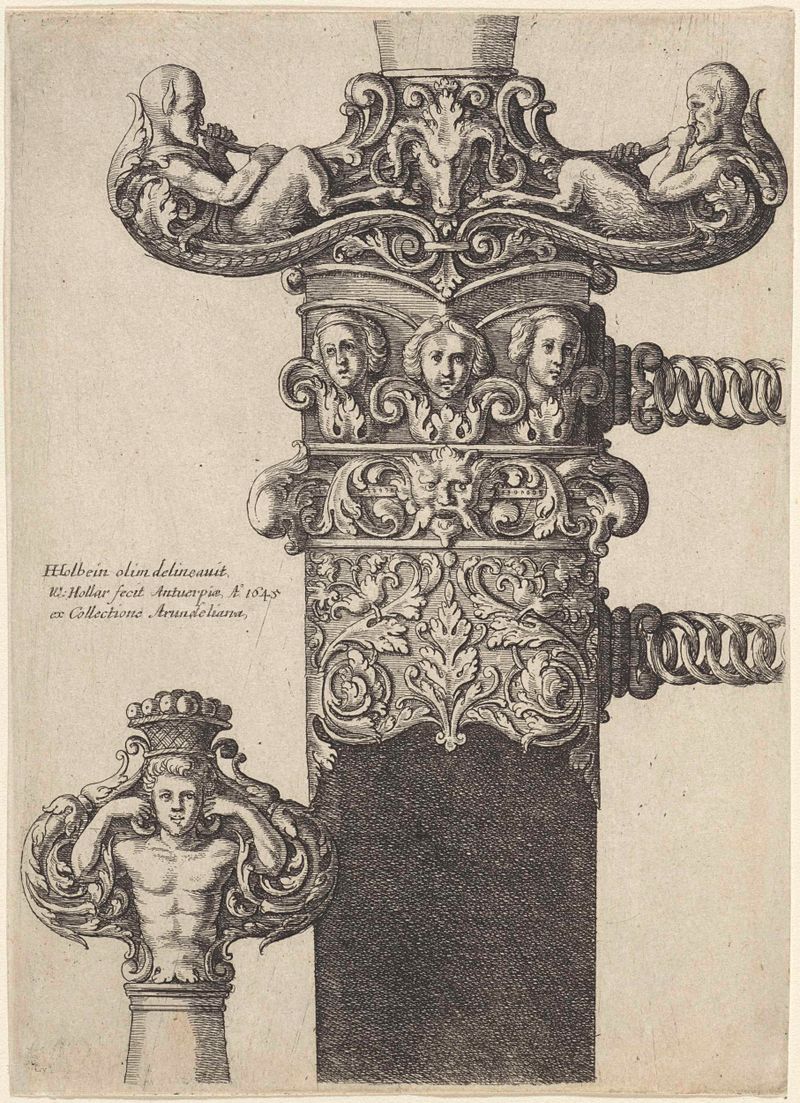
Ornamenteel ontwerp voor een dolk
Wenceslaus Hollar
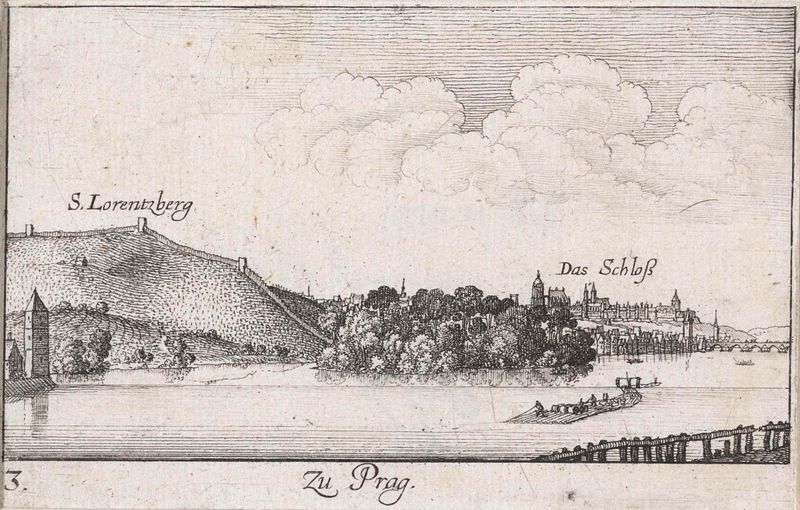
Gezicht op Praag vanaf de Moldau
Wenceslaus Hollar
More Portrait Art
Browse all →
Las meninas
Diego Velázquez

Self-portrait with a Bandaged Ear and Pipe
Unidentified artist

Girl with a Pearl Earring
Johannes Vermeer

The Sampling Officials of the Amsterdam Drapers’ Guild, Known as ‘The Syndics’
Rembrandt van Rijn

The Hundred Guilder Print: the man seen on the back in the lower left corner
Rembrandt van Rijn

Portrait of Dr Gachet
Vincent van Gogh