
Mercatoris Parisiensis Vxor / Merchants wife of Paris — History & Facts
When did color learn to lie? In a world where hue bends to the will of perception, the artistry unfolds with delicate precision, revealing layers of truth and illusion. Look to the center of the composition, where the merchant's wife stands poised in her sumptuous attire, a masterclass of texture and depth. Notice how the rich tones of her gown contrast with the muted backdrop, drawing the eye to her figure as if she were the very nexus of a bustling market. The fine details of the lace and fabric seem to breathe, showcasing Hollar's mastery of etching; every stitch, every shadow dances with the light, creating a sense of intimacy that defies the flatness of the medium. Beyond the immediate allure, the woman's expression hints at a complexity beneath her elegant facade.
A subtle tension exists between her confident posture and the speculative gaze that seems to dart beyond the viewer, perhaps reflecting a yearning for something more than mere commerce. The juxtaposition of her opulent attire against the shadowy recesses of the background speaks to the dichotomy of wealth and emotional solitude, inviting interpretation and introspection. In 1643, Hollar created this piece during a tumultuous period marked by the Thirty Years' War in Europe, which shaped societal dynamics profoundly. Living in Paris after having fled his native Bohemia, he was embedded in a flourishing artistic community, yet surrounded by uncertainty.
This work not only reflects the vibrancy of contemporary life but also hints at the artist's deeper engagement with the themes of faith and human experience in a world rife with change.
More Artworks by Wenceslaus Hollar
Browse all →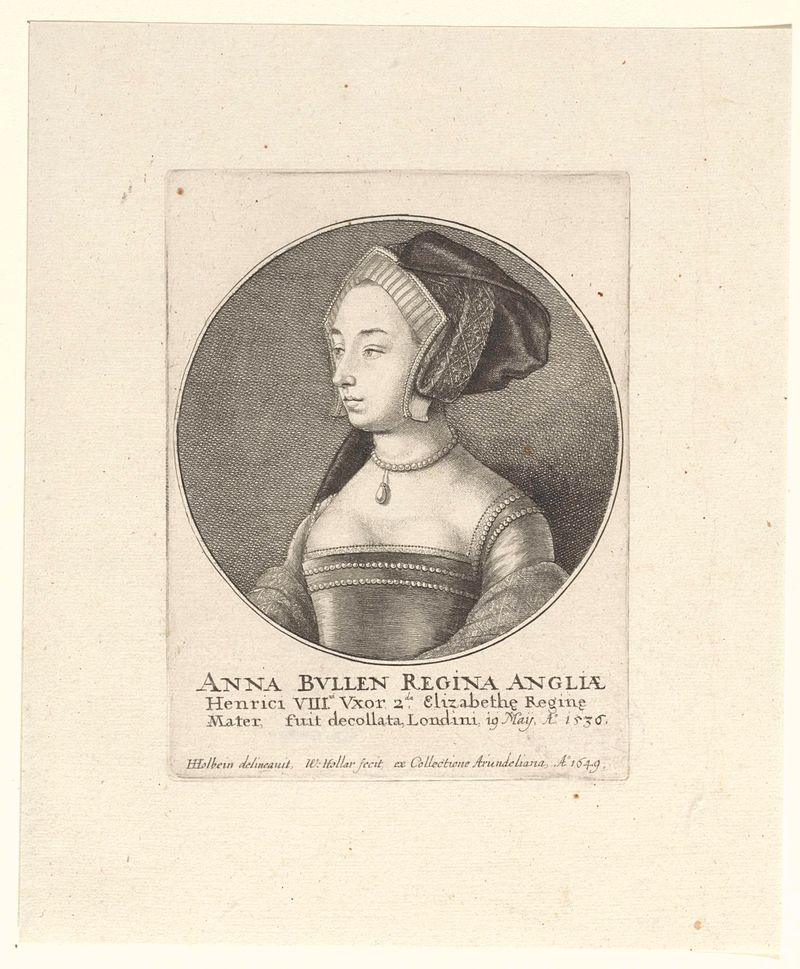
Portret van Anna Boleyn, koningin van Engeland
Wenceslaus Hollar
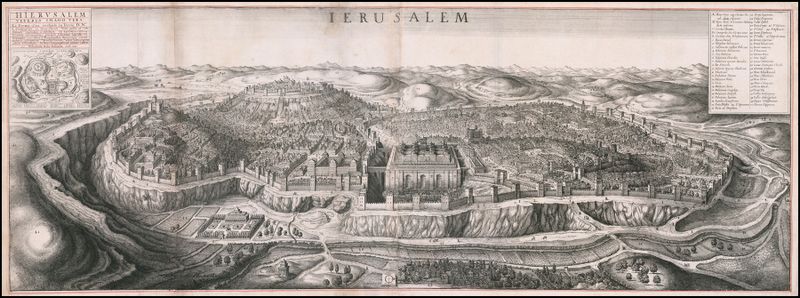
Bird’s eye view of Jerusalem
Wenceslaus Hollar
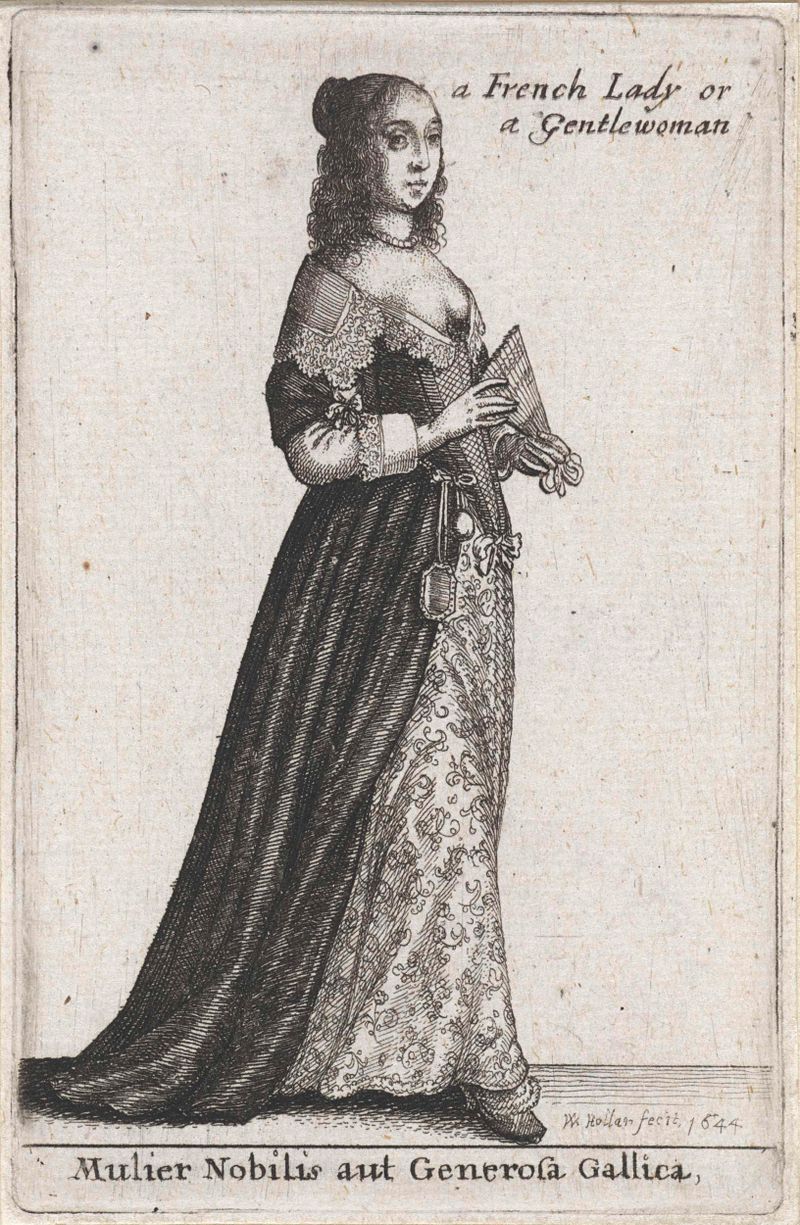
Mulier Nobilis aut Generosa Gallica / a French Lady or Gentlewoman
Wenceslaus Hollar
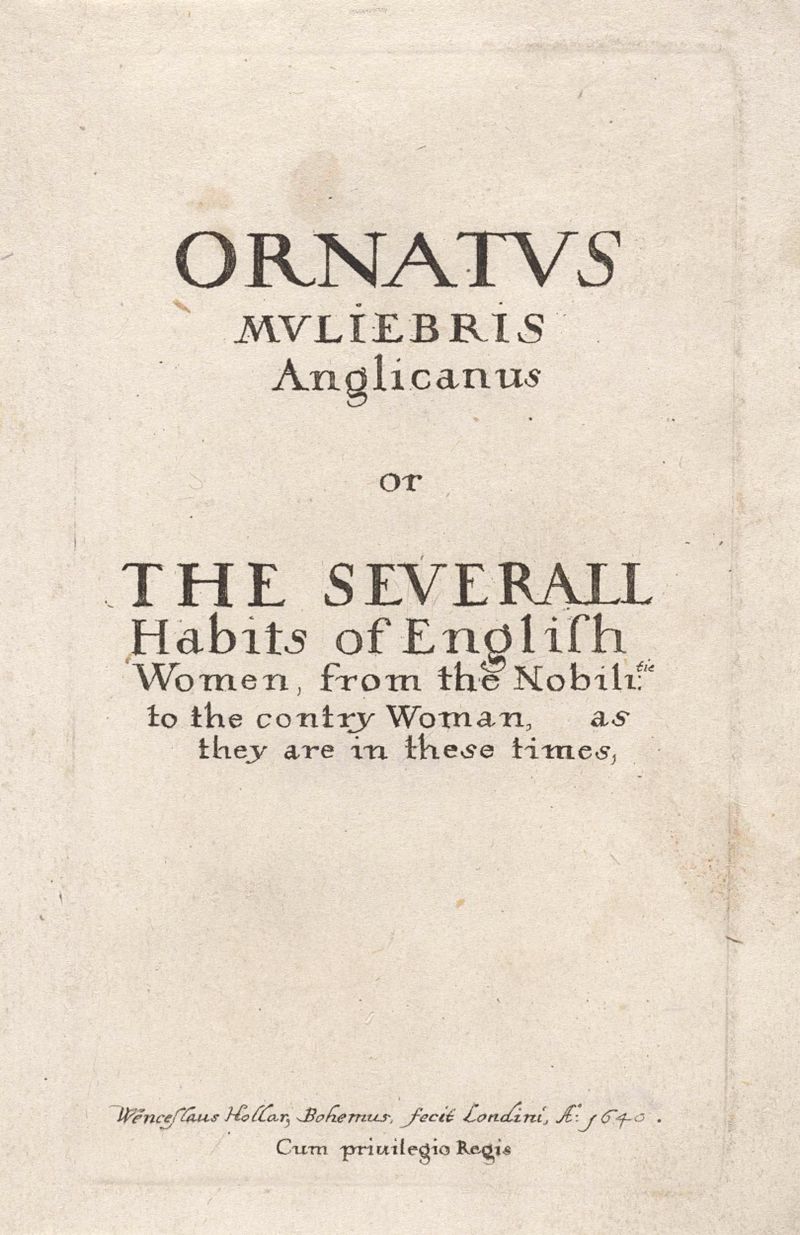
Titelprent voor: Ornatus Muliebris Anglicanus
Wenceslaus Hollar
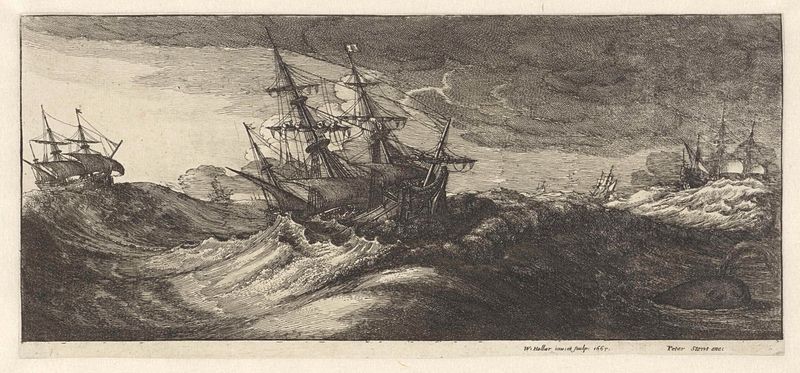
Oorlogsschepen en een walvis in een zeestorm
Wenceslaus Hollar
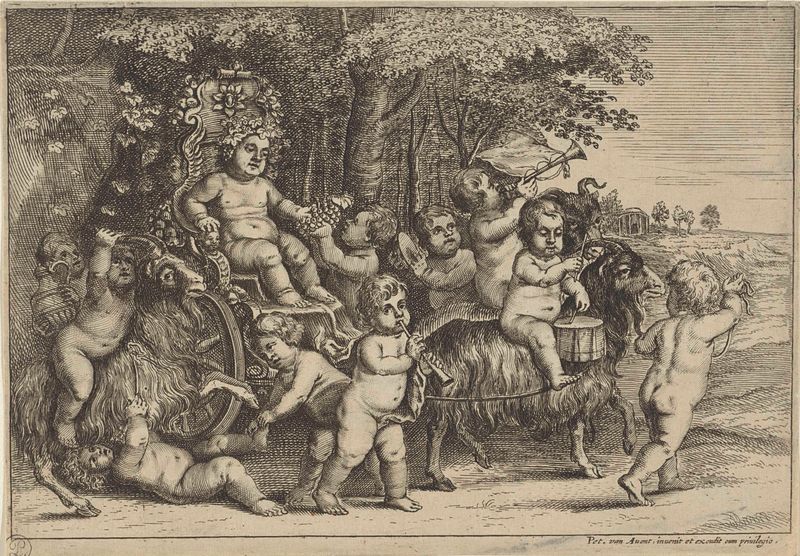
Optocht van bacchant en jongetjes op geiten
Wenceslaus Hollar
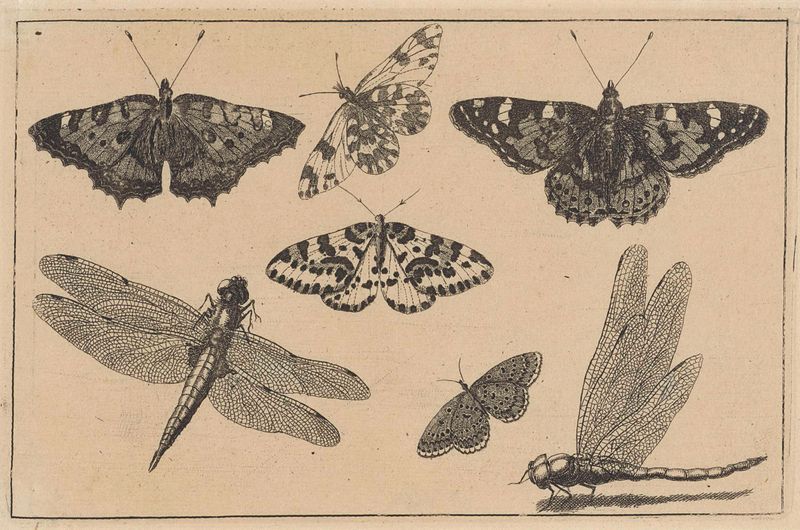
Twee libellen en vijf vlinders
Wenceslaus Hollar
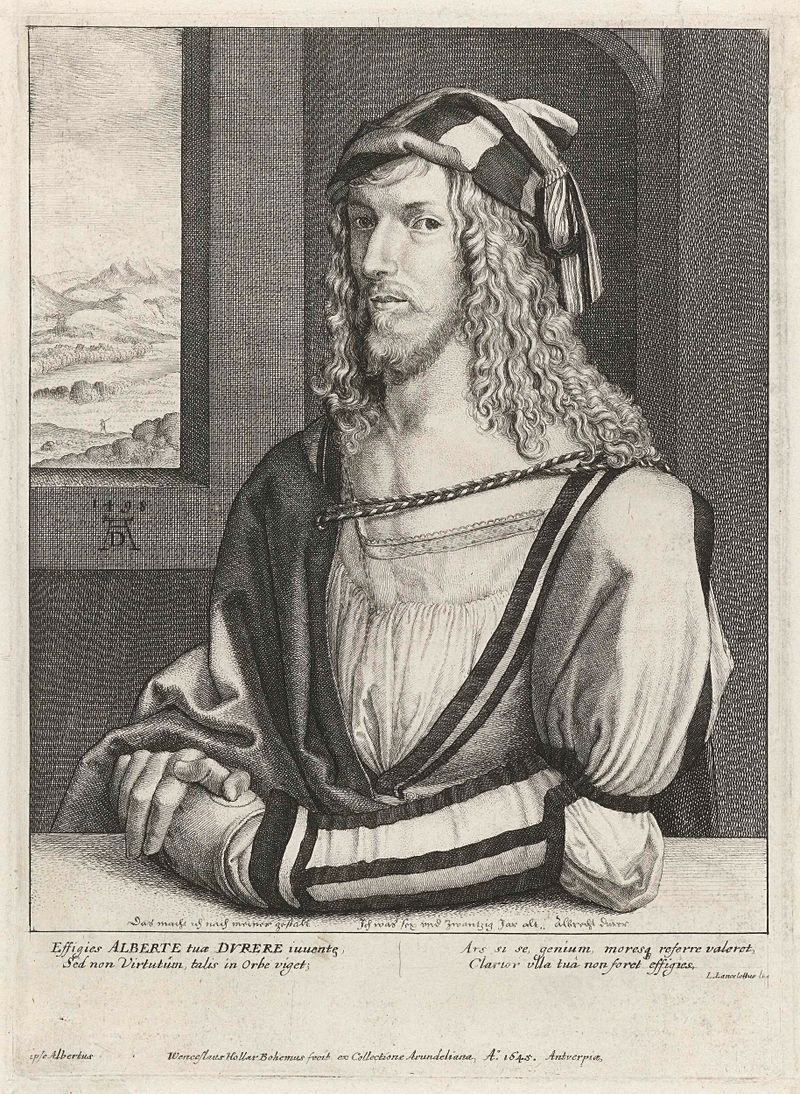
Portret van Albrecht Dürer
Wenceslaus Hollar
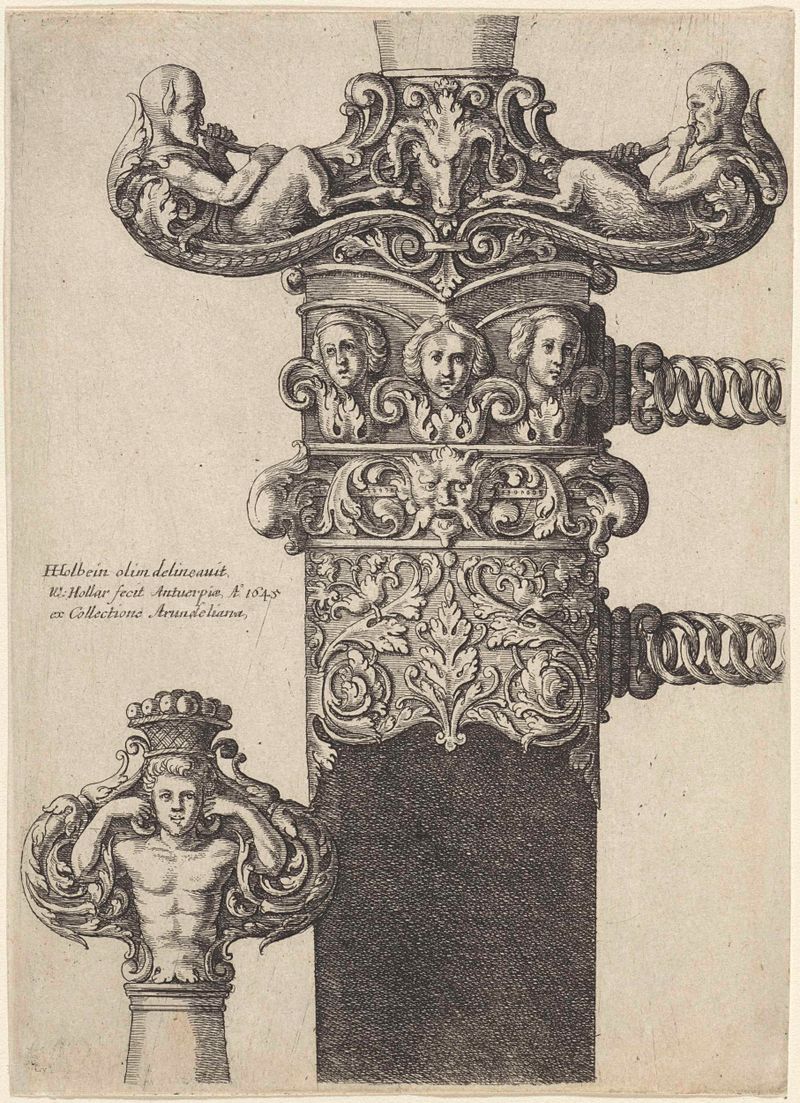
Ornamenteel ontwerp voor een dolk
Wenceslaus Hollar
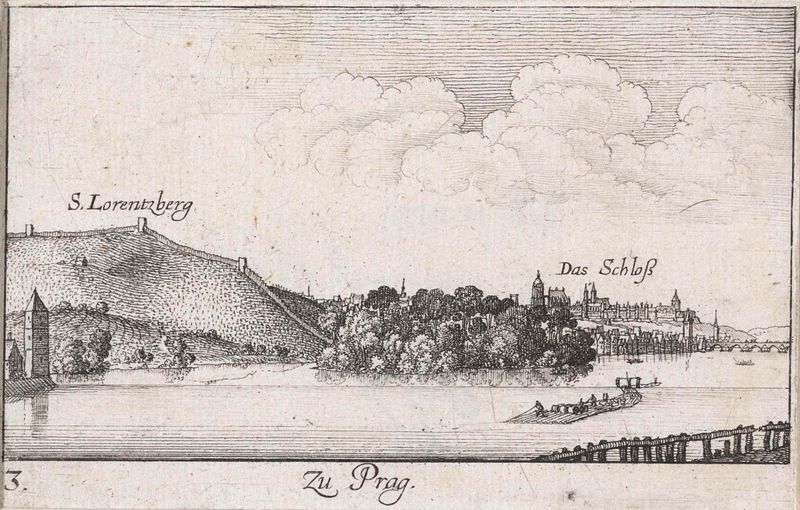
Gezicht op Praag vanaf de Moldau
Wenceslaus Hollar
More Portrait Art
Browse all →
Las meninas
Diego Velázquez

Self-portrait with a Bandaged Ear and Pipe
Unidentified artist

Girl with a Pearl Earring
Johannes Vermeer

The Sampling Officials of the Amsterdam Drapers’ Guild, Known as ‘The Syndics’
Rembrandt van Rijn

The Hundred Guilder Print: the man seen on the back in the lower left corner
Rembrandt van Rijn

Portrait of Dr Gachet
Vincent van Gogh