
Meule de foin et chaumière — History & Facts
In the pastoral calm of a summer day, the glimmer of sunlight dances across the fields, inviting contemplation and stirring a deep yearning within the soul. Look to the center of the canvas, where a haystack rises like a monument to labor and the passage of time. The soft, golden hues create a warm embrace, while the delicate brushwork captures the wind’s gentle caress through the grasses. Notice how the stark, simple cottage in the background stands resolutely against the sky, its muted tones contrasting with the vibrant earth tones surrounding it, embodying a quiet resilience. This scene holds layers of meaning; the haystack is a symbol of abundance and the cycle of life, yet it hints at transience—what is harvested must eventually decay.
The interplay of light and shadow evokes an emotional tension, suggesting that even in idyllic landscapes, the weight of human existence lingers. The distance between the viewer and the serene image reflects an inner longing, a desire to connect with the beauty yet aware of the ephemeral nature of such moments. Painted during a period of transition in the 18th century, the artist captured this work amid a world grappling with the Enlightenment's ideals and the burgeoning shift toward Romanticism. Although the exact date remains unknown, the serene yet powerful imagery resonates with the artist’s exploration of nature, labor, and the human condition, reflecting a time when the everyday beauty of rural life was celebrated and immortalized.
More Artworks by Jean-François Taelemans
Browse all →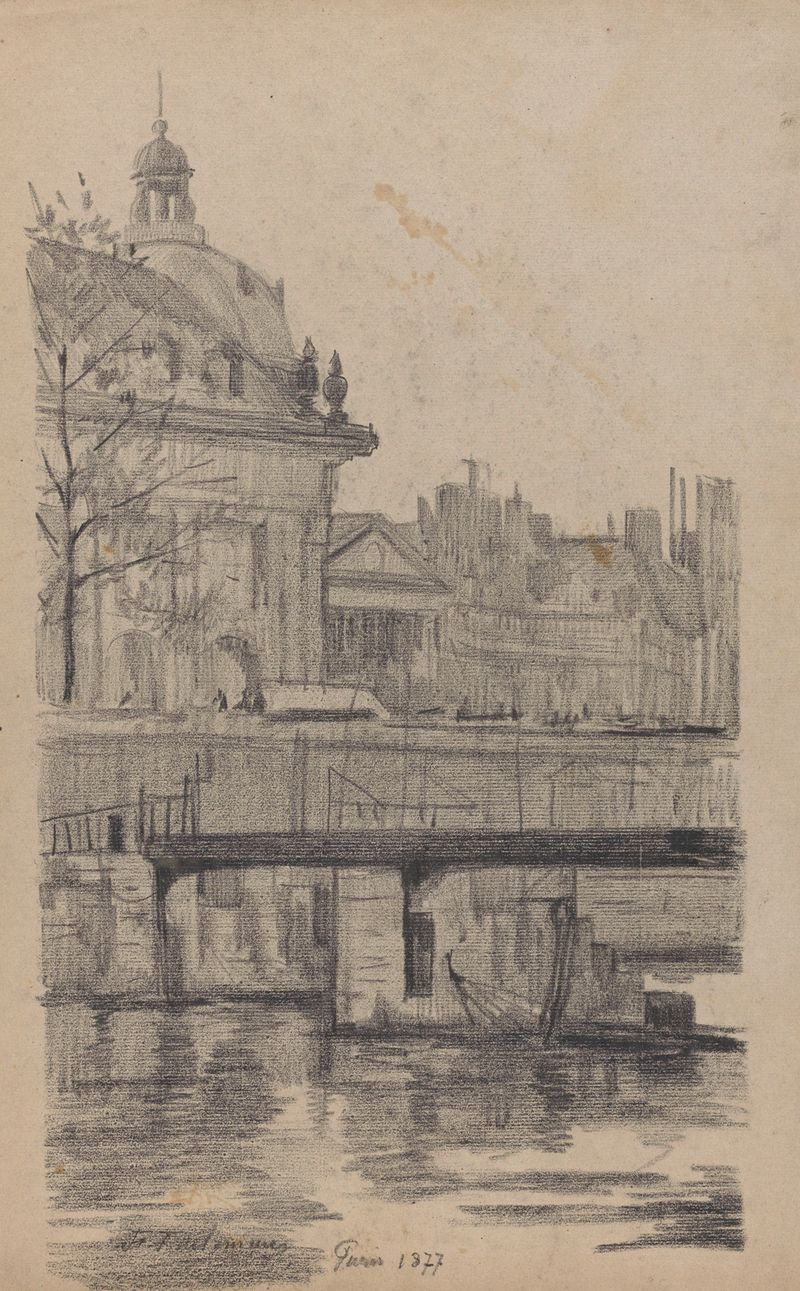
Paris (vue de la Seine et du Collège des Quatre Nations (actuellement siège de l’Institut de France)
Jean-François Taelemans
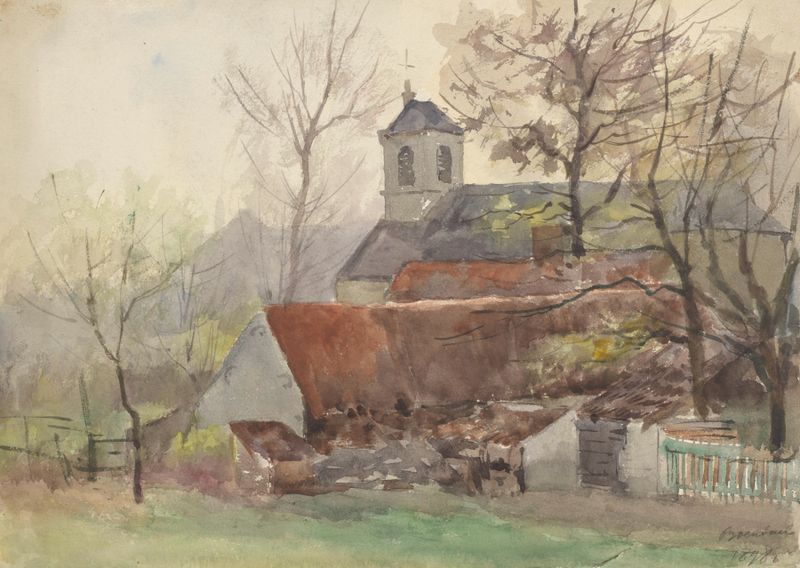
Boendael (église)
Jean-François Taelemans
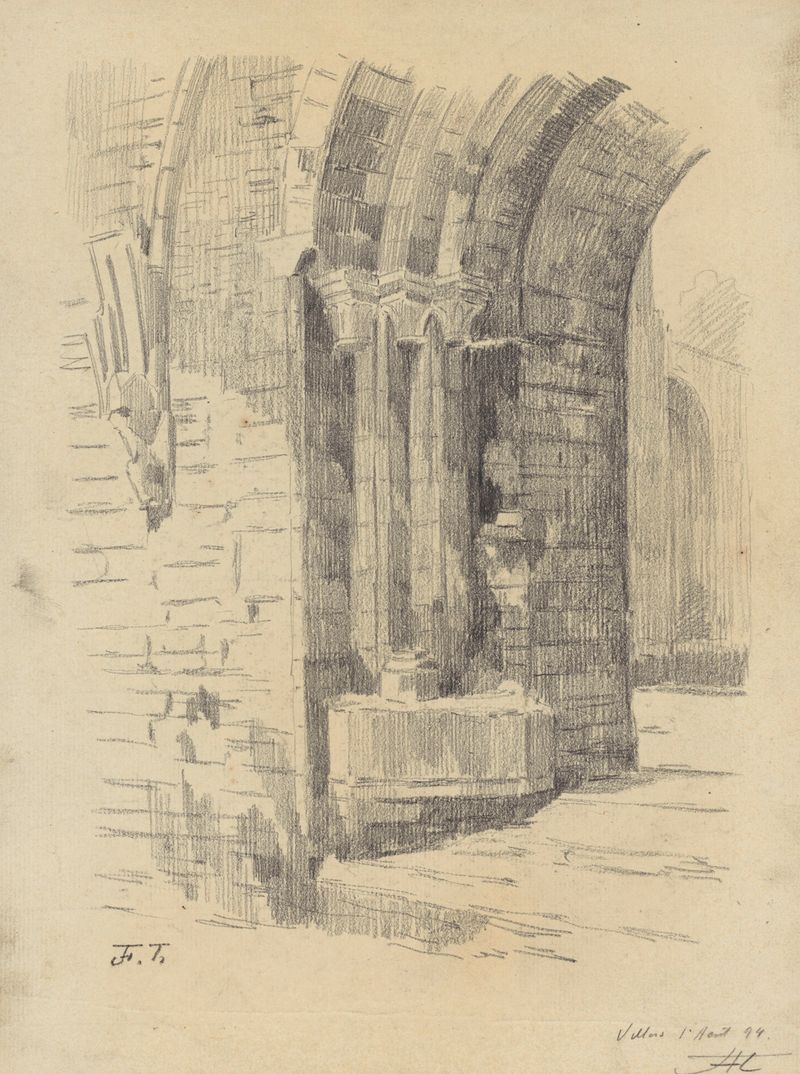
Ruines de l’abbaye de Villers-la-Ville – porche entre le cloître et l’église abbatiale (côté droit)
Jean-François Taelemans
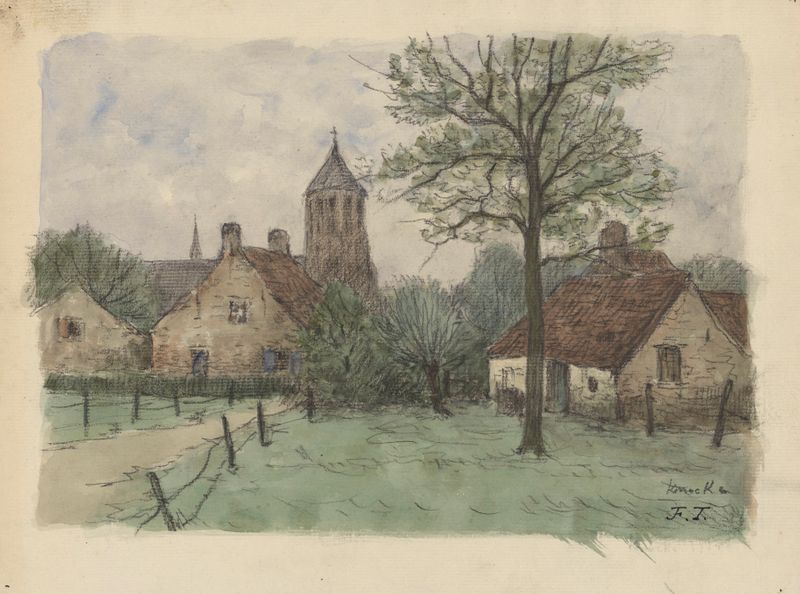
Village et église Sint Margaretha à Knocke
Jean-François Taelemans
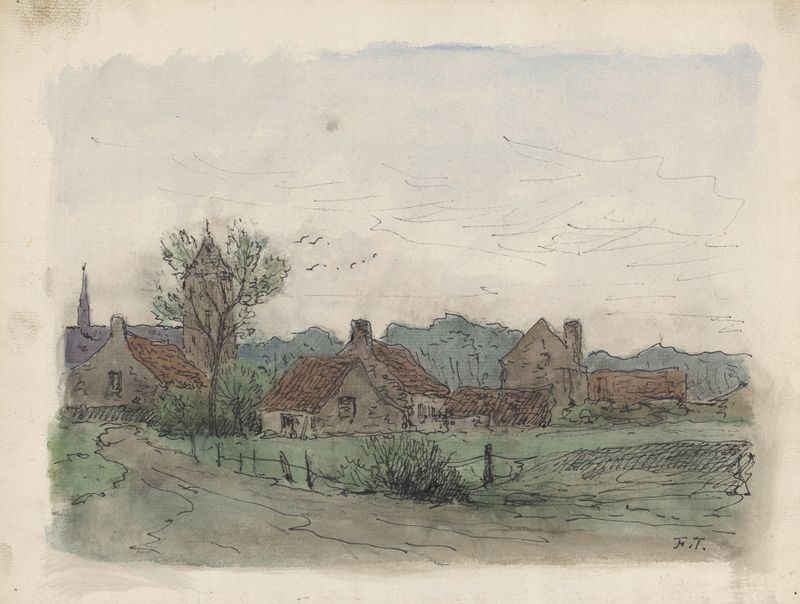
Village
Jean-François Taelemans
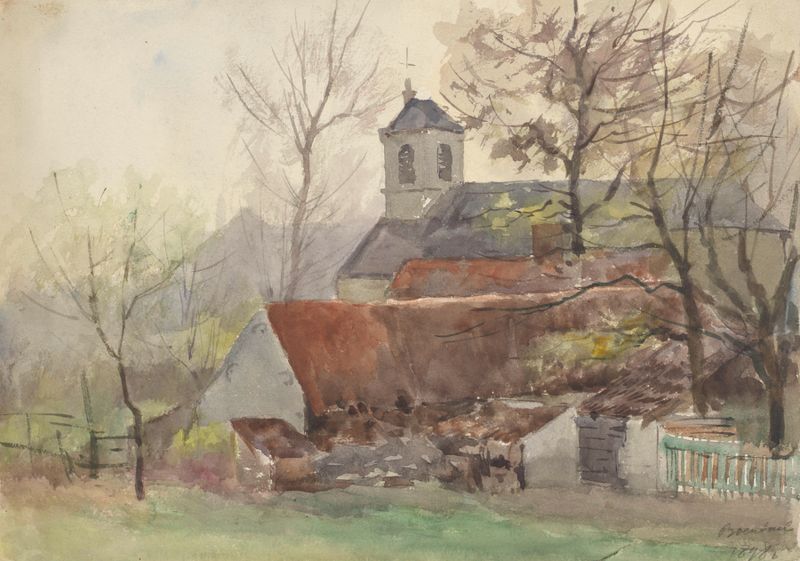
Boendael (église)
Jean-François Taelemans
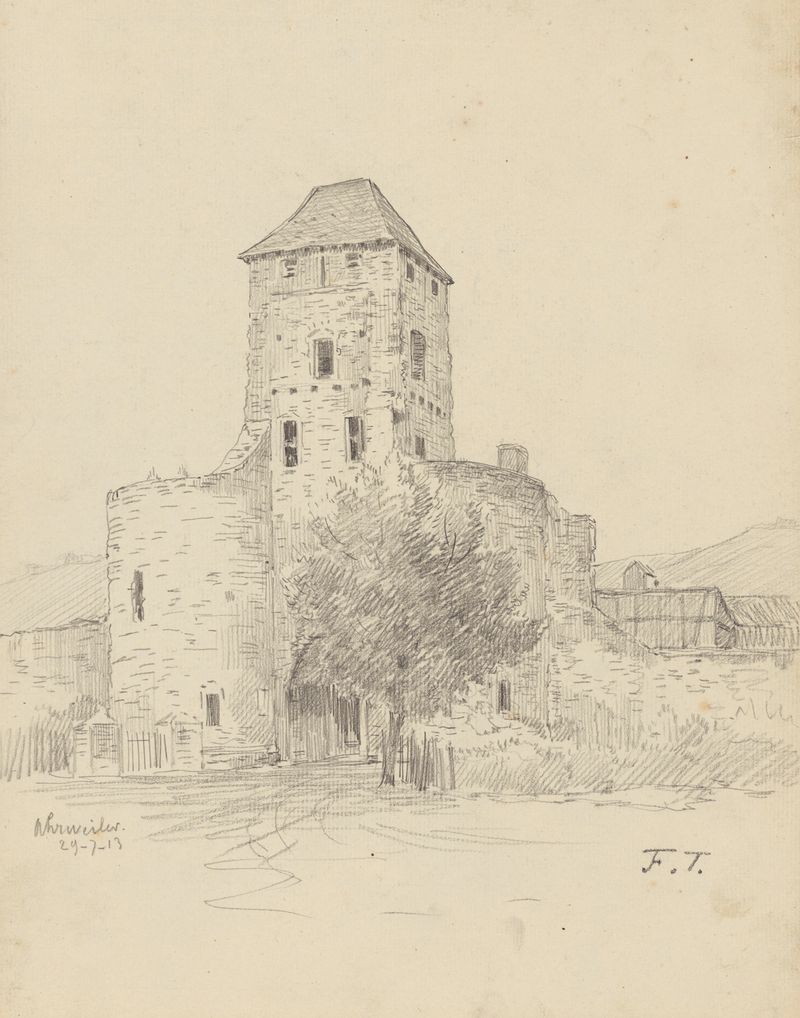
Vieille tour (porte) à Ahrweiler (Allemagne)
Jean-François Taelemans
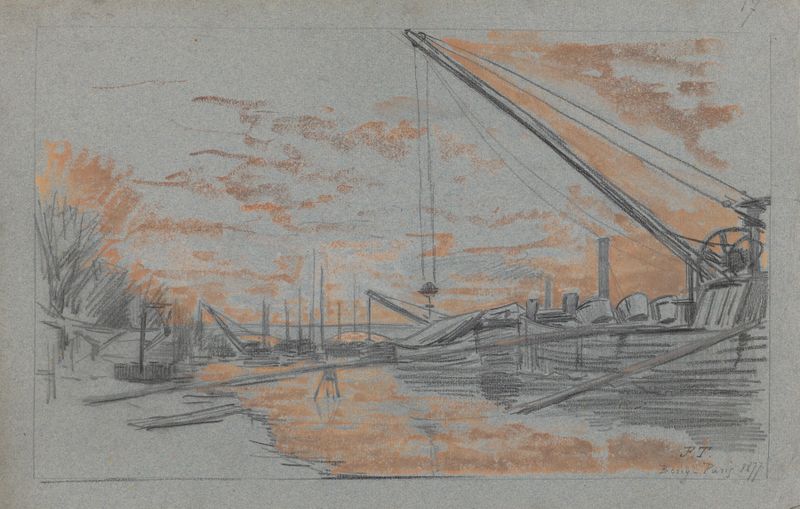
Bercy – Paris (bord de Seine avec chalands à l’ancre en cours de chargement, soleil couchant)
Jean-François Taelemans
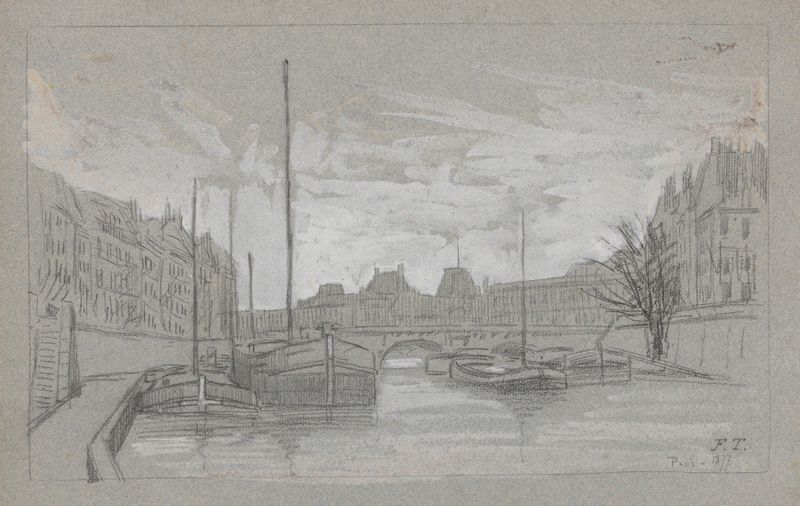
Paris (bateaux sur la Seine près d’un pont)
Jean-François Taelemans
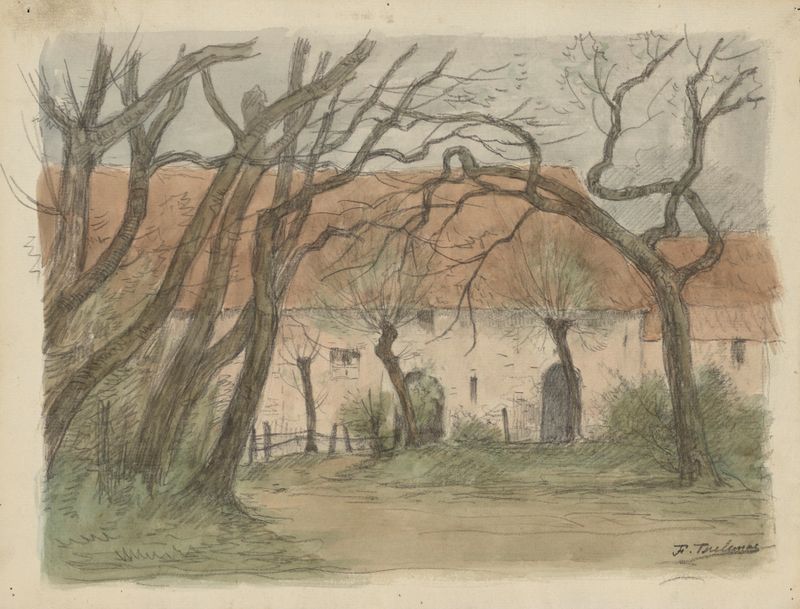
Grande maison campagnarde derrière un bouquet d’arbres
Jean-François Taelemans





