
Meules de foin — History & Facts
Where does light end, and longing begin? In the soft embrace of a fading day, a canvas resonates with the ache of unfulfilled desires and the quietude of solitude. Focus on the golden fields, where the haystacks rise like gentle monuments to the passing season. The play of warm yellows and earthy browns invites you to linger, while dappled sunlight cuts through the scene, casting elongated shadows that hint at the passage of time. Notice how the painter’s brush strokes blend seamlessly, creating texture that evokes the touch of a summer breeze.
Each haystack stands resolute against the backdrop of a deepening sky, drawing the eye into a world both peaceful and melancholic. As you explore the composition, the tension between light and shadow reveals deeper meanings—an embodiment of nature’s cycle and humanity’s fleeting moments within it. The haystacks, seemingly stoic, evoke a sense of emptiness, as though they are guardians of forgotten stories. The horizon stretches beyond, an invitation to reflect on what lies ahead while grappling with what has been left behind. Painted during a time of turmoil in 1941, when the world was engulfed in war, the artist sought refuge in the pastoral beauty of the French countryside.
Cariot was influenced by the Impressionists, yet his style matured into a unique expression of post-war reflection, capturing the essence of a world yearning for peace amidst the chaos. This piece encapsulates not only the landscape but also the silence that resonates in the hearts of those who witness it.
More Artworks by Gustave Cariot
Browse all →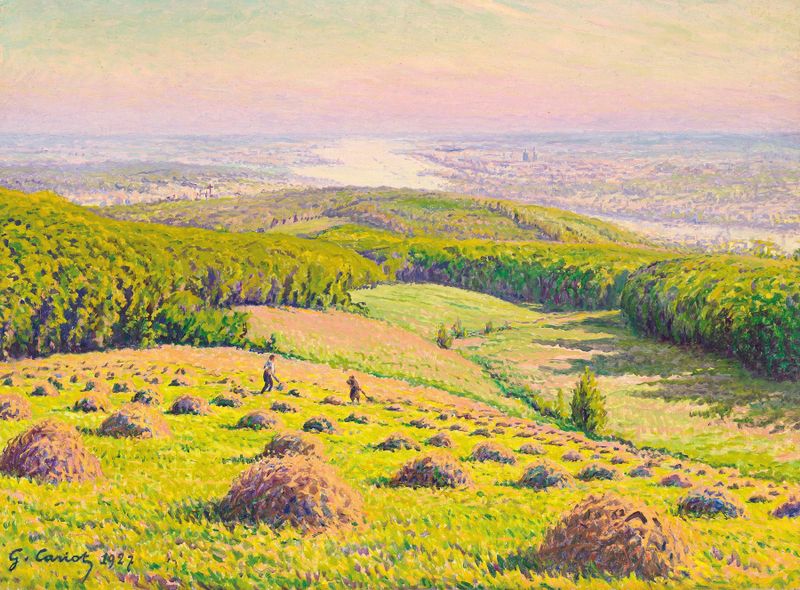
La vallée
Gustave Cariot

Le Jardin
Gustave Cariot

Les meules
Gustave Cariot
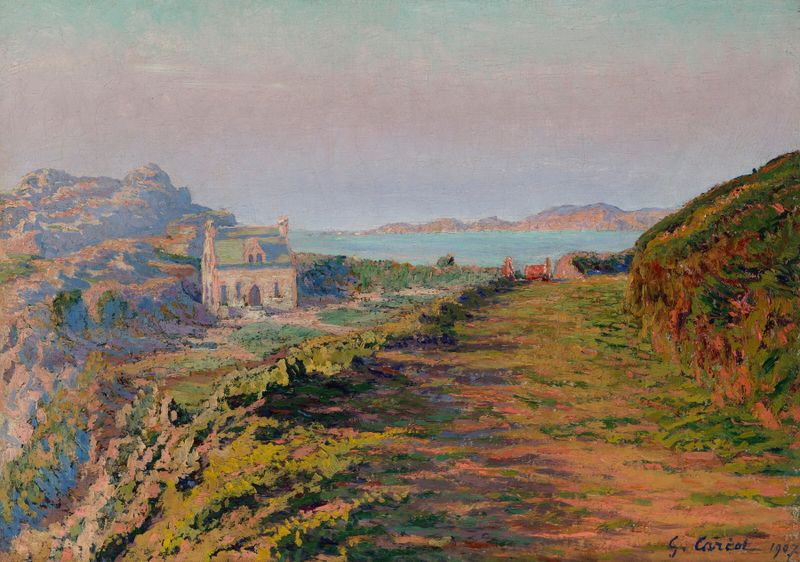
Maison Pen ar C’hastel à la pointe du Château, Perros-Guirrec
Gustave Cariot
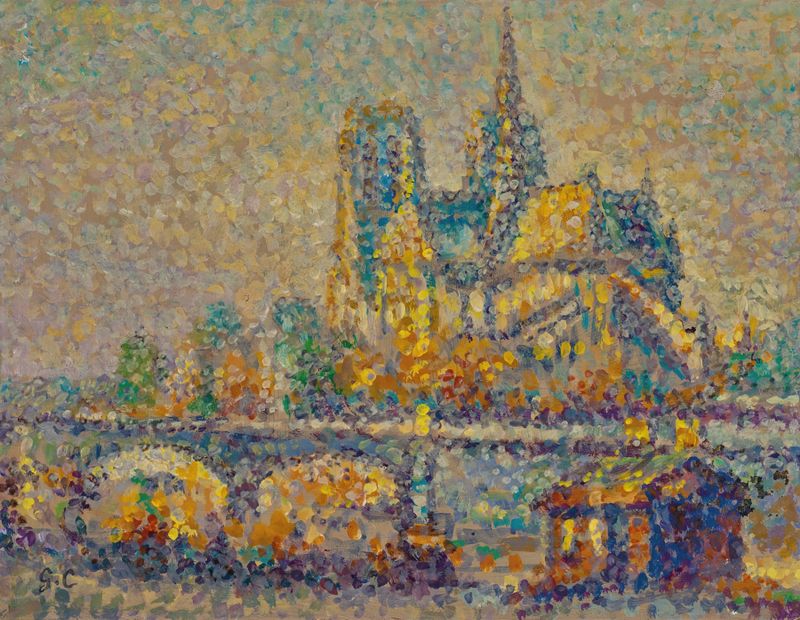
Notre-Dame de Paris
Gustave Cariot
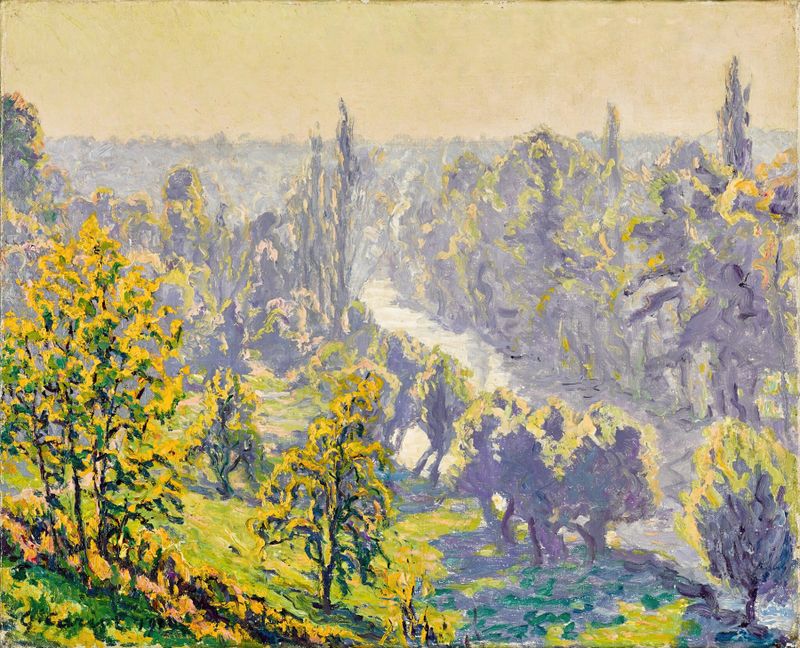
Périgny, automne, matinée sur l’Yerres
Gustave Cariot
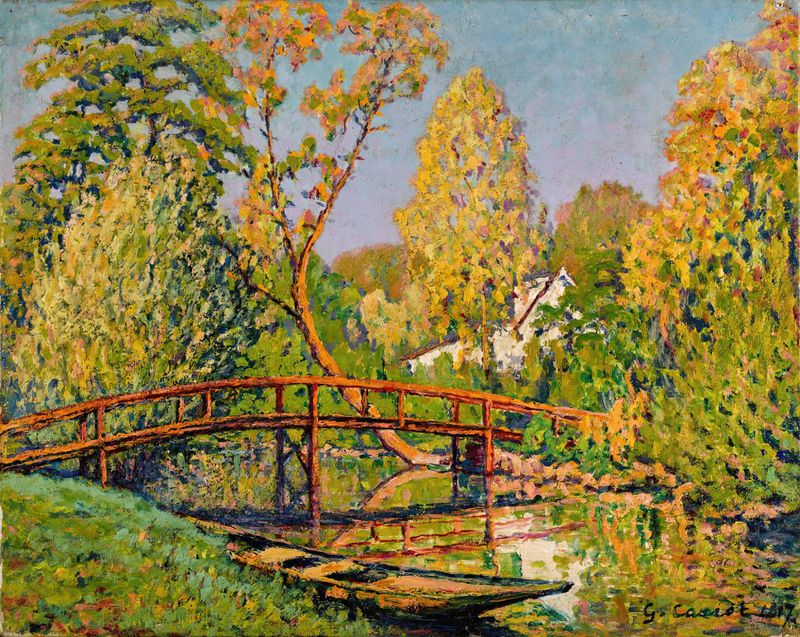
Périgny, pont sur l’Yerres
Gustave Cariot
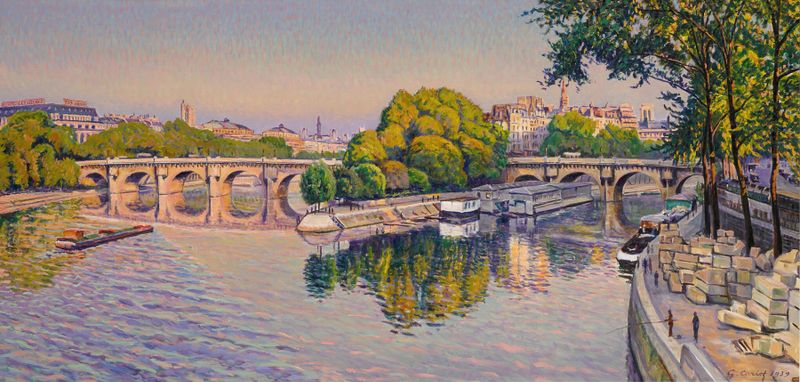
Le Pont-Neuf, eté, 20 heures
Gustave Cariot

Moulin de Périgny
Gustave Cariot

Le chemin à Mandres
Gustave Cariot





