Midnight — History & Facts
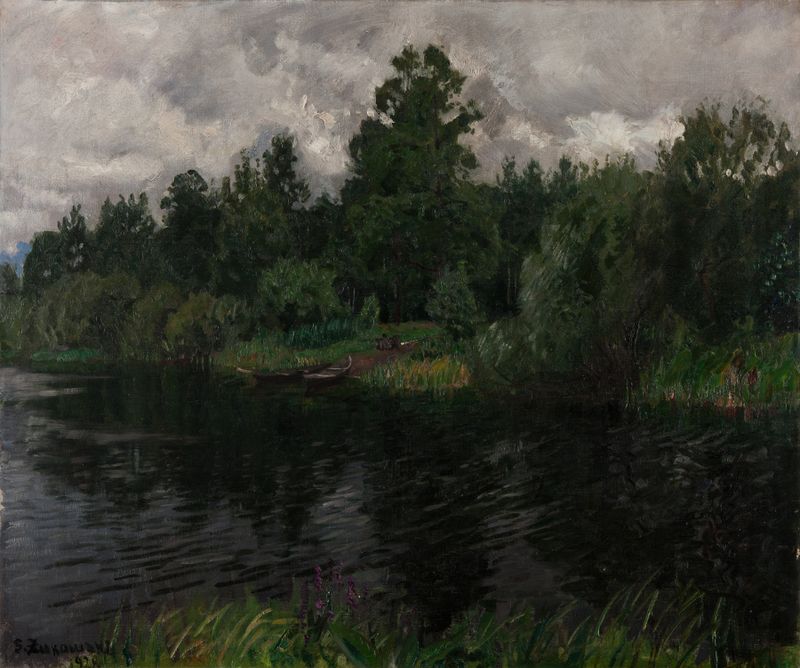
In the quiet recesses of the night, dreams dance like shadows, swirling with unspoken desires and hidden fears. They beckon us into a world where reality blurs, challenging our perceptions of what we hold dear. Look to the center of the canvas, where an ethereal light illuminates a lone figure draped in rich, gold-toned hues. This luminous quality contrasts starkly with the deep blues and blacks that envelop the scene, creating a dreamlike atmosphere.
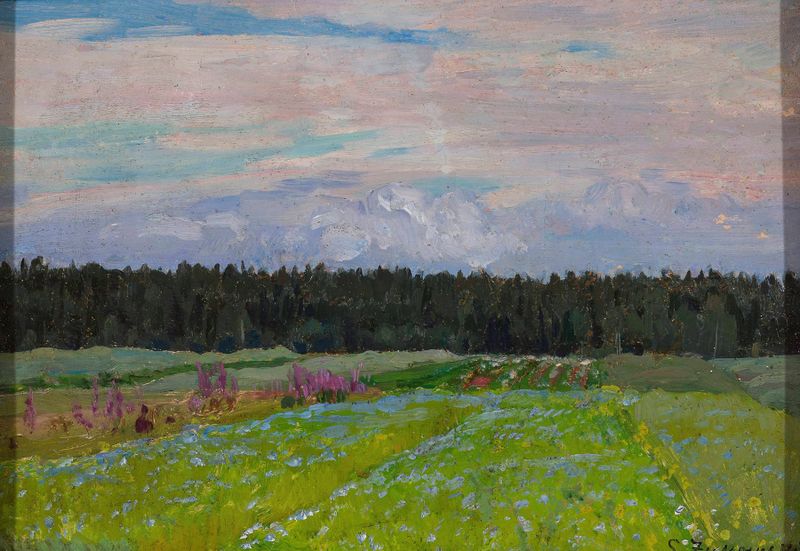
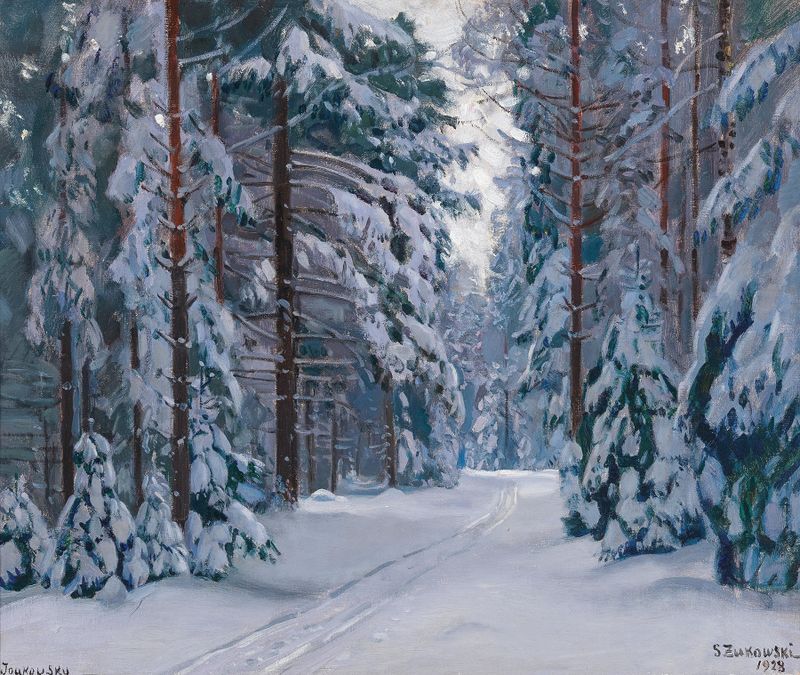
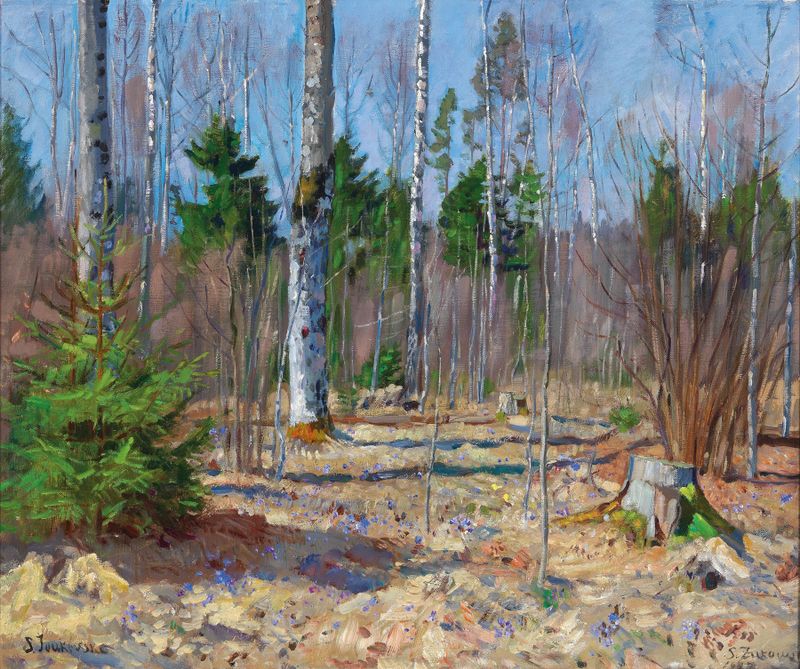
Notice how the figure seems both anchored and adrift, caught in the tension between the vibrant warmth of gold and the cool embrace of night, as swirling brushstrokes impart a sense of movement, as if the dreams themselves are alive. There is a haunting duality in the scene, where the seductive beauty of the figure evokes both allure and melancholy. The gold, often synonymous with precious things, also suggests a weight of expectations and desires unfulfilled. Each brushstroke whispers secrets of longing, while the surrounding darkness encapsulates fear and uncertainty, evoking the delicate balance of hope and despair found within dreams. Stanislaw Zukowski created this evocative piece in 1922, during a tumultuous period in Europe, marked by the aftermath of World War I and the evolving modernist movements in art.
At this time, he was exploring themes of identity and existential reflection, influenced by the shifting cultural landscapes around him. Midnight emerges as a poignant exploration of the human condition, wrestling with the complexities of beauty, dreams, and the shadows that accompany them.