
Miho no yu (Evening at Miho) — History & Facts
In the shadow of post-war discontent, art emerges as a sanctuary, capturing fleeting moments of peace amid the chaos of revolution. Look to the serene embrace of dusk in Miho no yu, where the ochres and blues mingle seamlessly in the twilight sky. The horizon glows softly, drawing your gaze to the silhouette of a tranquil shoreline, while the gentle ripples of water reflect the fading light. Notice how the artist delicately layers ink to create a sense of depth, inviting you to step into this quiet moment where nature and humanity coexist harmoniously. Emotional tensions unfold in the contrast between the looming darkness and the soft illumination of the evening.
Each figure, whether the fishermen or the distant travelers, embodies a collective memory, suggesting a yearning for stability after the upheaval of war. The simplicity of the scene belies a deeper significance—a celebration of resilience, an embodied hope for a future unfettered by turmoil. In this diptych of light and shadow, the viewer feels both the weight of history and the promise of renewal. Kawase Hasui painted Miho no yu in 1945, during a time when Japan was grappling with the aftermath of World War II.
Living in a fractured society, Hasui turned to traditional landscapes to evoke serenity and continuity. Influenced by the shin-hanga movement, he sought to blend Western techniques with Japanese aesthetics, ensuring that his work resonated with the complex emotions of a nation in transition.
More Artworks by Kawase Hasui
Browse all →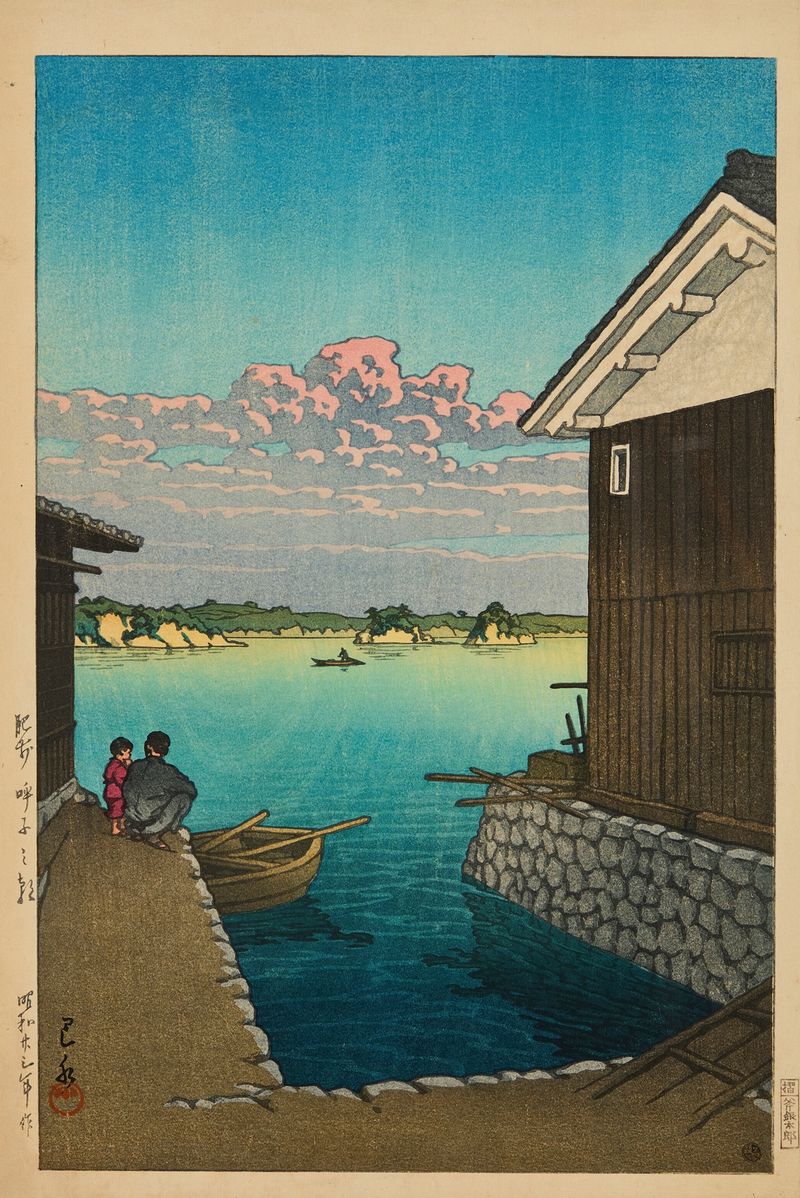
Hizen Yobuko no asa (Morning in Yobuko, Hizen)
Kawase Hasui
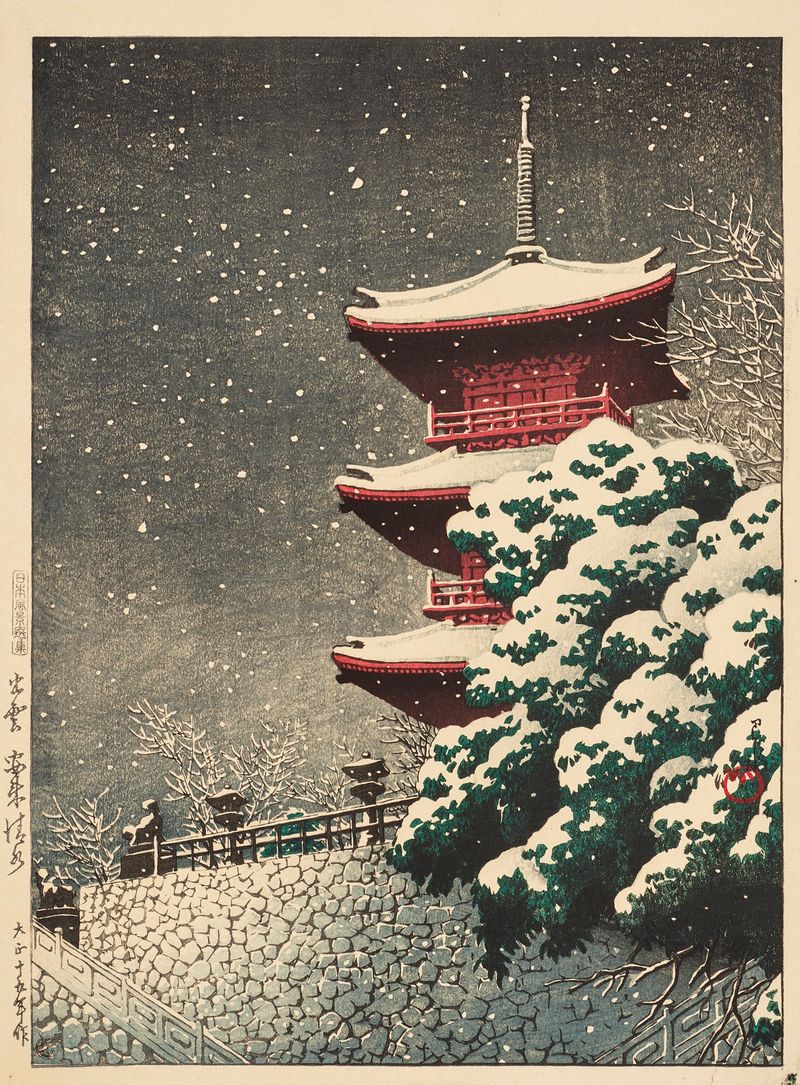
Izumo, Yasugi Kiyomizu (Yasugi Kiyomizu Temple at Izumo)
Kawase Hasui
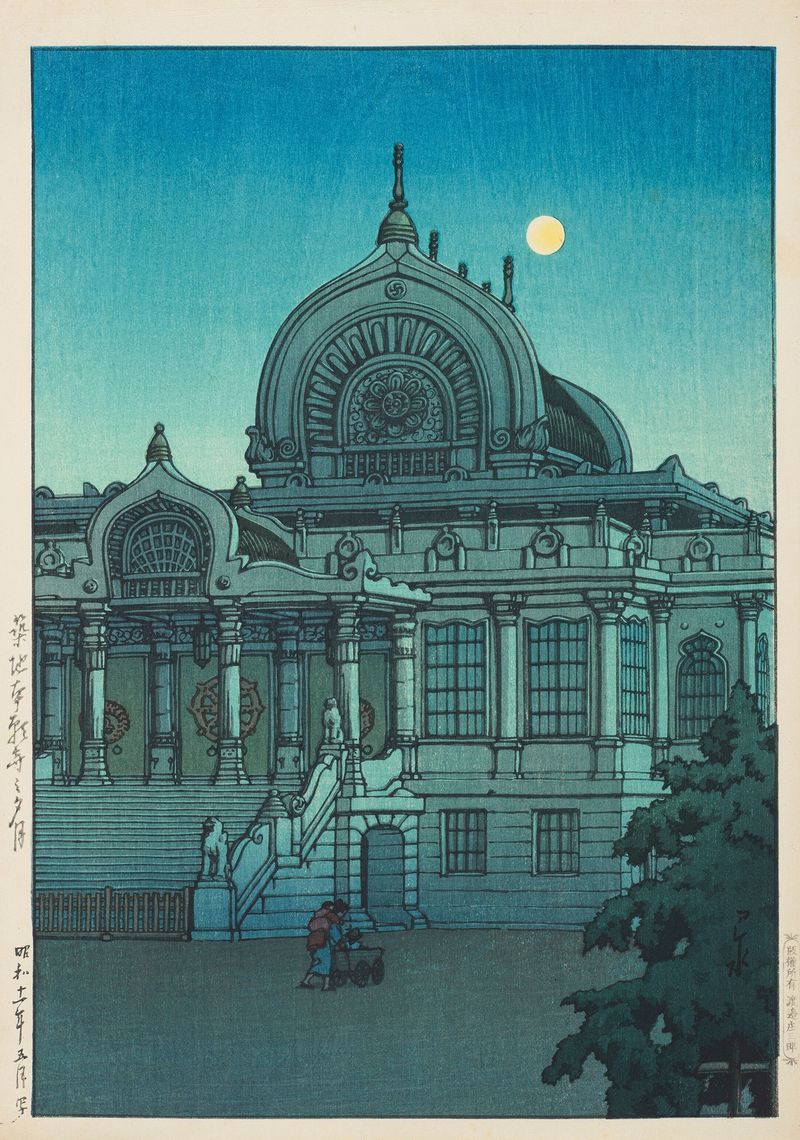
Tsukiji Honganji no yuzuki (Evening moon at Honganji Temple in Tsukiji)
Kawase Hasui
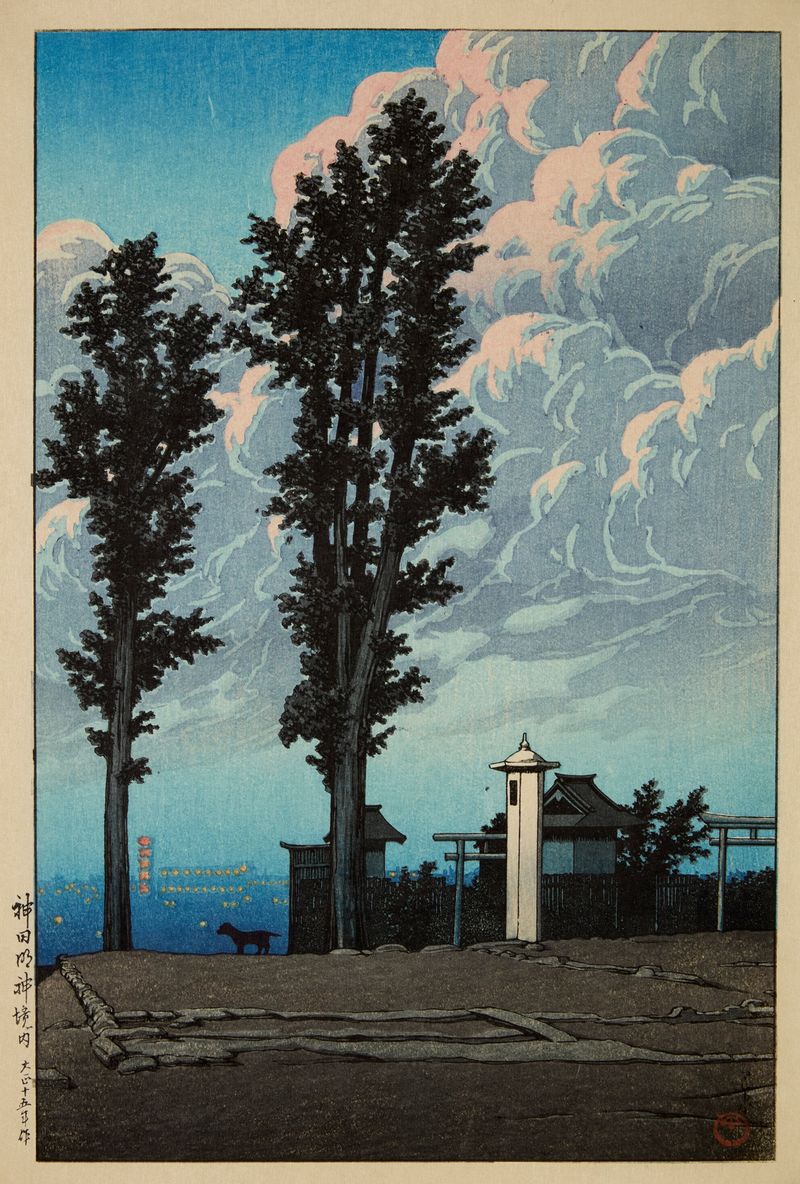
Kanda Myojin keidai (Kanda Myojin Shrine precent)
Kawase Hasui
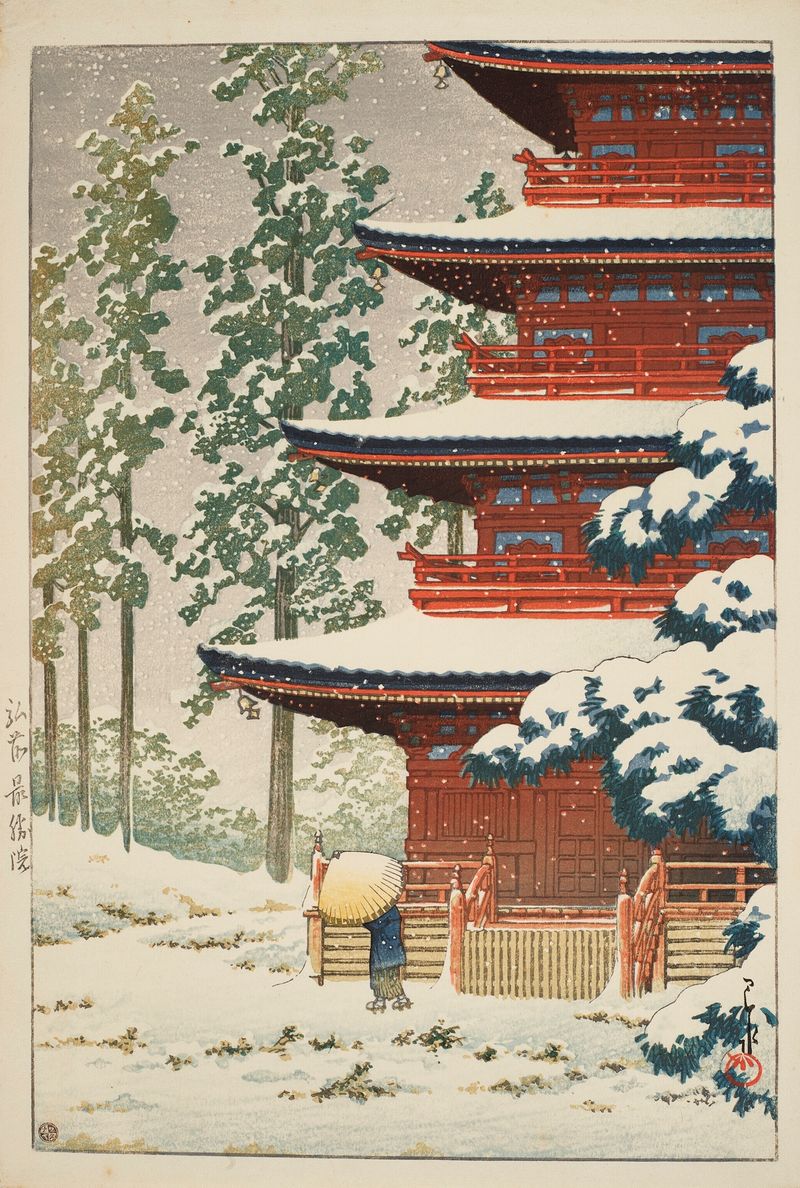
Saisho-in Temple, Hirosaki
Kawase Hasui
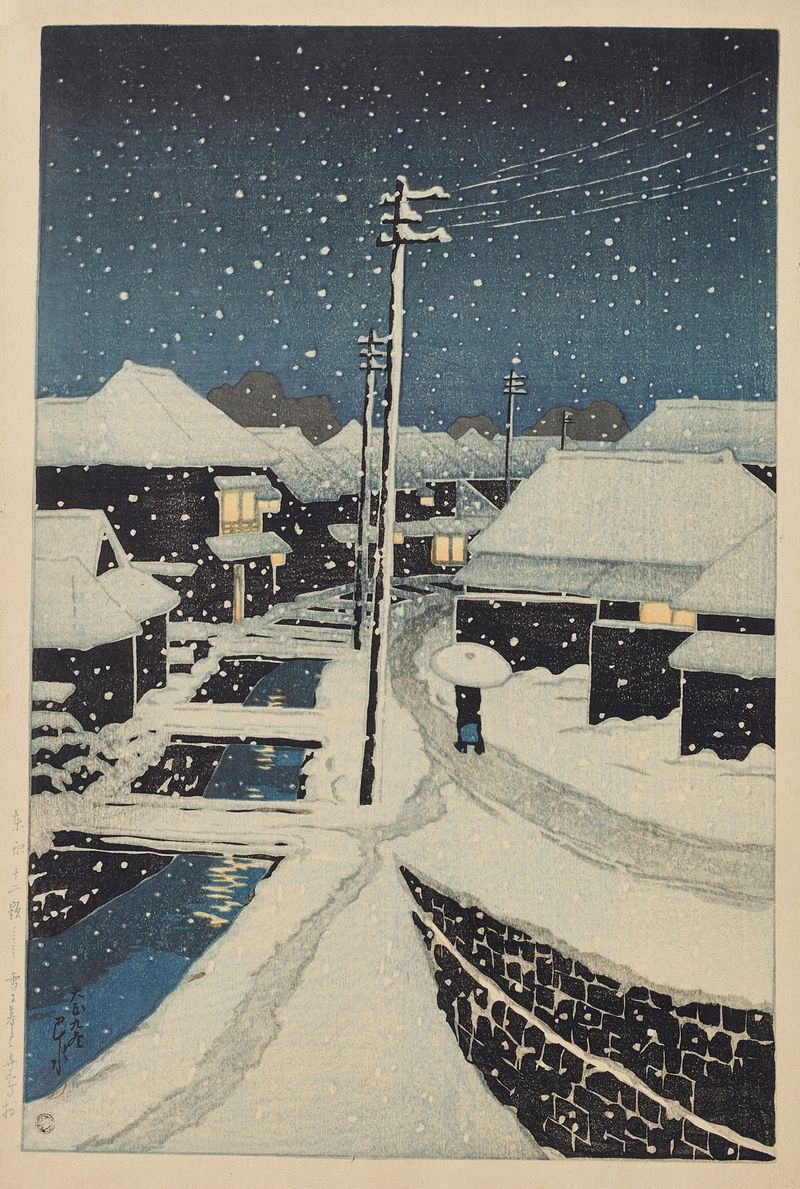
Yuki ni fururu Terajima mura (Evening snow at Terajima Village)
Kawase Hasui
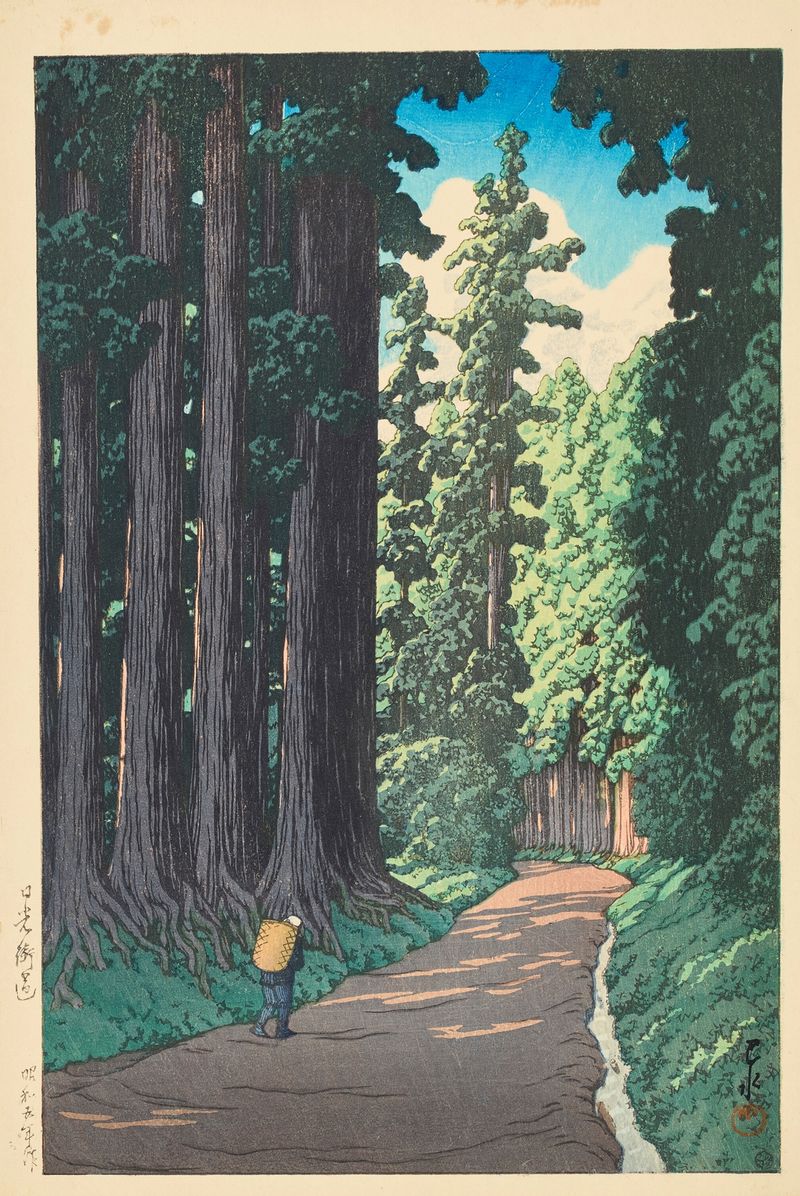
Nikko gaido (The Road to Nikko)
Kawase Hasui
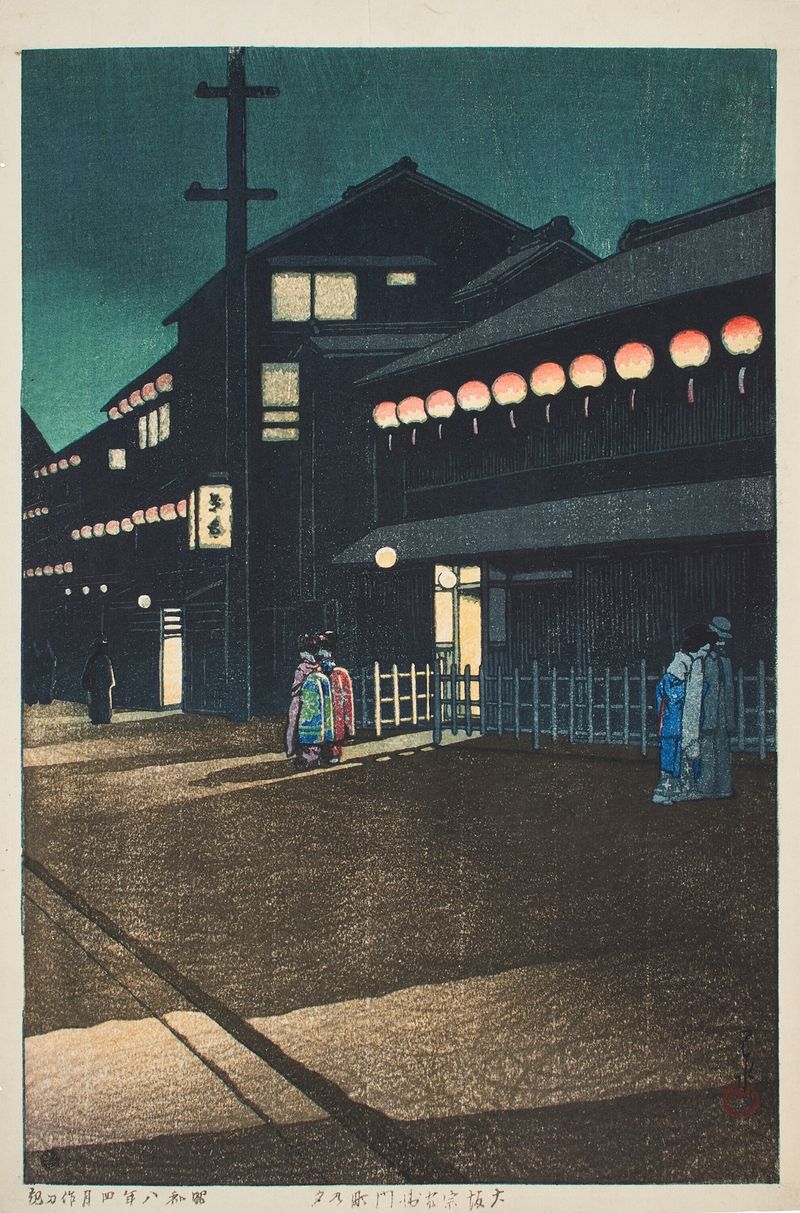
Osaka Soemon-cho no yu (Evening in Soemon-cho, Osaka)
Kawase Hasui
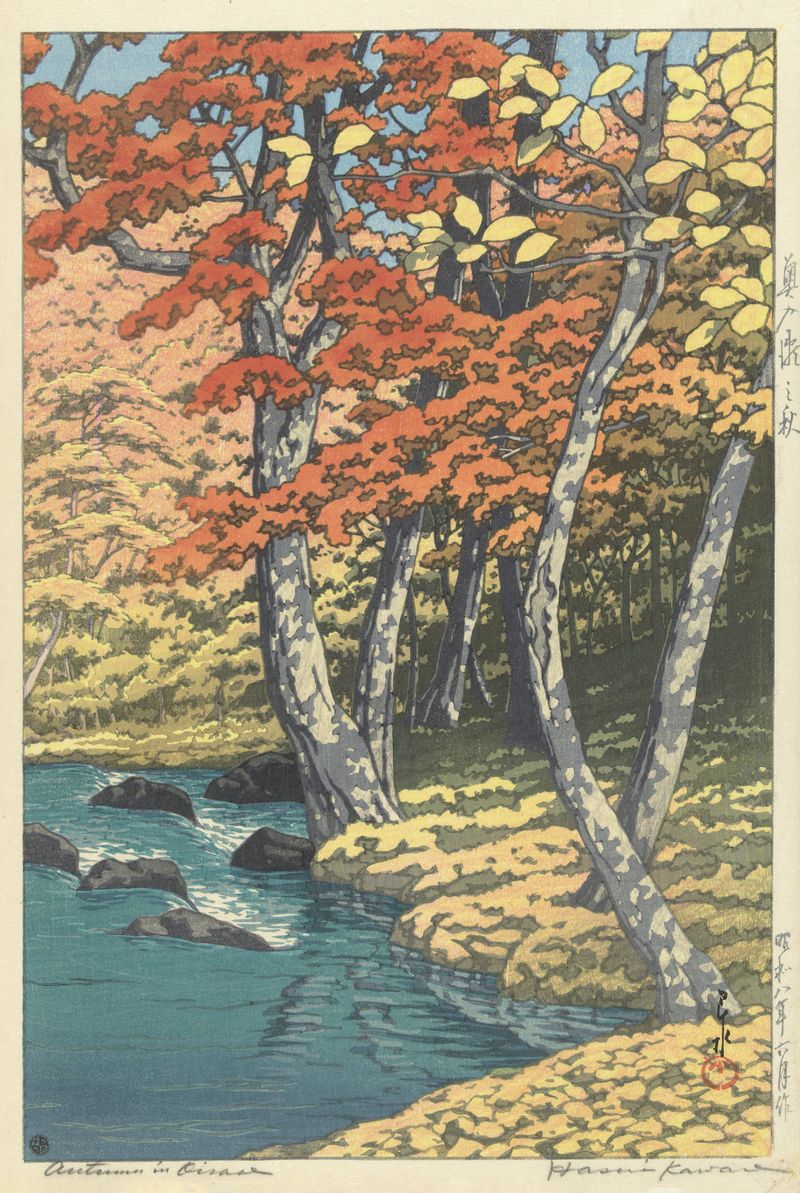
Autumn In Oirase
Kawase Hasui
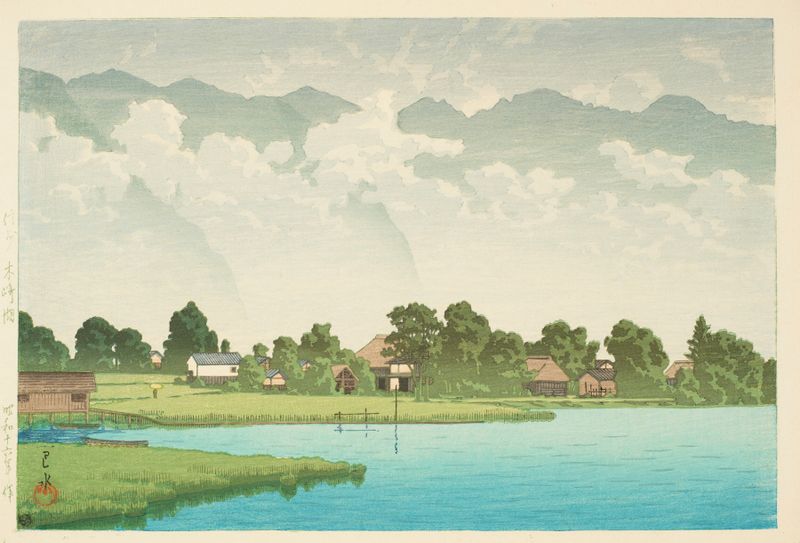
Shinshu Kizakiko (Kizaki Lake in Shinshu)
Kawase Hasui





