
Military Camp — History & Facts
What if silence could speak through light? In Military Camp, the soft interplay of shadow and illumination whispers the untold stories of soldiers in repose, evoking a poignant reflection on the burdens borne during wartime. Focus on the vibrant greens and ochres that define the canvas, immediately drawing your gaze to the tented structures and rugged terrain. Notice how the dappled sunlight filters through the trees, casting intricate patterns on the ground. The gentle brushwork creates a sense of depth, inviting the viewer to step closer and explore the subtleties of the soldiers’ postures, where relaxation and vigilance coexist in a delicate balance. The emotional tension in this work lies in its juxtaposition of tranquility and latent anxiety.
Each soldier, caught in a moment of stillness, seems both at ease and profoundly aware of the impending chaos that surrounds them. The shadows, long and stretching, symbolize the transient nature of peace amidst the lingering threat of conflict, capturing the duality of life in a military camp. During 1918, when this artwork was completed, John Singer Sargent was immersed in the tumult of World War I, having taken on various commissions to document the war effort. His focus on the human experience in such a harsh environment illustrated a shift in the art world, as artists began to confront the realities of modern warfare, moving beyond the grandeur of historical representation to reveal the vulnerability of individuals.
More Artworks by John Singer Sargent
Browse all →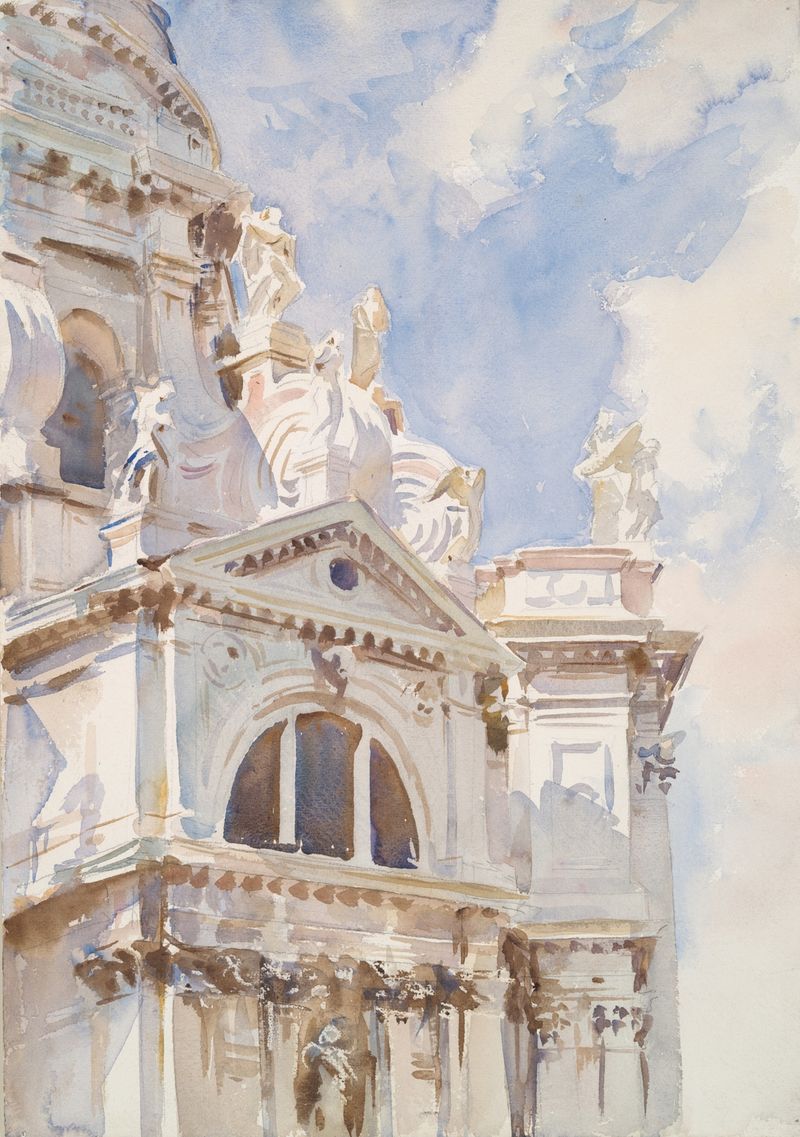
The Salute, Venice
John Singer Sargent

Mrs. Charles Deering (Marion Denison Whipple)
John Singer Sargent
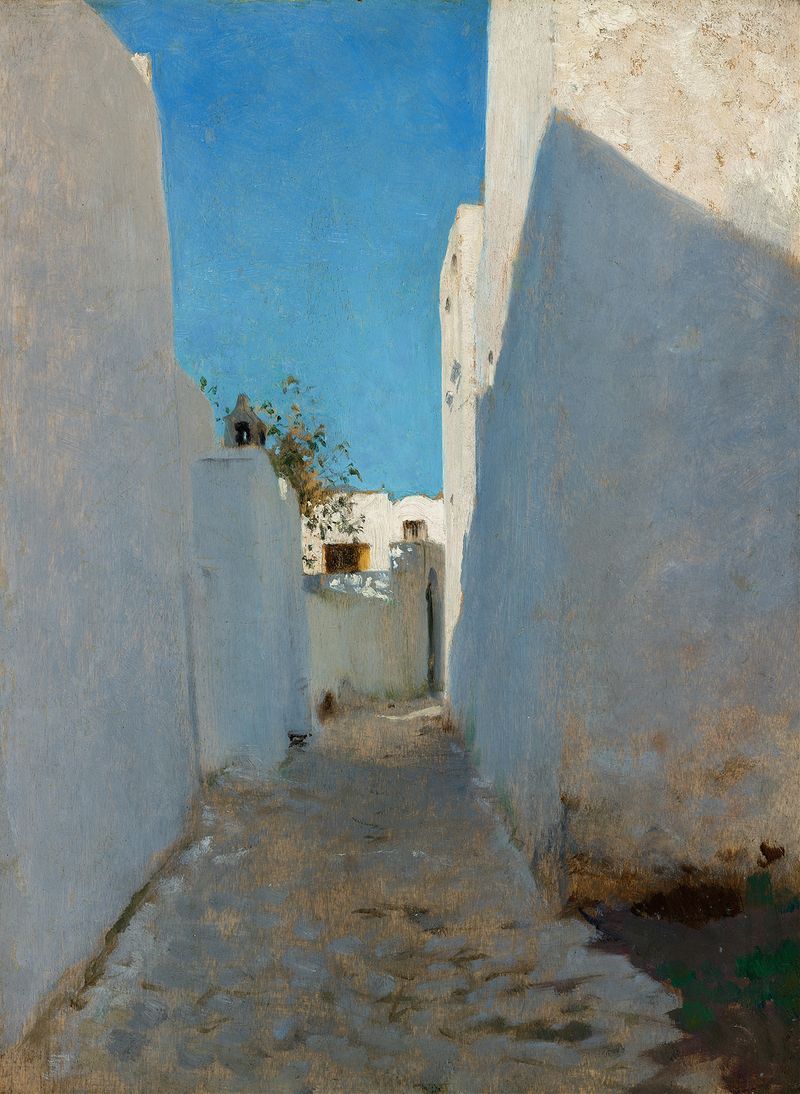
A Moroccan Street Scene
John Singer Sargent
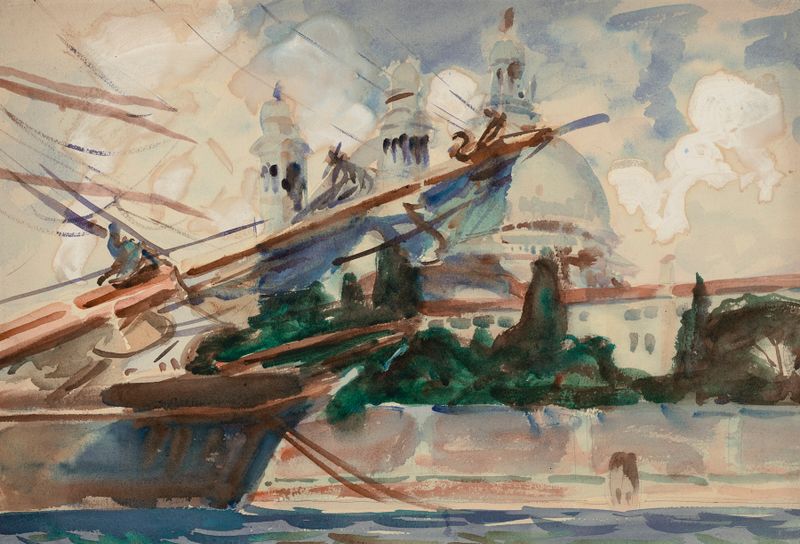
The Salute, Venice
John Singer Sargent
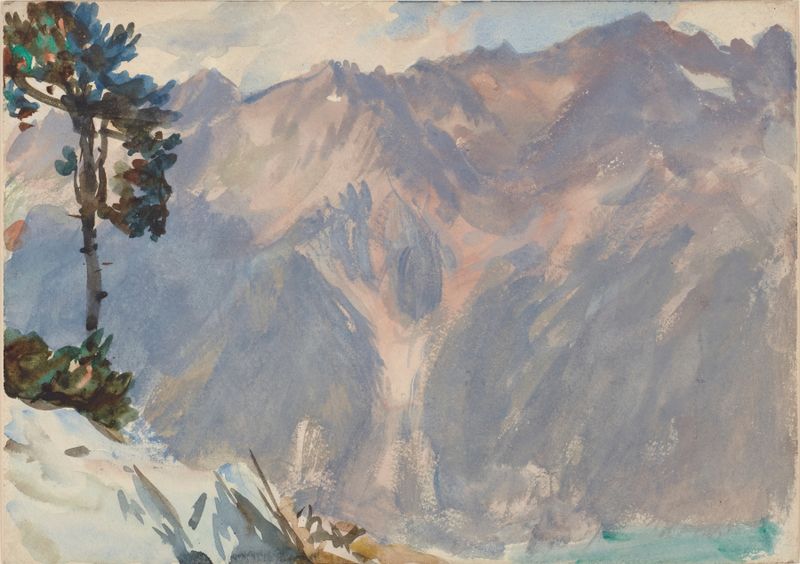
Tyrol
John Singer Sargent
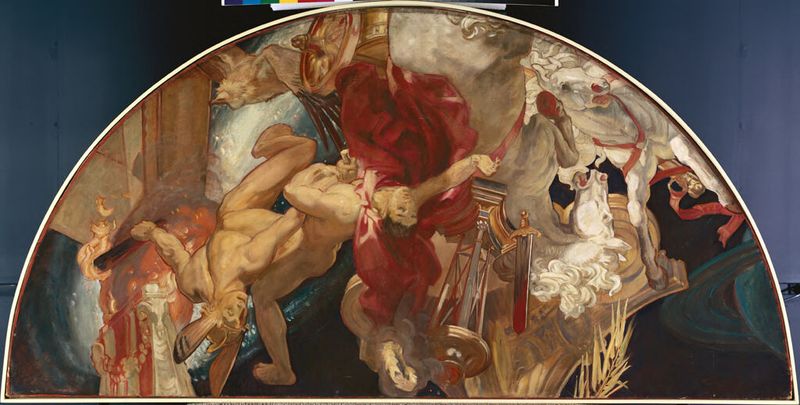
Study for "Gog and Magog," for the Boston Public Library
John Singer Sargent
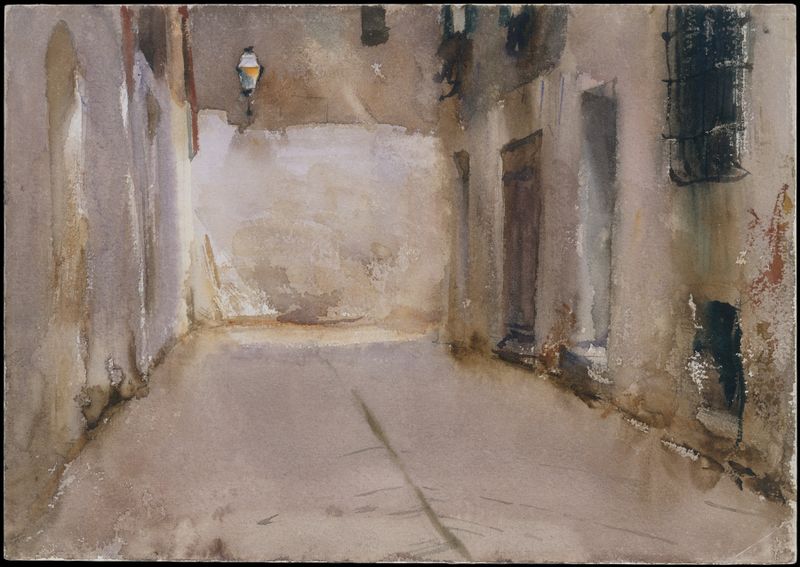
Venice
John Singer Sargent
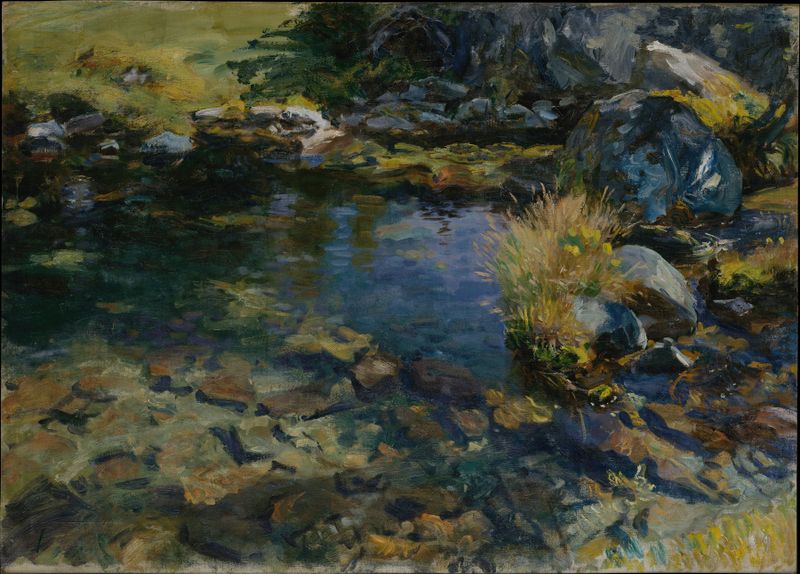
Alpine Pool
John Singer Sargent
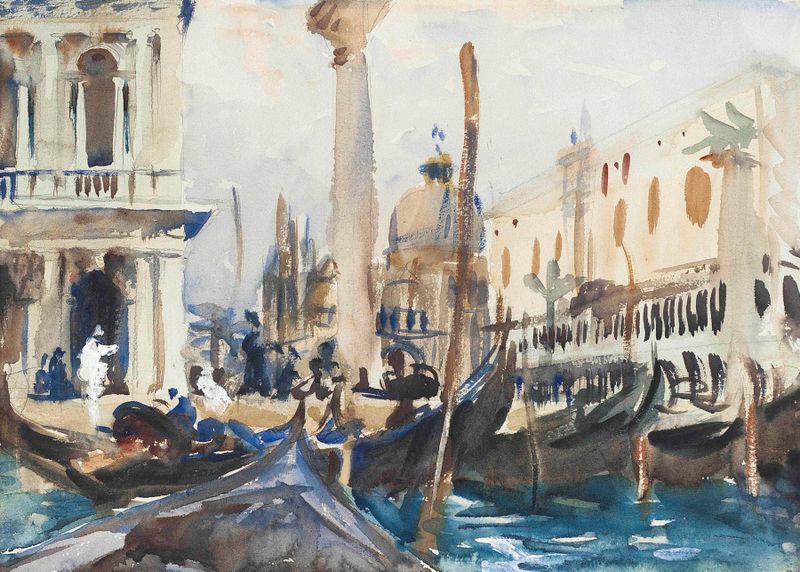
The Piazzetta with Gondolas
John Singer Sargent
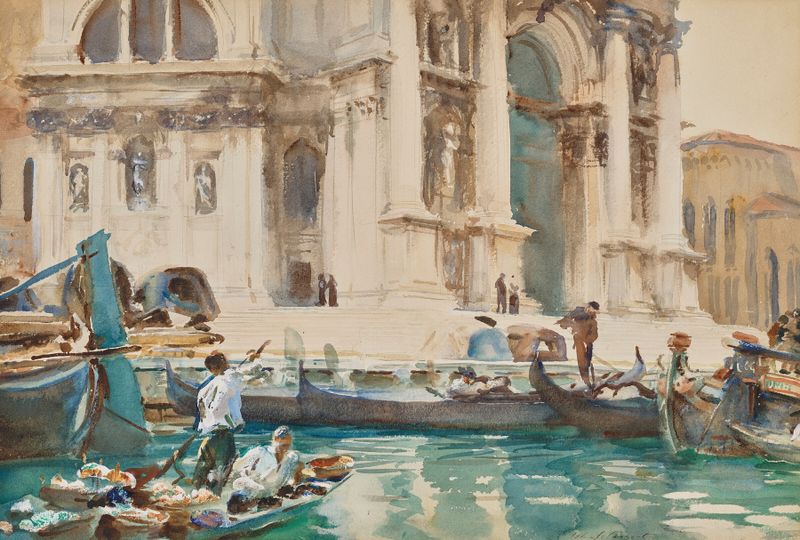
The Façade of La Salute, Venice
John Singer Sargent
More Historical Art
Browse all →
The Night Watch Militia Company of District II under the Command of Captain Frans Banninck Cocq
Rembrandt van Rijn

Lincoln Memorial
Henry Bacon

The Third of May 1808
Francisco de Goya

Isaac and Rebecca, Known as ‘The Jewish Bride’
Rembrandt van Rijn

The Charge of the Mamelukes (1814)
Francisco de Goya

De vier ruiters van de apocalyps
Albrecht Dürer