
Mill at Spital-Pyhrn — History & Facts
This sentiment echoes through the intricate details of a landscape that captivates the soul and yet hints at underlying struggles. In the world of art, creation often bears the weight of both triumph and tribulation, seamlessly woven into the fabric of a tranquil yet poignant scene. Look to the horizon where the gentle flow of the stream glistens beneath a soft, golden light. Notice how the mill stands firm against the verdant backdrop, its rustic architecture whispering stories of labor and endurance.
The carefully layered brushstrokes create a rich texture, blending greens and browns with warm highlights that invite the eye to linger on the interplay of nature and human endeavor. The composition leads you toward the mill, emphasizing its importance within the peaceful landscape, yet hinting at the toil that lies beneath its serene surface. As you delve deeper, consider the contrasting elements at play. The mill, a symbol of industrious creation, coexists with the quiet beauty of nature, suggesting a delicate balance between progress and preservation.
The vibrant flora surrounding the structure speaks to life and growth, while the steady water flow may remind us of the relentless passage of time, a silent witness to both joy and sorrow. This duality invites contemplation, revealing a world where beauty and hardship coexist in harmony. Eduard Peithner von Lichtenfels painted this landscape during a time when the Romantic movement was flourishing, capturing the essence of the Austrian scenery in the 19th century. His works reflect a deep connection to the natural world and the human spirit, a response to both personal experiences and broader societal changes.
The artist’s focus on landscapes during this period illustrates a growing appreciation for nature’s majestic beauty, seen through the lens of transcendental contemplation.
More Artworks by Eduard Peithner von Lichtenfels
Browse all →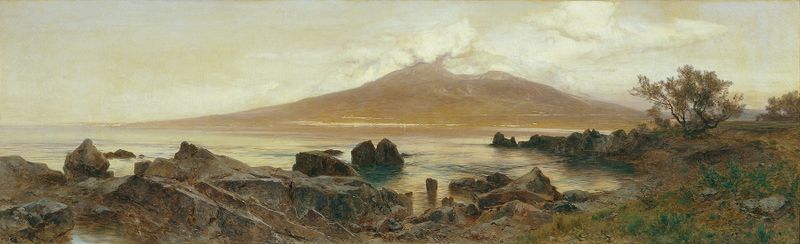
Der Vesuv
Eduard Peithner von Lichtenfels

Donauufer im Prater
Eduard Peithner von Lichtenfels
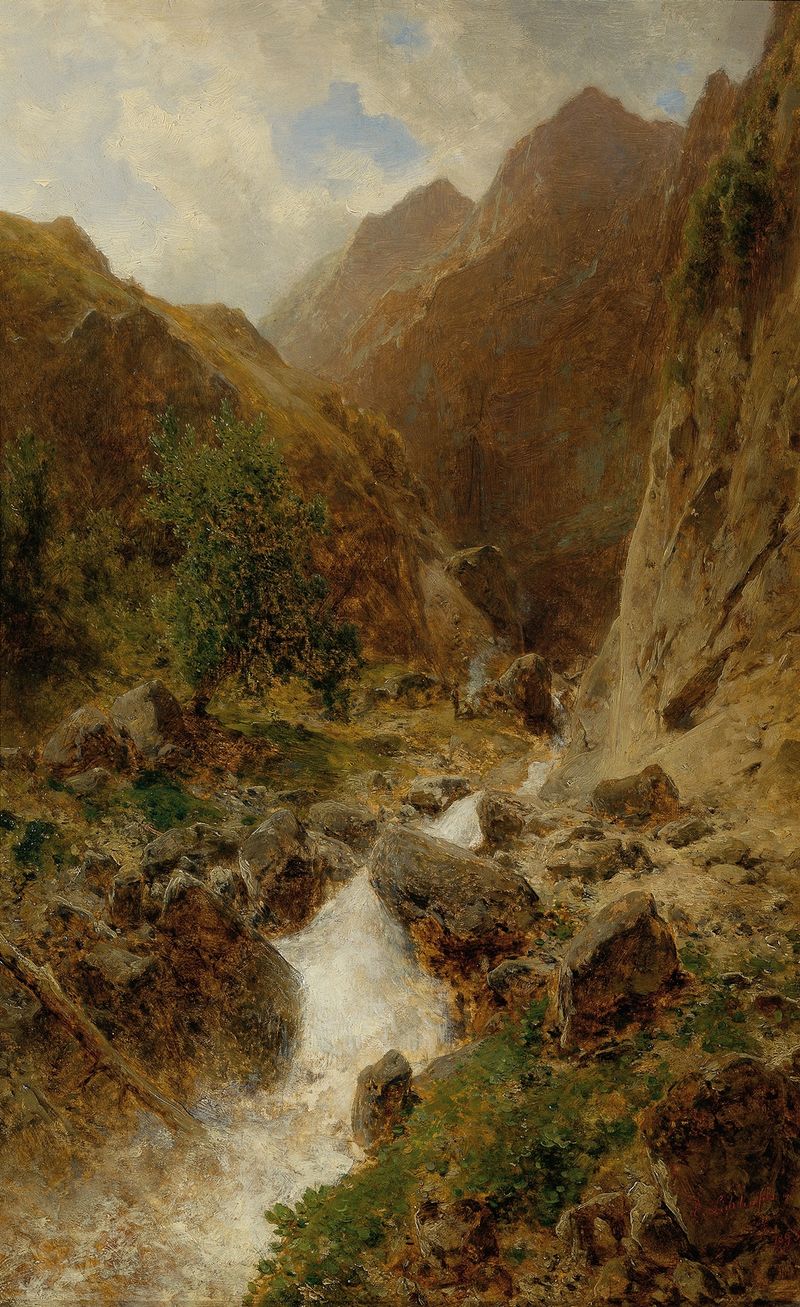
Wildbach
Eduard Peithner von Lichtenfels

Mountain stream
Eduard Peithner von Lichtenfels

Partie bei Hallein an der Salzach
Eduard Peithner von Lichtenfels

Schloss Liechtenstein (vor der Restaurierung)
Eduard Peithner von Lichtenfels

Dürnstein – Am Weg zum Schloss
Eduard Peithner von Lichtenfels

Alpensee
Eduard Peithner von Lichtenfels
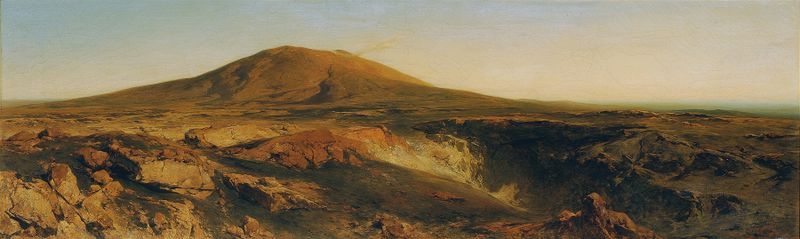
Der Gipfel des Ätna 1878
Eduard Peithner von Lichtenfels

Landschaftsmotiv
Eduard Peithner von Lichtenfels





