Mission Canyon, Santa Barbara — History & Facts
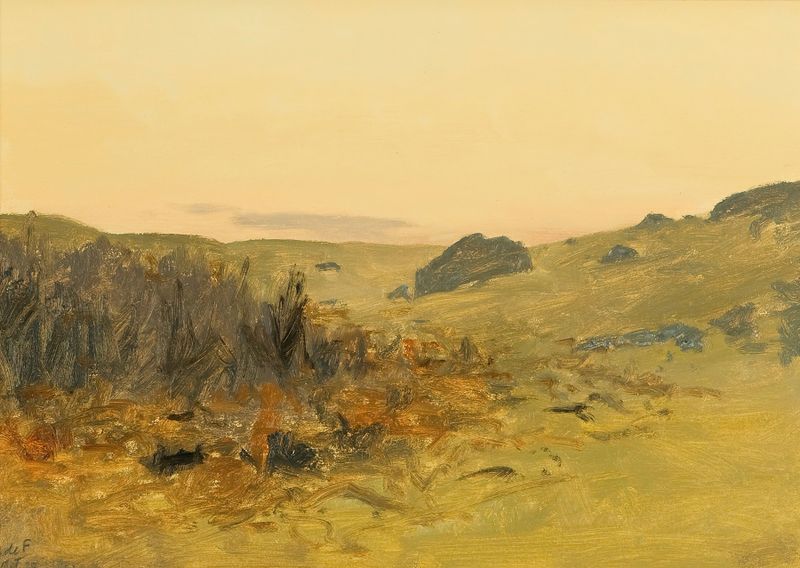
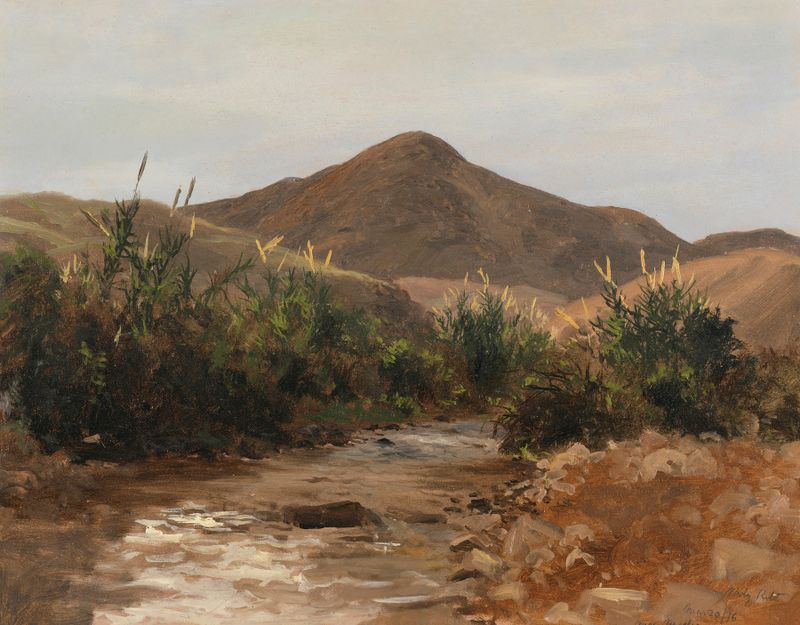
In the tranquil embrace of nature, serenity unfolds like a whispered secret, waiting to be discovered. How does one capture the essence of peace, the stillness that speaks louder than words? Look to the left at the gentle slopes of the canyon, where soft greens and earthy browns blend harmoniously under the dappled sunlight. The artist’s brush strokes evoke a sense of fluidity, capturing the interplay of light and shadow that dances across the landscape.
Notice how the horizon line is painted with an inviting warmth, drawing the viewer into the depths of the canvas, inviting a moment of reflection. Delve deeper, and the hidden contrasts begin to emerge. The tranquility of the scene belies an underlying tension between the manmade and the natural, as jagged rocks form a rugged boundary against the smoothness of the distant hills. Each element—the foliage, the rocks, and the sky—coexists in a delicate balance, suggesting a narrative of harmony, yet also of struggle.
This peaceful vista serves not only as a retreat but also as a reminder of the fragility of such serenity. In 1911, Lockwood de Forest found himself deeply immersed in the artistic community of California, where the burgeoning landscape movement was beginning to take shape. His work during this period reflected a desire to capture the essence of American landscapes, as the country was undergoing rapid transformation. With a keen eye for detail and a deep reverence for nature, he painted Mission Canyon, Santa Barbara to encapsulate the beauty and serenity of the region amidst an era of change.