
Mito, Izu — History & Facts
In a world often drowned in chaos, this tranquility reminds us that balance is not merely a concept, but a necessity for peace. Look closely at the serene waters that stretch across the canvas; they reflect the gentle hues of twilight, flawlessly harmonizing shades of blue and lavender. Notice how the delicate strokes evoke the soft ripples, drawing your eye toward the horizon where land meets sky. The subtle interplay of light and shadow creates a calm ambiance, welcoming viewers to immerse themselves in the stillness of this Japanese landscape. Delve deeper into the scene's contrast: the vibrant foliage on the left side, a symbol of life, stands in stark relief against the serene waters, embodying the balance between vitality and tranquility.
This dichotomy highlights a fleeting moment, where nature breathes in harmony, reminding us of the interconnectedness of all elements. The simplicity of the scene belies profound complexity, revealing layers of emotional resonance that invite reflection on inner peace. Painted during a period of artistic revival in Japan, this piece emerged in 1930 when the artist was deeply engaged in ukiyo-e woodblock printmaking. Hasui was exploring traditional themes while infusing modern sensibilities, capturing the essence of fleeting beauty.
This balance between heritage and innovation defined his work, solidifying his role as a pivotal figure in the art movement of his time.
More Artworks by Kawase Hasui
Browse all →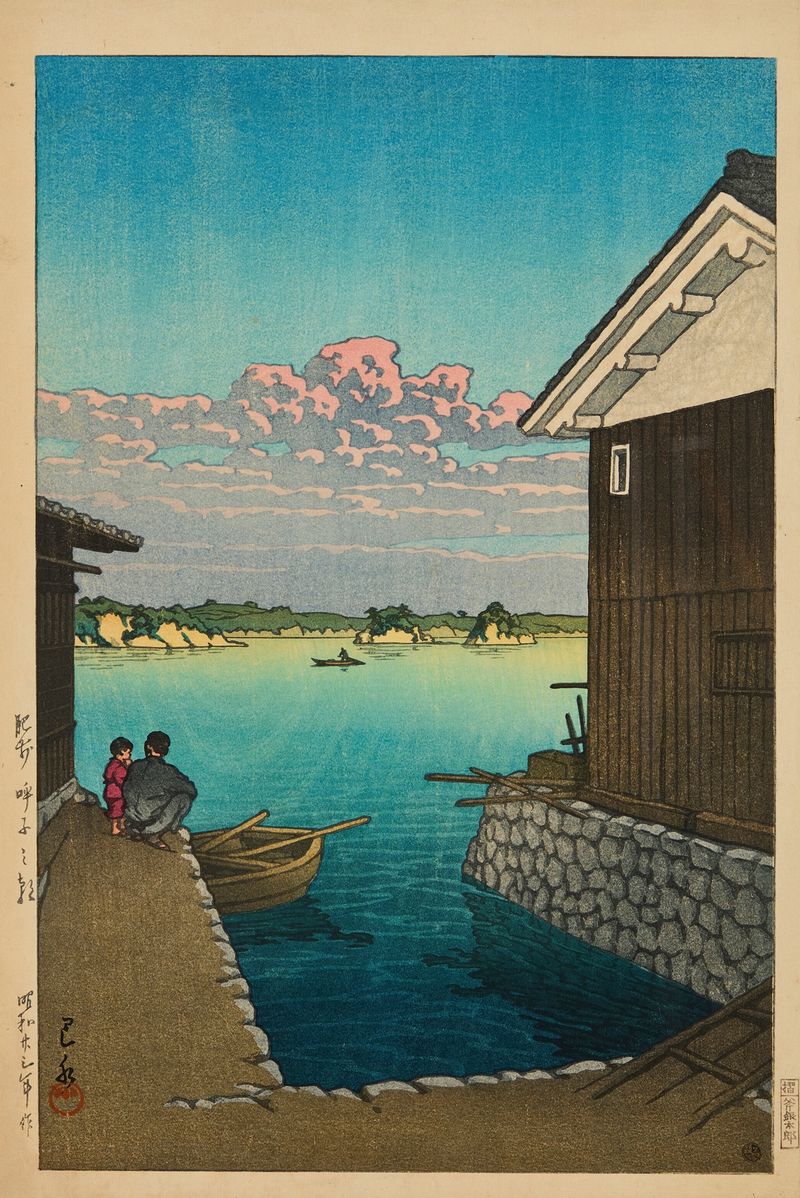
Hizen Yobuko no asa (Morning in Yobuko, Hizen)
Kawase Hasui
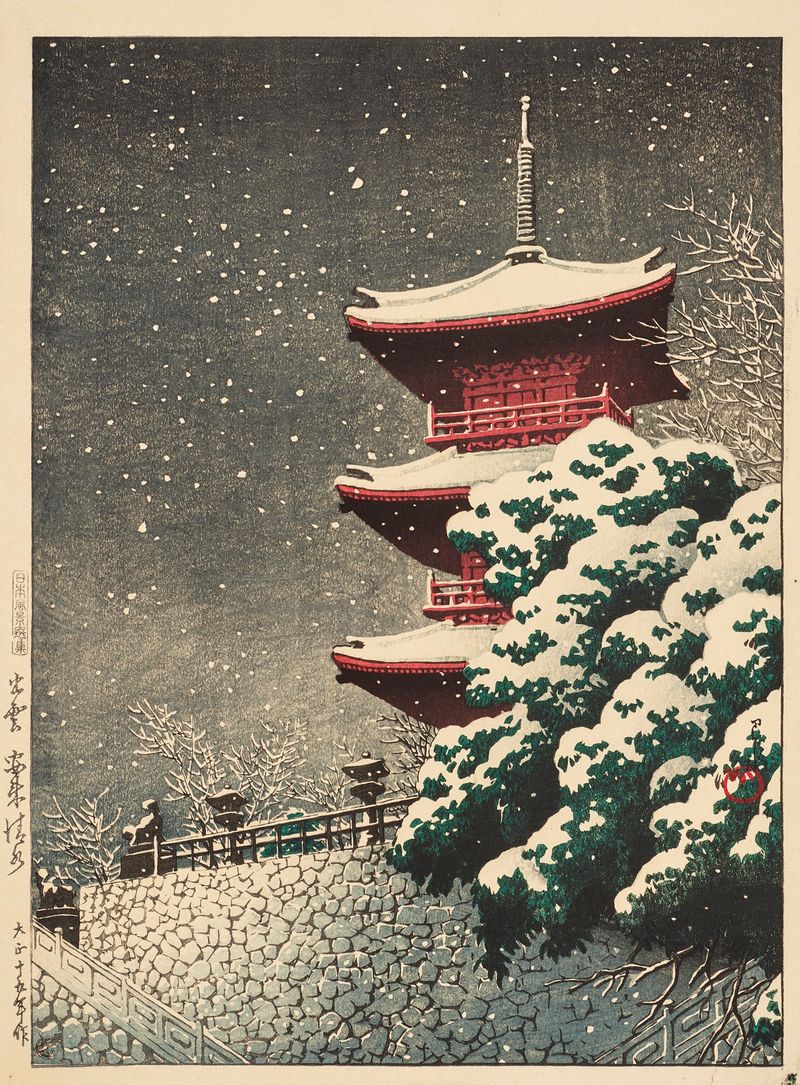
Izumo, Yasugi Kiyomizu (Yasugi Kiyomizu Temple at Izumo)
Kawase Hasui
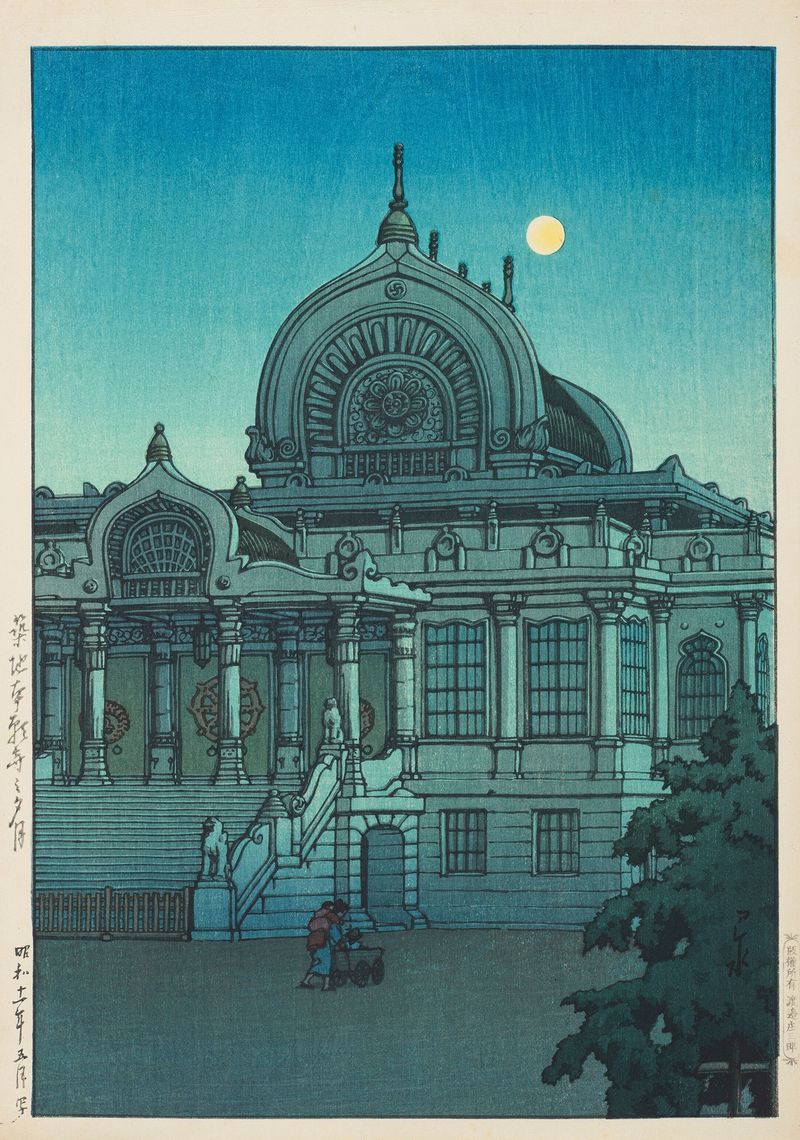
Tsukiji Honganji no yuzuki (Evening moon at Honganji Temple in Tsukiji)
Kawase Hasui
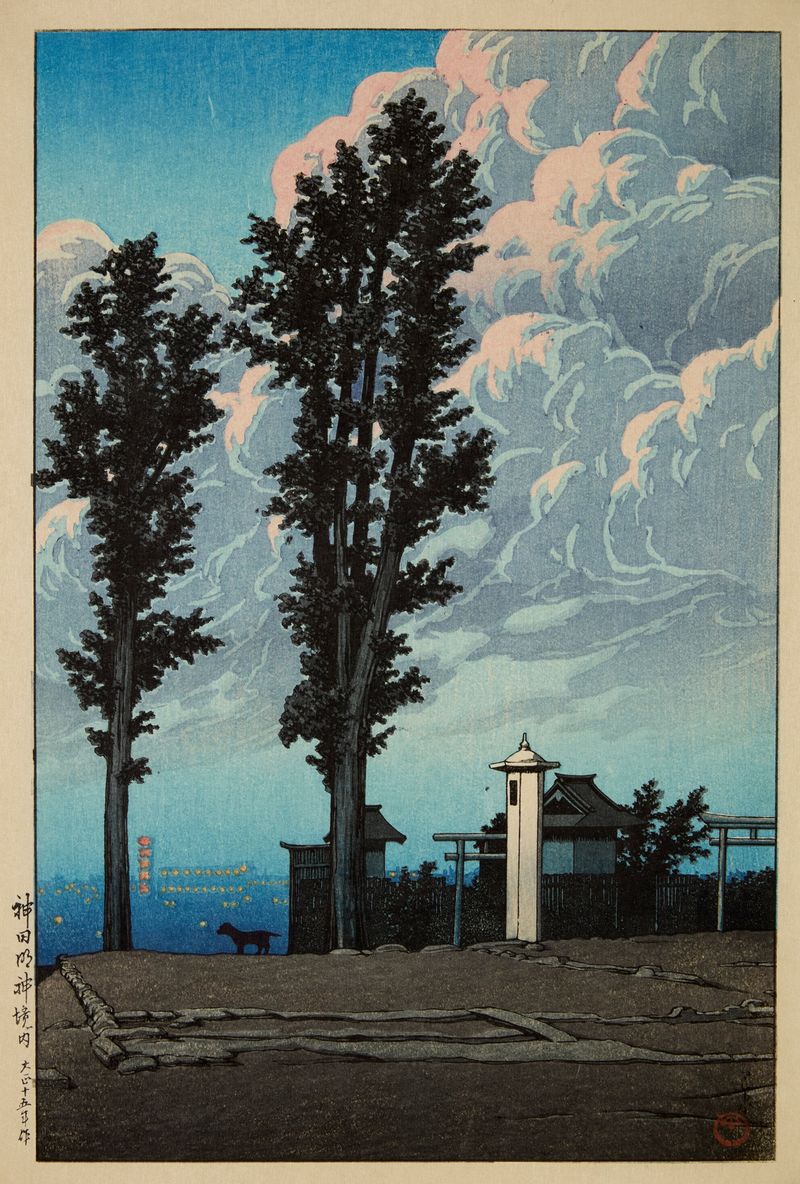
Kanda Myojin keidai (Kanda Myojin Shrine precent)
Kawase Hasui
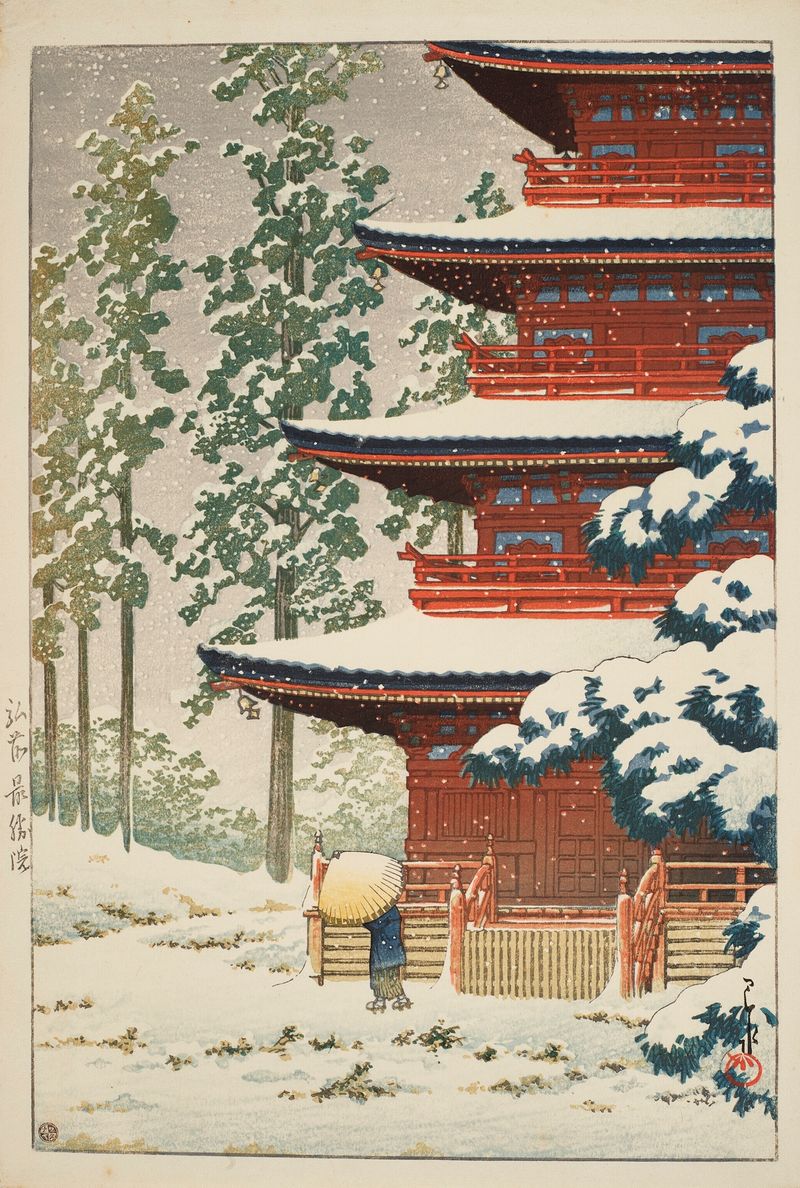
Saisho-in Temple, Hirosaki
Kawase Hasui
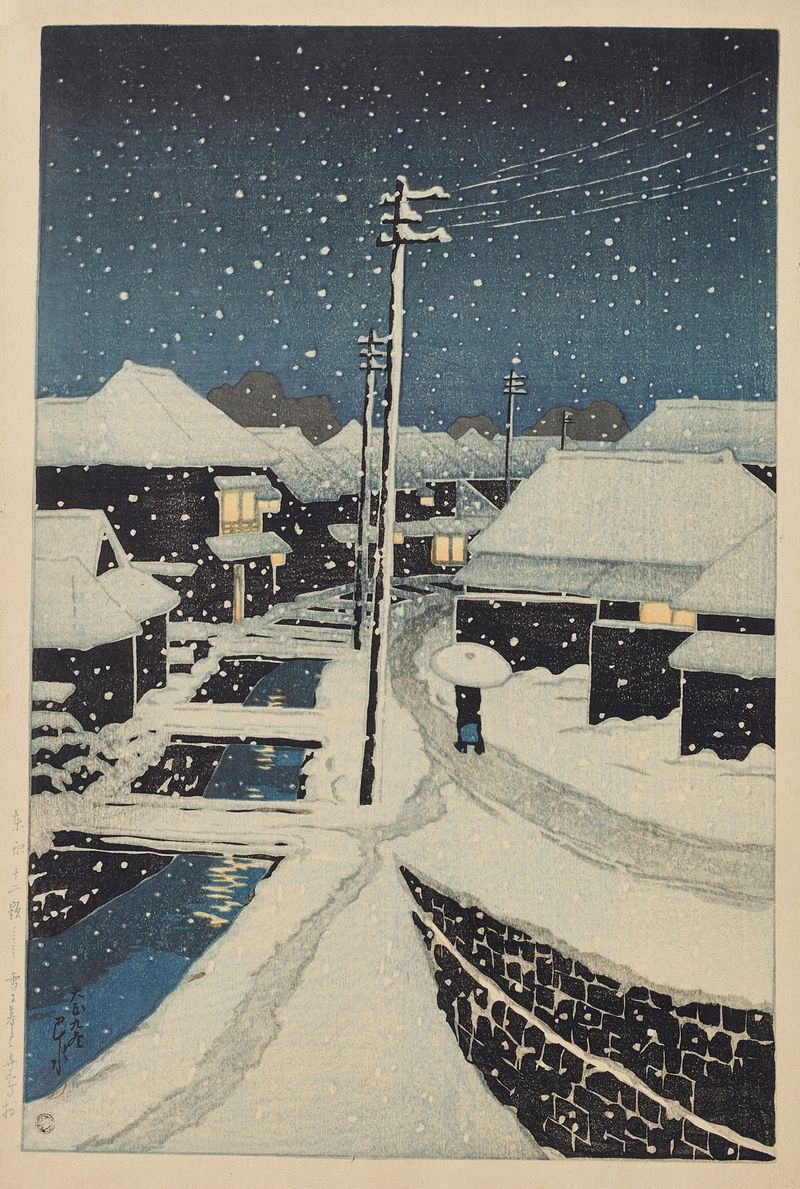
Yuki ni fururu Terajima mura (Evening snow at Terajima Village)
Kawase Hasui
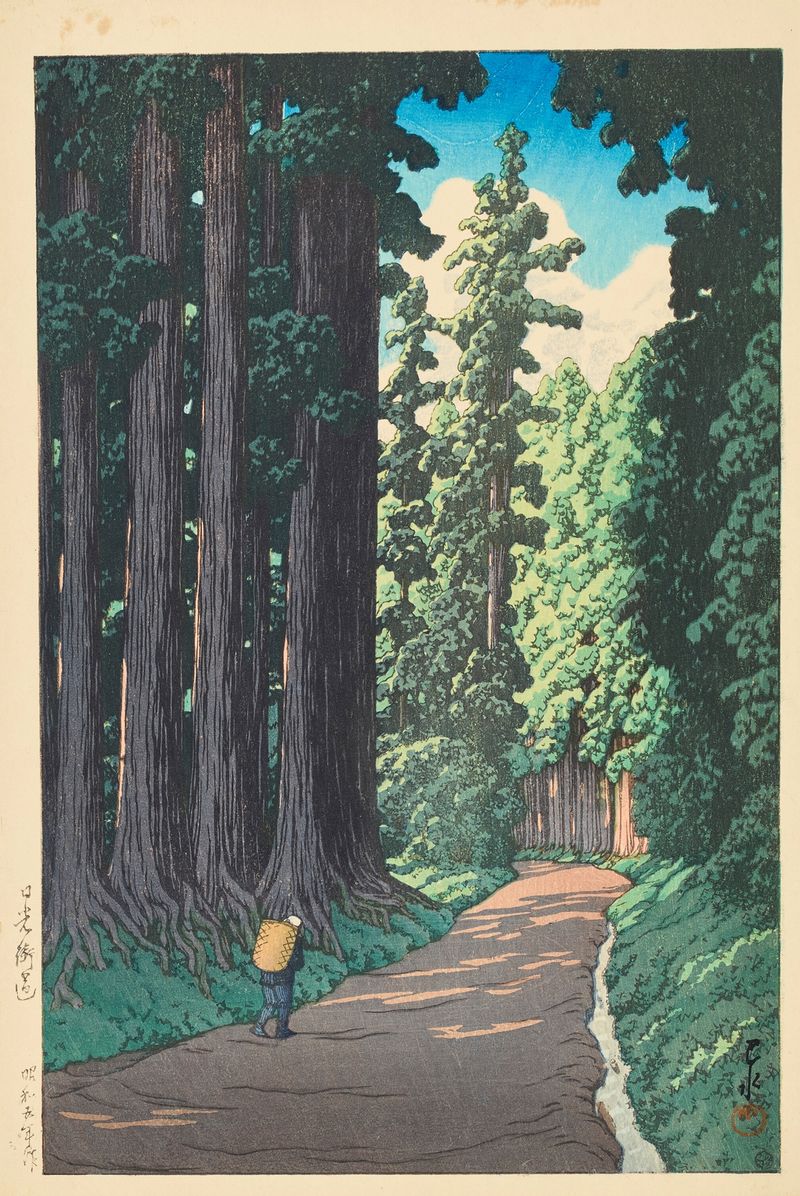
Nikko gaido (The Road to Nikko)
Kawase Hasui
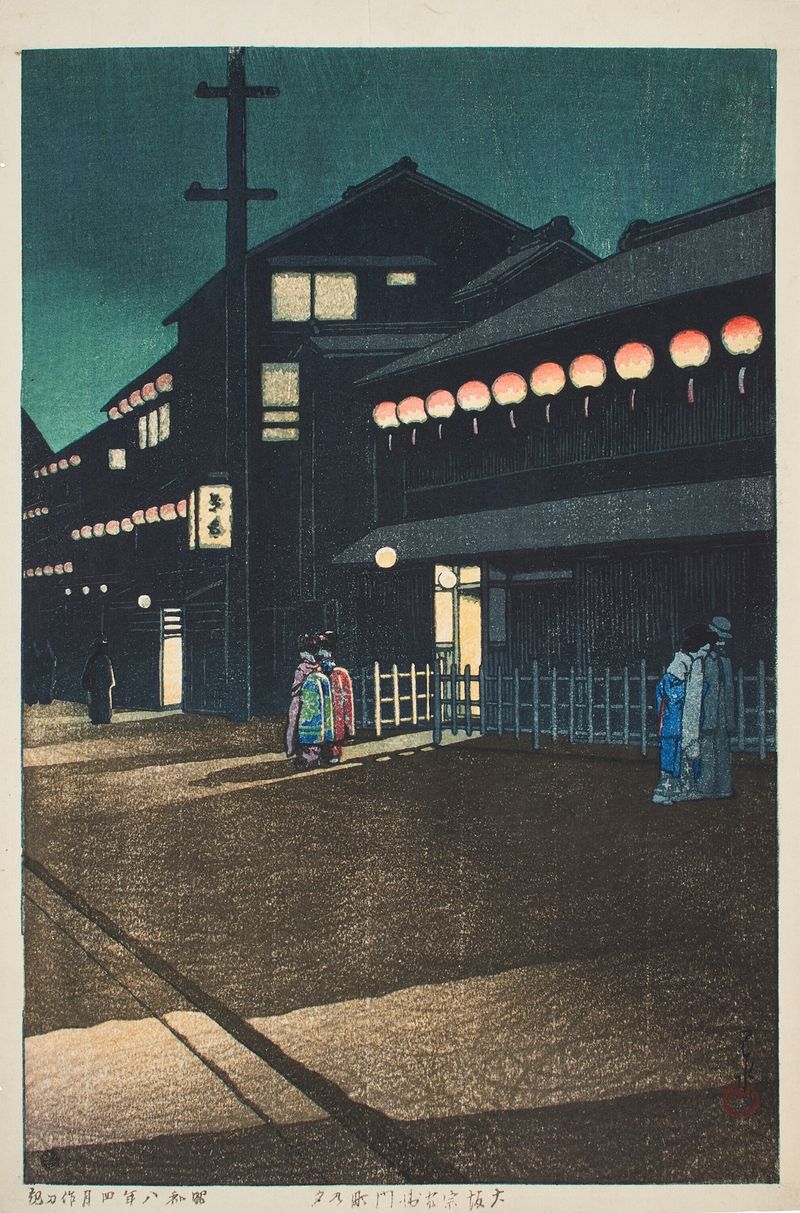
Osaka Soemon-cho no yu (Evening in Soemon-cho, Osaka)
Kawase Hasui
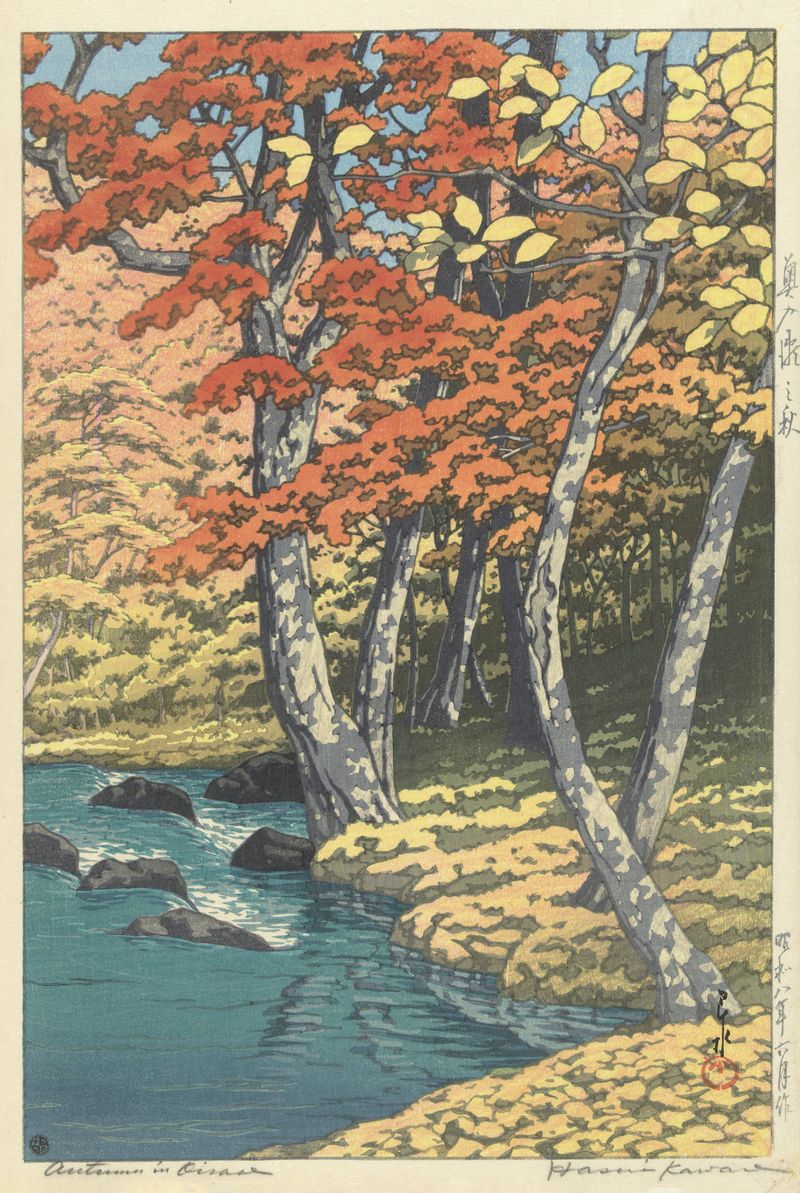
Autumn In Oirase
Kawase Hasui
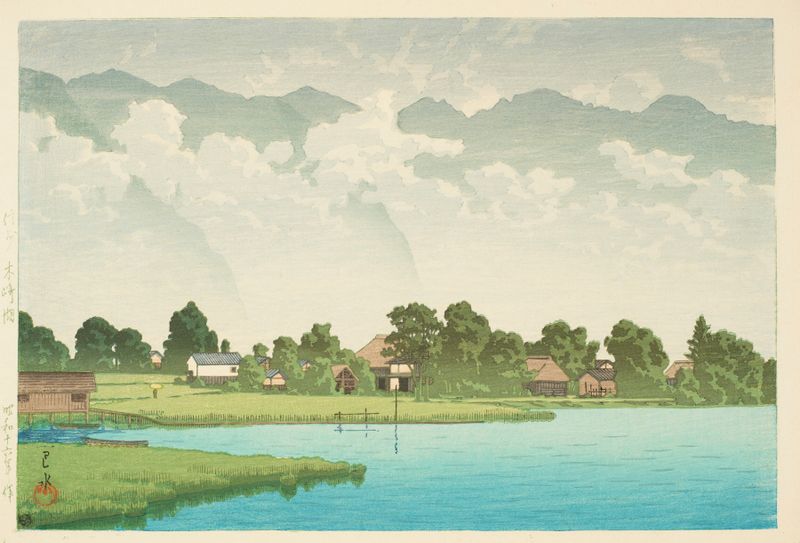
Shinshu Kizakiko (Kizaki Lake in Shinshu)
Kawase Hasui





