
Mnemosyne, Mother of the Muses — History & Facts
In Mnemosyne, Mother of the Muses, Frederic Leighton presents a striking scene filled with rich colors. The central figure, Mnemosyne, is depicted with flowing robes and a contemplative expression. Surrounding her are the Muses, each embodying different aspects of the arts and sciences.
The background features a soft, dreamlike landscape that enhances the mythical quality of the painting. The painting is executed in oil on canvas, showcasing Leighton's skillful brushwork and attention to detail. The use of light and shadow creates depth, particularly in the figures' drapery and facial features. The color palette consists of warm earth tones contrasted with vibrant hues, drawing the viewer's eye to Mnemosyne.
This work exemplifies the Victorian style, characterized by its romantic and idealized representations. Frederic Leighton was a prominent figure in the Victorian art scene, known for his historical and mythological subjects. Mnemosyne, Mother of the Muses reflects his fascination with classical themes and the human form. An interesting fact about this work is that it was created during a period when Leighton was heavily influenced by the Pre-Raphaelite movement, which emphasized detail and vibrant colors.
This painting is a testament to his ability to blend classical inspiration with Victorian sensibilities.
More Artworks by Frederic Leighton
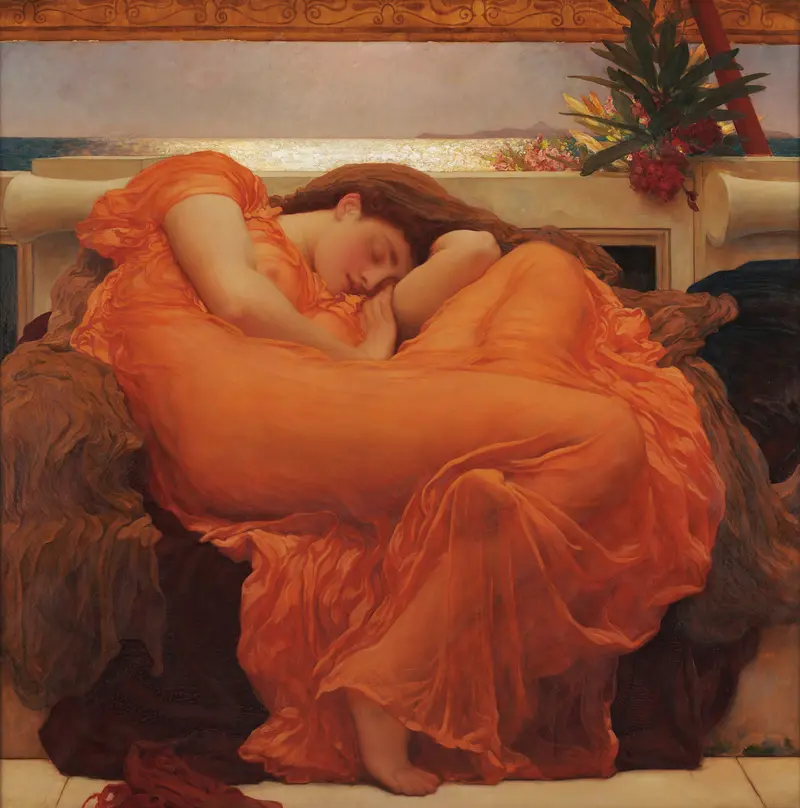
Flaming June
Frederic Leighton
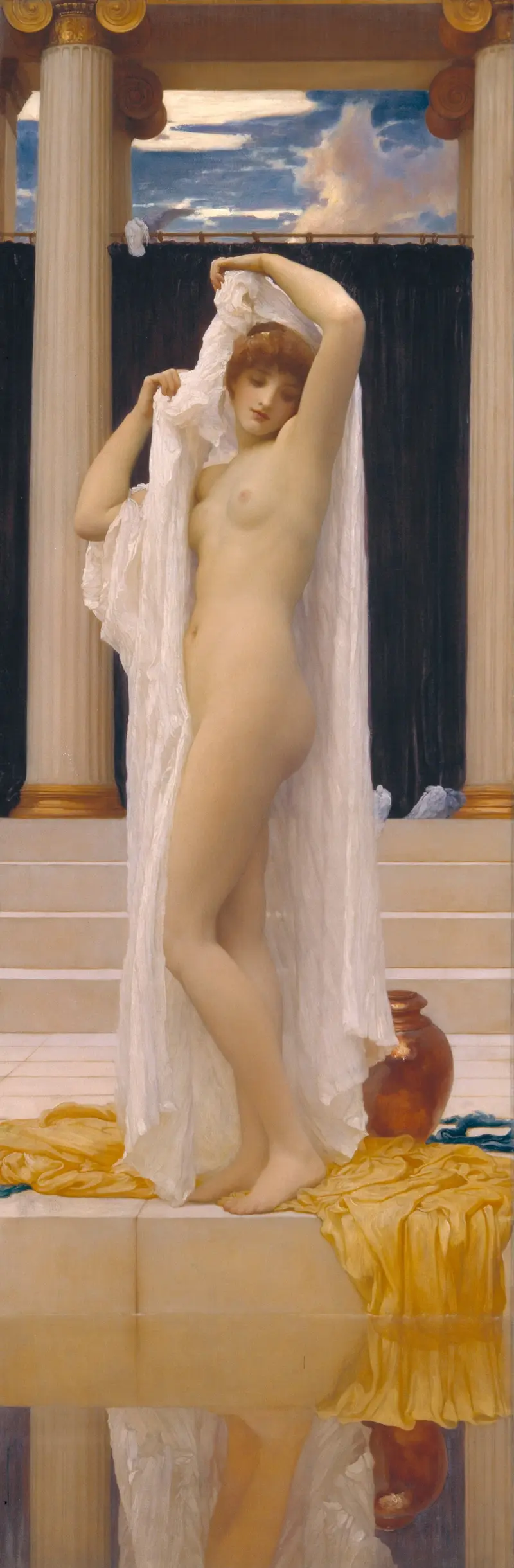
The Bath of Psyche
Frederic Leighton
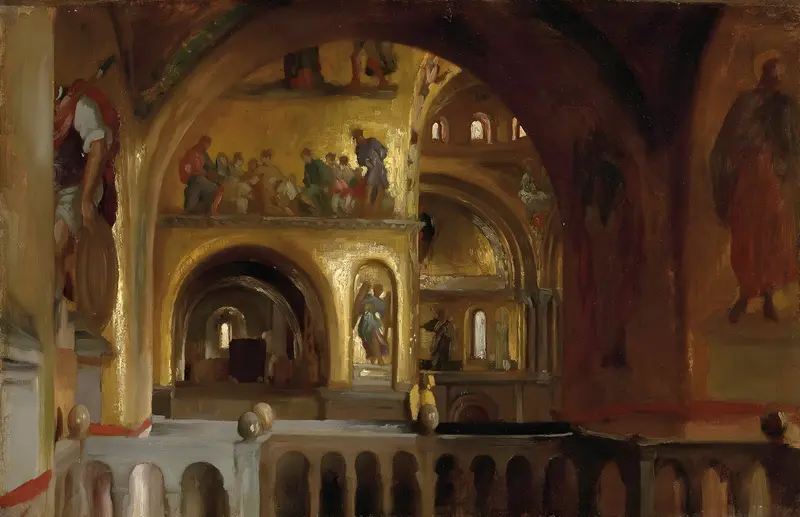
The Interior of St Mark’s Basilica, Venice
Frederic Leighton

Portrait of May Sartoris, Mrs Henry Evans Gordon
Frederic Leighton
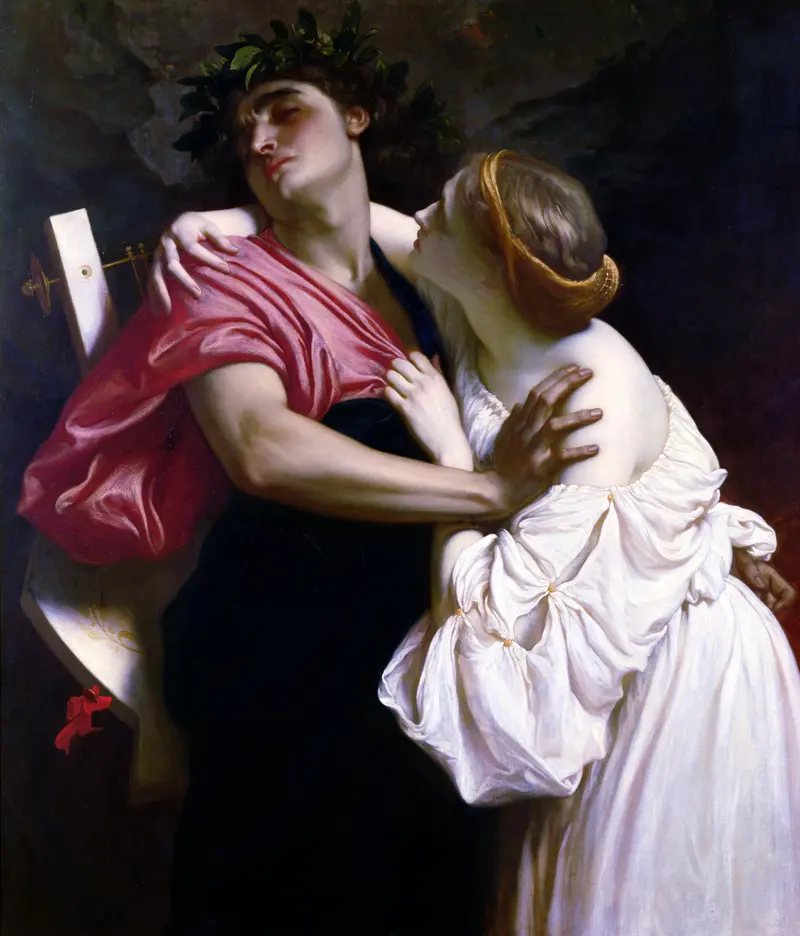
Orpheus And Eurydice
Frederic Leighton
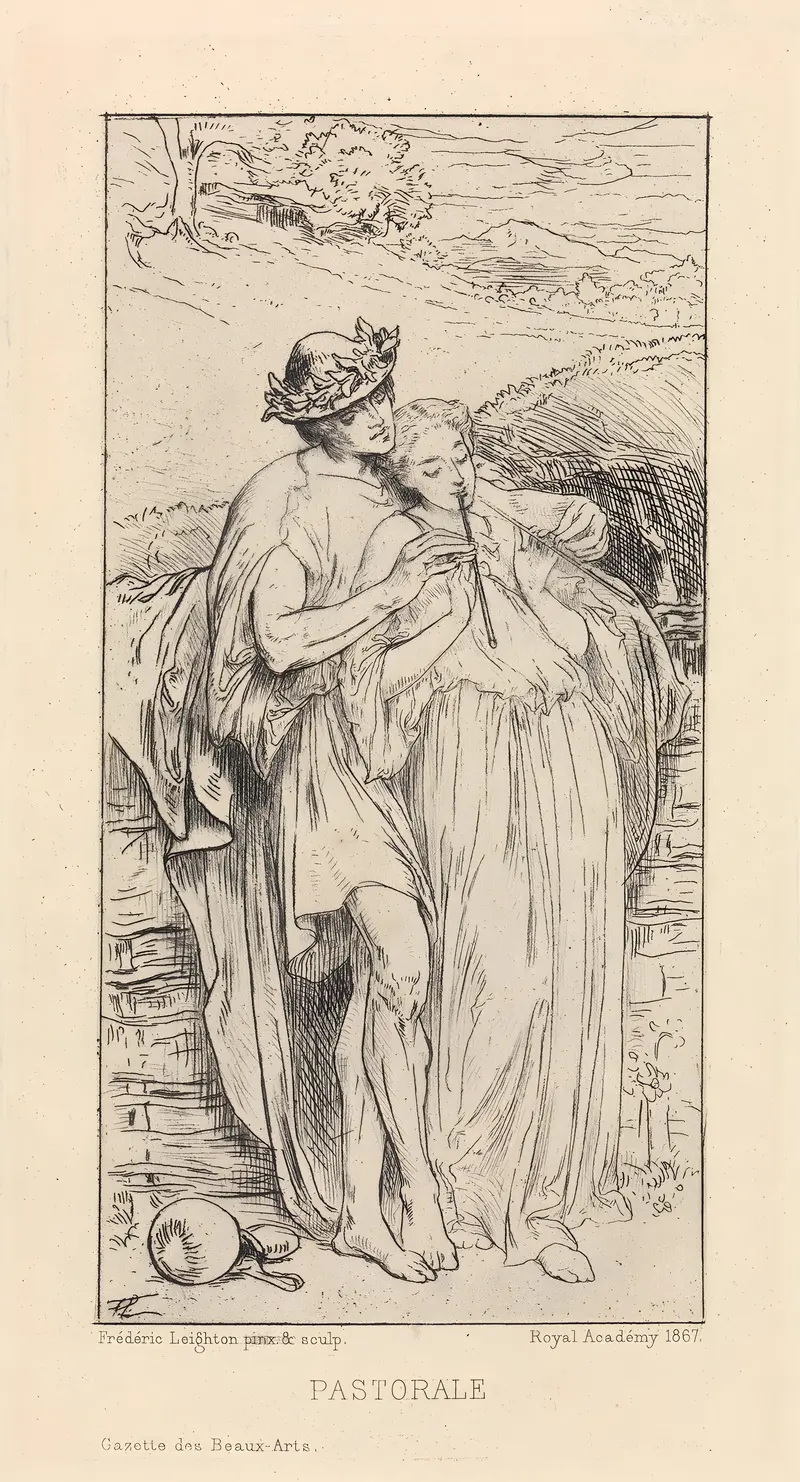
Pastorale
Frederic Leighton
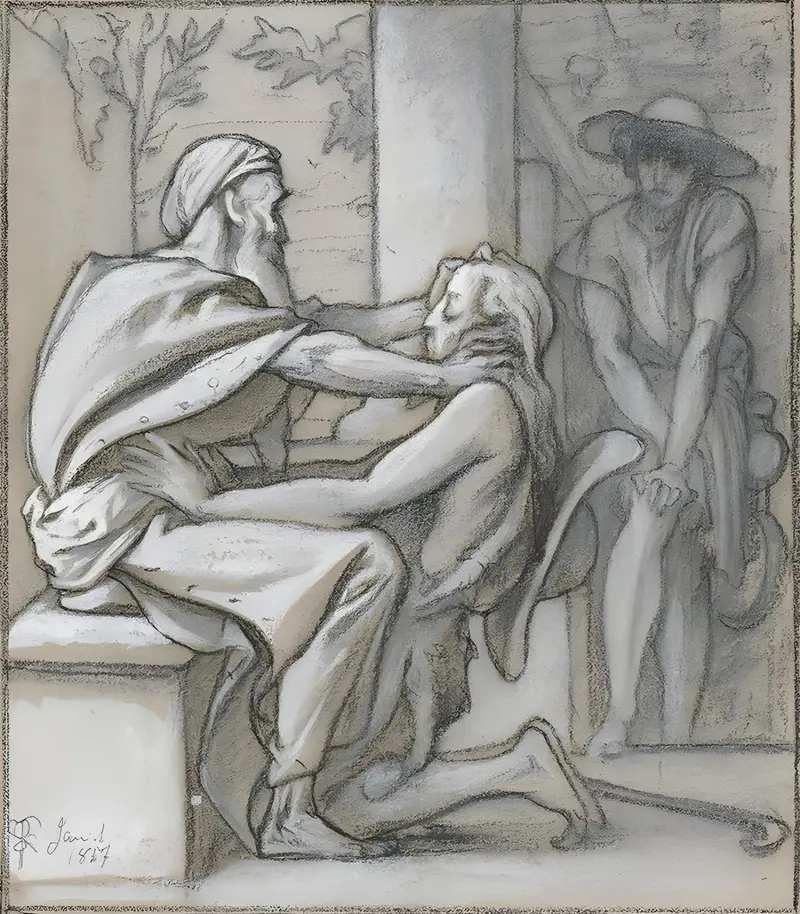
Jacob and Esau
Frederic Leighton
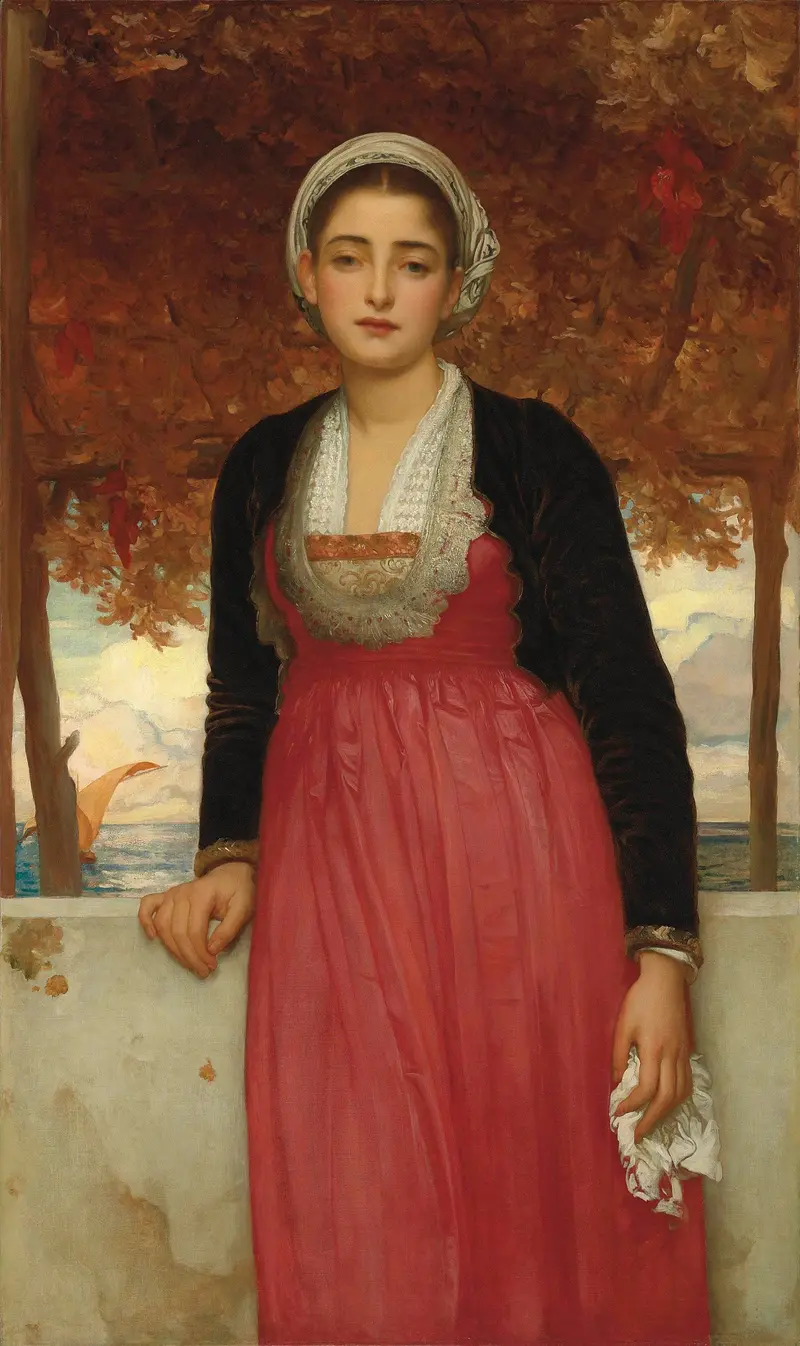
Amarilla
Frederic Leighton
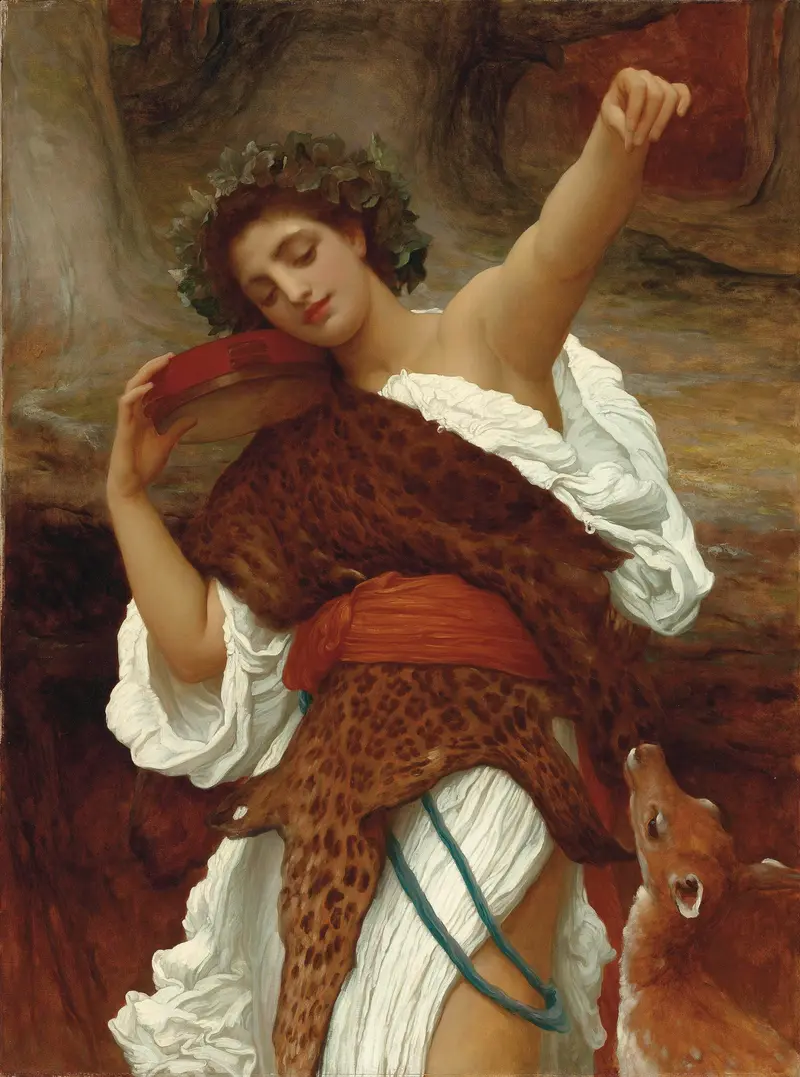
Bacchante
Frederic Leighton
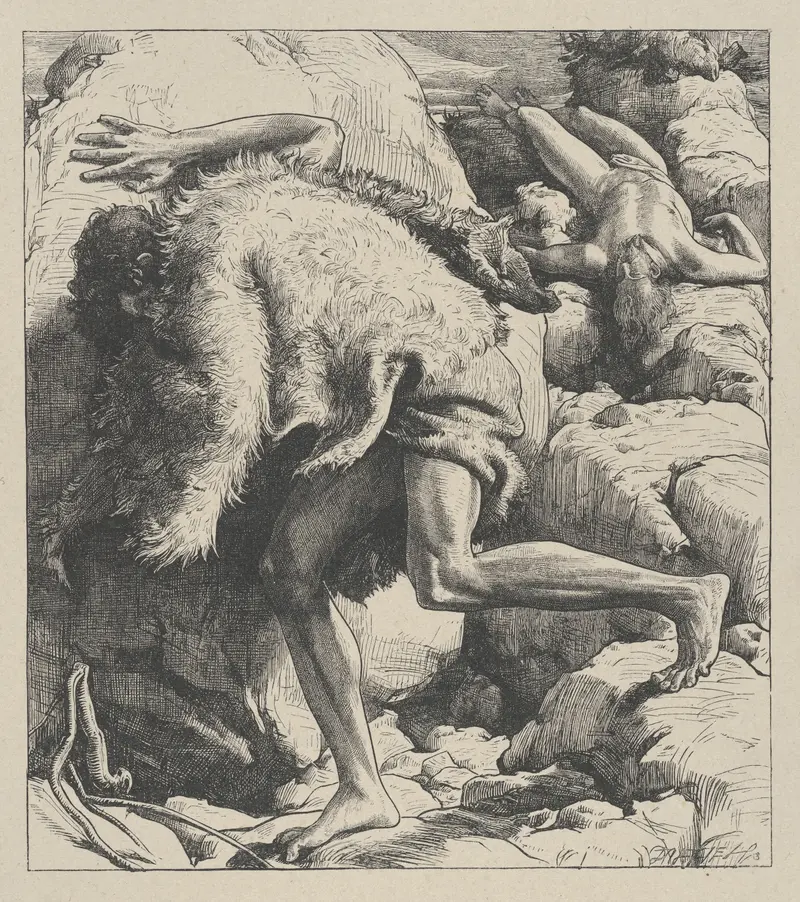
Cain and Abel
Frederic Leighton





