
Moeder met kind op schoot — History & Facts
Is this a mirror — or a memory? The tender embrace of a mother cradling her child invites the viewer into a world where love and care are immortalized on canvas, blurring the line between reality and imagination. Look to the right at the soft, glowing light that bathes the mother’s face, illuminating her serene expression and reflecting the bond she shares with her child. Notice the delicate brushstrokes that form the intricate patterns of her clothing, each thread woven with care, while the warm palette envelops the scene in a comforting embrace. The gentle tilt of her head and the child’s tiny hands clasped tightly evoke a sense of intimacy, drawing us into this intimate moment shared between them. The emotional weight of this piece lies in its contrasts; the overlap of maternal strength against the vulnerability of the child encapsulates a universal experience.
The mother’s poised calm suggests resilience, while the slight vulnerability shown in her gaze hints at the sacrifices inherent in motherhood. This interplay invites reflection on the duality of creation — the nurturing of life alongside the weight of responsibility that it carries, a cycle both profound and poignantly human. Cornelis Pietersz. Bega created Moeder met kind op schoot during a period of burgeoning interest in genre painting in the Dutch Golden Age, roughly between 1642 and 1664.
Living in Amsterdam, Bega was influenced by the domestic life and intimate scenes that characterized this era. The painting reflects both his personal experiences and the broader cultural landscape, as he sought to elevate the everyday moments of existence into timeless art, capturing the delicate relationships that define our humanity.
More Artworks by Cornelis Pietersz. Bega
Browse all →
Mannen en jonge vrouw in herberg
Cornelis Pietersz. Bega

Twee mannen en vrouw met kind zittend in herberg
Cornelis Pietersz. Bega
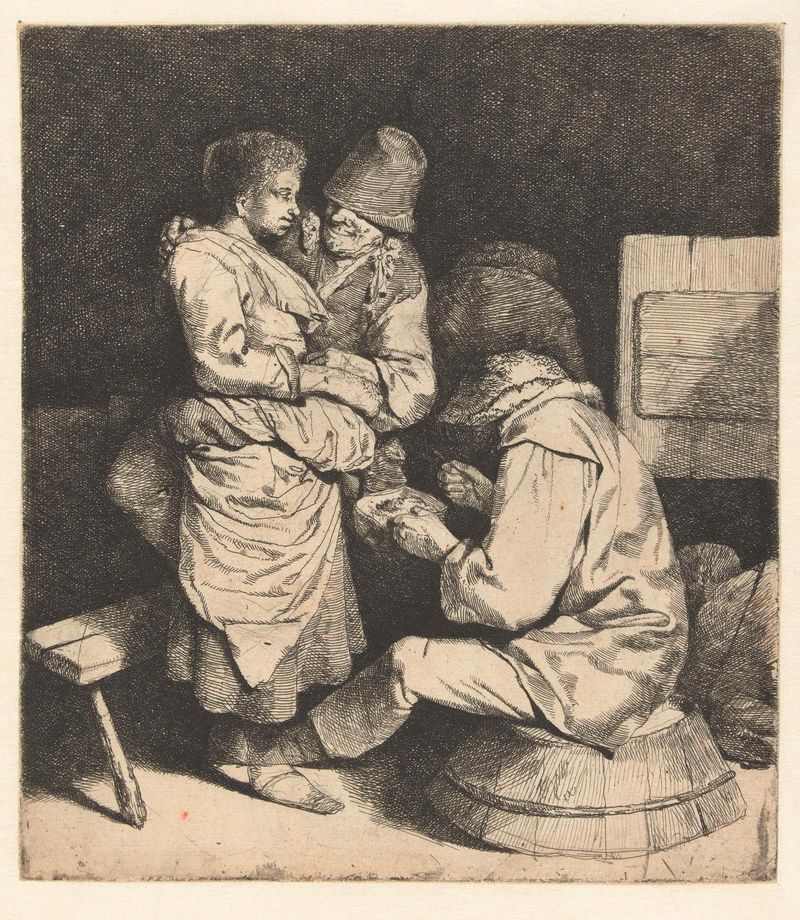
Vrouw vastgepakt door man, andere man zit te eten in herberg
Cornelis Pietersz. Bega

Jonge vrouw zittend met een pijp
Cornelis Pietersz. Bega

Staande vrouw vastgepakt door man, andere man kijkt toe in herberg
Cornelis Pietersz. Bega
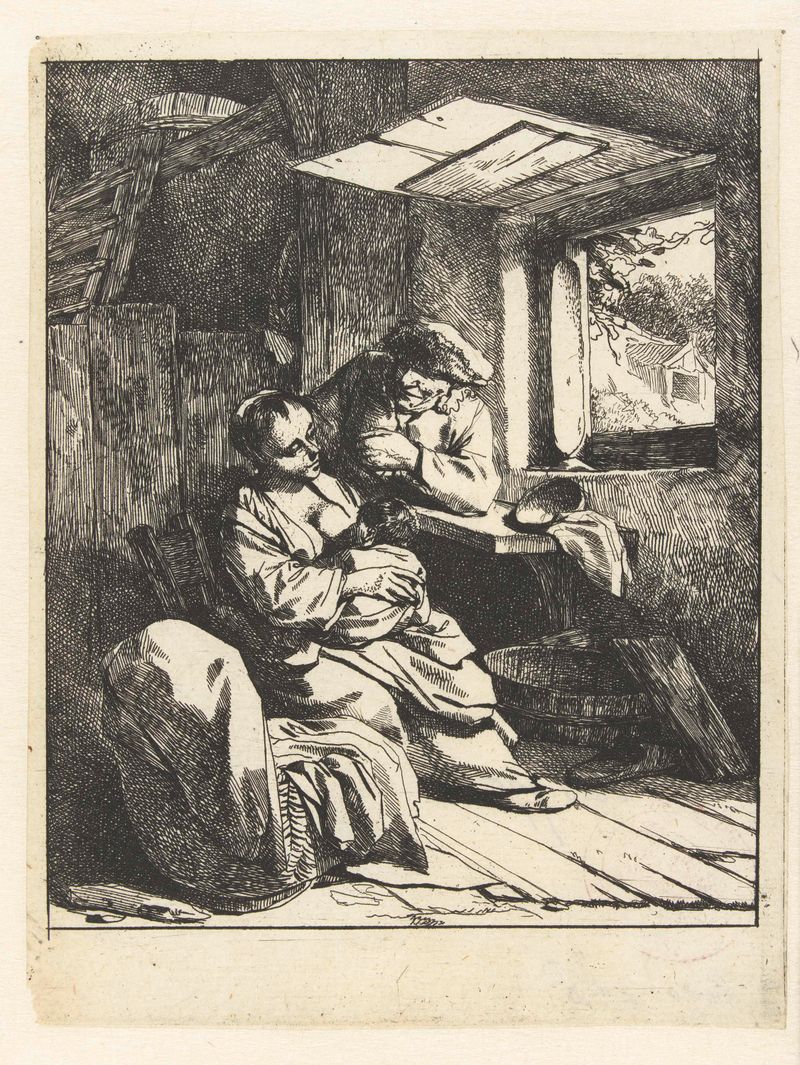
Vrouw met kind en man bij wieg in interieur met open raam
Cornelis Pietersz. Bega
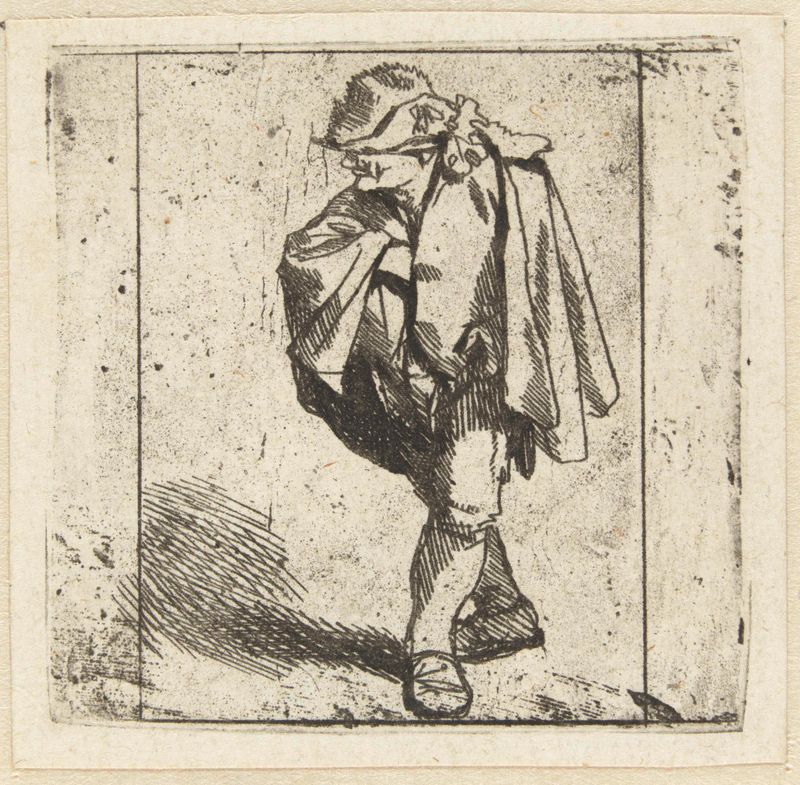
Staande man met de rechterhand op de borst in zijn mantel gestoken
Cornelis Pietersz. Bega
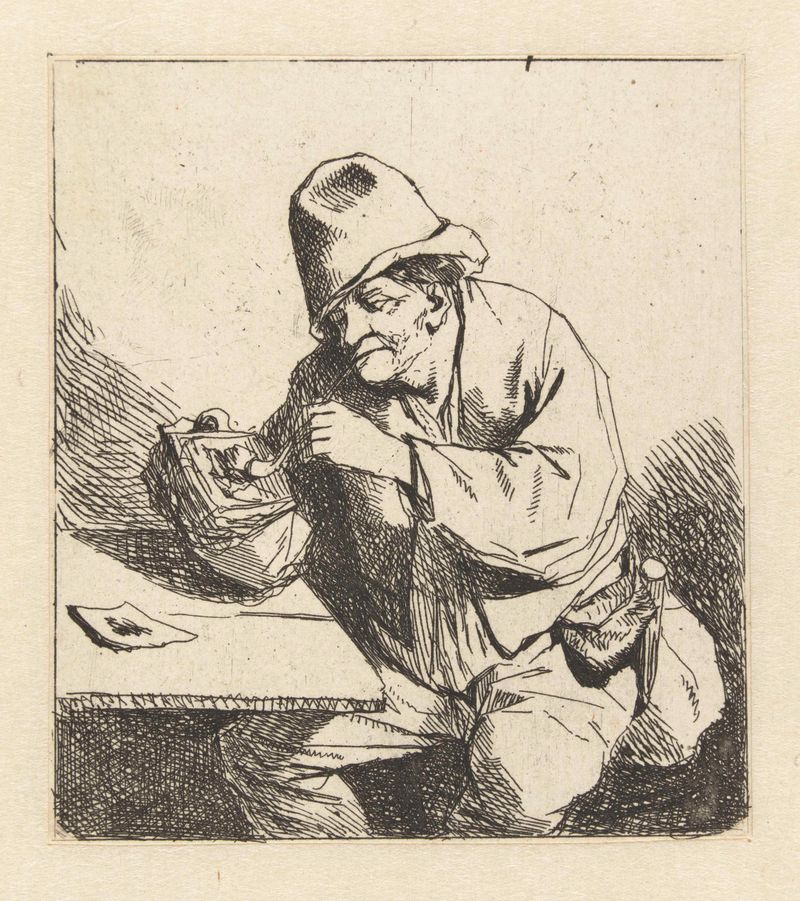
Zittende man steekt pijp aan
Cornelis Pietersz. Bega

Man zittend op ton met kruik in handen
Cornelis Pietersz. Bega

Liefdespaar
Cornelis Pietersz. Bega
More Portrait Art
Browse all →
Las meninas
Diego Velázquez

Self-portrait with a Bandaged Ear and Pipe
Unidentified artist

Girl with a Pearl Earring
Johannes Vermeer

The Sampling Officials of the Amsterdam Drapers’ Guild, Known as ‘The Syndics’
Rembrandt van Rijn

The Hundred Guilder Print: the man seen on the back in the lower left corner
Rembrandt van Rijn

Portrait of Dr Gachet
Vincent van Gogh