
molen — History & Facts
Who listens when art speaks of silence? In the stillness of molen, an unease lingers in the air, urging the viewer to confront their own fears and uncertainties. Focus on the dark, looming windmill at the center, where shadows seem to meld with the fabric of the sky. The muted palette of grays and browns evokes a sense of heaviness, while the slanting light casts long shadows that stretch across the foreground. Notice how the brushstrokes impart a rough texture, reflecting a tumultuous landscape that feels both familiar and foreboding, inviting an emotional reaction that oscillates between calm and apprehension. Delve deeper into the painting's emotional landscape; the windmill stands as a solitary sentinel, a symbol of labor and endurance amidst an uncertain world.
The sparse surroundings amplify a sense of isolation, suggesting a silent struggle against the forces of nature and time. This tension between the structure and its environment encapsulates the fear of stagnation and the existential dread of being dwarfed by the enormity of existence. During the late 1930s, Johannes Nicolaas Eijman created molen, a period marked by socio-political unrest in Europe. Amid the rise of nationalism and the looming threat of war, Eijman's work reflects the anxiety of an era grappling with change.
The artist’s exploration of solitude and tension in his works resonated with both his personal experiences and the collective fears of a world on the brink, capturing the essence of a time fraught with uncertainty.
More Artworks by Johannes Nicolaas Eijman
Browse all →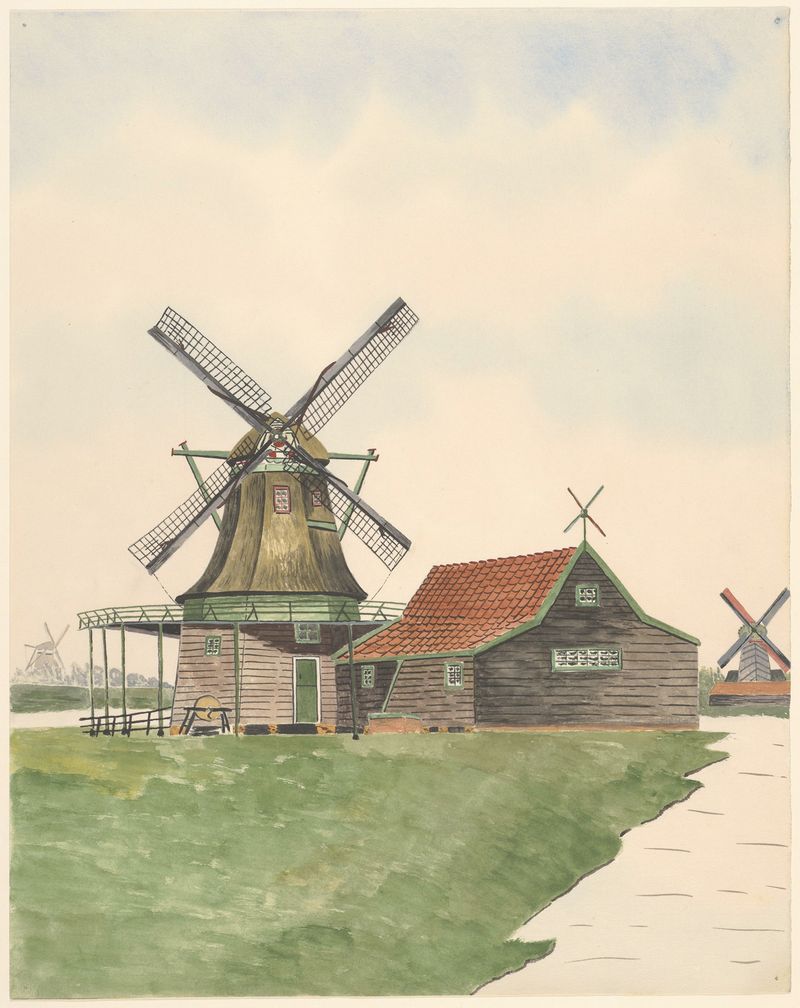
molens; oliemolen De Olievos, aan de Papenpadsloot, gesloopt 1878
Johannes Nicolaas Eijman
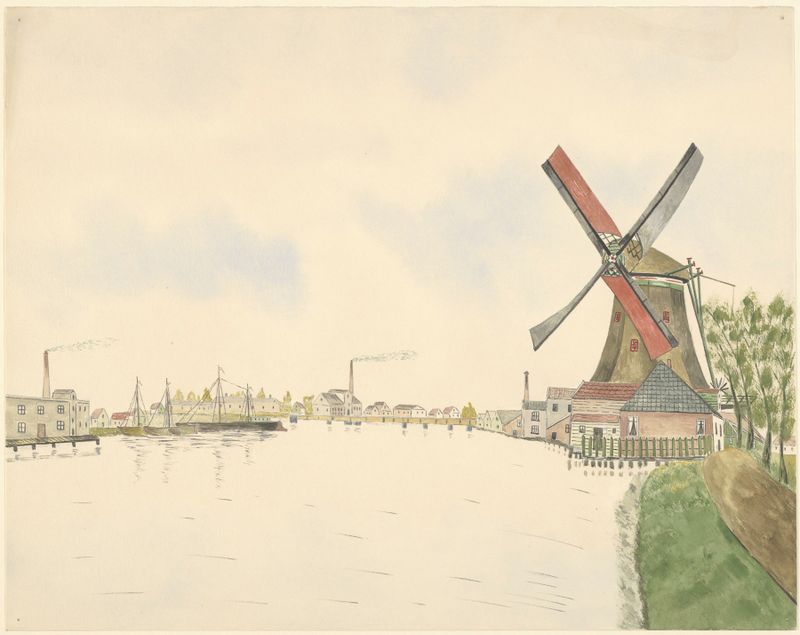
molens; meelmolen De Koker
Johannes Nicolaas Eijman

Papiermolen de Eendracht aan de westzijde van het Zaandammerpad, Wormer
Johannes Nicolaas Eijman
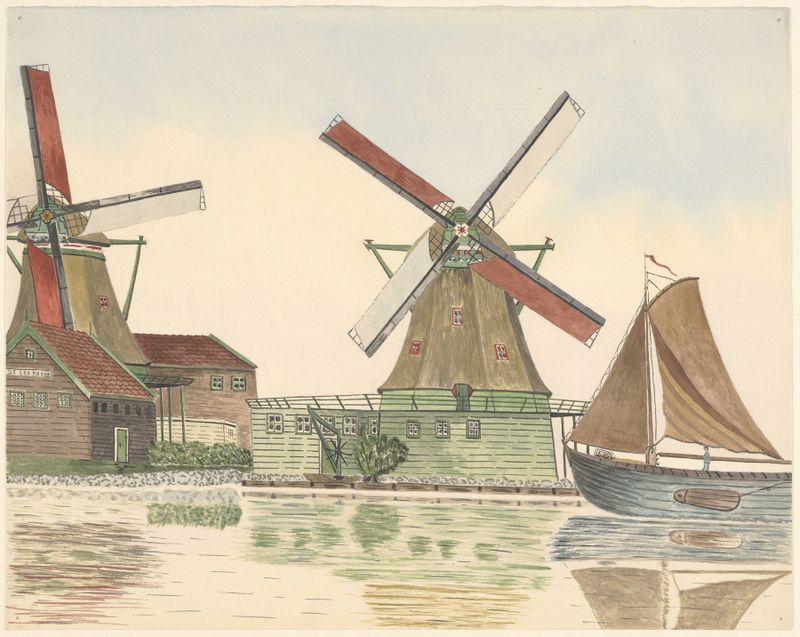
molens; oliemolen De Oude-Zwan, aan de Kalverpoel
Johannes Nicolaas Eijman
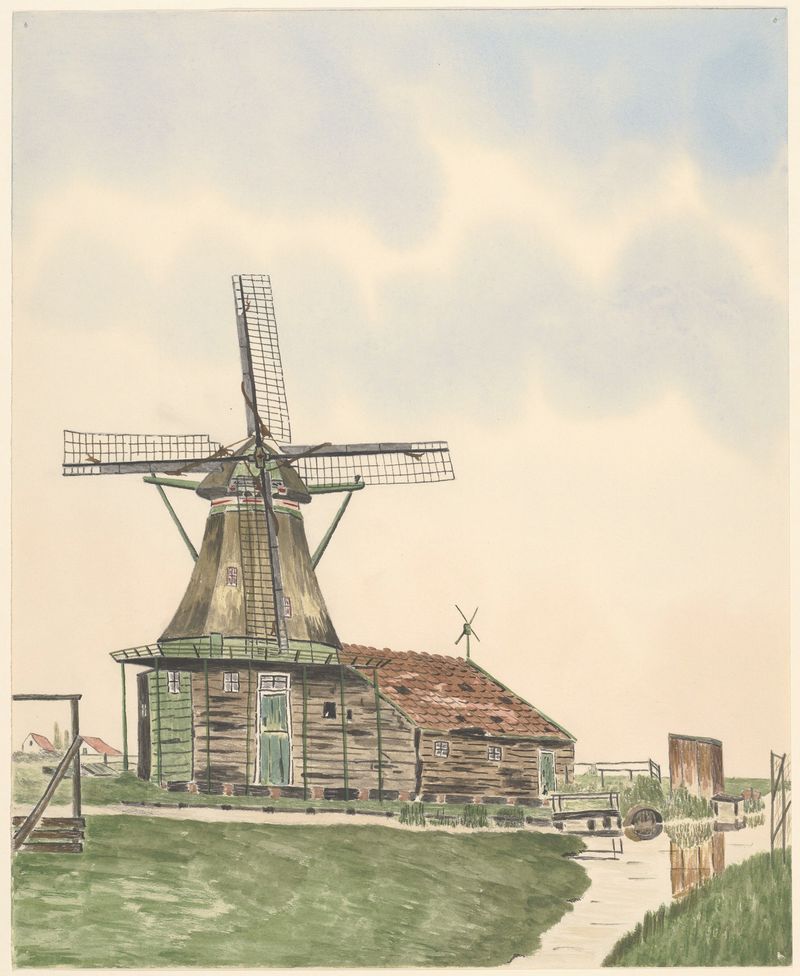
molens; oliemolen Het Oude-Honingvat, Oostzijderveld
Johannes Nicolaas Eijman
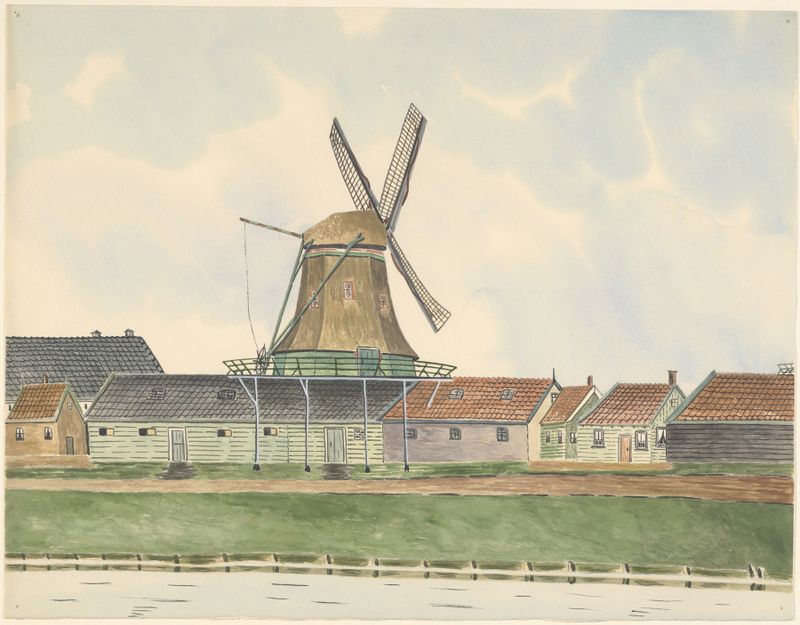
molen; oliemolen Het Witte-Paard aan het Zaandijkerwegje, 1893 gesloopt
Johannes Nicolaas Eijman

Op de voorgrond rechts doppenmolen De Prolpot aan de Hemmes, op de achtergrond links twee andere molens
Johannes Nicolaas Eijman
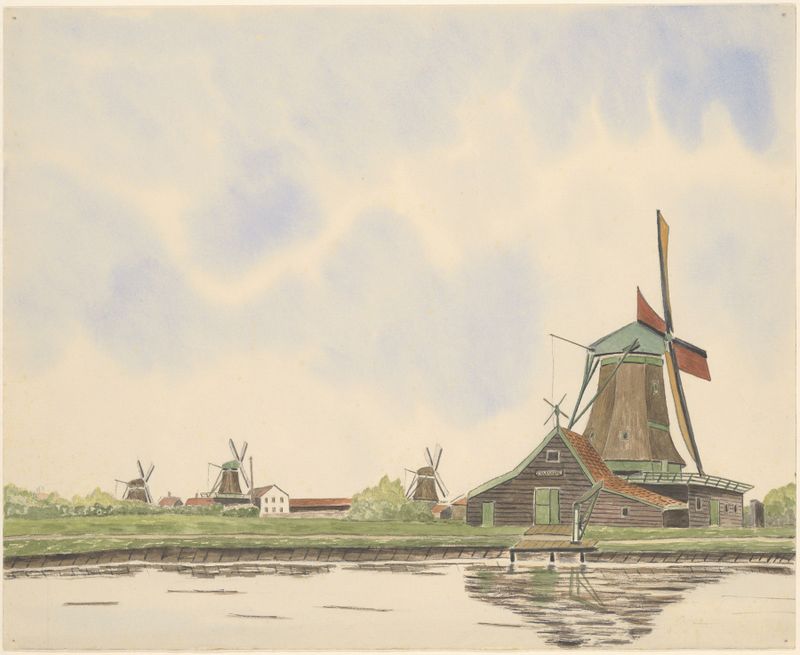
Oliemolen De Kerkuil aan de Zaan, met drie molens op de achtergrond. De Kerkuil stond binnendijks, tegenover de Wormerveerderkerk; afgebroken ca. 1892
Johannes Nicolaas Eijman
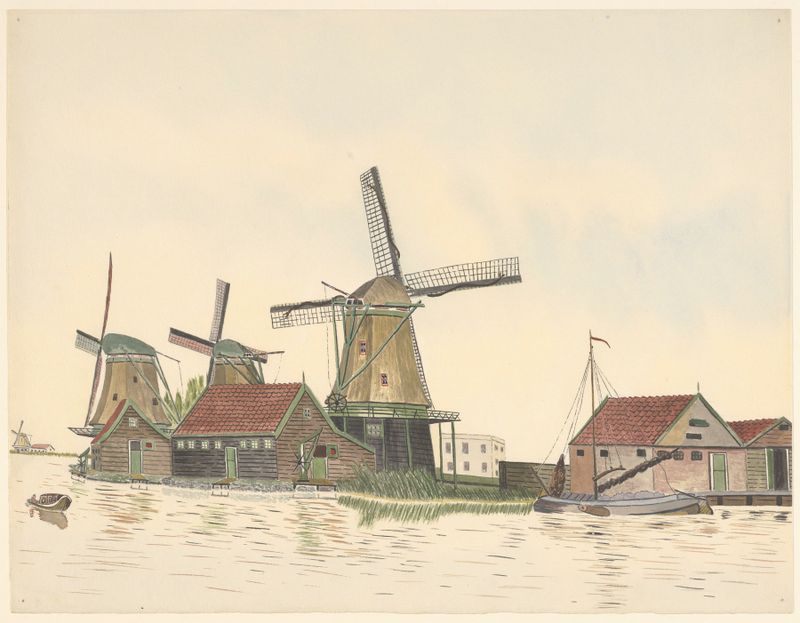
molens; De Ooievaar; De Windhond; De Gans, Kalverringdijk
Johannes Nicolaas Eijman
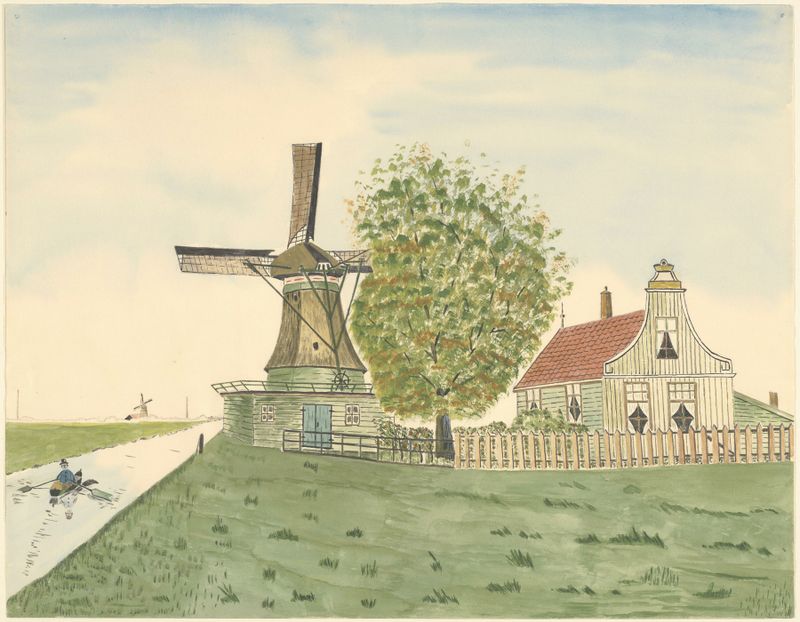
molens; houtzaagmolen De Haan
Johannes Nicolaas Eijman





