
molen Het Pink — History & Facts
Who listens when art speaks of silence? In the stillness of molen Het Pink, echoes of nostalgia linger, inviting viewers to reflect on moments lost to time. Look to the left at the ancient windmill, its weathered sails poised against a dreamy sky. The muted palette of greens and browns evokes a sense of tranquility, while the soft brushstrokes create an almost ethereal atmosphere. Notice how the gentle ripples of water in the foreground mirror the clouds above, uniting earth and sky in a harmonious embrace.
The composition draws the eye toward the center, where the mill stands resolute, a silent testament to both nature’s beauty and human industry. Delve deeper, and the contrasts become apparent: the vitality of life against the stillness of the scene. The solitary windmill, a relic of the past, speaks to the passage of time, its sturdy form juxtaposed with the ephemeral qualities of light and shadow. Each blade of grass swayed by the breeze whispers tales of bygone days, evoking feelings of longing and remembrance.
The tranquil water reflects not just the physical landscape but also the emotional landscape of the viewer, inviting introspection. Johannes Nicolaas Eijman created this piece during a period when Dutch romanticism was quietly flourishing, immersing him in an environment rich with artistic exploration. The exact date of molen Het Pink remains uncertain, yet it embodies a time when artists sought solace in the landscapes of their homeland, capturing fleeting beauty amidst the changes of modernity. Eijman’s work reflects both a personal connection to the land and a broader cultural yearning for continuity in an ever-evolving world.
More Artworks by Johannes Nicolaas Eijman
Browse all →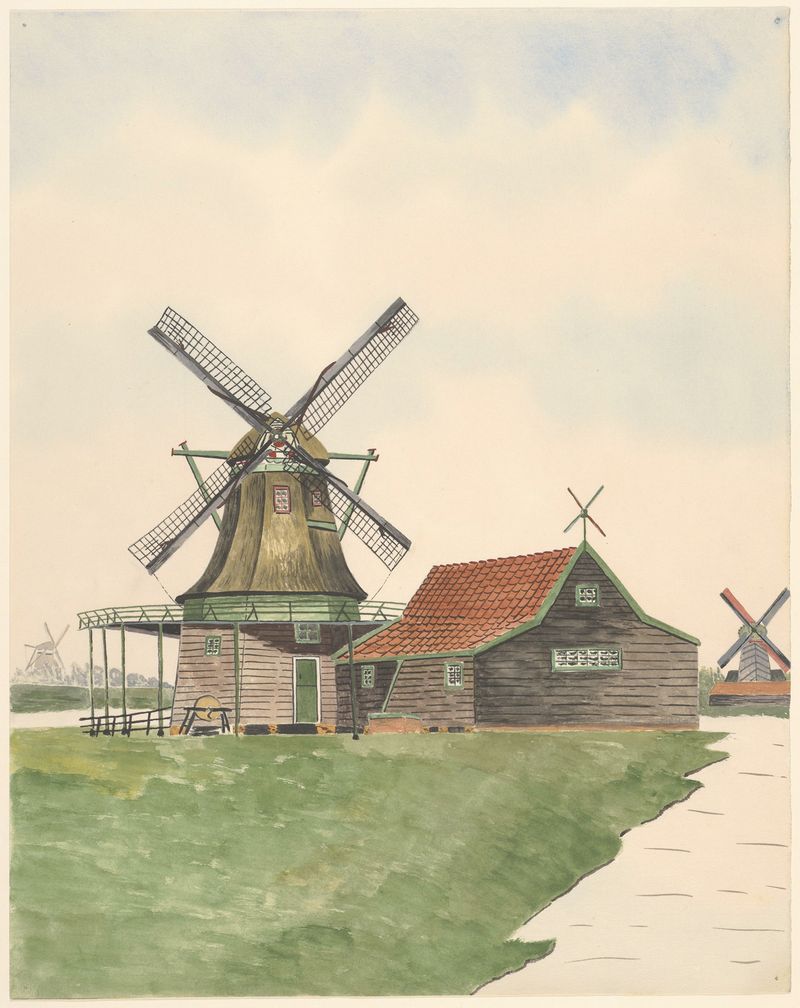
molens; oliemolen De Olievos, aan de Papenpadsloot, gesloopt 1878
Johannes Nicolaas Eijman
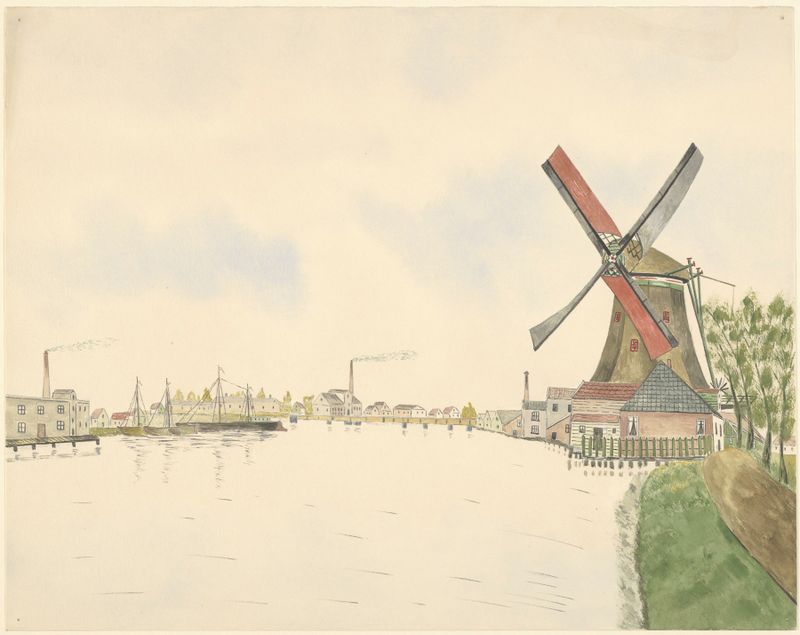
molens; meelmolen De Koker
Johannes Nicolaas Eijman

Papiermolen de Eendracht aan de westzijde van het Zaandammerpad, Wormer
Johannes Nicolaas Eijman
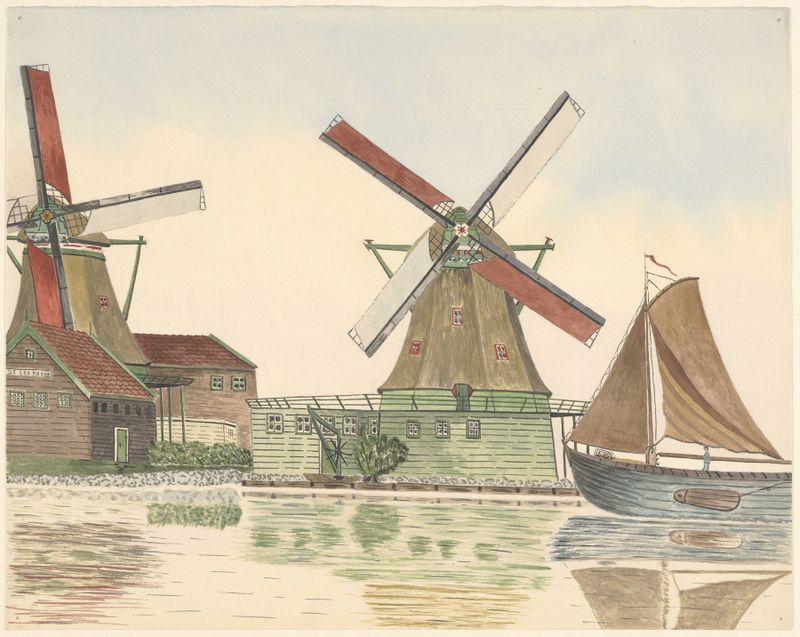
molens; oliemolen De Oude-Zwan, aan de Kalverpoel
Johannes Nicolaas Eijman
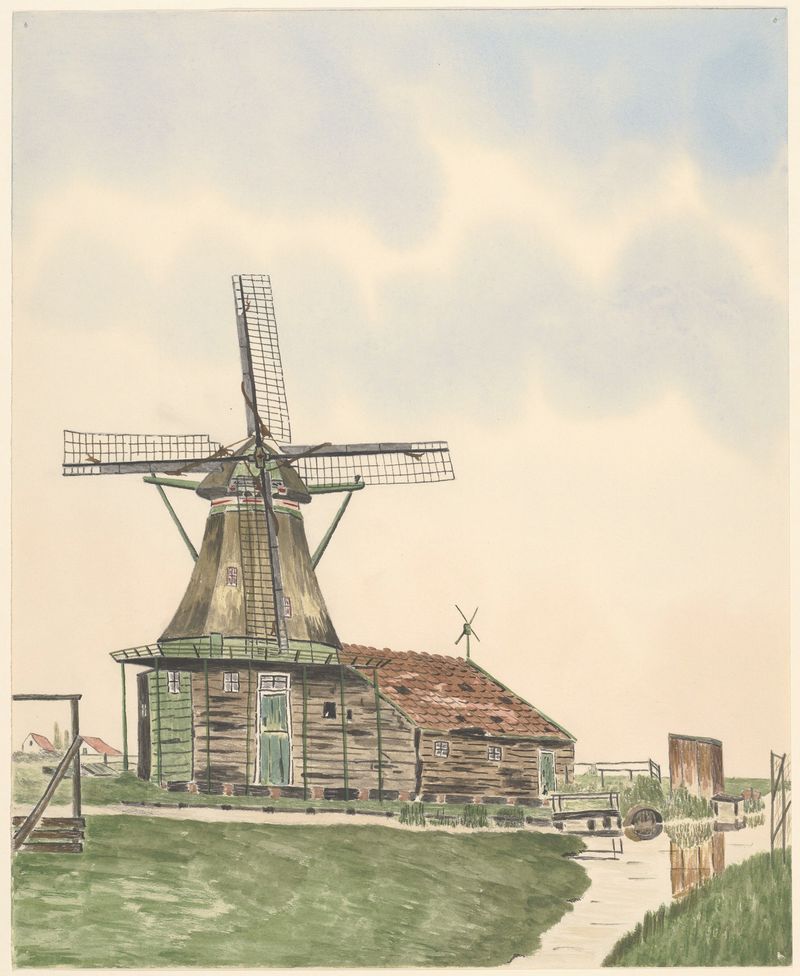
molens; oliemolen Het Oude-Honingvat, Oostzijderveld
Johannes Nicolaas Eijman
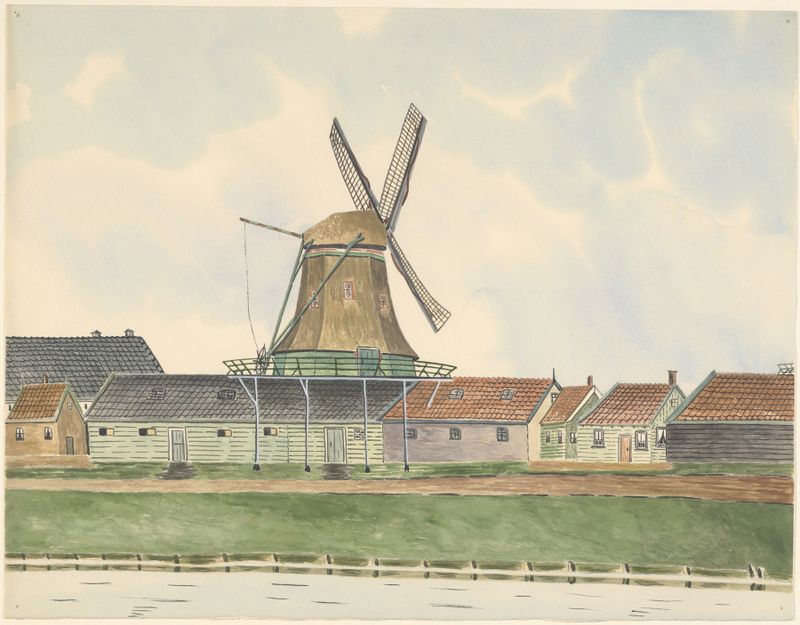
molen; oliemolen Het Witte-Paard aan het Zaandijkerwegje, 1893 gesloopt
Johannes Nicolaas Eijman

Op de voorgrond rechts doppenmolen De Prolpot aan de Hemmes, op de achtergrond links twee andere molens
Johannes Nicolaas Eijman
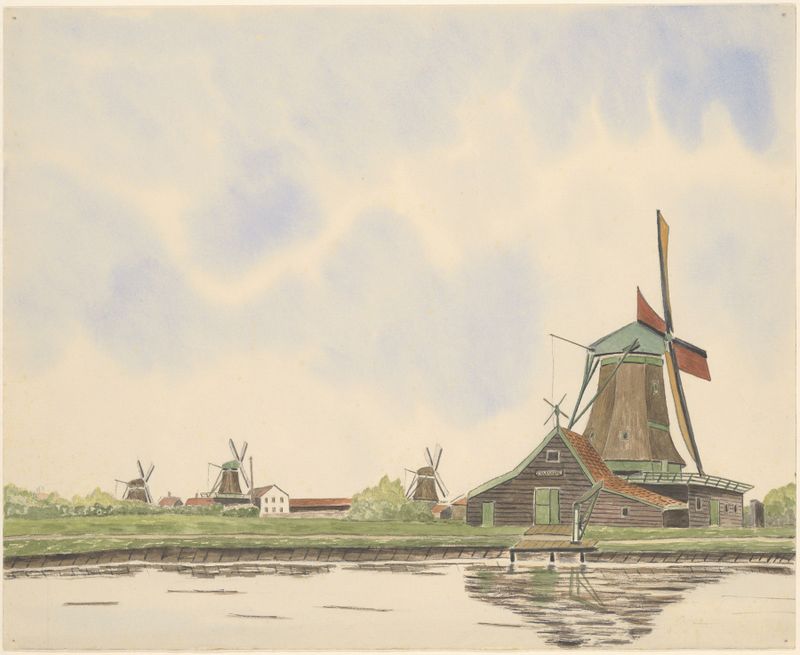
Oliemolen De Kerkuil aan de Zaan, met drie molens op de achtergrond. De Kerkuil stond binnendijks, tegenover de Wormerveerderkerk; afgebroken ca. 1892
Johannes Nicolaas Eijman
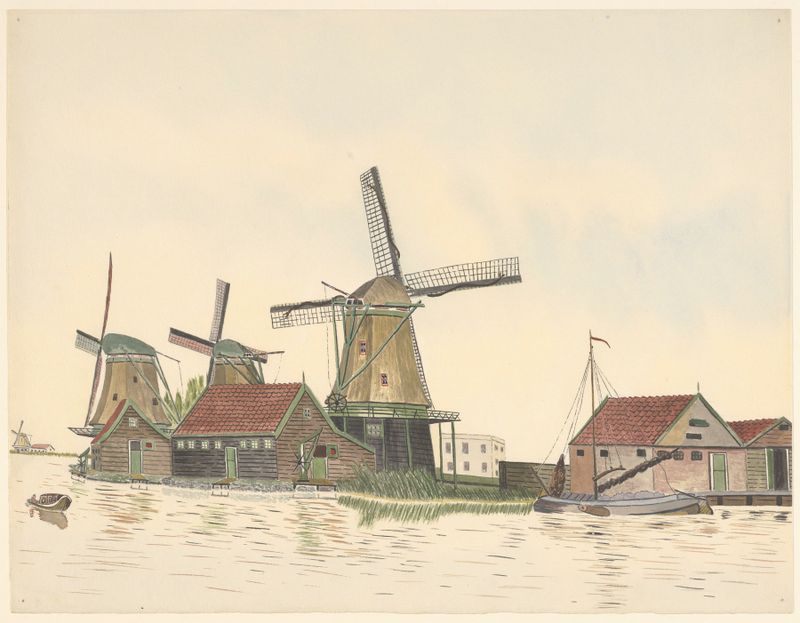
molens; De Ooievaar; De Windhond; De Gans, Kalverringdijk
Johannes Nicolaas Eijman
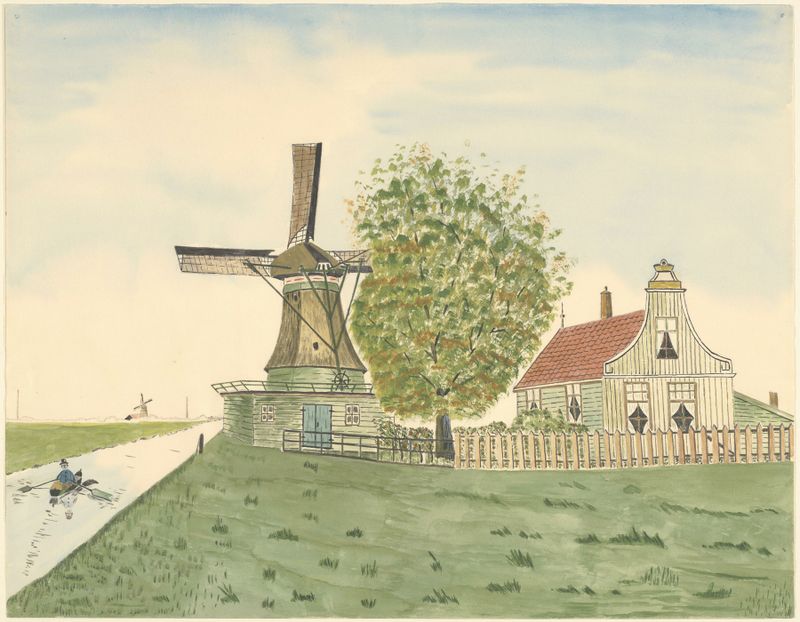
molens; houtzaagmolen De Haan
Johannes Nicolaas Eijman





