
Molen met trap — History & Facts
Can paint confess what words never could? In Molen met trap, faith is woven into the fabric of the scene, whispering the silent stories of those who lingered beneath the mill's sweeping sails. Look to the left at the robust wooden structure of the windmill, its weathered texture telling tales of time and toil. Notice how the subtle interplay of light illuminates the staircase, drawing your eye upward, as if urging a ascent towards hope. The muted palette of earthy browns and soft greens envelops the mill, grounding it in the landscape, while hints of blue in the sky evoke a sense of calmness, inviting contemplation. Peering closer, one can discern the delicate interplay of shadow and light that reveals a deeper narrative.
The staircase, both an invitation and a barrier, represents the journey of faith — the struggle to reach higher ground amidst the weight of the world. The solitary windmill stands as a steadfast sentinel, juxtaposing the ephemeral nature of life against the durability of belief, embodying the human spirit's quest for meaning. Willem Adrianus Grondhout painted Molen met trap during a period of personal introspection and artistic maturation between 1888 and 1934. As he navigated the shifting tides of the Netherlands Art scene, marked by a movement towards realism and a focus on the relationship between humanity and nature, he sought to capture both the physical and spiritual landscapes of his surroundings.
This work reflects his dedication to portraying the resilience found in the everyday, a testament to faith enduring through the passage of time.
More Artworks by Willem Adrianus Grondhout
Browse all →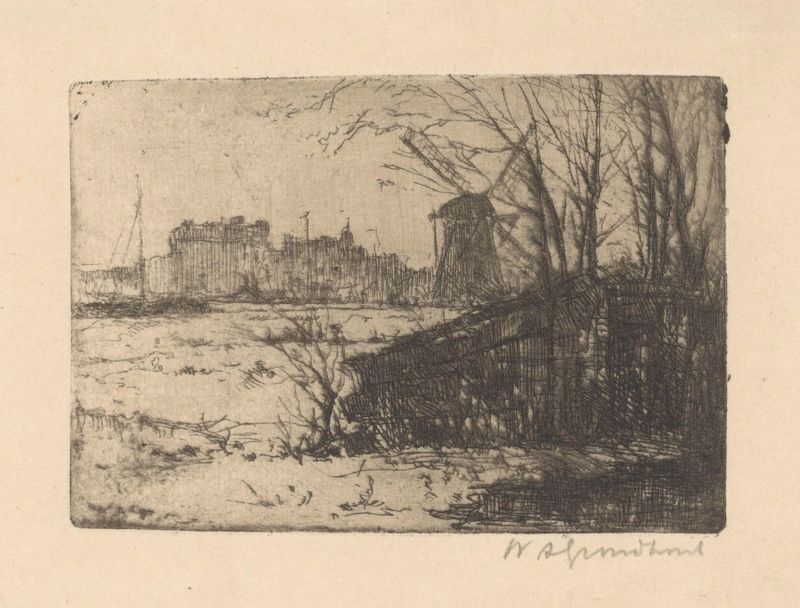
Landschap met molen in de Binckhorst in Den Haag
Willem Adrianus Grondhout
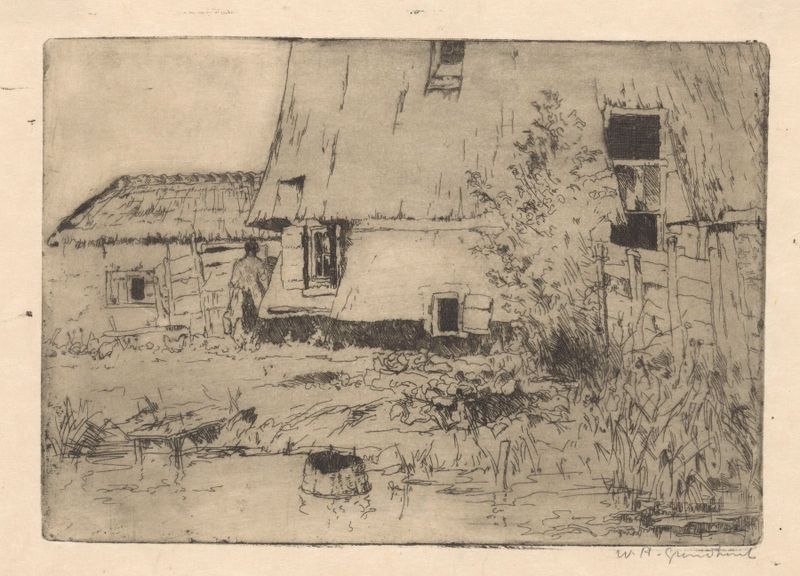
Voet van een molen in Voorburg
Willem Adrianus Grondhout
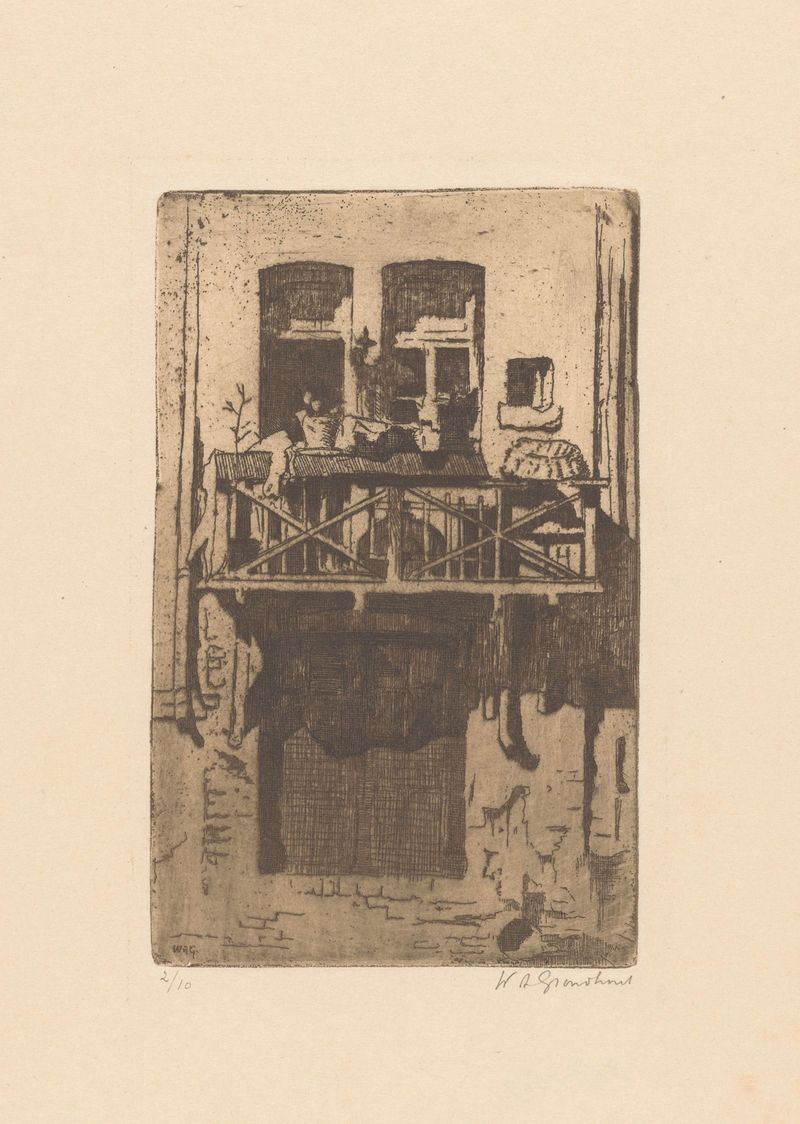
Balkon van een huis aan de Oudezijds Kolk in Amsterdam
Willem Adrianus Grondhout
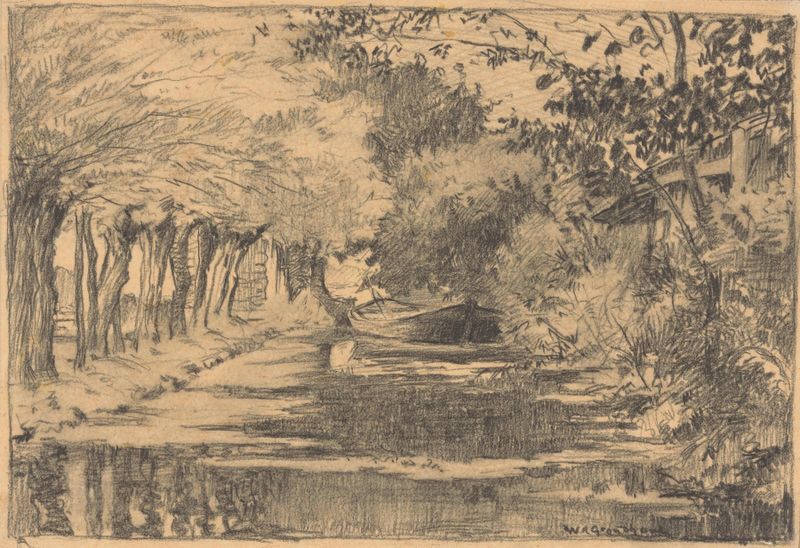
Broeksloot bij Voorburg
Willem Adrianus Grondhout
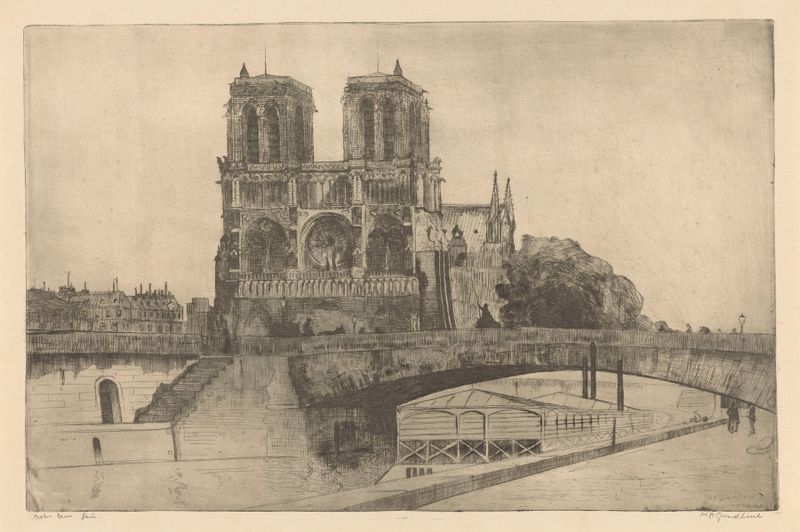
Notre-Dame, Paris
Willem Adrianus Grondhout
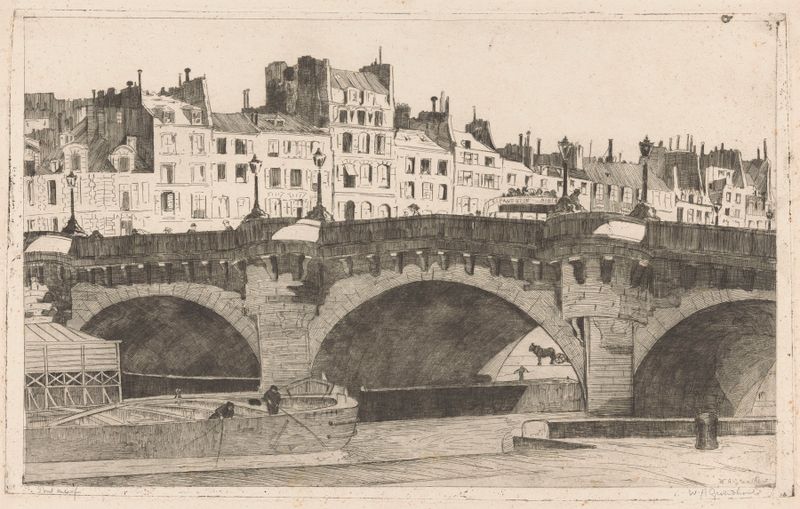
Pont Neuf
Willem Adrianus Grondhout
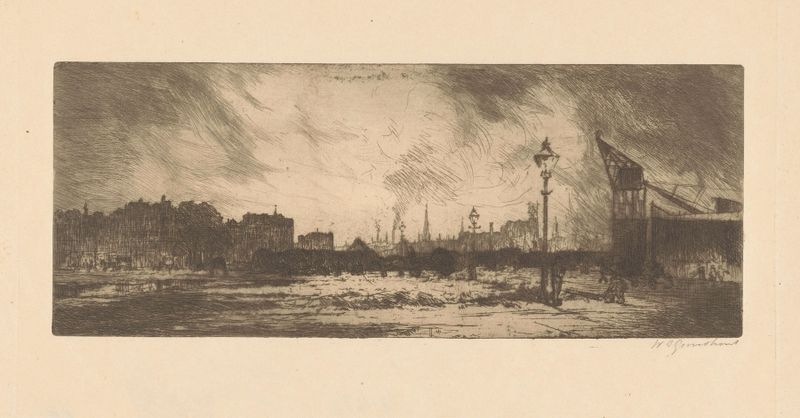
Havenkade met lantaarnpalen in Rotterdam
Willem Adrianus Grondhout
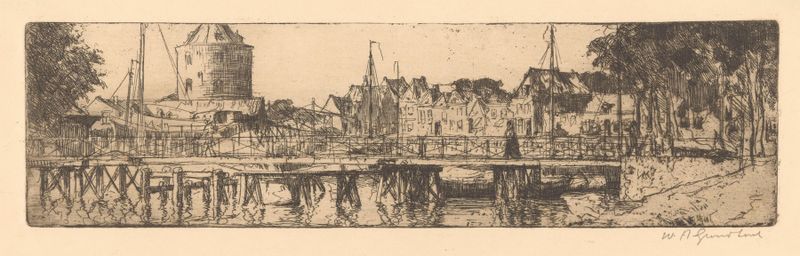
Enkhuizen
Willem Adrianus Grondhout
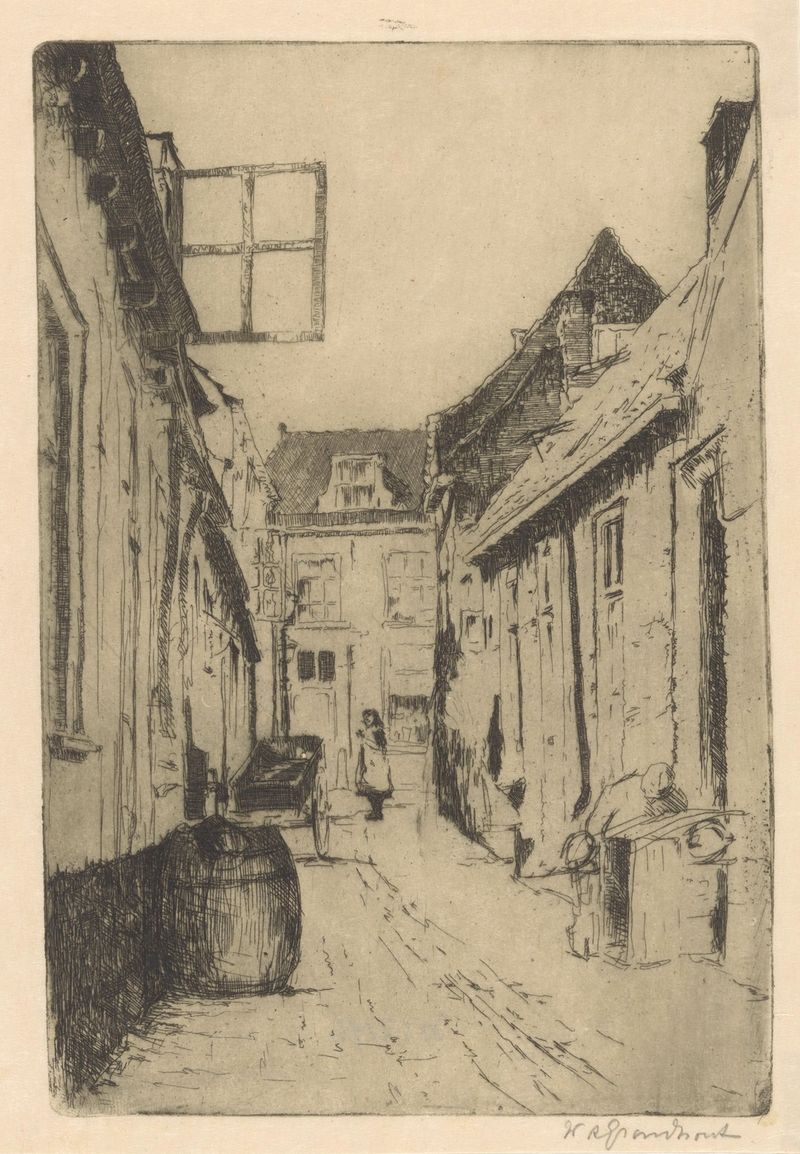
Straatje in Voorburg.
Willem Adrianus Grondhout
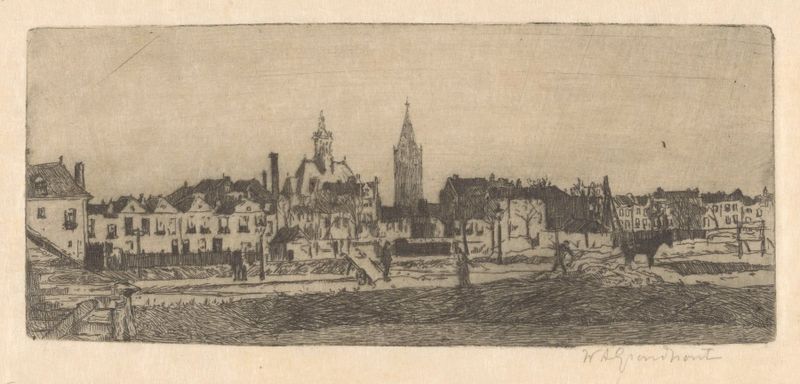
Delft
Willem Adrianus Grondhout





