
molen; oliemolen De Nachtegaal aan het Karnemelkspad — History & Facts
In the stillness of this landscape, the weight of unspoken truths hangs palpably in the air. The image of a windmill standing sentinel speaks not just of rural life, but of the deeper, often hidden betrayals woven into the fabric of existence. Look to the left at the gentle curve of the path that guides the viewer’s gaze toward the majestic windmill. Notice the mastery of light as it dances across the blades, casting intricate shadows that echo the complexities of human relationships.
The muted colors—earthy browns and greens—evoke a sense of nostalgia but also a contemplative stillness, hinting at a world where time seems suspended between what is said and what is felt. Within the composition lies a poignant tension, where the windmill becomes a metaphor for endurance in the face of betrayal, its steady presence juxtaposed with the potential for hidden fracture. The soft ripples of the water mirror the landscape's serenity, yet also suggest movement—a reminder of the ever-shifting emotions beneath the surface. The almost oppressive tranquility of the scene invites introspection, urging viewers to ponder the quiet betrayals that may reside close to home. During the late 1930s, while residing in the Netherlands, the artist found himself amidst a climate of artistic exploration and upheaval.
This period was marked by a surge in Dutch landscape painting, as many sought to capture the essence and beauty of their homeland against a backdrop of political tension in Europe. It was a time that not only shaped his oeuvre but also reflected broader societal shifts, where beauty and betrayal coexisted silently, waiting to be understood.
More Artworks by Johannes Nicolaas Eijman
Browse all →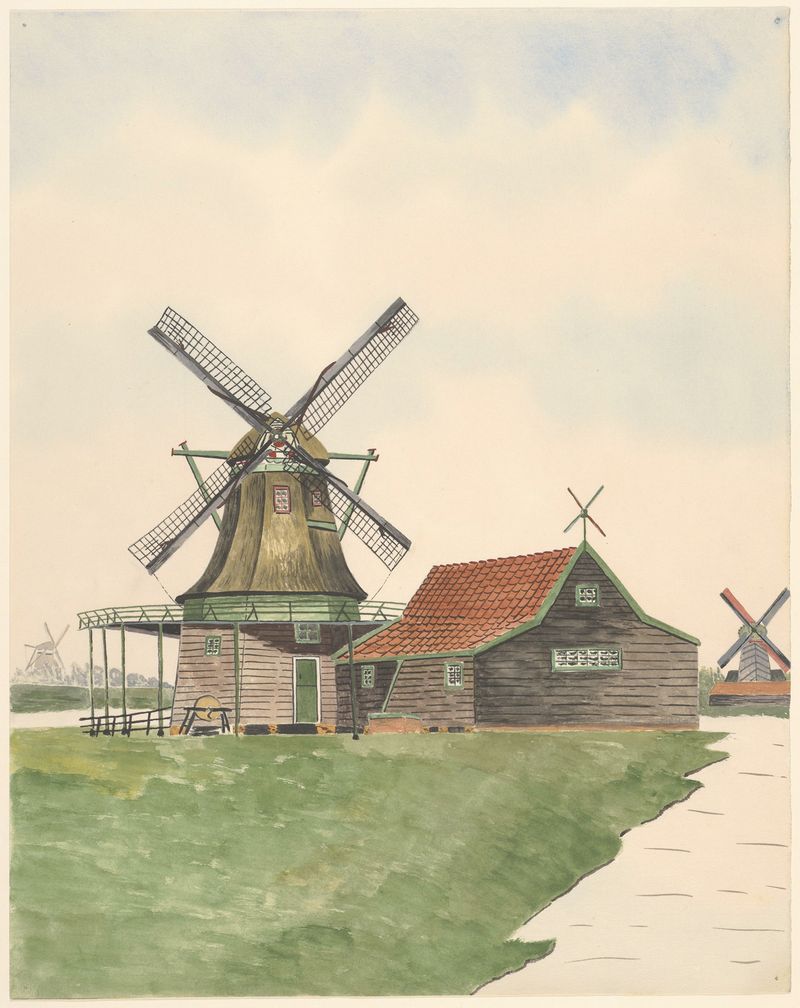
molens; oliemolen De Olievos, aan de Papenpadsloot, gesloopt 1878
Johannes Nicolaas Eijman
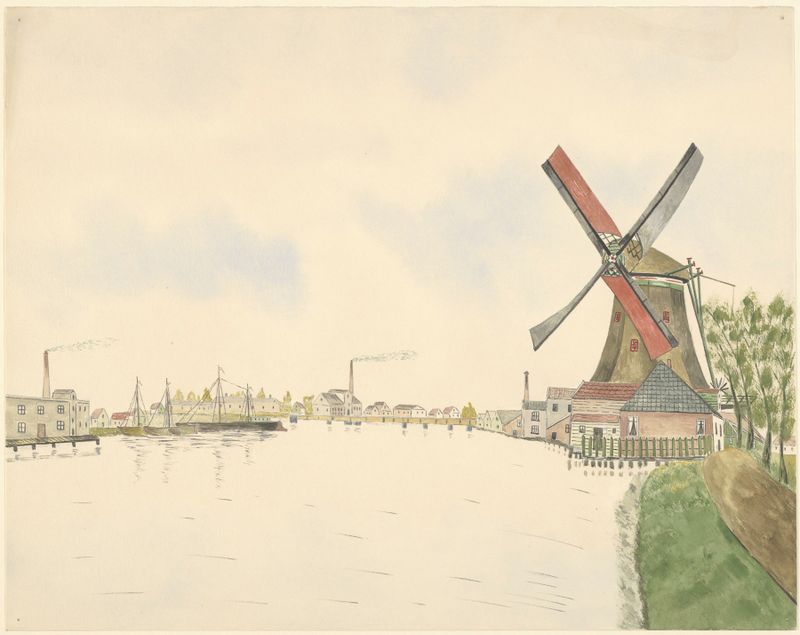
molens; meelmolen De Koker
Johannes Nicolaas Eijman

Papiermolen de Eendracht aan de westzijde van het Zaandammerpad, Wormer
Johannes Nicolaas Eijman
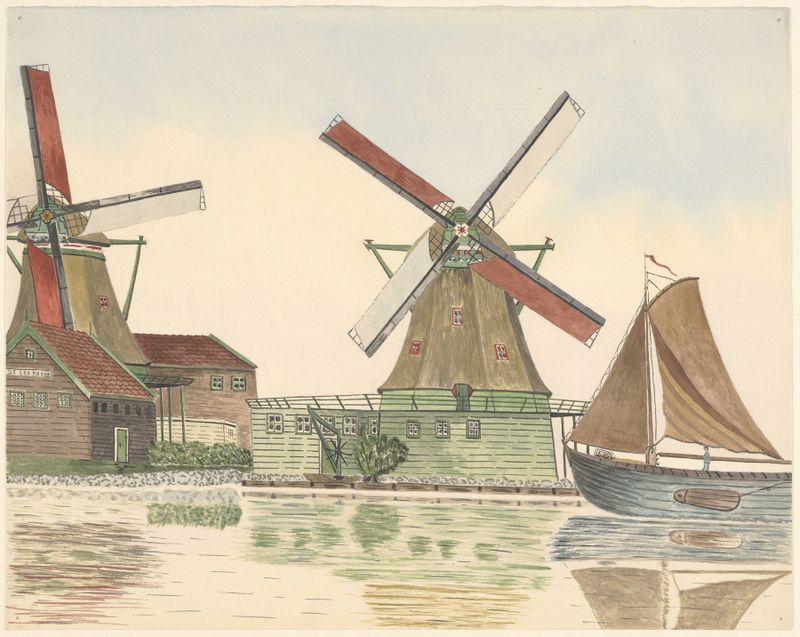
molens; oliemolen De Oude-Zwan, aan de Kalverpoel
Johannes Nicolaas Eijman
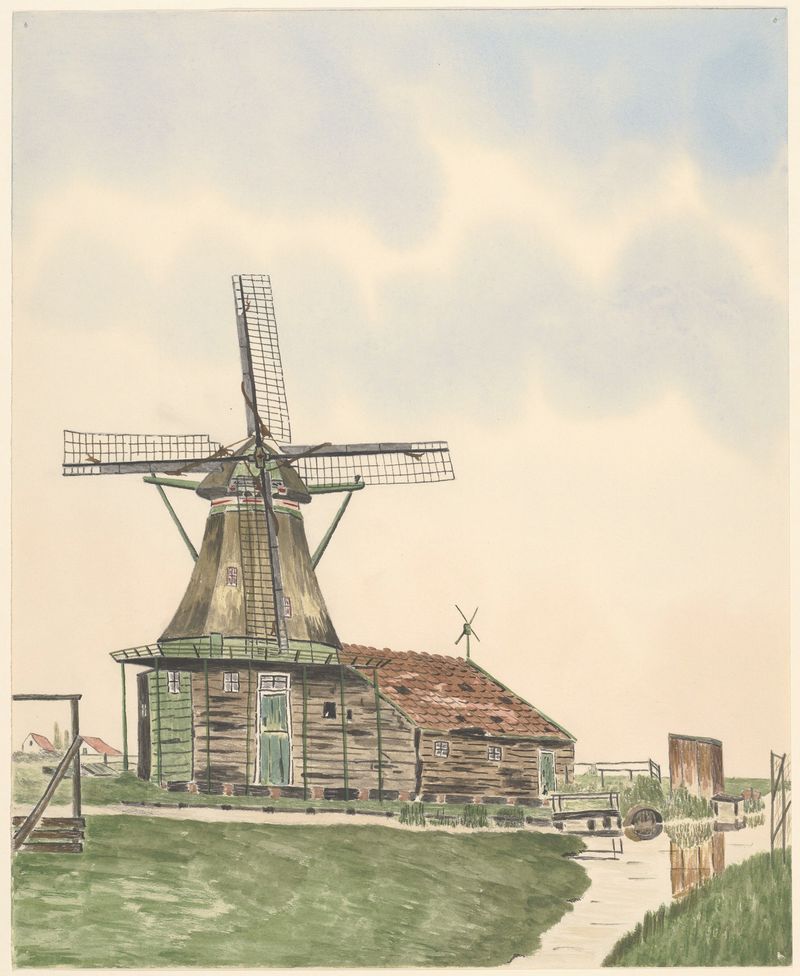
molens; oliemolen Het Oude-Honingvat, Oostzijderveld
Johannes Nicolaas Eijman
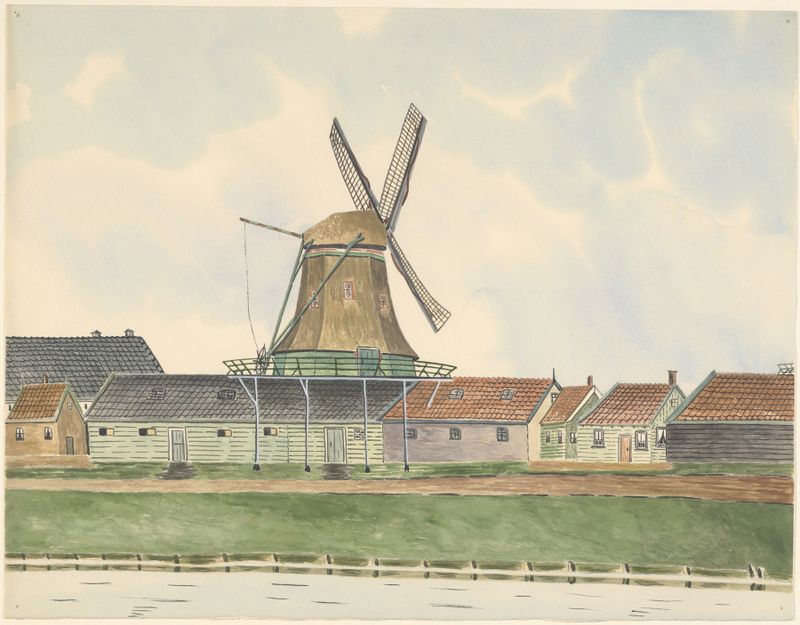
molen; oliemolen Het Witte-Paard aan het Zaandijkerwegje, 1893 gesloopt
Johannes Nicolaas Eijman

Op de voorgrond rechts doppenmolen De Prolpot aan de Hemmes, op de achtergrond links twee andere molens
Johannes Nicolaas Eijman
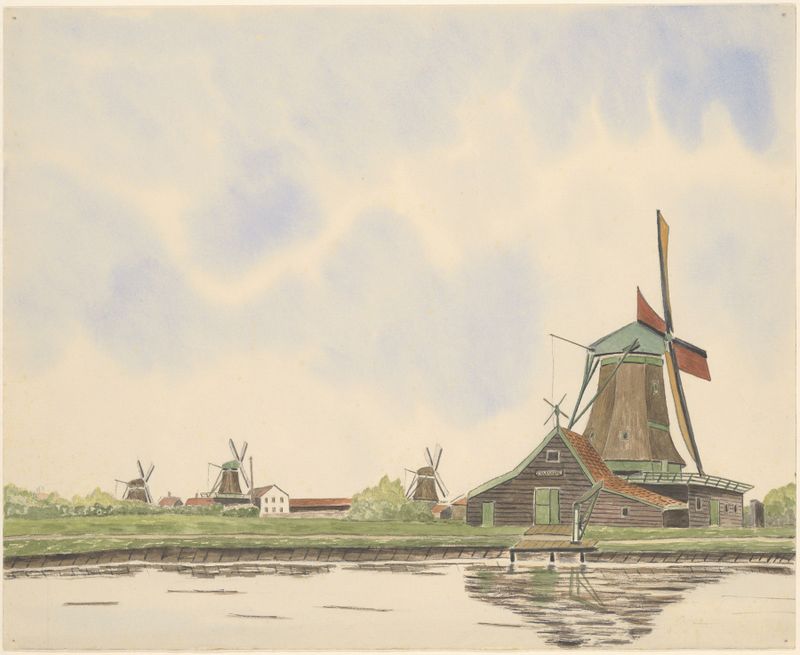
Oliemolen De Kerkuil aan de Zaan, met drie molens op de achtergrond. De Kerkuil stond binnendijks, tegenover de Wormerveerderkerk; afgebroken ca. 1892
Johannes Nicolaas Eijman
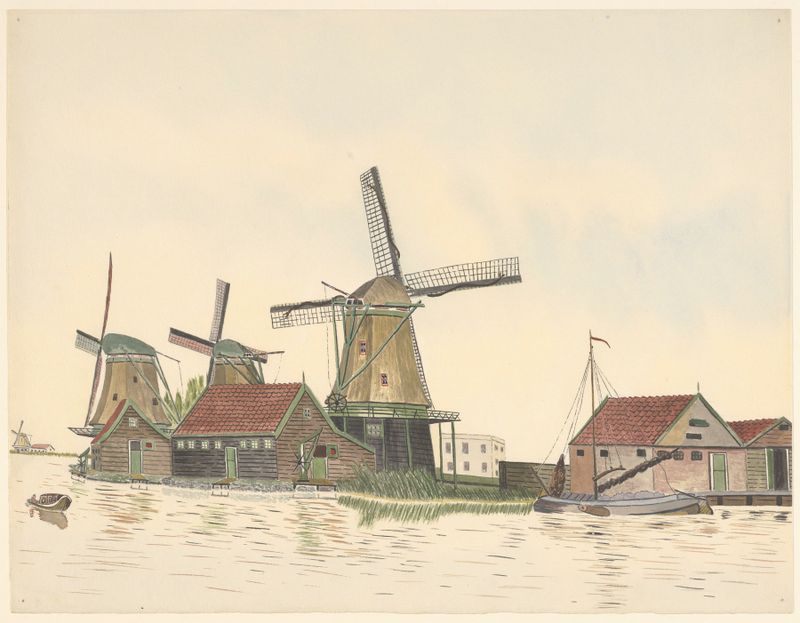
molens; De Ooievaar; De Windhond; De Gans, Kalverringdijk
Johannes Nicolaas Eijman
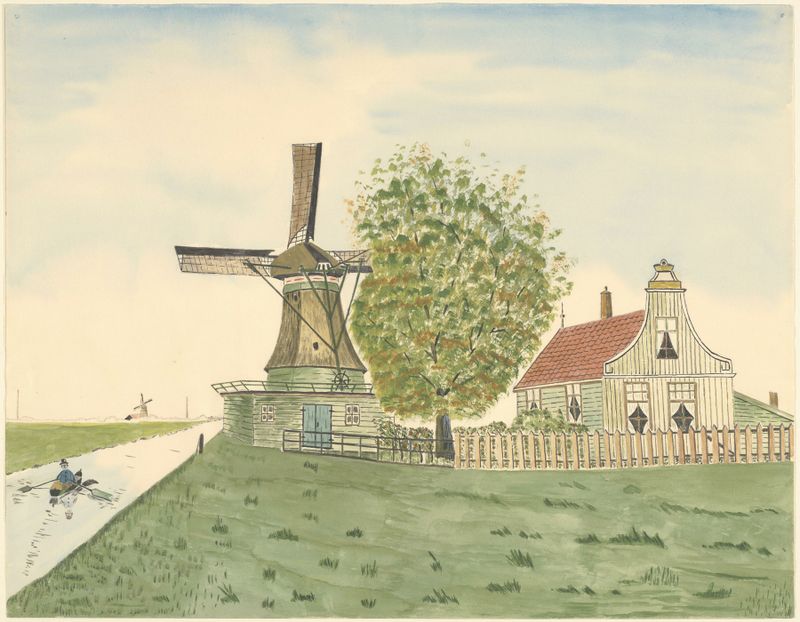
molens; houtzaagmolen De Haan
Johannes Nicolaas Eijman





