
molens; De Krijthengst — History & Facts
Could beauty survive in a century of chaos? In the work of Johannes Nicolaas Eijman, that question lingers like an echo in the wind. Molens, with its intricate depiction of windmills, invites us to ponder an obsession with nature amidst the turmoil of the early 20th century. Each brushstroke resonates with the tension between industrial progress and the pastoral beauty of the Dutch landscape. Look to the left at the majestic windmill, its sweeping sails almost dancing in a gentle breeze.
The warm hues of ochre and green create a harmonious balance, drawing the eye to the delicate interplay of light and shadow across the fields. Eijman's meticulous technique showcases a blend of realism and impressionism, where each blade of grass seems to quiver with life. Notice how the sky, painted in soft blues and whites, envelops the scene, imbuing it with a sense of tranquility that contrasts sharply with the anxieties of the time. At a deeper level, the windmill becomes a symbol of resilience, standing steadfast against the changing landscape of a world on the brink of upheaval.
The juxtaposition of the serene countryside against hints of encroaching industrialization evokes a silent struggle between tradition and progress. Each detail, from the rustic thatch of the roofs to the distant horizon, invites viewers to reflect on their own relationship with nature and the passage of time. Created between 1930 and 1940, Eijman painted this piece during a time marked by societal upheaval in Europe. The world grappled with the shadows of the Great Depression and the rise of totalitarian regimes.
As a Dutch artist, he found himself in a nation navigating both its rich artistic heritage and the challenges of modernization, making Molens a poignant commentary on the endurance of beauty amidst profound uncertainty.
More Artworks by Johannes Nicolaas Eijman
Browse all →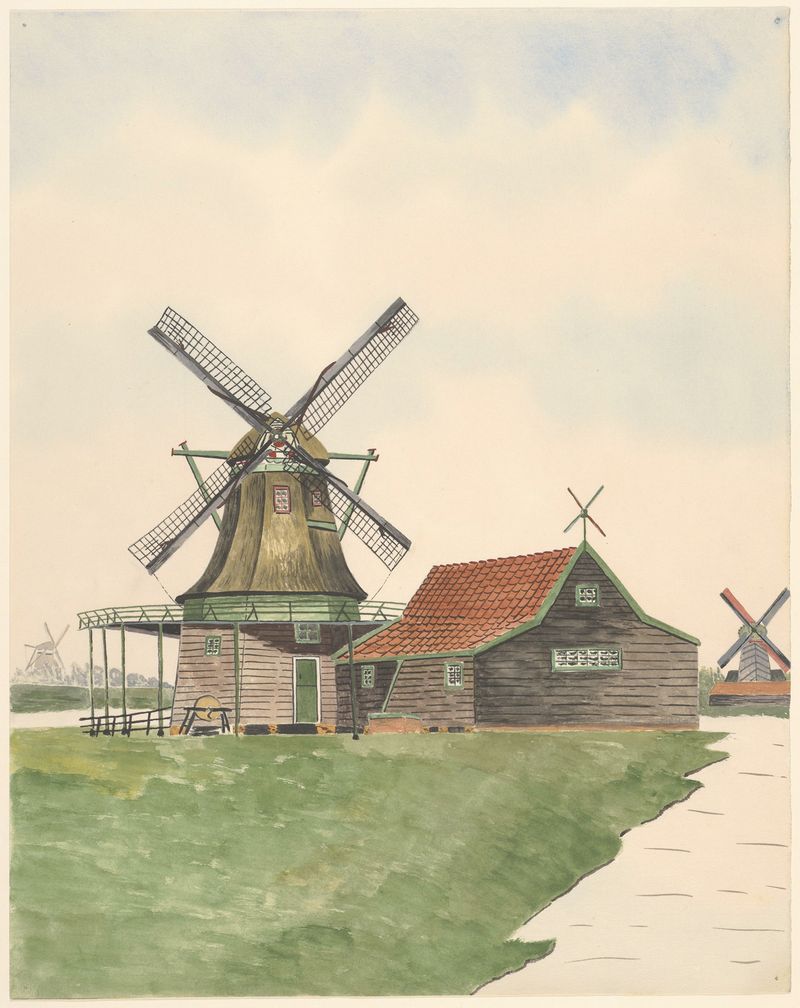
molens; oliemolen De Olievos, aan de Papenpadsloot, gesloopt 1878
Johannes Nicolaas Eijman
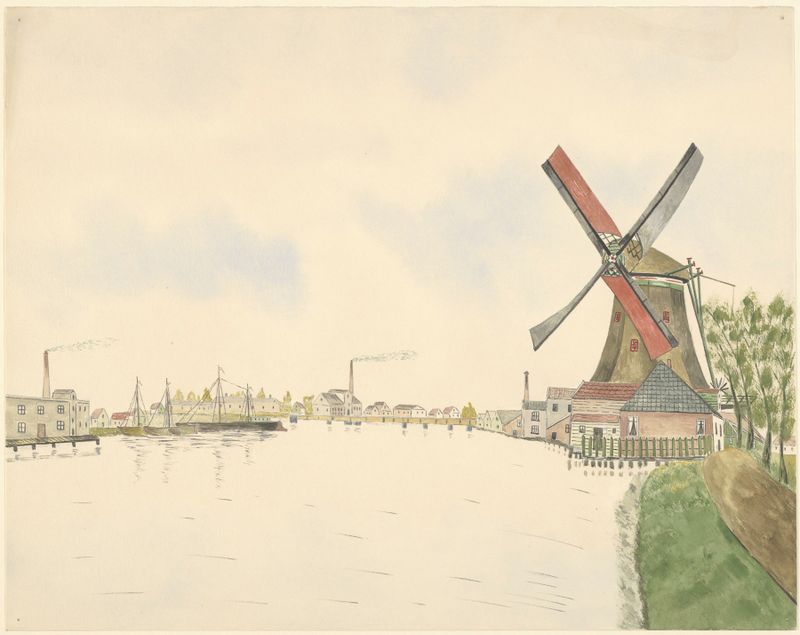
molens; meelmolen De Koker
Johannes Nicolaas Eijman

Papiermolen de Eendracht aan de westzijde van het Zaandammerpad, Wormer
Johannes Nicolaas Eijman
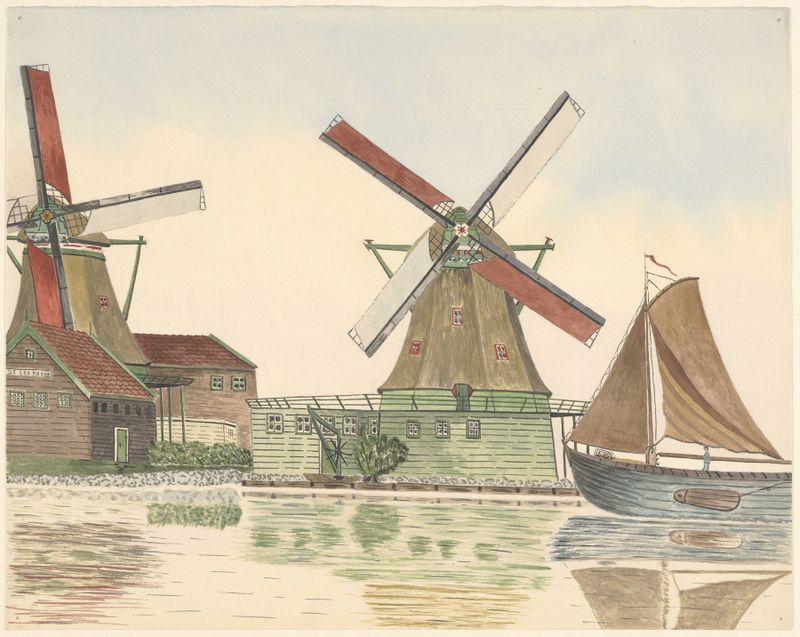
molens; oliemolen De Oude-Zwan, aan de Kalverpoel
Johannes Nicolaas Eijman
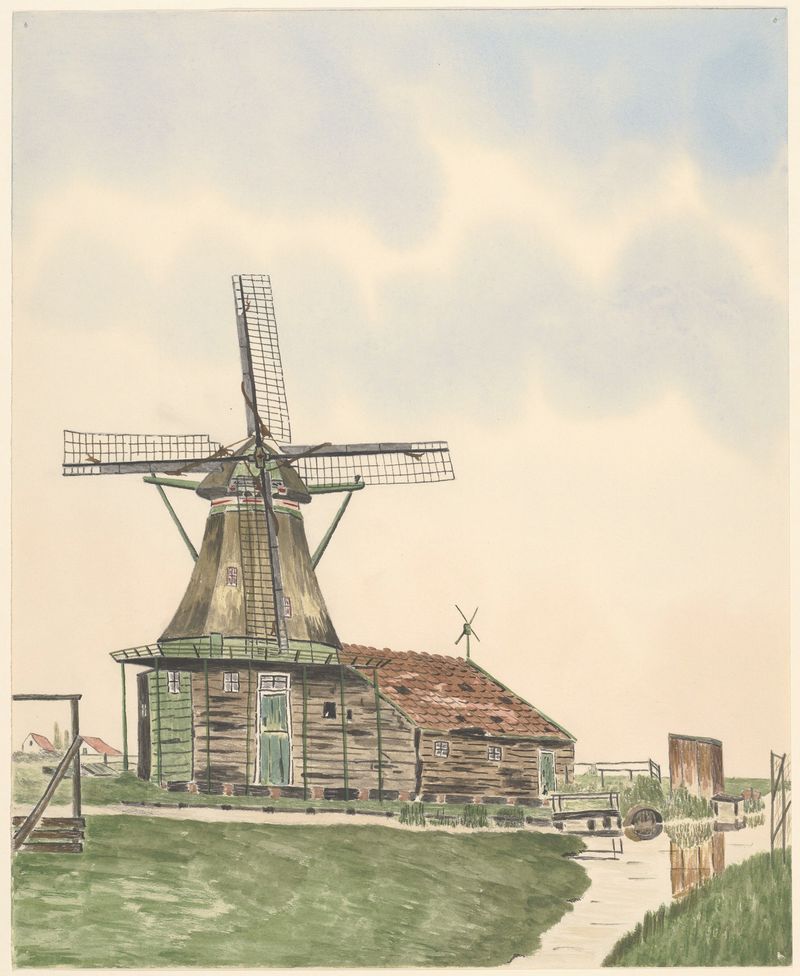
molens; oliemolen Het Oude-Honingvat, Oostzijderveld
Johannes Nicolaas Eijman
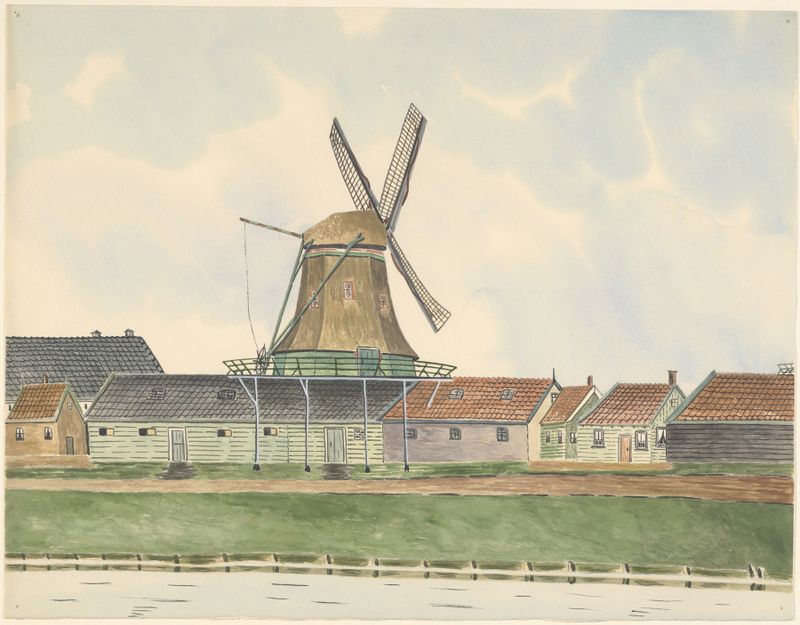
molen; oliemolen Het Witte-Paard aan het Zaandijkerwegje, 1893 gesloopt
Johannes Nicolaas Eijman

Op de voorgrond rechts doppenmolen De Prolpot aan de Hemmes, op de achtergrond links twee andere molens
Johannes Nicolaas Eijman
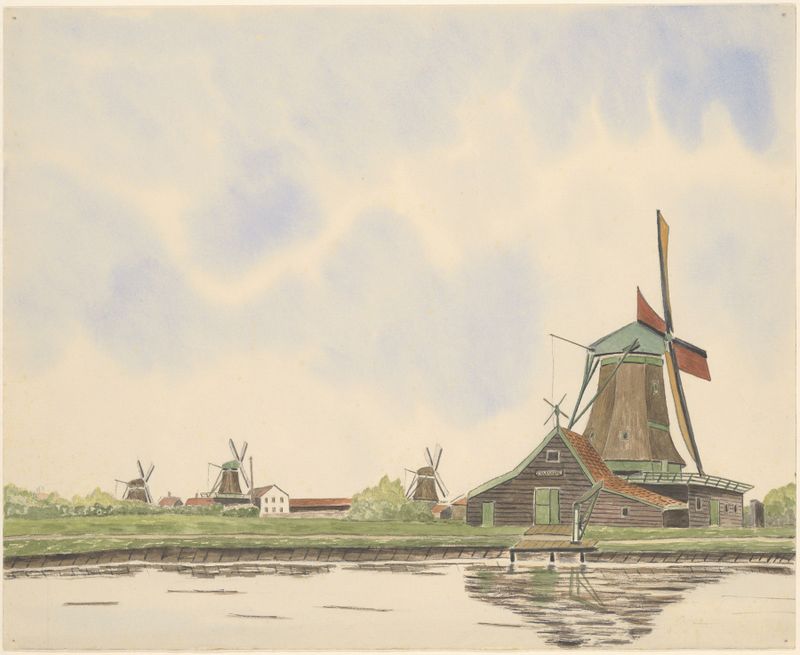
Oliemolen De Kerkuil aan de Zaan, met drie molens op de achtergrond. De Kerkuil stond binnendijks, tegenover de Wormerveerderkerk; afgebroken ca. 1892
Johannes Nicolaas Eijman
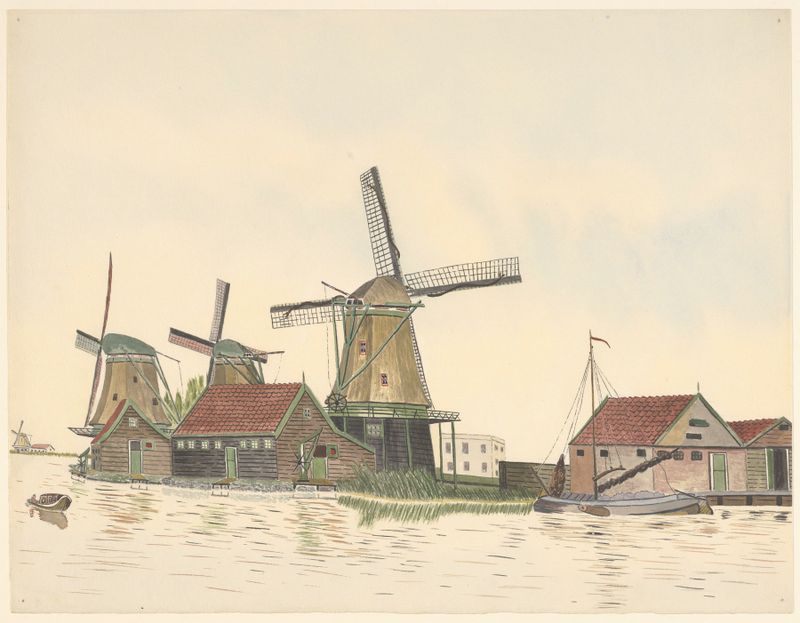
molens; De Ooievaar; De Windhond; De Gans, Kalverringdijk
Johannes Nicolaas Eijman
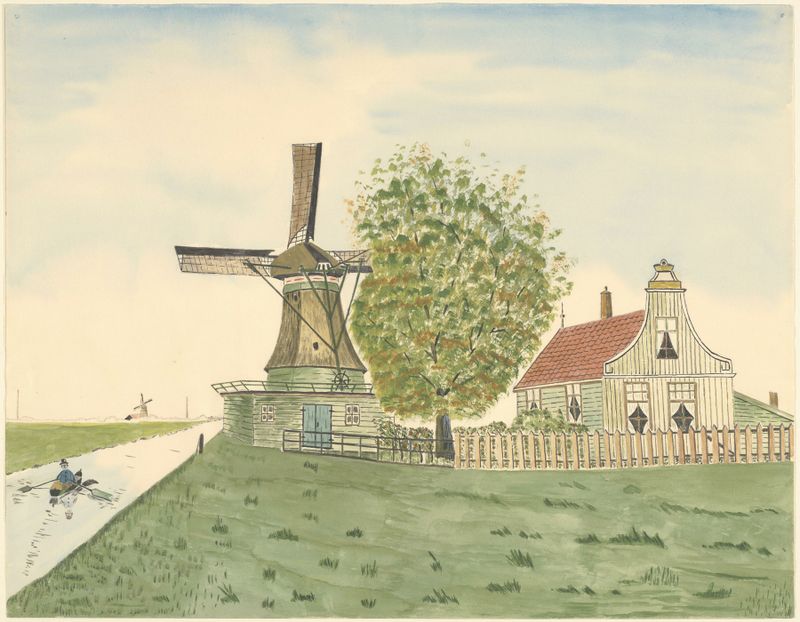
molens; houtzaagmolen De Haan
Johannes Nicolaas Eijman





