
molens; houtzaagmolen De Bonte-Arend — History & Facts
When did color learn to lie? In a world where every hue dances on the edge of reality, one might ponder the ecstasy hidden beneath the surface of the everyday. Look to the vibrant greens that fill the canvas, swirling with life and energy. The foreground showcases the robust form of the windmill, its wooden structure etched with intricate details; each beam seems to pulse under the weight of time. Notice how the light filters through the trees, illuminating the foliage and casting gentle shadows that playfully challenge the viewer’s sense of balance.
This composition expertly juxtaposes the stability of the windmill with the fluidity of the surrounding landscape, creating a tension between permanence and transience. Delve deeper into the contrasts within the piece—where the steadfastness of the mill meets the ephemeral nature of the clouds, swirling overhead like whispers of movement. The rich, saturated colors are a celebration, yet they hint at a longing for connection that transcends the physical. Each brushstroke bears witness to the artist’s emotional landscape, transforming the familiar into something more profound, evoking a sense of joy intertwined with nostalgia. Created during the turbulent years between 1930 and 1940, the artist painted this work in the Netherlands, a period marked by economic hardship and a growing tension in Europe.
Amidst these challenges, Eijman sought to capture the essence of his homeland, exploring themes of beauty and resilience. His ability to evoke emotional depth through color and form reflected both personal and societal aspirations for hope and renewal, making this artwork a testament to the strength of the human spirit.
More Artworks by Johannes Nicolaas Eijman
Browse all →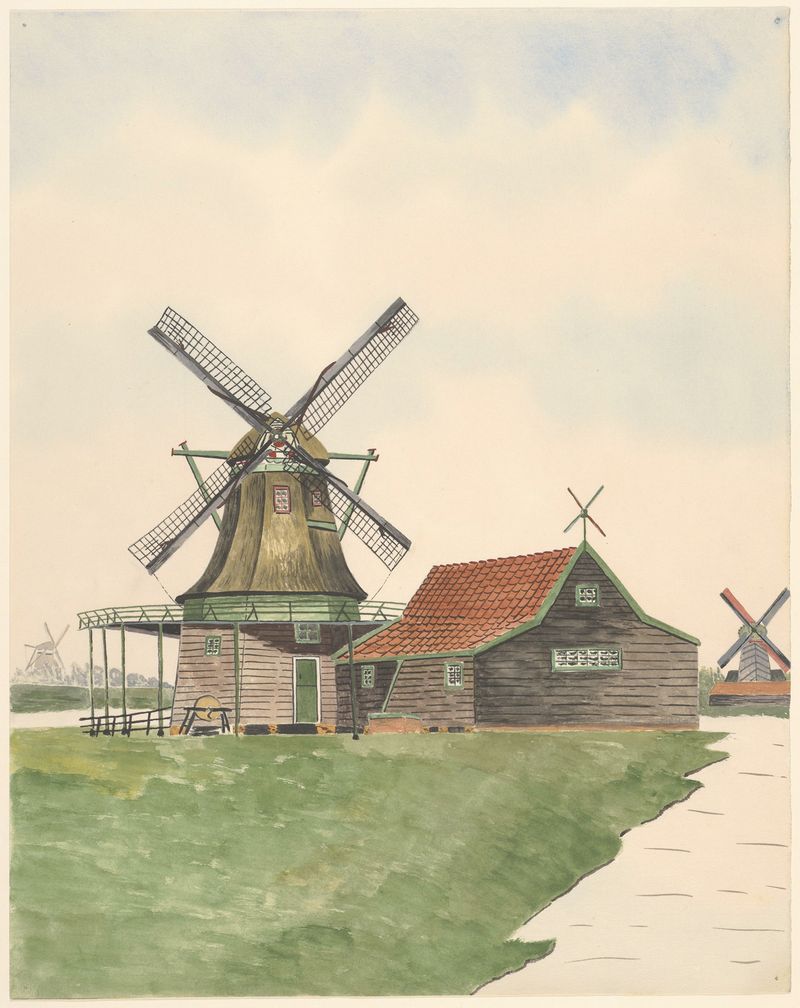
molens; oliemolen De Olievos, aan de Papenpadsloot, gesloopt 1878
Johannes Nicolaas Eijman
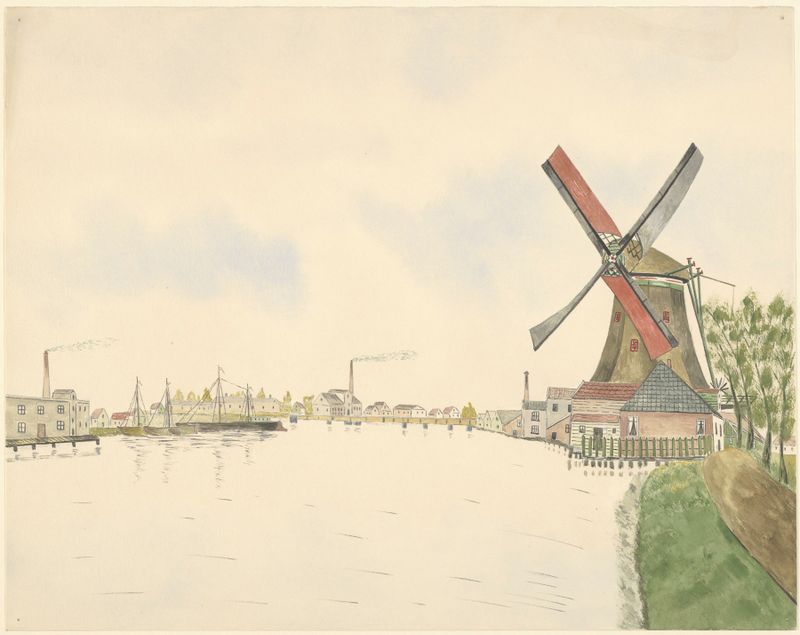
molens; meelmolen De Koker
Johannes Nicolaas Eijman

Papiermolen de Eendracht aan de westzijde van het Zaandammerpad, Wormer
Johannes Nicolaas Eijman
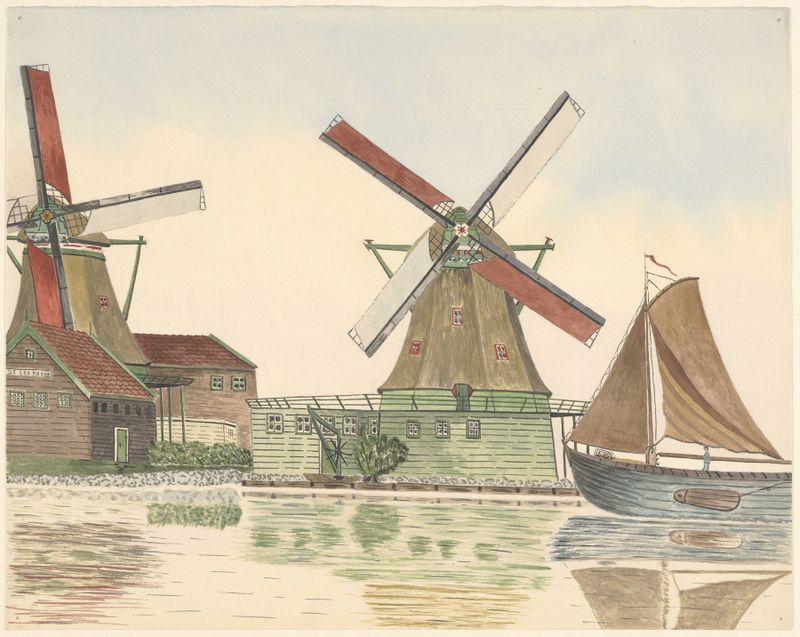
molens; oliemolen De Oude-Zwan, aan de Kalverpoel
Johannes Nicolaas Eijman
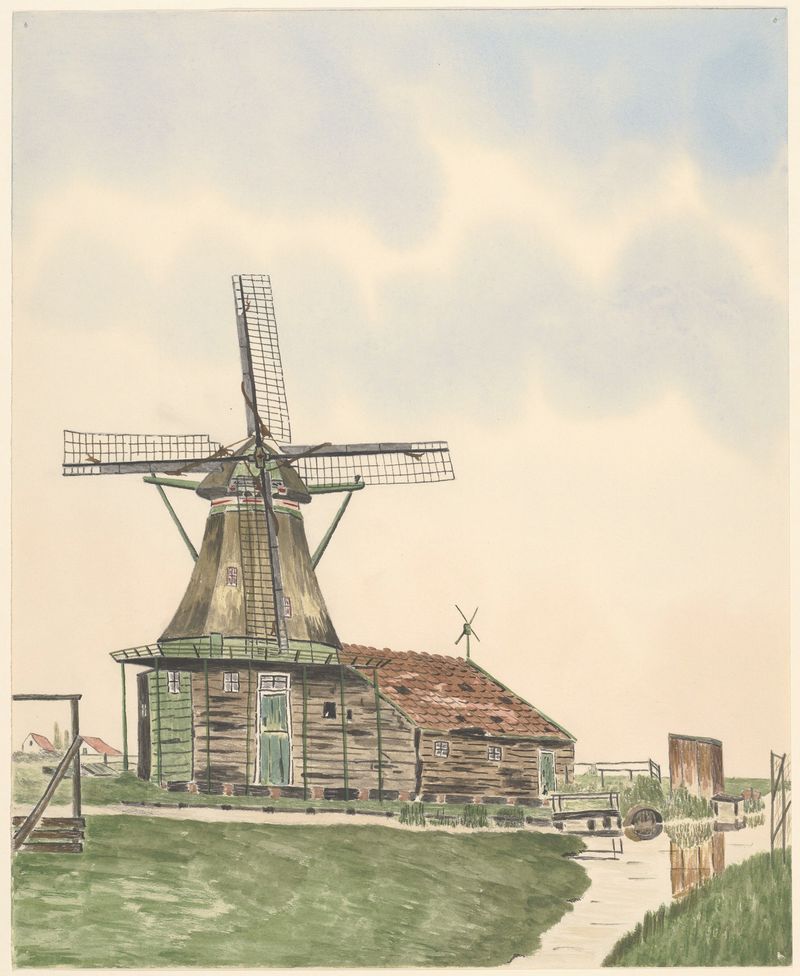
molens; oliemolen Het Oude-Honingvat, Oostzijderveld
Johannes Nicolaas Eijman
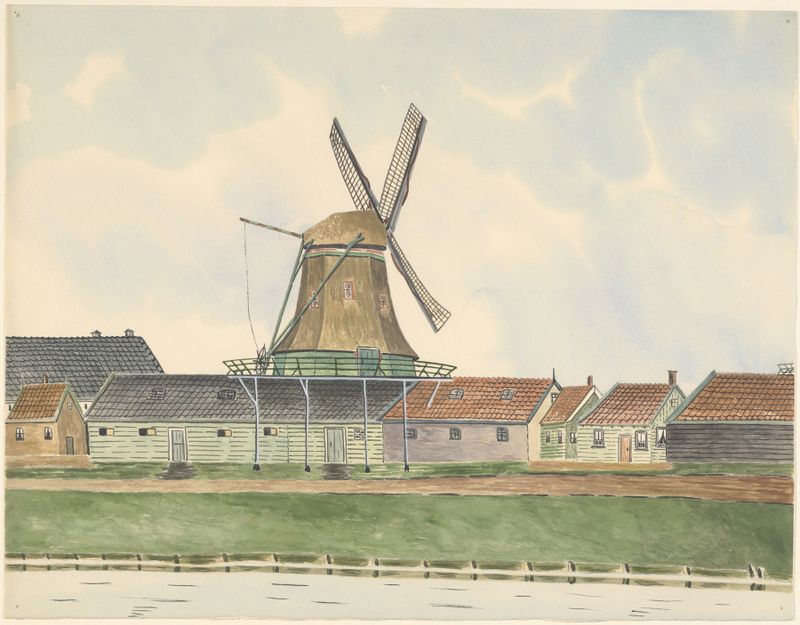
molen; oliemolen Het Witte-Paard aan het Zaandijkerwegje, 1893 gesloopt
Johannes Nicolaas Eijman

Op de voorgrond rechts doppenmolen De Prolpot aan de Hemmes, op de achtergrond links twee andere molens
Johannes Nicolaas Eijman
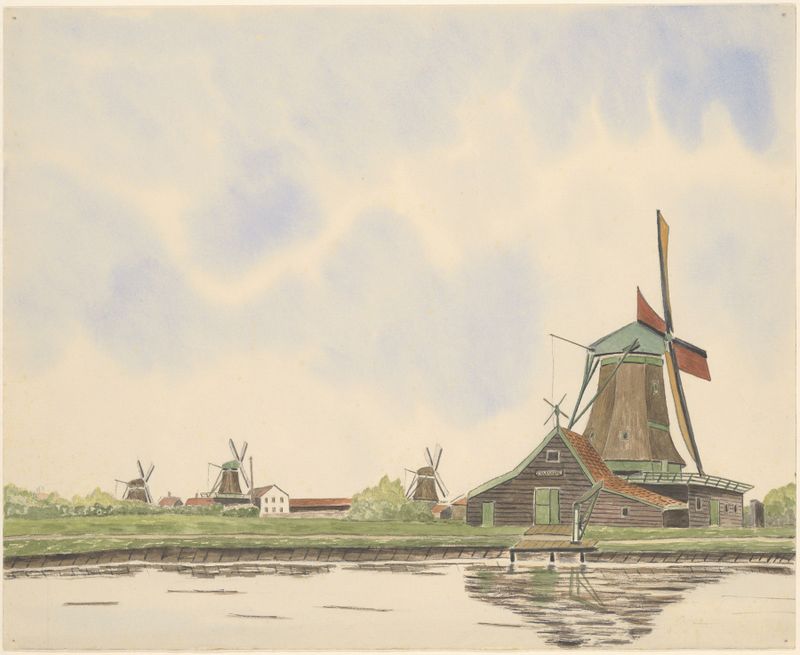
Oliemolen De Kerkuil aan de Zaan, met drie molens op de achtergrond. De Kerkuil stond binnendijks, tegenover de Wormerveerderkerk; afgebroken ca. 1892
Johannes Nicolaas Eijman
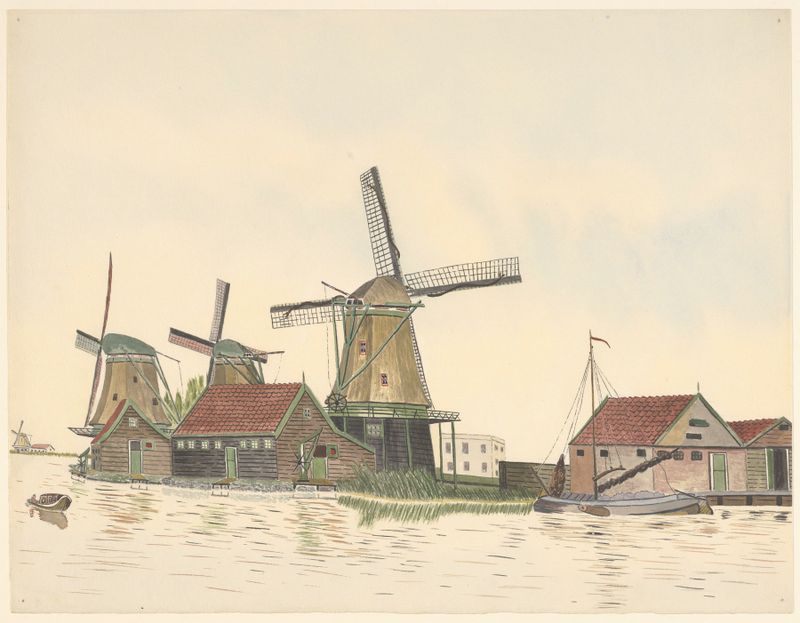
molens; De Ooievaar; De Windhond; De Gans, Kalverringdijk
Johannes Nicolaas Eijman
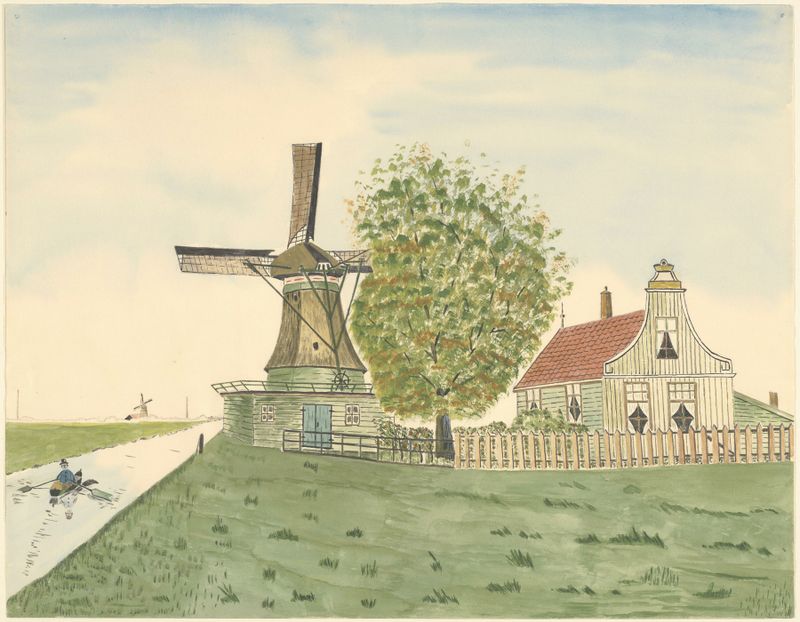
molens; houtzaagmolen De Haan
Johannes Nicolaas Eijman
More Architecture Art
Browse all →
The statue of Liberty
Frédéric Auguste Bartholdi

View of Houses in Delft, Known as ‘The Little Street’
Johannes Vermeer

View of Houses in Delft, Known as ‘The Little Street’
Johannes Vermeer

The Cathedral in Rouen. The portal, Grey Weather
Claude Monet

The yellow house
Vincent van Gogh

The Church in Auvers-sur-Oise, View from the Chevet
Vincent van Gogh