
molens; houtzaagmolen De Grauwe-Beer, Westzaandam, gesloopt 1893 — History & Facts
When did color learn to lie? In this poignant reflection of a bygone era, nostalgia bleeds through every brushstroke, inviting us to question the memories we hold dear. Look to the warm palette embracing the scene, where earthy browns and muted greens breathe life into the aged mill. The sturdy wooden structure stands resilient against an expansive sky, the clouds swirling above as if caught in a gentle gust of wind. Notice how the play of light highlights the intricate texture of the mill’s facade, each shadow telling a story of time’s passage.
The artist’s meticulous attention to detail draws your eye to the turning blades, a reminder of an industrious past that now feels distant and almost dreamlike. As the viewer delves deeper, the emotional weight of the scene becomes apparent. The abandoned mill, once a vibrant symbol of community and labor, now stands in serene solitude, evoking a sense of loss and yearning for what has vanished. The contrast between the vibrant colors and the stillness of the landscape encapsulates a bittersweet tension — a celebration of history intertwined with melancholy.
Each element serves as a vessel for collective memory, inviting introspection about progress and preservation. Between 1930 and 1940, Johannes Nicolaas Eijman painted this work during a time of reflection and change in the Netherlands. He was influenced by the shifting tides of modernity and the preservation of local heritage, as many traditional structures faced demolition in the face of urban development. This piece not only captures a moment in time but also resonates with the larger discourse surrounding memory and identity in a rapidly evolving society.
More Artworks by Johannes Nicolaas Eijman
Browse all →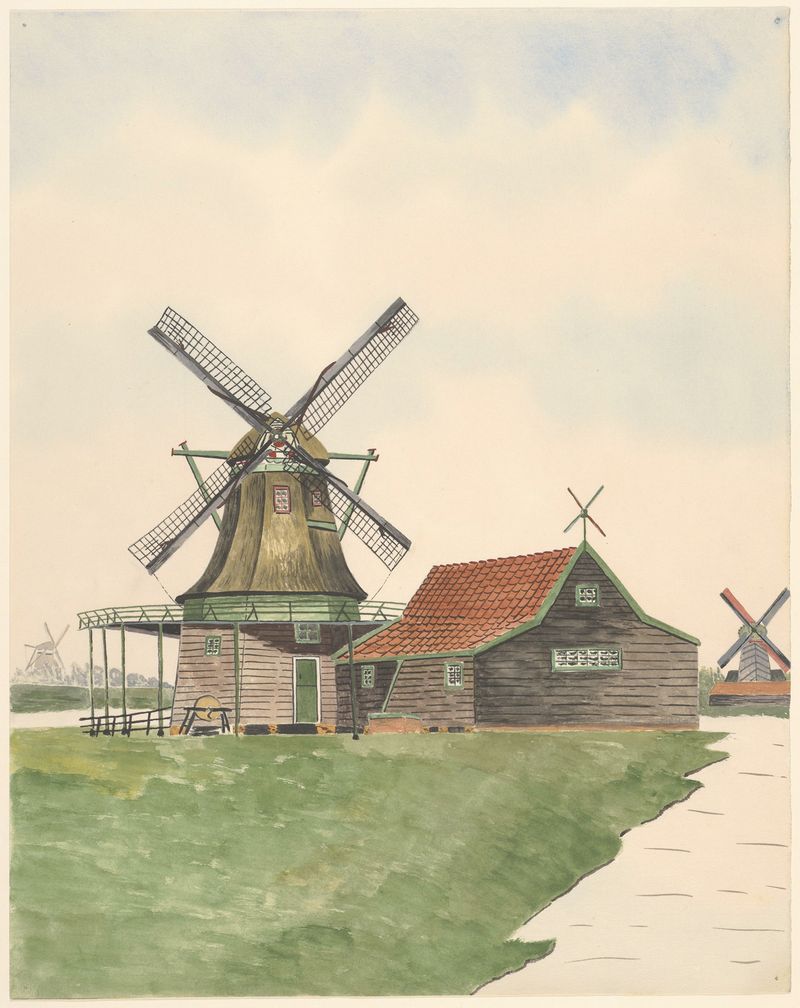
molens; oliemolen De Olievos, aan de Papenpadsloot, gesloopt 1878
Johannes Nicolaas Eijman
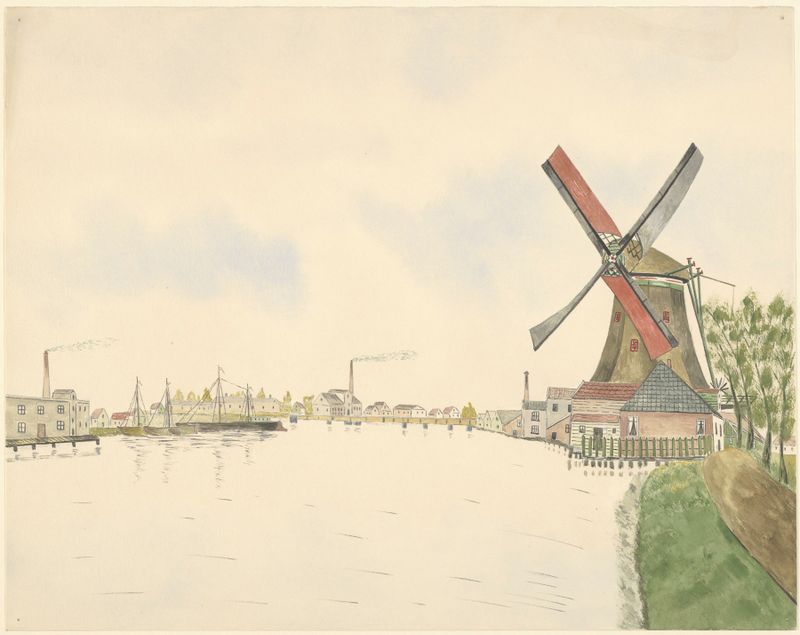
molens; meelmolen De Koker
Johannes Nicolaas Eijman

Papiermolen de Eendracht aan de westzijde van het Zaandammerpad, Wormer
Johannes Nicolaas Eijman
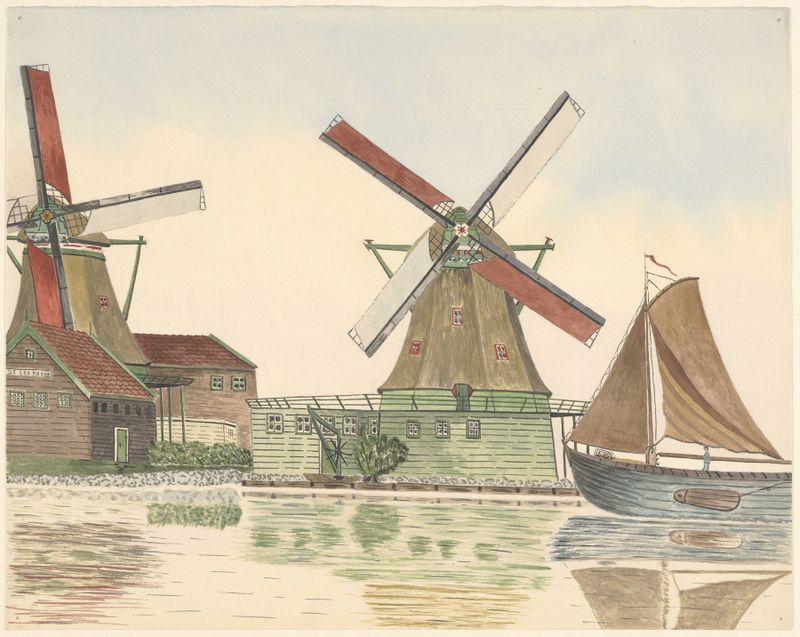
molens; oliemolen De Oude-Zwan, aan de Kalverpoel
Johannes Nicolaas Eijman
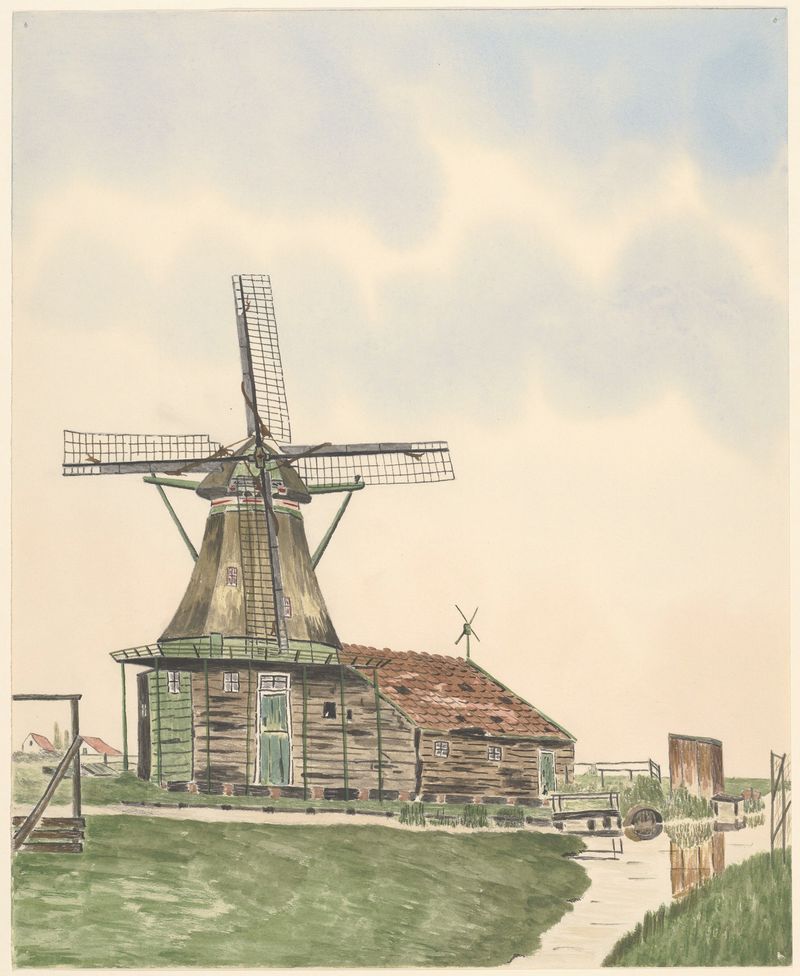
molens; oliemolen Het Oude-Honingvat, Oostzijderveld
Johannes Nicolaas Eijman
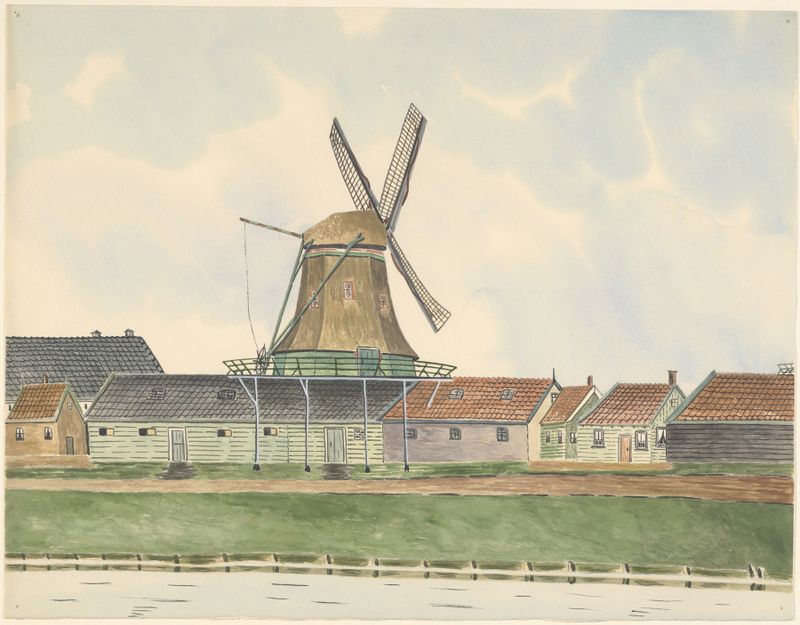
molen; oliemolen Het Witte-Paard aan het Zaandijkerwegje, 1893 gesloopt
Johannes Nicolaas Eijman

Op de voorgrond rechts doppenmolen De Prolpot aan de Hemmes, op de achtergrond links twee andere molens
Johannes Nicolaas Eijman
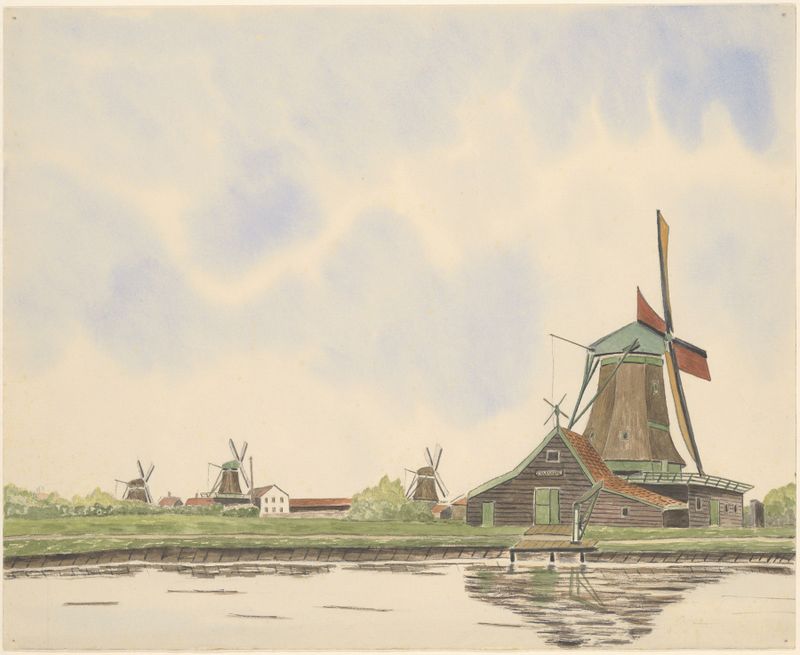
Oliemolen De Kerkuil aan de Zaan, met drie molens op de achtergrond. De Kerkuil stond binnendijks, tegenover de Wormerveerderkerk; afgebroken ca. 1892
Johannes Nicolaas Eijman
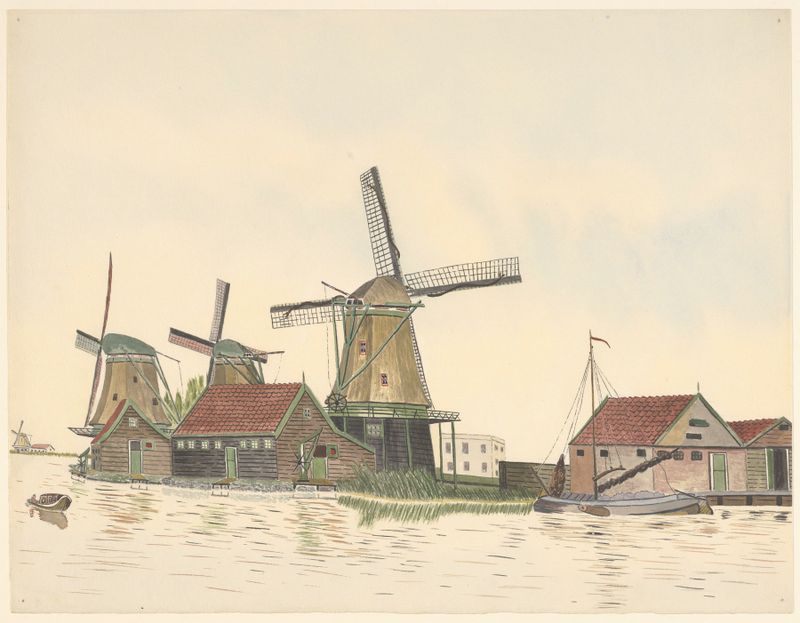
molens; De Ooievaar; De Windhond; De Gans, Kalverringdijk
Johannes Nicolaas Eijman
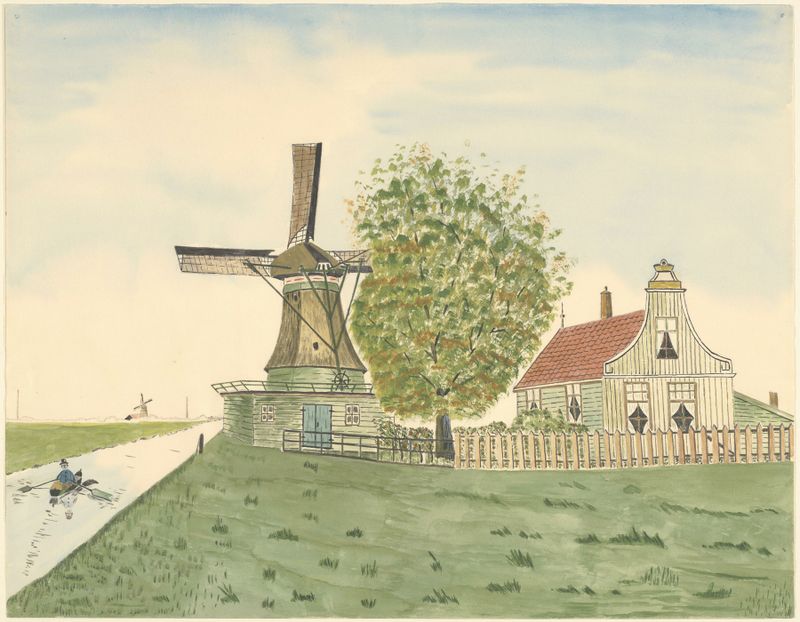
molens; houtzaagmolen De Haan
Johannes Nicolaas Eijman





