
molens; houtzaagmolen De Groenlandsche-Visscherij, Westzaandam, gesloopt 1893 — History & Facts
What if beauty was never meant to be finished? In the delicate rendering of molens; houtzaagmolen De Groenlandsche-Visscherij, Westzaandam, gesloopt 1893, a moment of creation and destruction intertwines, inviting contemplation about the fragility of existence. Look closely at the left side, where the wooden structure rises majestically against a cloud-streaked sky. The artist’s careful brushstrokes mimic the texture of aged wood, each grain telling a story of labor and time. The muted colors evoke a sense of nostalgia, while light dances across the sails, illuminating their intricate design and drawing your gaze upward.
This contrast between shadow and illumination encapsulates the duality of the windmill’s life—its purpose fulfilled and its eventual demise. Within the scene lies a profound tension: the beauty of human craftsmanship juxtaposed with the inevitability of decay. The soft blues and earthy browns resonate with the tranquility of the landscape, yet they simultaneously hint at loss, as the windmill stands as a monument to a bygone era. Each detail—the worn edges of the sails, the stillness of the water—whispers the story of a life once vibrant, now silenced.
It raises questions of impermanence and invites a reflection on what it means to create meaning in a world where even the grandest constructions fade. Created during a period of industrial change, the artist produced this work at a time when traditional crafts faced modernization. The late 19th century in the Netherlands was marked by shifts toward mechanization, which threatened the existence of such windmills. This painting reflects not just an artistic endeavor but also a historical moment, capturing a fading beauty and the impact of progress on cultural heritage.
More Artworks by Johannes Nicolaas Eijman
Browse all →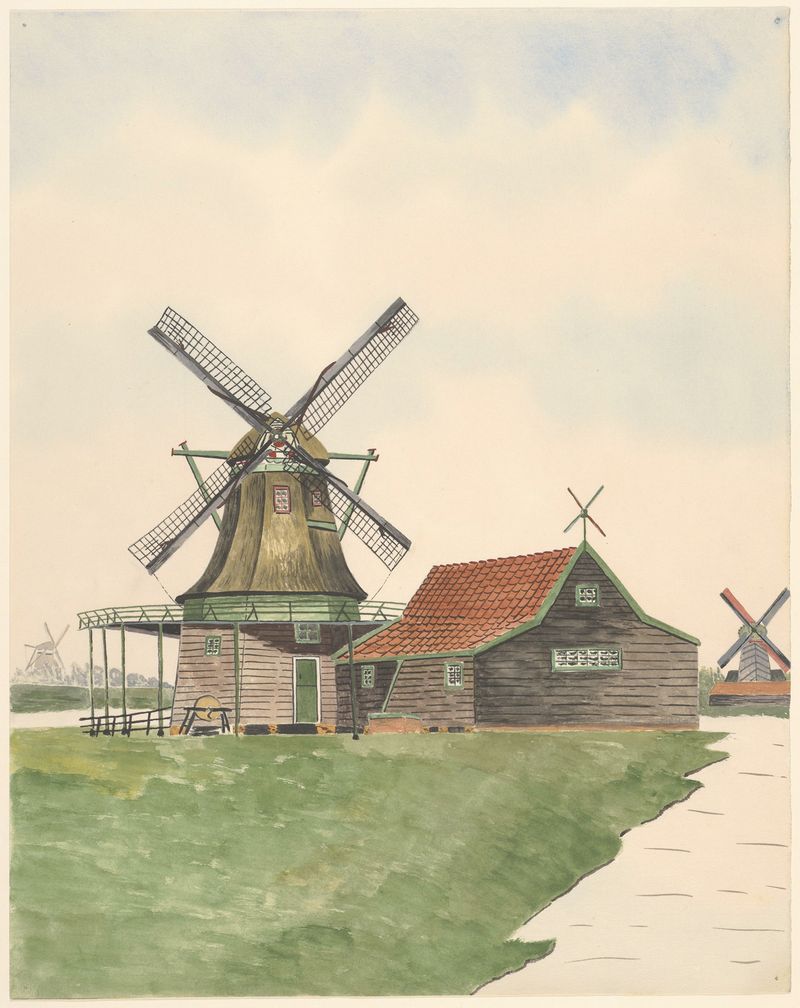
molens; oliemolen De Olievos, aan de Papenpadsloot, gesloopt 1878
Johannes Nicolaas Eijman
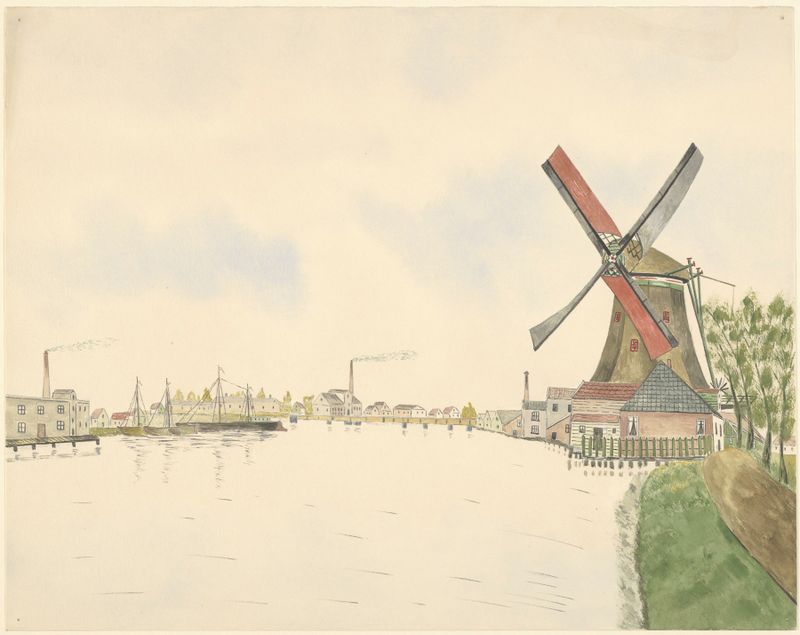
molens; meelmolen De Koker
Johannes Nicolaas Eijman

Papiermolen de Eendracht aan de westzijde van het Zaandammerpad, Wormer
Johannes Nicolaas Eijman
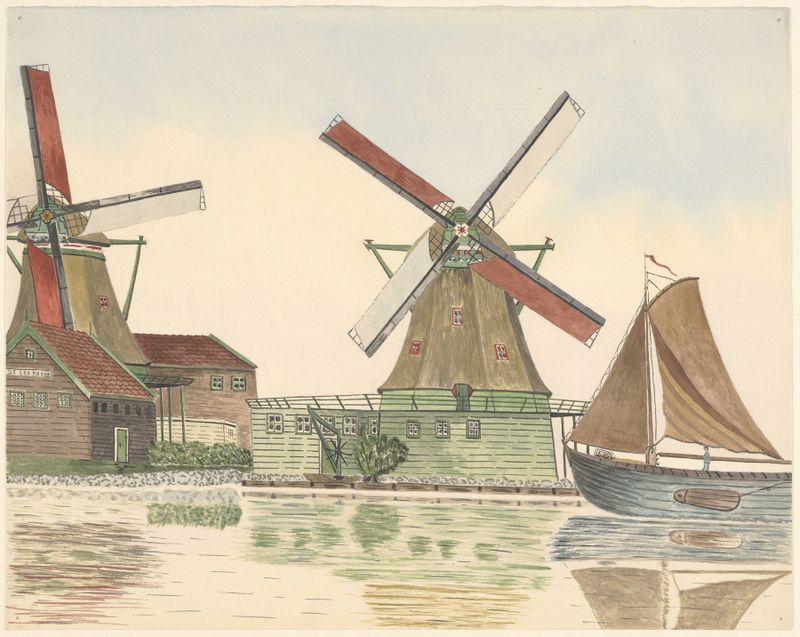
molens; oliemolen De Oude-Zwan, aan de Kalverpoel
Johannes Nicolaas Eijman
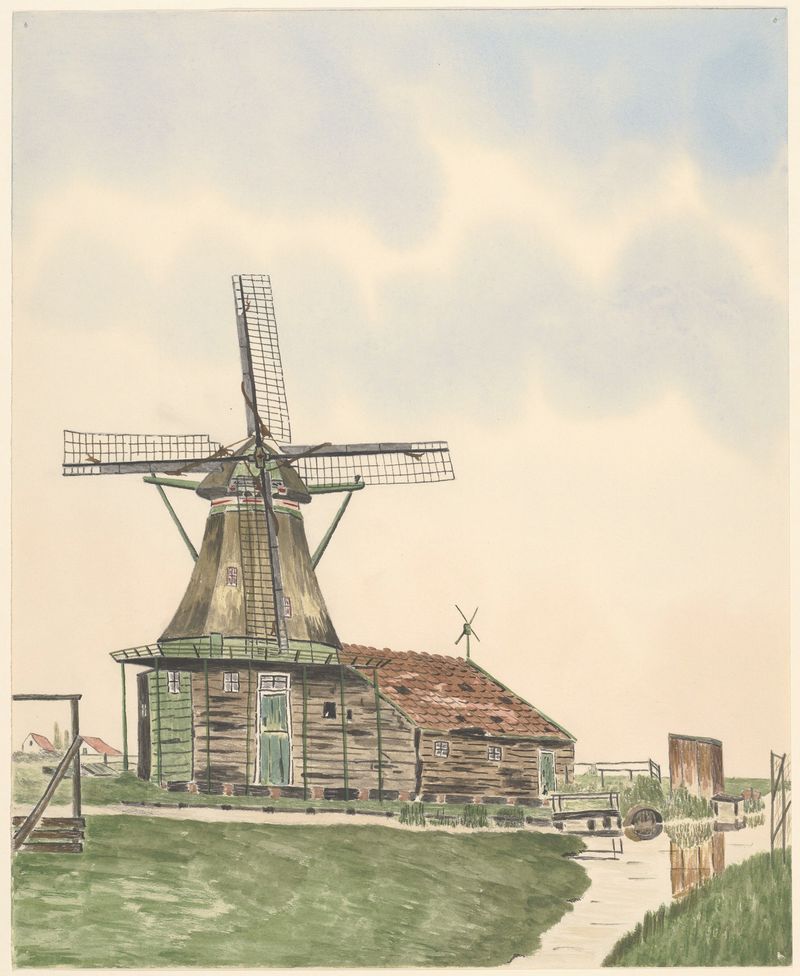
molens; oliemolen Het Oude-Honingvat, Oostzijderveld
Johannes Nicolaas Eijman
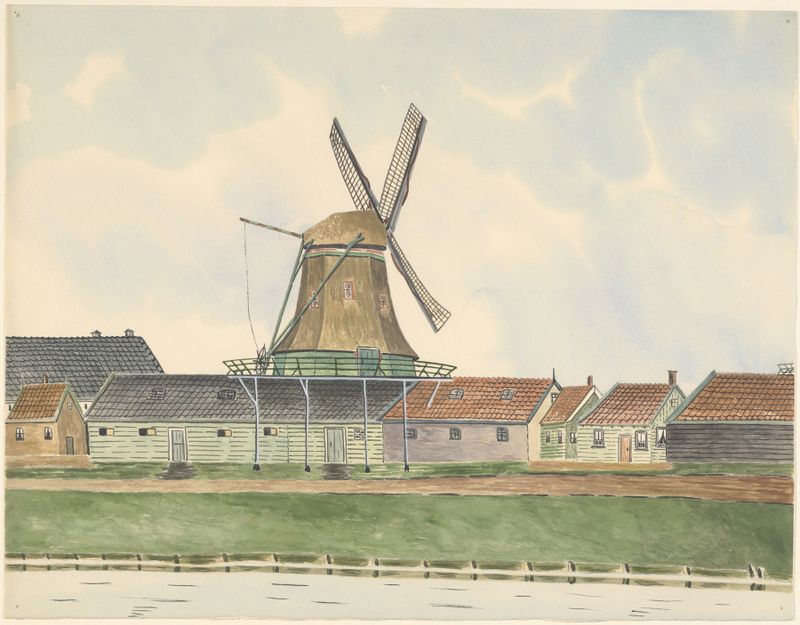
molen; oliemolen Het Witte-Paard aan het Zaandijkerwegje, 1893 gesloopt
Johannes Nicolaas Eijman

Op de voorgrond rechts doppenmolen De Prolpot aan de Hemmes, op de achtergrond links twee andere molens
Johannes Nicolaas Eijman
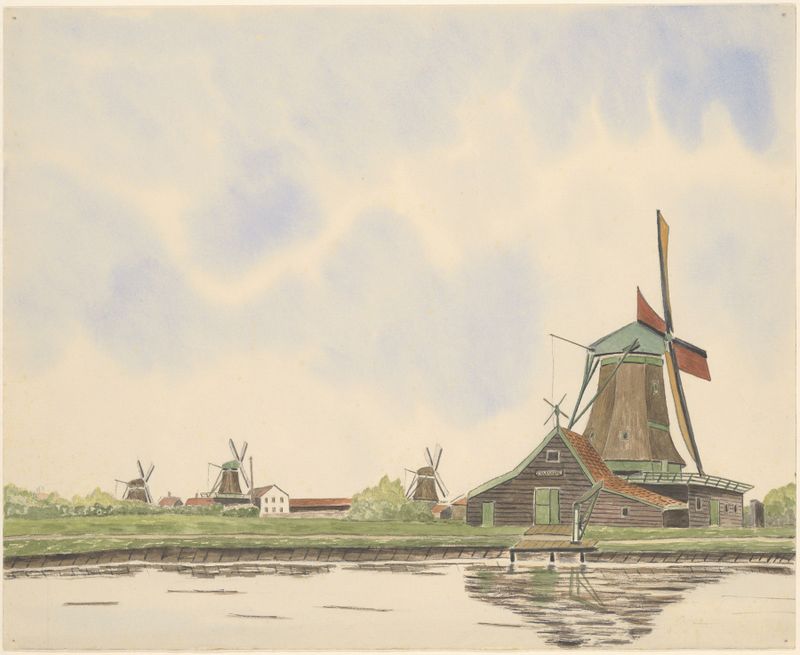
Oliemolen De Kerkuil aan de Zaan, met drie molens op de achtergrond. De Kerkuil stond binnendijks, tegenover de Wormerveerderkerk; afgebroken ca. 1892
Johannes Nicolaas Eijman
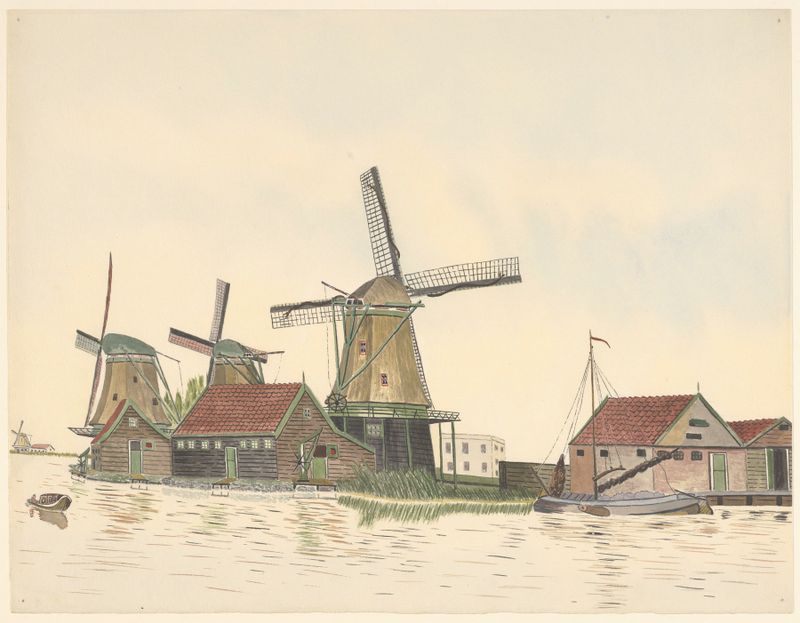
molens; De Ooievaar; De Windhond; De Gans, Kalverringdijk
Johannes Nicolaas Eijman
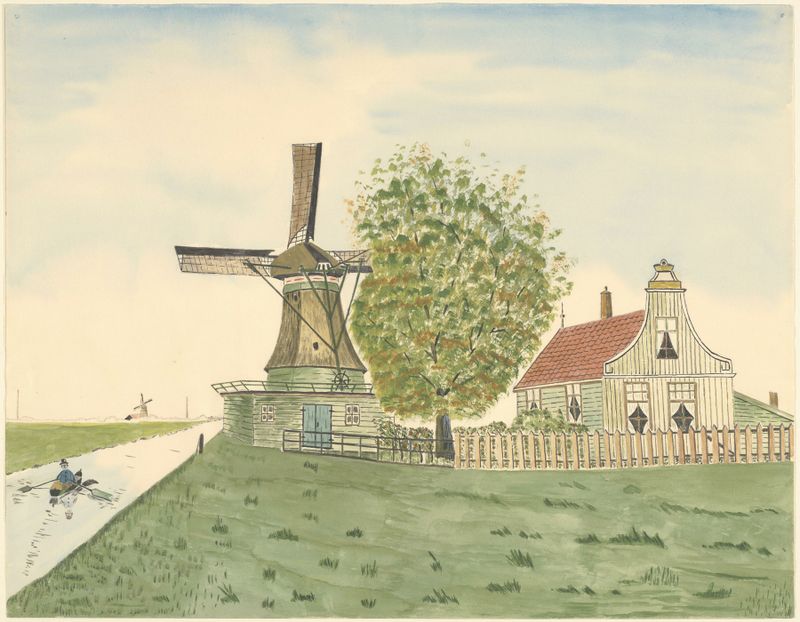
molens; houtzaagmolen De Haan
Johannes Nicolaas Eijman
More Architecture Art
Browse all →
The statue of Liberty
Frédéric Auguste Bartholdi

View of Houses in Delft, Known as ‘The Little Street’
Johannes Vermeer

View of Houses in Delft, Known as ‘The Little Street’
Johannes Vermeer

The Cathedral in Rouen. The portal, Grey Weather
Claude Monet

The yellow house
Vincent van Gogh

The Church in Auvers-sur-Oise, View from the Chevet
Vincent van Gogh