
molens; houtzaagmolen De Smit (paltrok) — History & Facts
Shadows stretch across the canvas, whispering secrets of toil and tradition while evoking deeper truths hidden within the beauty of rural life. Look to the left where the wooden mill stands proudly, its weathered façade cloaked in muted earth tones. The structure, with its towering sails poised against the sky, draws the eye upward, giving a sense of grandeur despite its rustic simplicity. Notice how the light softly embraces the edges of the mill, casting elongated shadows that dance upon the ground, creating a visual rhythm that harmonizes with the surrounding landscape. In Eijman’s work, the juxtaposition of light and shadow serves as a poignant metaphor for the human experience.
The mill, often a symbol of labor and industry, sits in serene isolation, embodying the tension between nature and man-made beauty. The shadows hint at the unseen effort and struggles behind the idyllic facade, suggesting that beneath the surface of beauty lies a complex narrative laden with history and hardship. During the years 1930 to 1940, the artist found himself in the Netherlands, an era marked by social and economic challenges. Amidst this backdrop, the realm of Dutch art was evolving, reflecting both modernist influences and a longing for the pastoral past.
Eijman’s focus on rural subjects and traditional craftsmanship during this time highlights a desire to preserve the essence of Dutch heritage in an increasingly industrialized world.
More Artworks by Johannes Nicolaas Eijman
Browse all →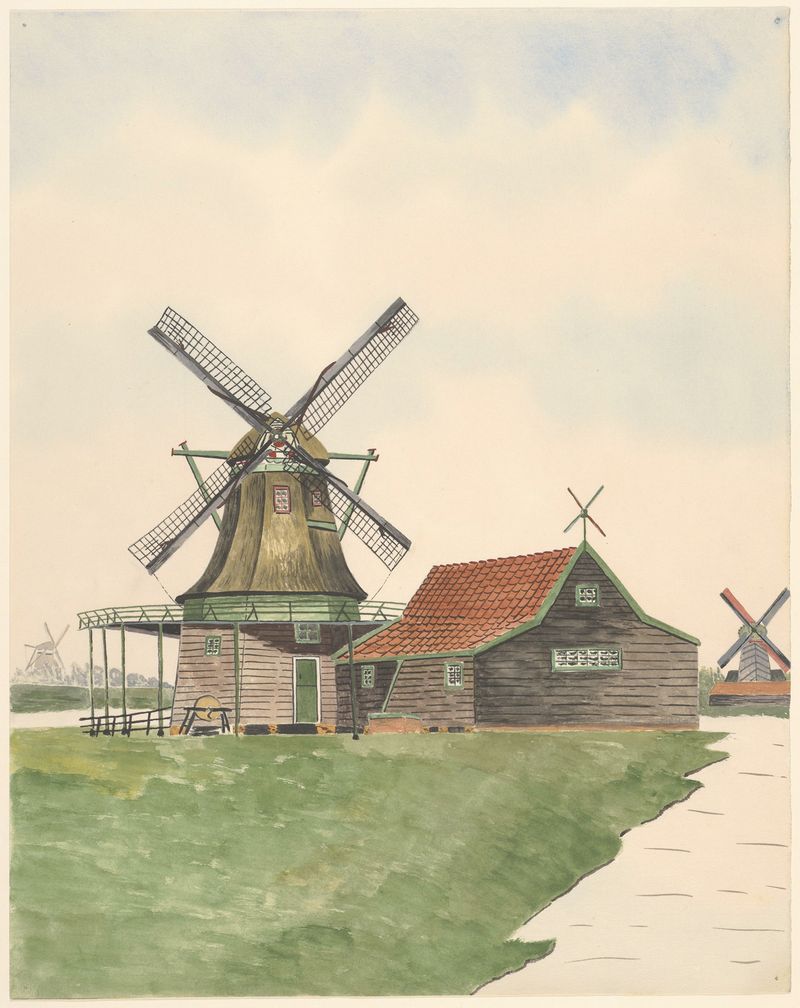
molens; oliemolen De Olievos, aan de Papenpadsloot, gesloopt 1878
Johannes Nicolaas Eijman
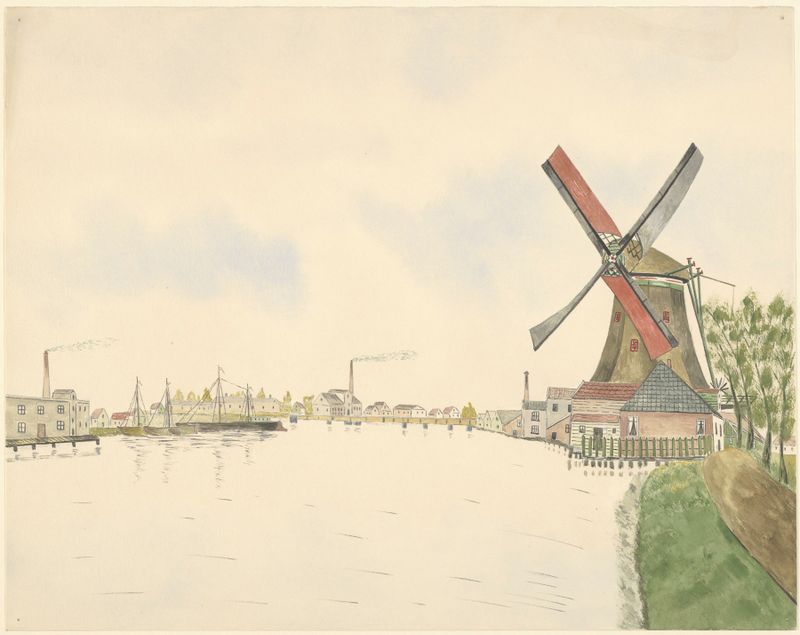
molens; meelmolen De Koker
Johannes Nicolaas Eijman

Papiermolen de Eendracht aan de westzijde van het Zaandammerpad, Wormer
Johannes Nicolaas Eijman
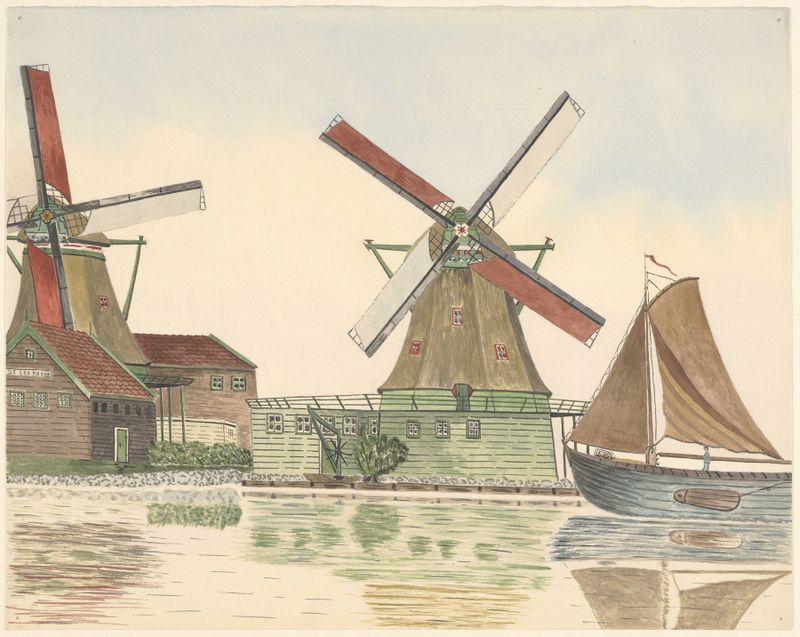
molens; oliemolen De Oude-Zwan, aan de Kalverpoel
Johannes Nicolaas Eijman
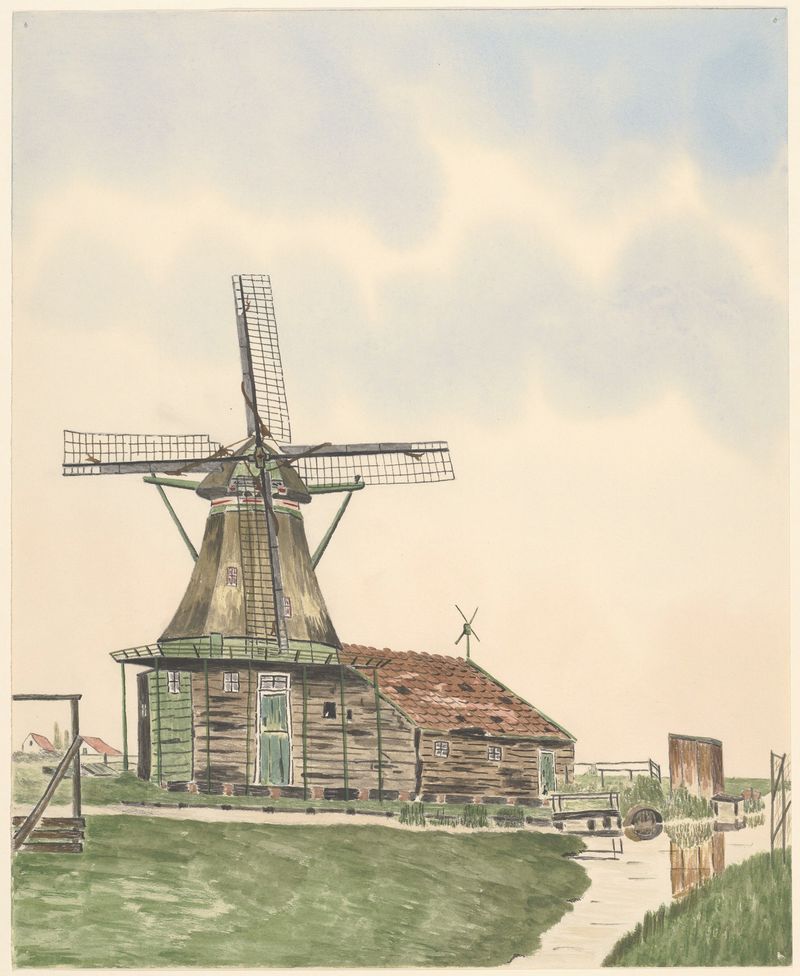
molens; oliemolen Het Oude-Honingvat, Oostzijderveld
Johannes Nicolaas Eijman
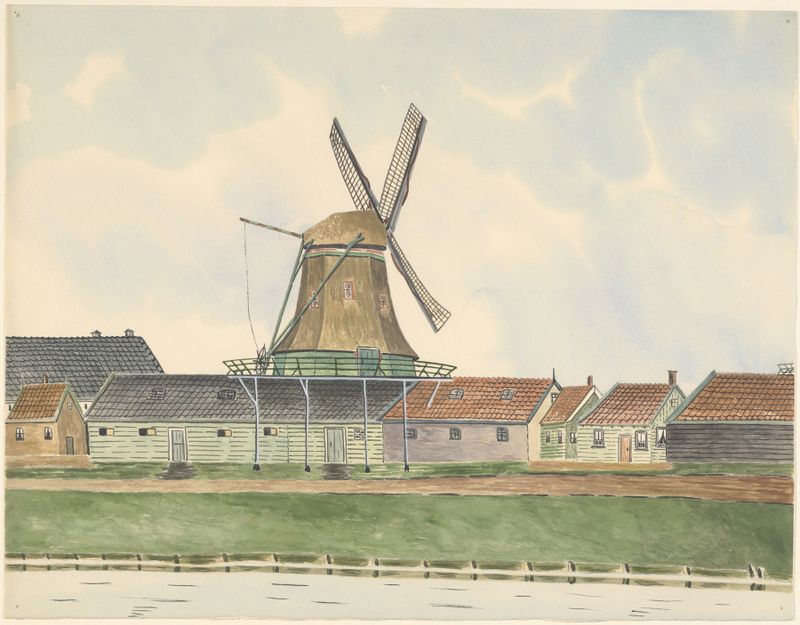
molen; oliemolen Het Witte-Paard aan het Zaandijkerwegje, 1893 gesloopt
Johannes Nicolaas Eijman

Op de voorgrond rechts doppenmolen De Prolpot aan de Hemmes, op de achtergrond links twee andere molens
Johannes Nicolaas Eijman
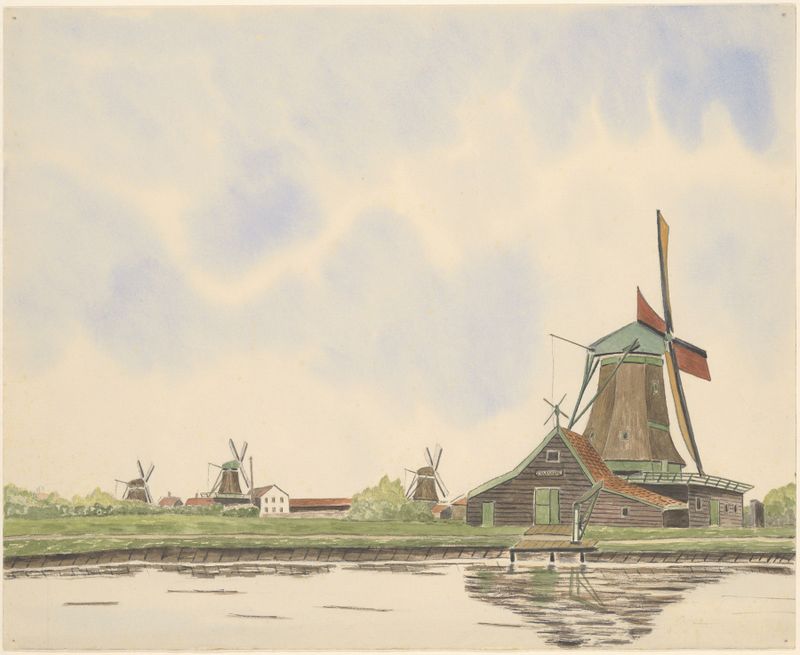
Oliemolen De Kerkuil aan de Zaan, met drie molens op de achtergrond. De Kerkuil stond binnendijks, tegenover de Wormerveerderkerk; afgebroken ca. 1892
Johannes Nicolaas Eijman
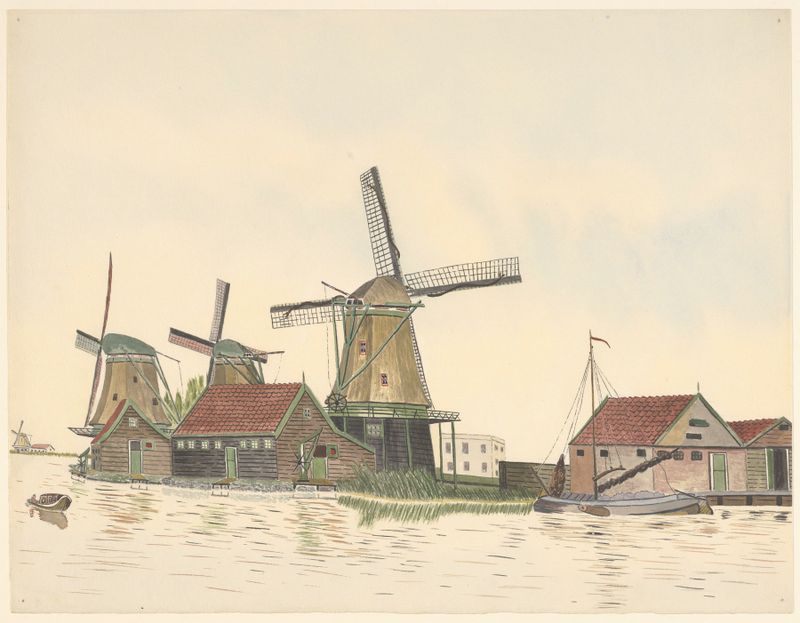
molens; De Ooievaar; De Windhond; De Gans, Kalverringdijk
Johannes Nicolaas Eijman
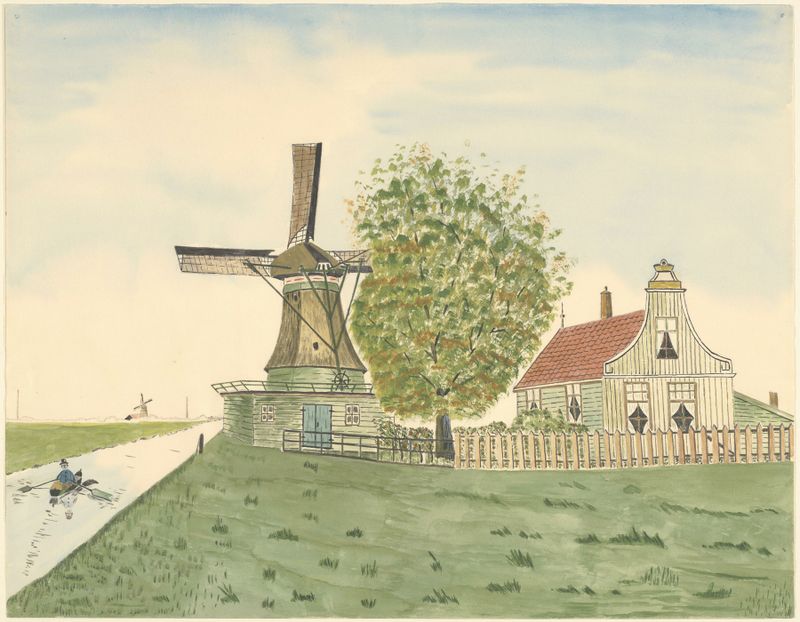
molens; houtzaagmolen De Haan
Johannes Nicolaas Eijman





