
molens; oliemolen De Matsman, verbrand in 1903 — History & Facts
Can paint confess what words never could? In molens; oliemolen De Matsman, verbrand in 1903, the canvas speaks a truth that transcends language, capturing loss and resilience in strokes of color and shadow. Look to the center of the piece, where the charred remains of the oil mill stand stark against a muted sky. The darkened structure, partially engulfed in wisps of smoke, draws the eye with its haunting silhouette. Notice how the artist employs a palette of deep browns and grays, contrasting the somber image with flashes of light that suggest both destruction and the hope of renewal.
The composition’s balance invites reflection, creating a dialogue between the past and the present, a juxtaposition of ruin and the natural world that surrounds it. Hidden within the artwork are echoes of nostalgia and the bittersweet nature of memory. The crumbling mill represents not just a physical loss, but also the fading echoes of a way of life once vibrant in this landscape. Each brushstroke reveals the emotional weight of history, hinting at the stories of the people who labored there and the community that mourned its absence.
Through a subtle interplay of light and darkness, the piece captures the dualities of time—what is lost and what persists. Created between 1930 and 1940, this work emerged during a period of reflection for Johannes Nicolaas Eijman. Living in a world still reeling from the effects of war, the artist’s focus on the remnants of industry and memory resonates with the shifting tides of his era. As modernity encroached upon traditional ways of life, his painting serves as a poignant reminder of what is often overlooked in the march of progress.
More Artworks by Johannes Nicolaas Eijman
Browse all →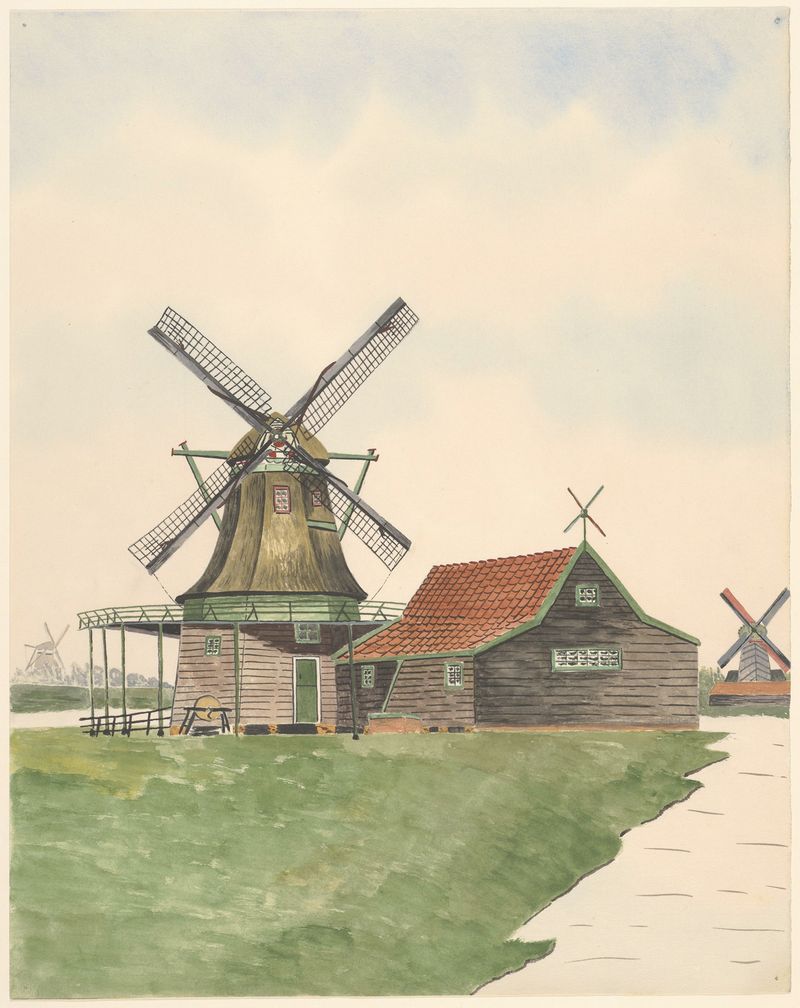
molens; oliemolen De Olievos, aan de Papenpadsloot, gesloopt 1878
Johannes Nicolaas Eijman
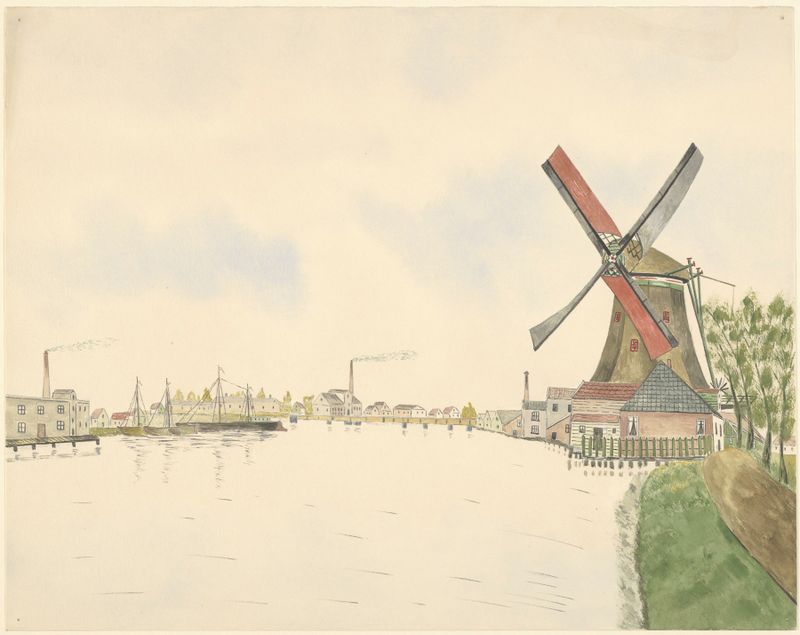
molens; meelmolen De Koker
Johannes Nicolaas Eijman

Papiermolen de Eendracht aan de westzijde van het Zaandammerpad, Wormer
Johannes Nicolaas Eijman
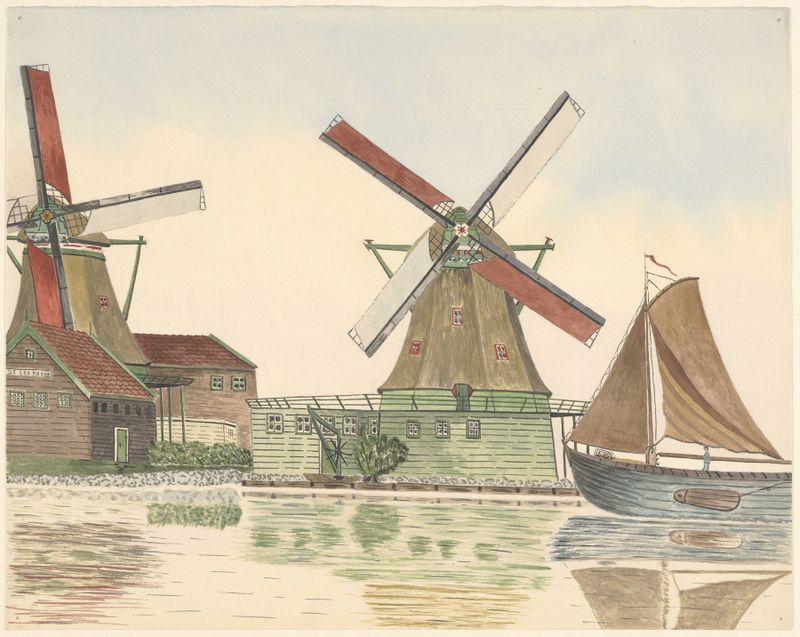
molens; oliemolen De Oude-Zwan, aan de Kalverpoel
Johannes Nicolaas Eijman
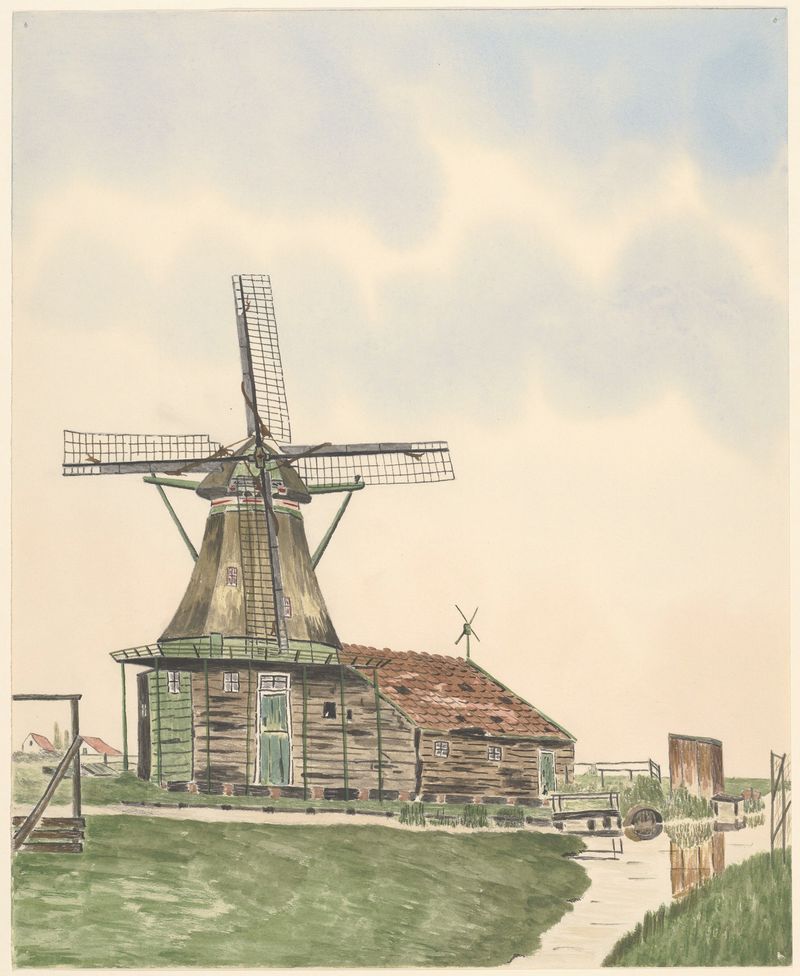
molens; oliemolen Het Oude-Honingvat, Oostzijderveld
Johannes Nicolaas Eijman
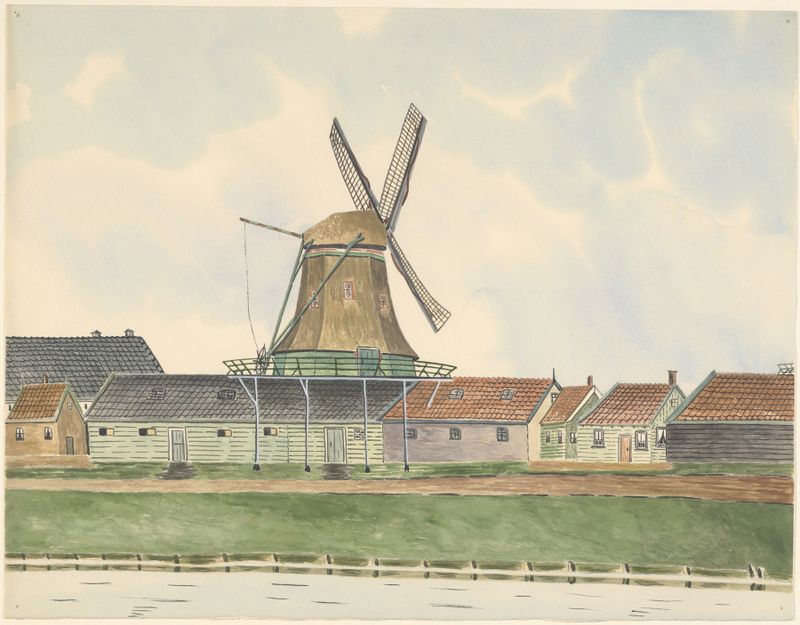
molen; oliemolen Het Witte-Paard aan het Zaandijkerwegje, 1893 gesloopt
Johannes Nicolaas Eijman

Op de voorgrond rechts doppenmolen De Prolpot aan de Hemmes, op de achtergrond links twee andere molens
Johannes Nicolaas Eijman
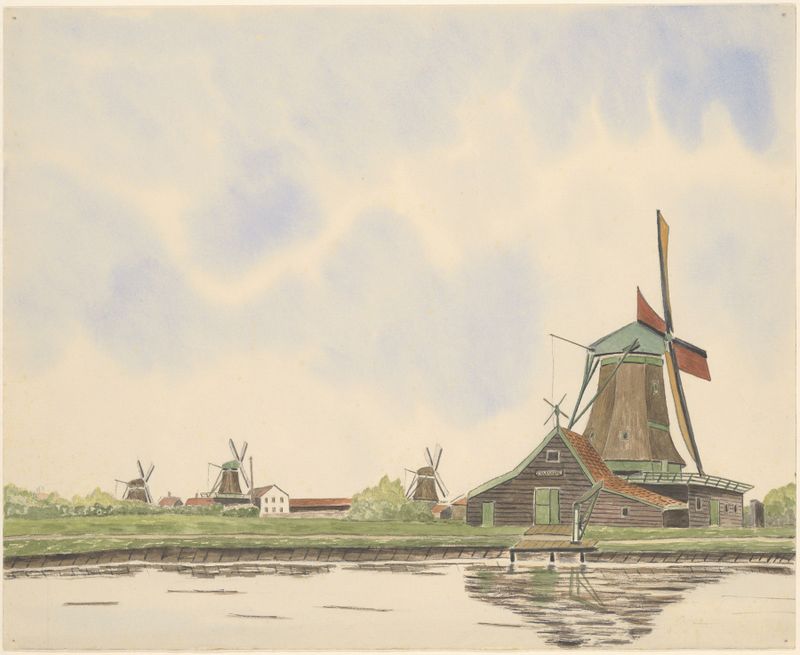
Oliemolen De Kerkuil aan de Zaan, met drie molens op de achtergrond. De Kerkuil stond binnendijks, tegenover de Wormerveerderkerk; afgebroken ca. 1892
Johannes Nicolaas Eijman
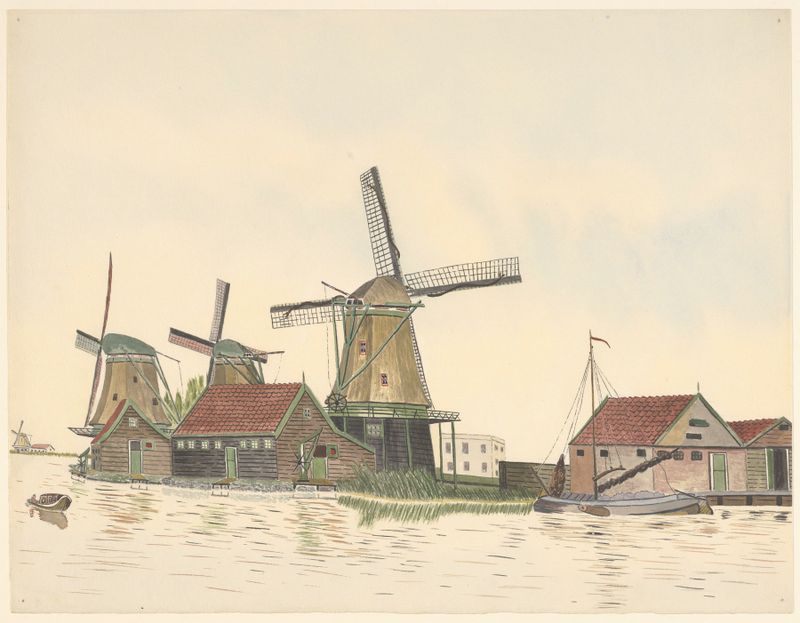
molens; De Ooievaar; De Windhond; De Gans, Kalverringdijk
Johannes Nicolaas Eijman
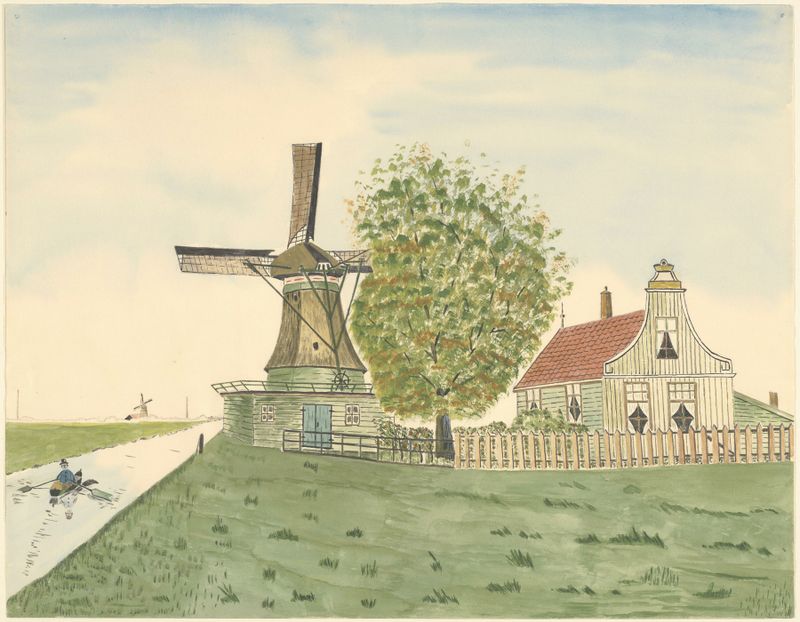
molens; houtzaagmolen De Haan
Johannes Nicolaas Eijman





