
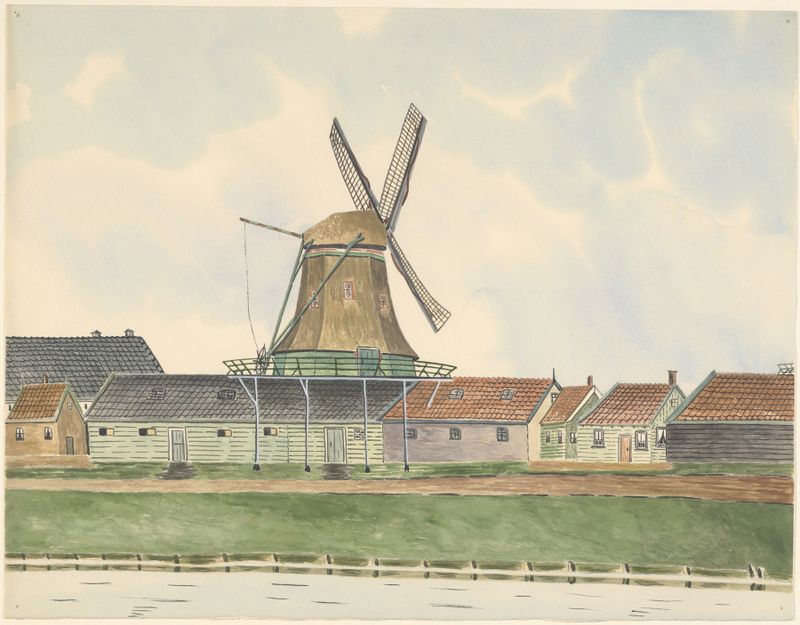
molens; oliemolen De Prolpot, aan de Kalverringdijk, verbrand 1917. Met andere molens. Links op de ahctergrond scheepsmasten — History & Facts
When did color learn to lie? The hues before us are deceptive, whispering tales of serenity while concealing the chaos of transformation beneath their vibrant surface. Focus on the foreground, where the bold strokes of the windmill stand tall against the sky. The artist’s deft hand captures the moment with sharp contrasts, the stark white of the sails against the deep, brooding blues and greens of the land and sky. As your gaze travels upward, notice how the light dances on the water, reflecting both the mill and the distant masts, creating a shimmering pathway that invites you deeper into the scene. Consider the emotional tension embedded within the landscape.
The windmill, a symbol of industriousness, looms with an air of melancholy, as if mourning its past glory. The latent sense of loss is further highlighted by the contrasting elements of nature—where lush fields meet the rigors of machinery, suggesting an ongoing battle between progress and nostalgia. Each brushstroke speaks to the cycle of creation and destruction, echoing the transformation that all things undergo. In the late 1930s, Eijman painted this work during a time of significant change in the Netherlands.
The world was grappling with the aftermath of the Great Depression, and the encroaching shadows of war loomed large. This period marked a shift in artistic expression, as artists began to grapple with themes of transition and loss, encapsulated poignantly in this evocative piece.
More Artworks by Johannes Nicolaas Eijman
Browse all →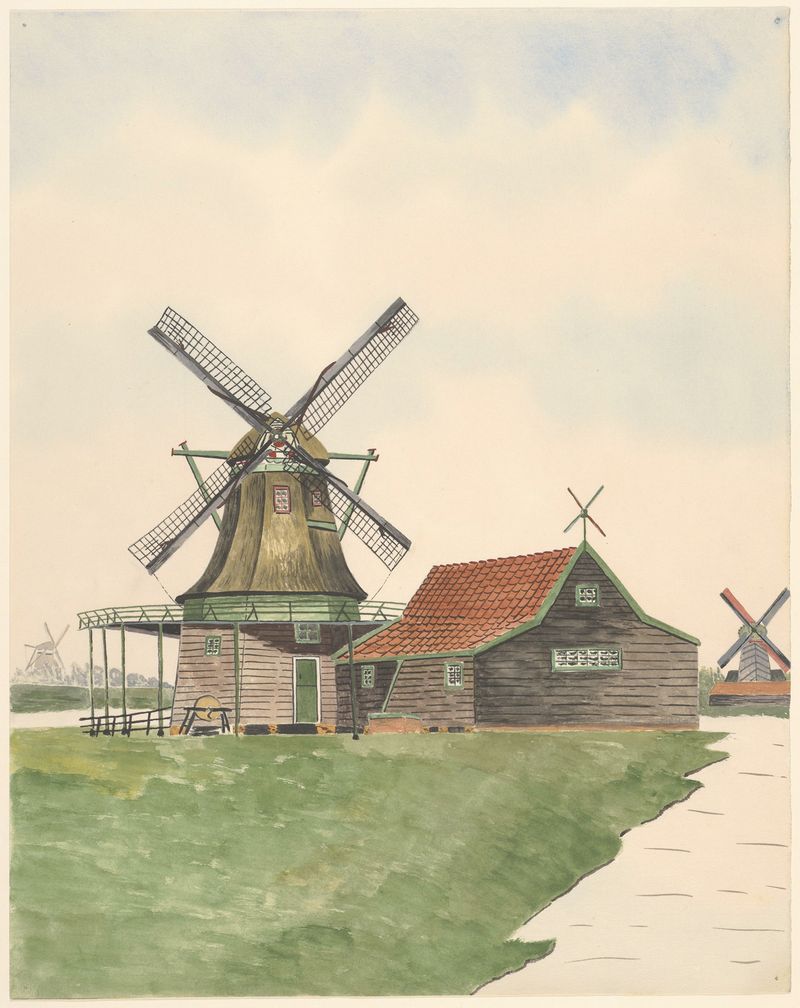
molens; oliemolen De Olievos, aan de Papenpadsloot, gesloopt 1878
Johannes Nicolaas Eijman
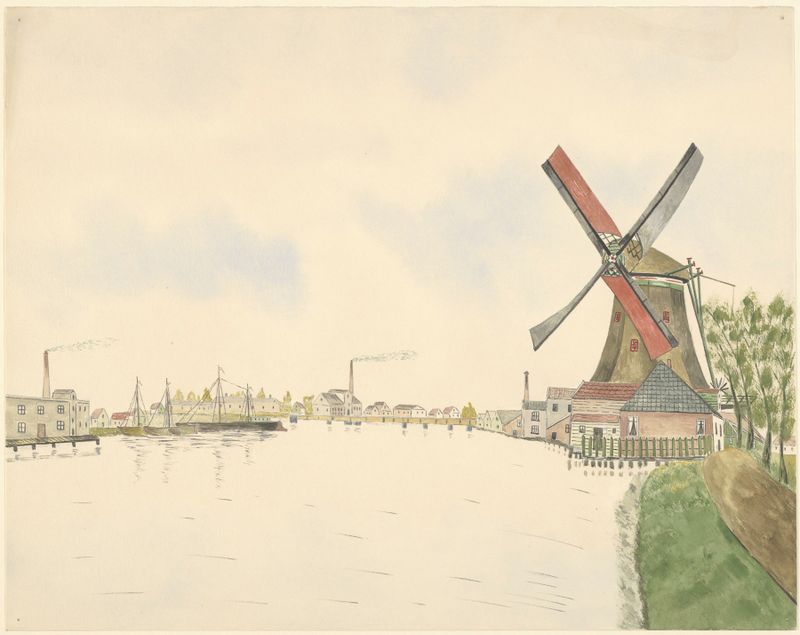
molens; meelmolen De Koker
Johannes Nicolaas Eijman

Papiermolen de Eendracht aan de westzijde van het Zaandammerpad, Wormer
Johannes Nicolaas Eijman
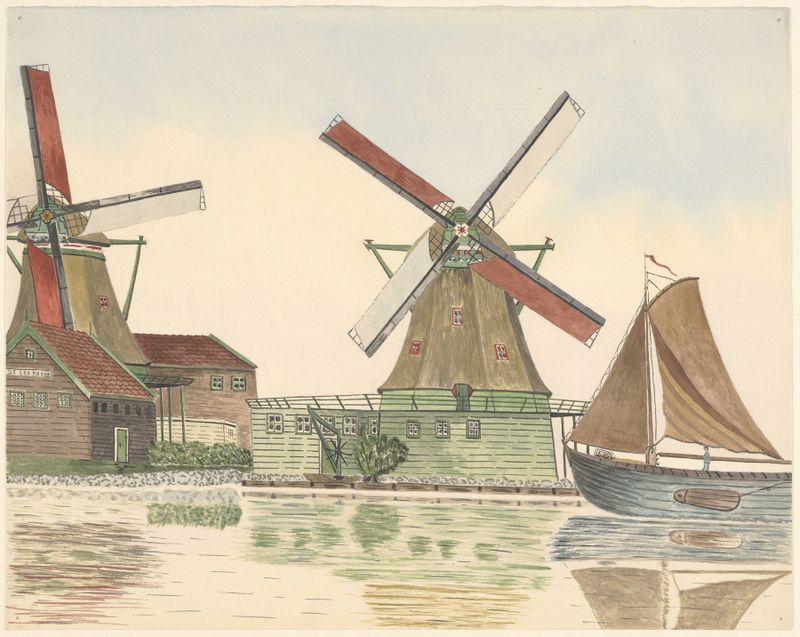
molens; oliemolen De Oude-Zwan, aan de Kalverpoel
Johannes Nicolaas Eijman
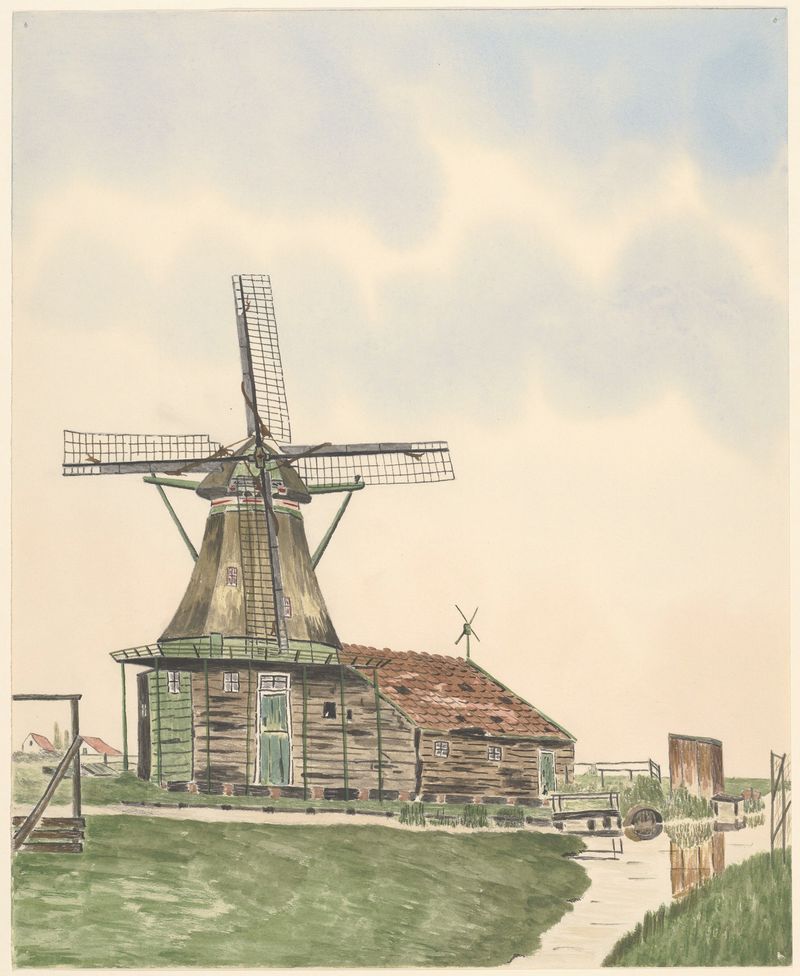
molens; oliemolen Het Oude-Honingvat, Oostzijderveld
Johannes Nicolaas Eijman
molen; oliemolen Het Witte-Paard aan het Zaandijkerwegje, 1893 gesloopt
Johannes Nicolaas Eijman

Op de voorgrond rechts doppenmolen De Prolpot aan de Hemmes, op de achtergrond links twee andere molens
Johannes Nicolaas Eijman
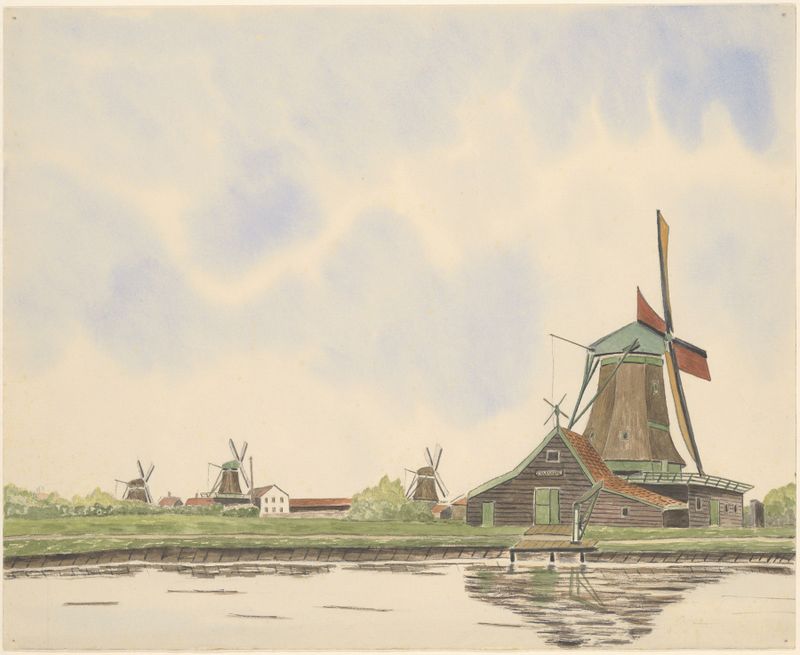
Oliemolen De Kerkuil aan de Zaan, met drie molens op de achtergrond. De Kerkuil stond binnendijks, tegenover de Wormerveerderkerk; afgebroken ca. 1892
Johannes Nicolaas Eijman
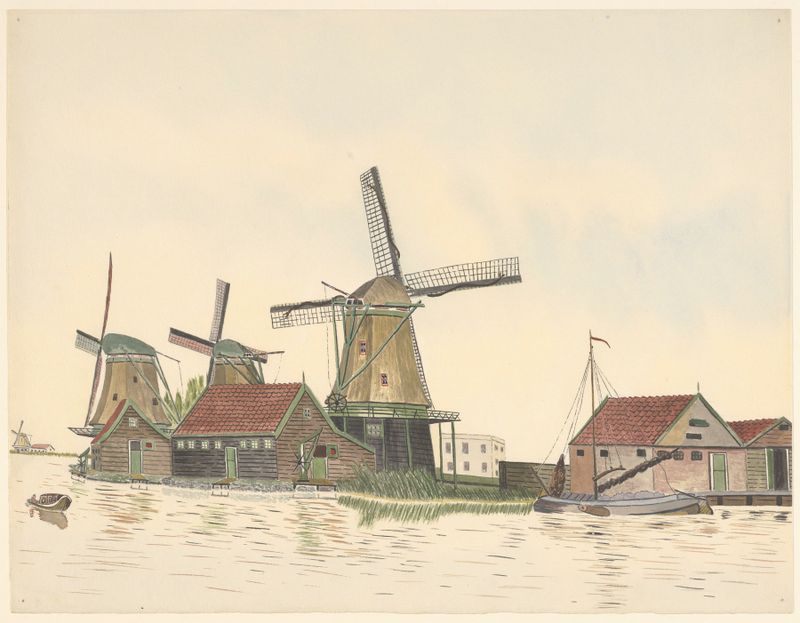
molens; De Ooievaar; De Windhond; De Gans, Kalverringdijk
Johannes Nicolaas Eijman
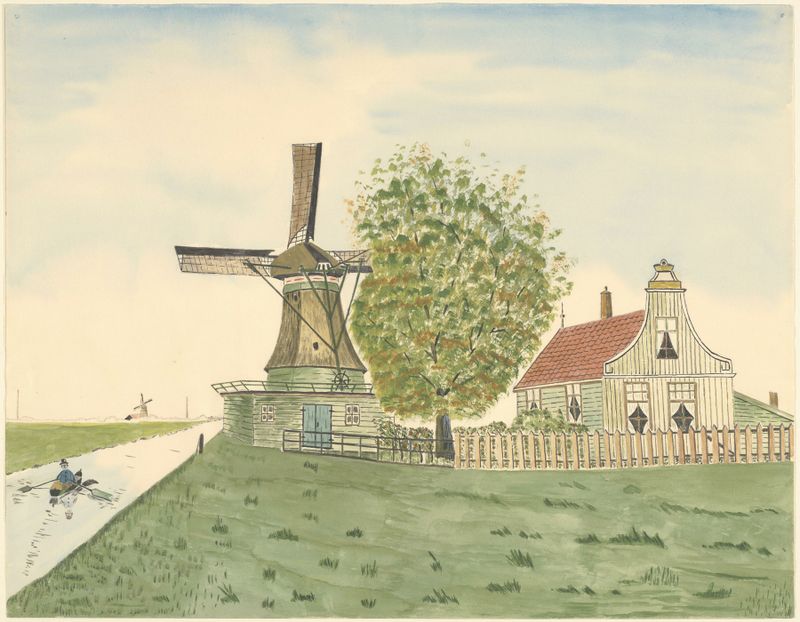
molens; houtzaagmolen De Haan
Johannes Nicolaas Eijman





