
molens; oliemolen De Rosbaaijer, Oostzaandam, verbrand 1922 — History & Facts
Did the painter know this moment would outlive them? In the stillness of captured time, a burnt windmill stands defiantly against an empty sky, its charred remains whispering tales of resilience and rebirth. Focus on the stark silhouette of the oil mill, the crumbling structure dominating the canvas with its ghostly presence. Notice how the muted colors of gray and black blend seamlessly into the soft browns of the surrounding landscape, creating an atmosphere thick with nostalgia. The artist employs broad brushstrokes, allowing the texture of the wood and the charred edges to emerge almost sculpturally, inviting the viewer to contemplate not just the ruin but also the life that once thrived here. Beneath the surface lies a poignant contrast between destruction and renewal.
The desolate windmill serves as a powerful reminder of the cycles of existence, where decay is an integral part of the process of rebirth. Hints of green peeking through the burnt remnants suggest the persistence of life, symbolizing hope amid despair. This tension between past and present evokes a deep emotional resonance, asking us to reflect on the fragility of human endeavors. Created between 1930 and 1940, during a time of significant change and uncertainty in the Netherlands, this work reflects Johannes Nicolaas Eijman’s response to the socio-political landscape following World War I.
The destruction of the oil mill, once a hub of productivity, parallels the broader themes of loss and recovery in post-war Europe, making this piece not just a representation of a moment but a commentary on human resilience in the face of adversity.
More Artworks by Johannes Nicolaas Eijman
Browse all →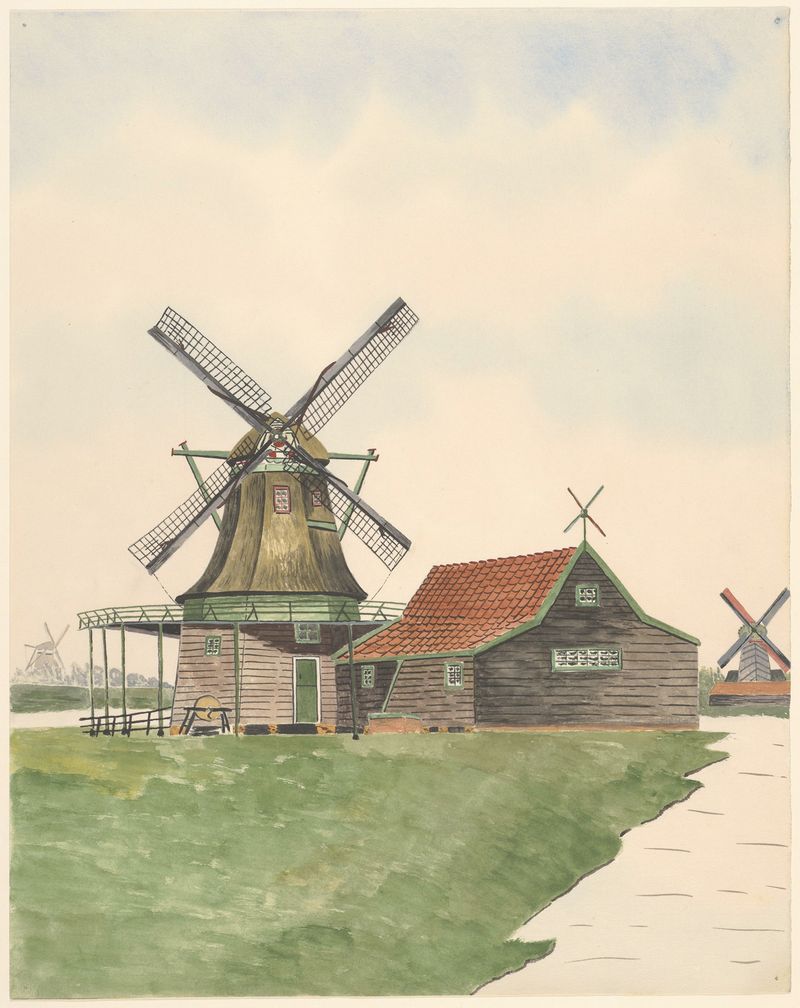
molens; oliemolen De Olievos, aan de Papenpadsloot, gesloopt 1878
Johannes Nicolaas Eijman
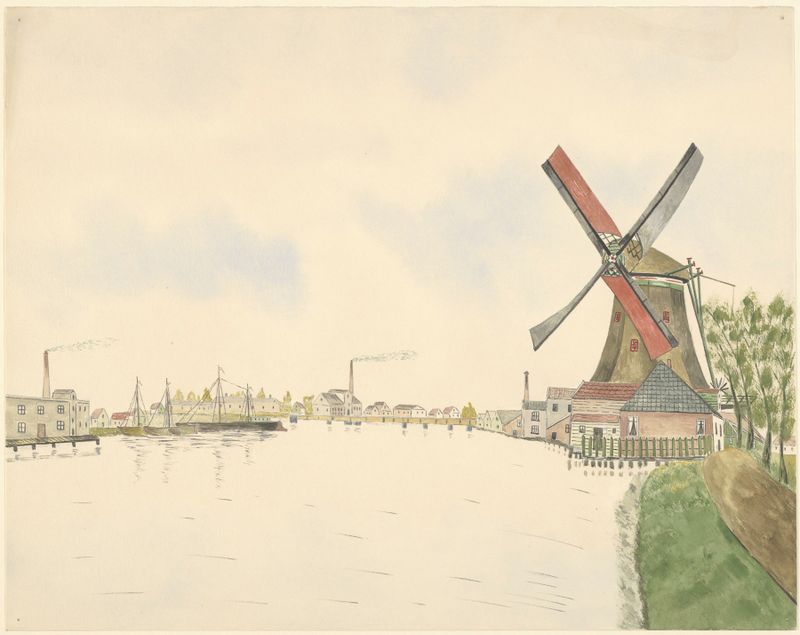
molens; meelmolen De Koker
Johannes Nicolaas Eijman

Papiermolen de Eendracht aan de westzijde van het Zaandammerpad, Wormer
Johannes Nicolaas Eijman
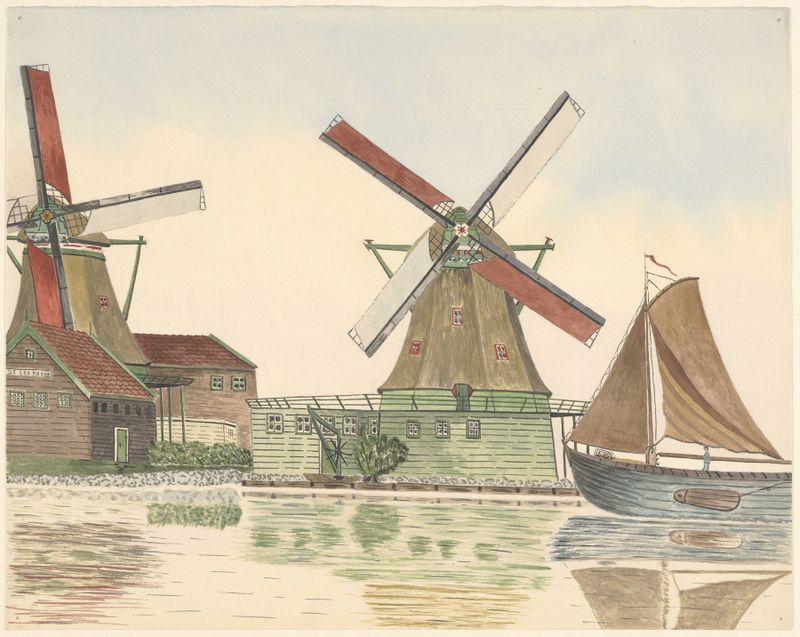
molens; oliemolen De Oude-Zwan, aan de Kalverpoel
Johannes Nicolaas Eijman
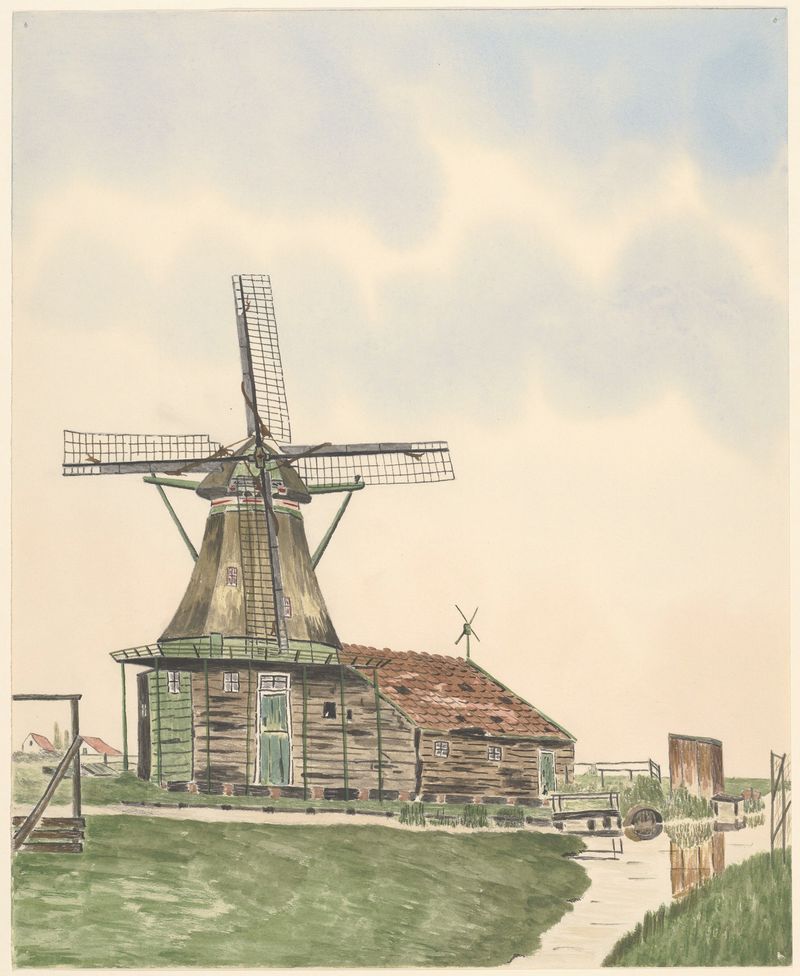
molens; oliemolen Het Oude-Honingvat, Oostzijderveld
Johannes Nicolaas Eijman
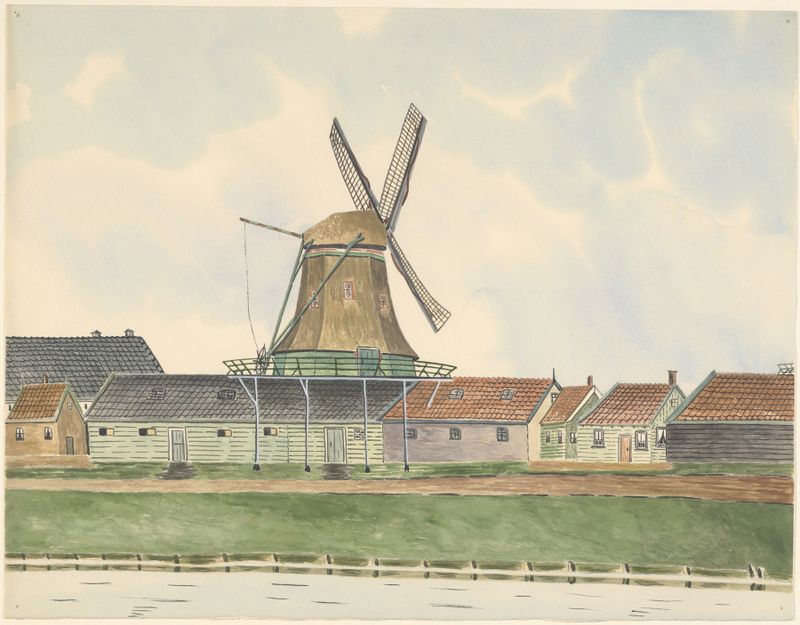
molen; oliemolen Het Witte-Paard aan het Zaandijkerwegje, 1893 gesloopt
Johannes Nicolaas Eijman

Op de voorgrond rechts doppenmolen De Prolpot aan de Hemmes, op de achtergrond links twee andere molens
Johannes Nicolaas Eijman
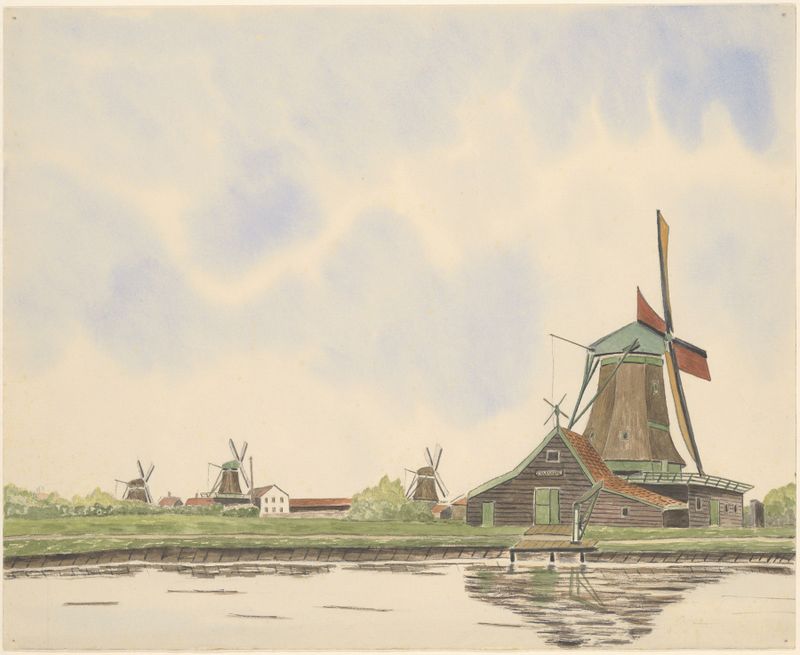
Oliemolen De Kerkuil aan de Zaan, met drie molens op de achtergrond. De Kerkuil stond binnendijks, tegenover de Wormerveerderkerk; afgebroken ca. 1892
Johannes Nicolaas Eijman
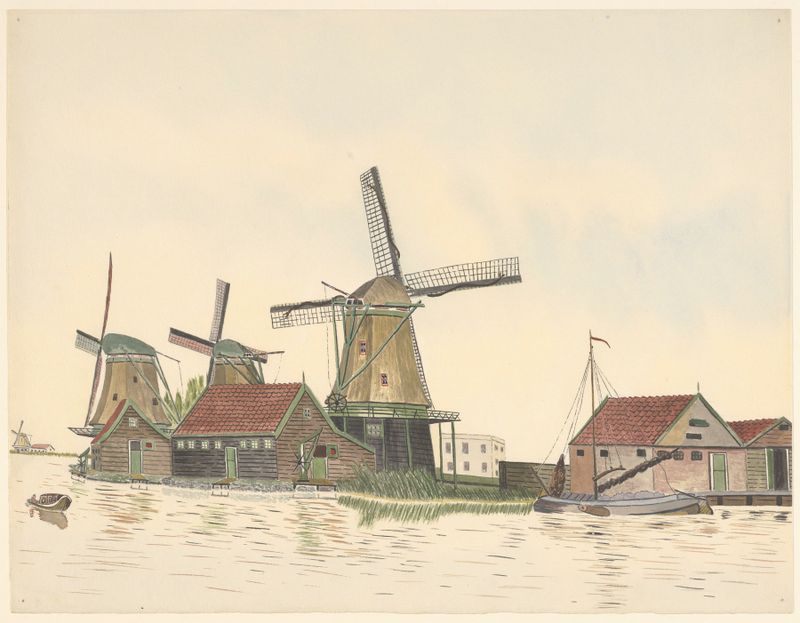
molens; De Ooievaar; De Windhond; De Gans, Kalverringdijk
Johannes Nicolaas Eijman
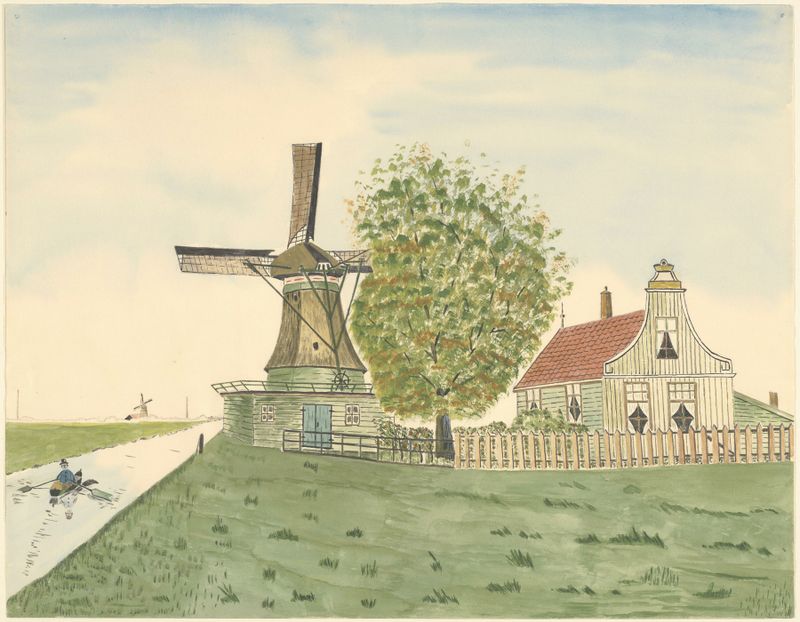
molens; houtzaagmolen De Haan
Johannes Nicolaas Eijman





