
molens; oliemolen De Vier-Heemskinderen (ook wel De Rijke-Man). — History & Facts
In the cyclical dance between light and shadow, the unspoken fears of the human condition weave through the stillness of molens; oliemolen De Vier-Heemskinderen. The painting invites contemplation, enveloping the viewer in a world where the whisper of the wind and the distant echo of industry stir the imagination. Look to the left at the towering, weathered windmill, its sails frozen mid-turn, a reluctant participant in the relentless passage of time. The color palette, muted yet saturated with earthy hues, captures the somber beauty of the Dutch landscape.
Notice how the light falls upon the mill's weathered wood, illuminating layers of history and labor while casting long shadows that hint at deeper, untold stories lurking in the foreground. As you gaze deeper, consider the emotional contrasts at play. The tranquil waters reflect a deceptive calm, while the towering structure looms ominously, suggesting both sustenance and fear of obsolescence. The juxtaposition of the natural and the industrial speaks to a collective anxiety about progress—what is gained and what is lost.
Each brushstroke reveals a duality: harmony entwined with trepidation, and beauty shadowed by the specter of change. Created between 1930 and 1940, this work emerged during a time of great transition in the world of art and society as a whole. Johannes Nicolaas Eijman found himself in the midst of economic turmoil and shifting artistic movements, drawing inspiration from the resilience of traditional forms even as modernity beckoned. His work reflects not just the landscape but the silent fears of a generation grappling with the future.
More Artworks by Johannes Nicolaas Eijman
Browse all →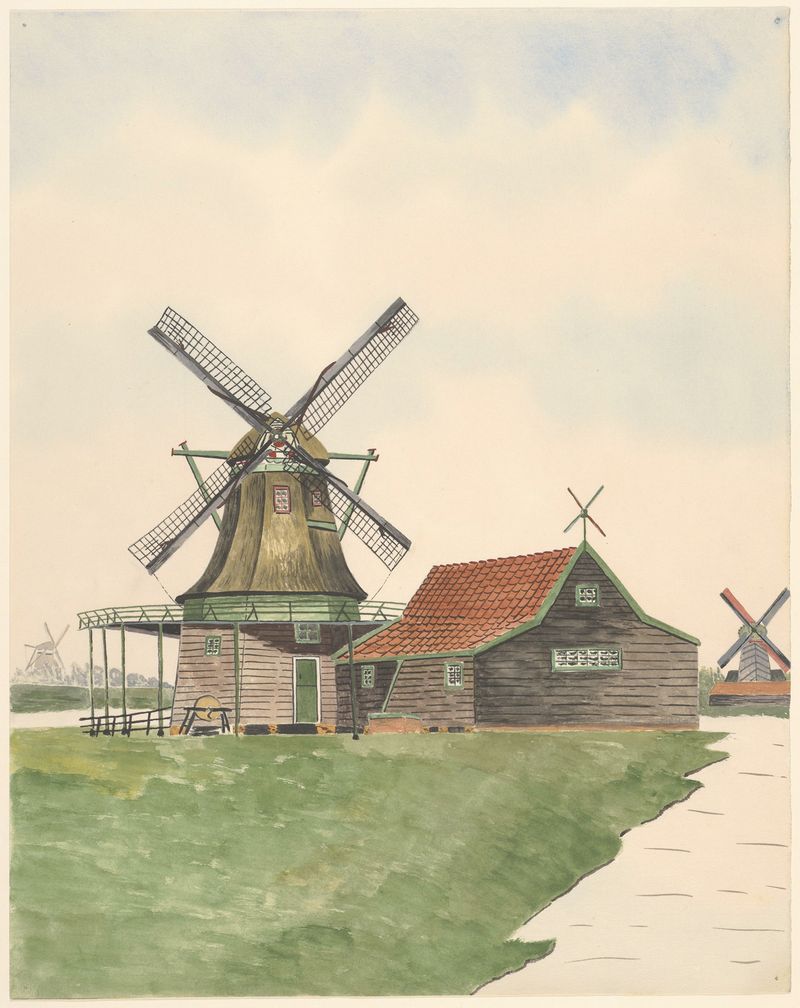
molens; oliemolen De Olievos, aan de Papenpadsloot, gesloopt 1878
Johannes Nicolaas Eijman
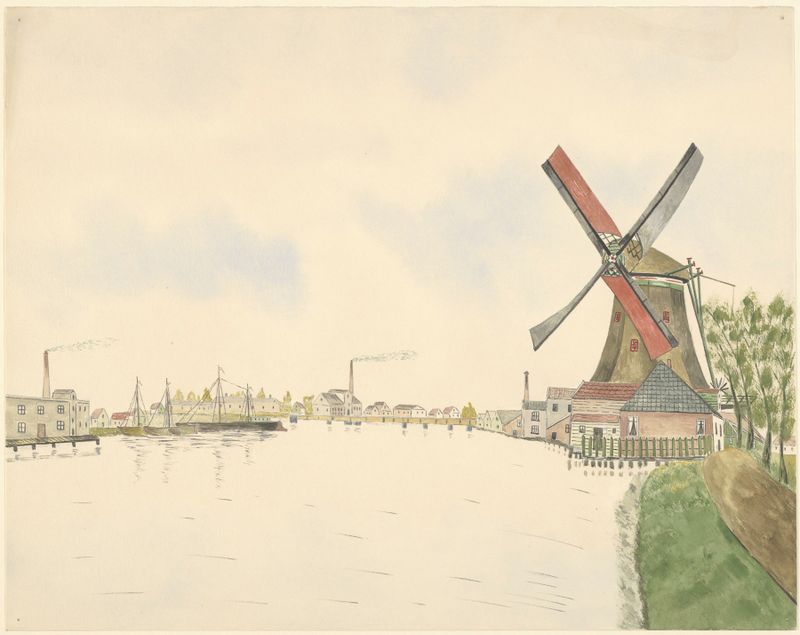
molens; meelmolen De Koker
Johannes Nicolaas Eijman

Papiermolen de Eendracht aan de westzijde van het Zaandammerpad, Wormer
Johannes Nicolaas Eijman
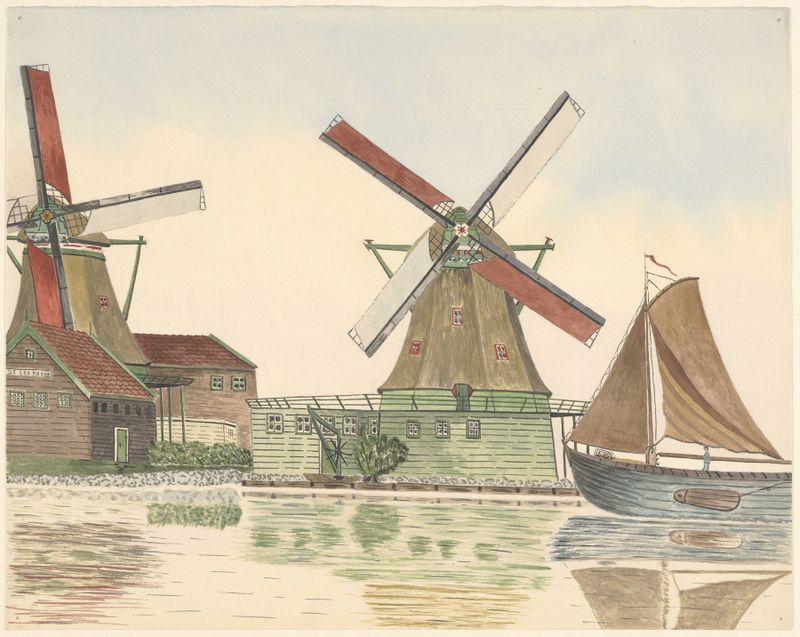
molens; oliemolen De Oude-Zwan, aan de Kalverpoel
Johannes Nicolaas Eijman
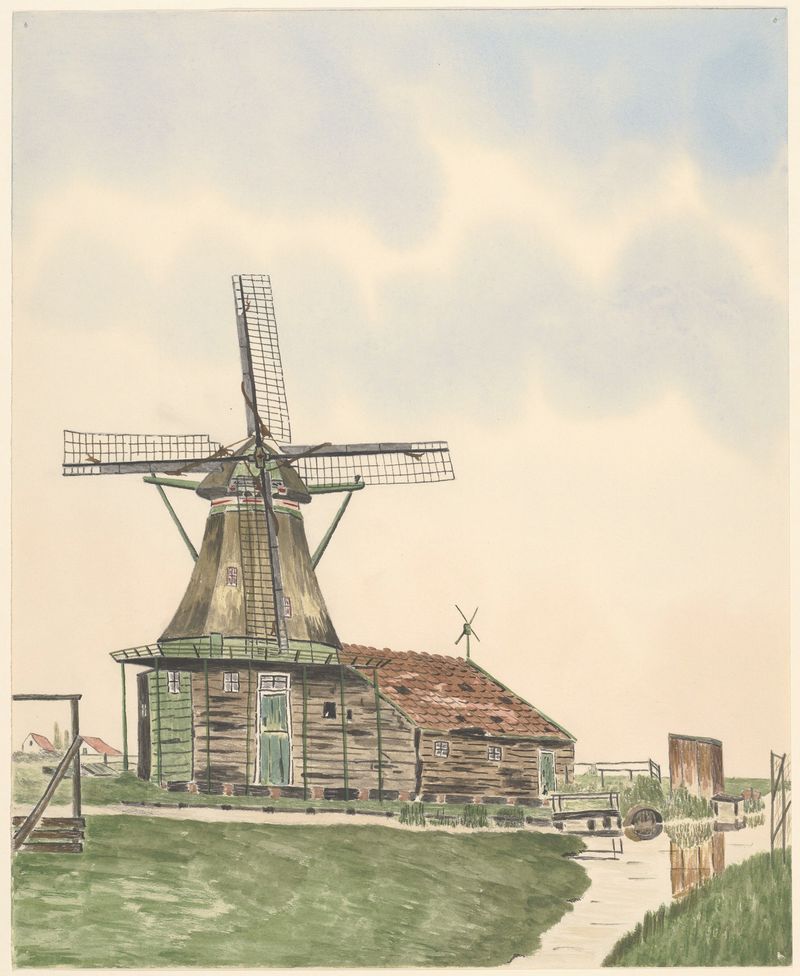
molens; oliemolen Het Oude-Honingvat, Oostzijderveld
Johannes Nicolaas Eijman
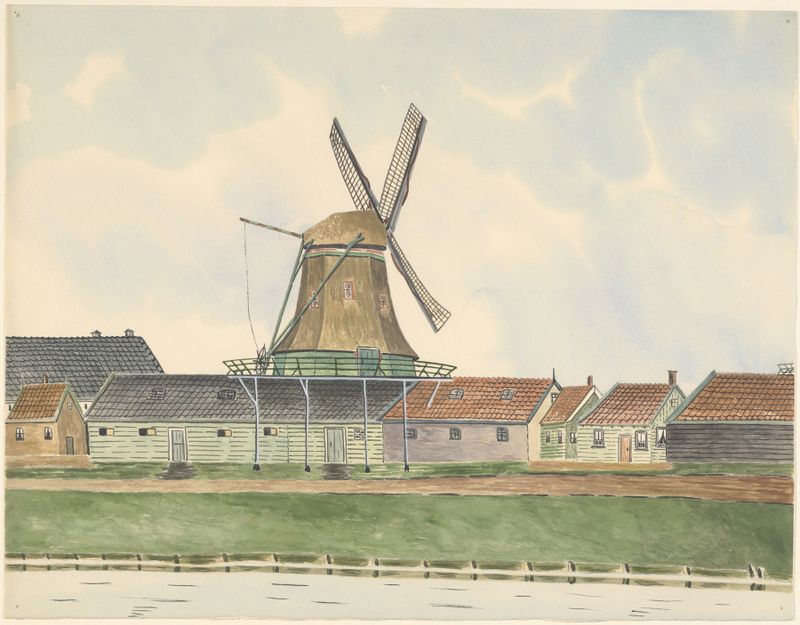
molen; oliemolen Het Witte-Paard aan het Zaandijkerwegje, 1893 gesloopt
Johannes Nicolaas Eijman

Op de voorgrond rechts doppenmolen De Prolpot aan de Hemmes, op de achtergrond links twee andere molens
Johannes Nicolaas Eijman
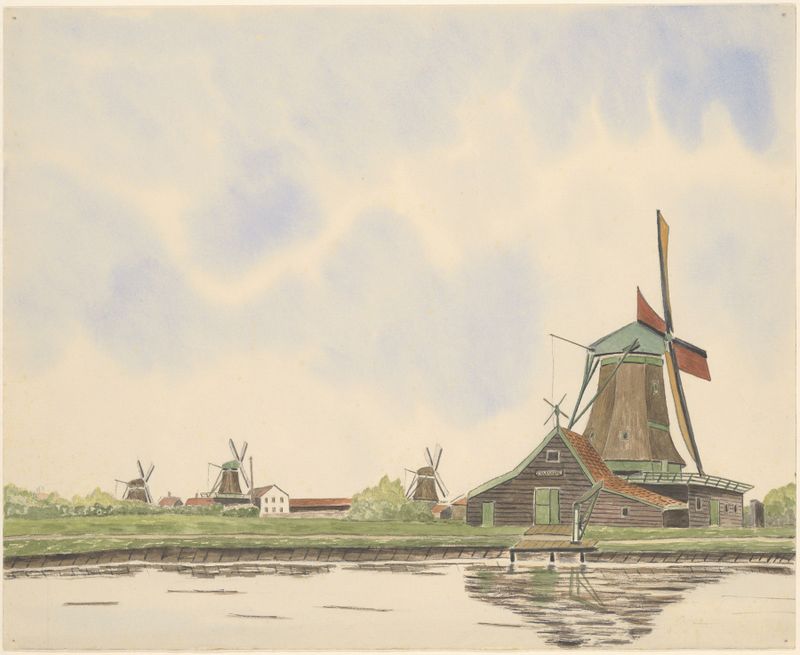
Oliemolen De Kerkuil aan de Zaan, met drie molens op de achtergrond. De Kerkuil stond binnendijks, tegenover de Wormerveerderkerk; afgebroken ca. 1892
Johannes Nicolaas Eijman
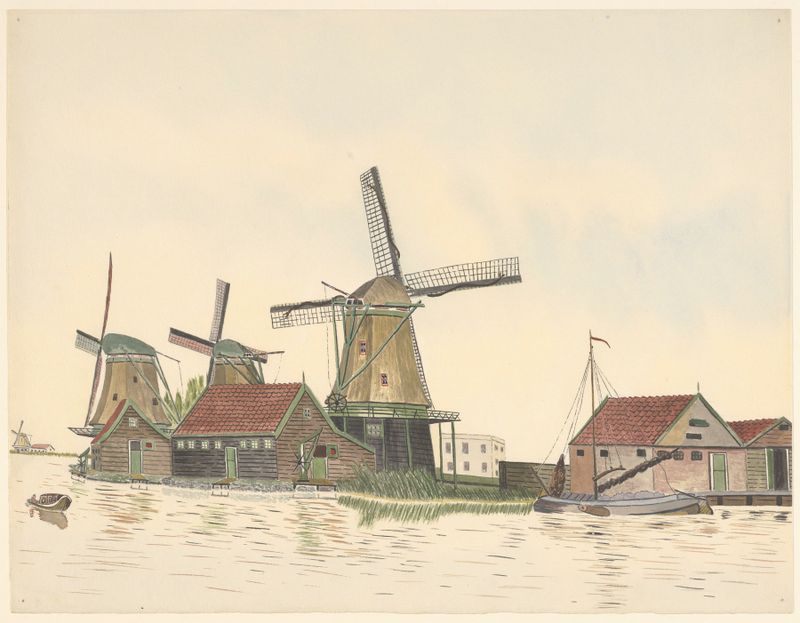
molens; De Ooievaar; De Windhond; De Gans, Kalverringdijk
Johannes Nicolaas Eijman
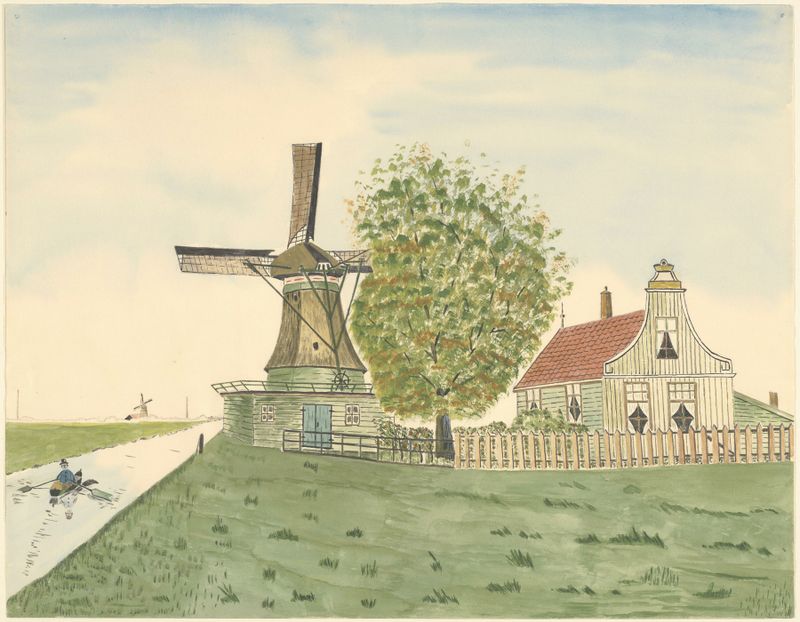
molens; houtzaagmolen De Haan
Johannes Nicolaas Eijman





